The Green Fee took effect on Jan. 1, raising Hawaii’s Transient Accommodations Tax by 0.75 points to 11% to fund conservation and resilience projects. A Ninth Circuit temporary injunction (Dec. 31) halted only the provision that would have added an 11% charge to cruise ship passenger bills after a lawsuit from the Cruise Lines International Association and a DOJ motion to intervene. The state estimates the fee will raise about $100 million a year to address roughly $500 million in environmental and resiliency needs; appeals are underway.
Hawaii’s New “Green Fee” Takes Effect — Cruise-Ship Tax Temporarily Blocked by Federal Court
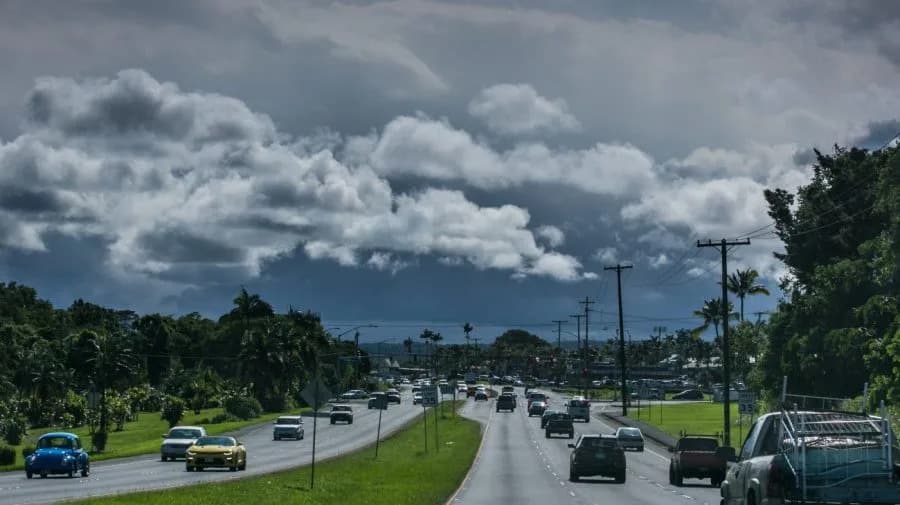
Hawaii’s ‘Green Fee’ is in effect, but not all of it: What does that mean?
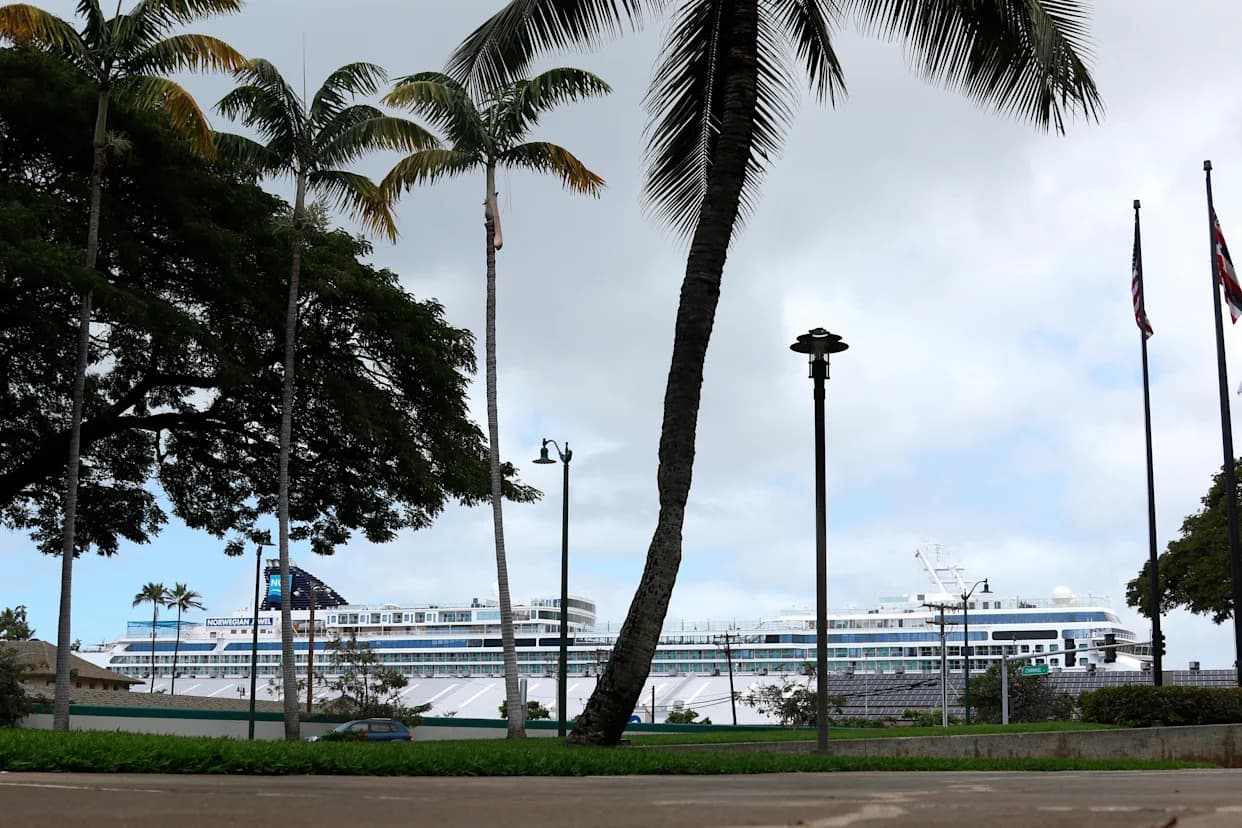
Hawaii’s new Green Fee went into effect on Jan. 1, raising the statewide Transient Accommodations Tax by 0.75 percentage points to 11% for most tourism-related purchases. However, a federal appeals court has temporarily blocked the law’s specific provision that would have added an 11% charge to cruise ship passenger bills while litigation proceeds.
What the Green Fee Covers
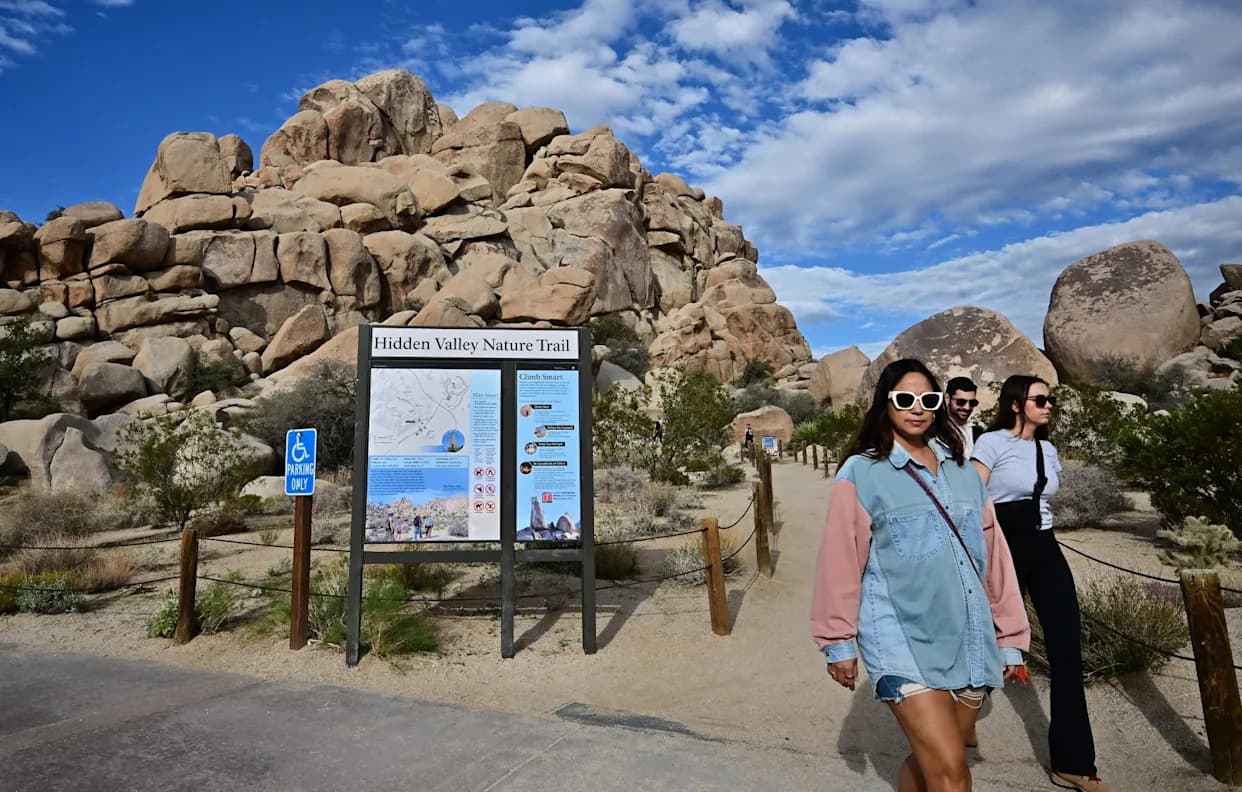
The surcharge applies to hotel stays, short-term rentals and other tourism-related transactions. State officials say the fee is intended to fund environmental protection and resilience projects across the islands, including land and aquatic conservation, climate and hazard resiliency, and sustainable tourism initiatives.
Legal Challenge And Temporary Injunction
The cruise-ship portion of the statute drew industry opposition and legal action. Cruise Lines International Association (CLIA) sued Hawaii in August, arguing the charge unfairly singles out cruise passengers and could add hundreds of dollars to the price of Hawaii cruises. A federal district court denied CLIA’s request for an injunction in December, but after an appeal the Ninth Circuit issued a temporary injunction on Dec. 31 halting enforcement of the cruise-ship charge while the appeals process continues.
Federal Government Steps In
In November the U.S. Department of Justice moved to intervene in the case, arguing that states lack authority to impose fees or taxes on vessels entering ports and that only Congress can authorize such charges tied to maritime commerce. That federal legal theory is central to the injunction granted by the Ninth Circuit.
"This case involves important questions about how federal and state laws interact in regulating maritime commerce — principles rooted in long-standing constitutional safeguards that protect free and open ports nationwide," a CLIA spokesperson said. "On behalf of its member cruise lines, CLIA will continue to pursue this matter constructively through the courts while working with Hawai‘i to support local communities and sustainable tourism."
State Response And Funding Goals
Supporters of the Green Fee, including Governor Josh Green (D), say the new revenue is needed to mitigate environmental impacts from tourism and to fund priority conservation and resilience projects. The state estimates the Green Fee will generate about $100 million a year, intended to help address roughly $500 million in identified environmental and infrastructure needs.
"We must protect and preserve Hawaiʻi’s natural resources and safeguard the health of our residents," Governor Green said. "Visitors who benefit from our island’s resources have a shared responsibility to help preserve them. The Green Fee ensures that the resources needed to protect Hawaiʻi are available for future generations."
Toni Schwartz, a spokesperson for the Hawaii attorney general’s office, said state officials expect the halted cruise provision to be reinstated after expedited appeals are heard: "We remain confident that Act 96 is lawful and will be vindicated when the expedited appeal is heard on the merits."
Current Status
As of now, the Green Fee is in effect for hotels, short-term rentals and other tourism transactions, but enforcement of the cruise-ship passenger charge is paused by the Ninth Circuit’s injunction. The case is on an accelerated appellate track; the final outcome will determine whether the cruise-ship surcharge can be applied in the future.
Help us improve.