The article examines the backlash in Minneapolis after the death of 37‑year‑old activist Renee Good following an encounter with an ICE agent, spotlighting concerns that federal immigration raids have become showy and may prioritize optics over targeting the most dangerous criminals. DHS reports roughly 2,400 immigration-related arrests in Minnesota since late November and about 2,000 federal agents operating in Minneapolis. Six federal prosecutors resigned amid DOJ decisions tied to the Good case, disrupting fraud investigations that largely involve U.S. citizens of Somali origin. The piece also summarizes related national developments, including a lawsuit over youth solitary confinement in New York and improved five-year cancer survival rates.
Minneapolis Under Federal Spotlight: ICE Raids, Prosecutor Resignations, and Political Fallout
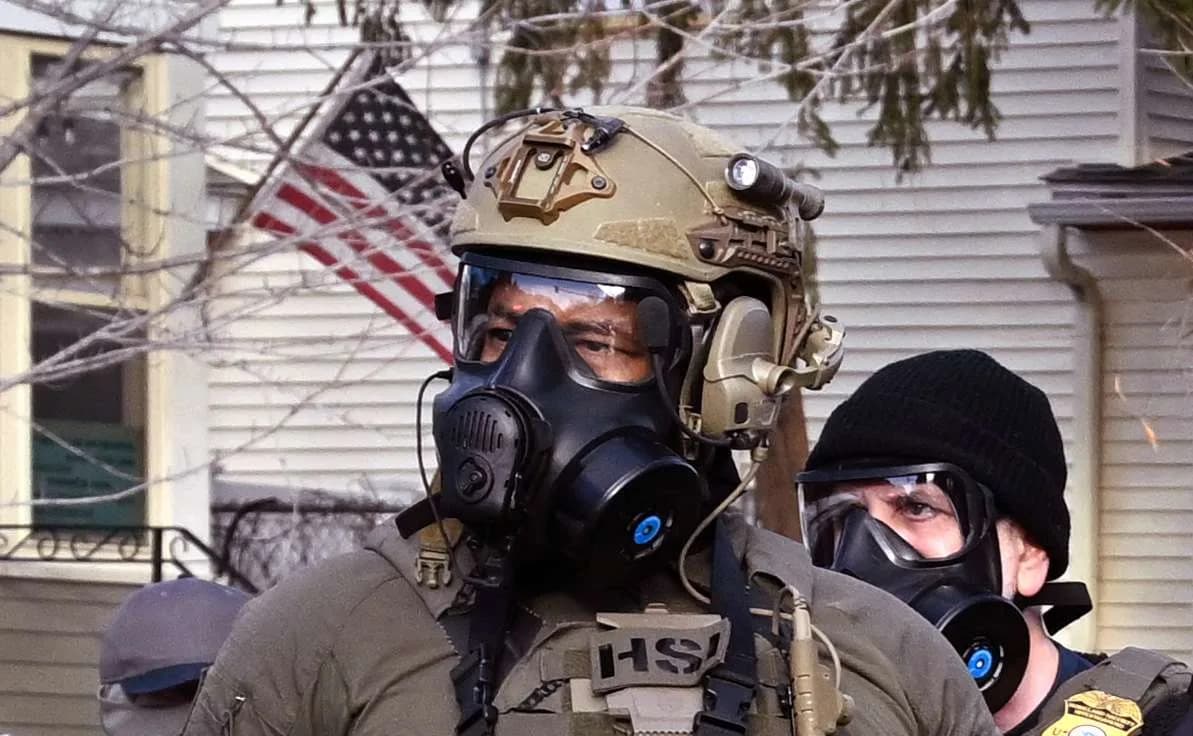
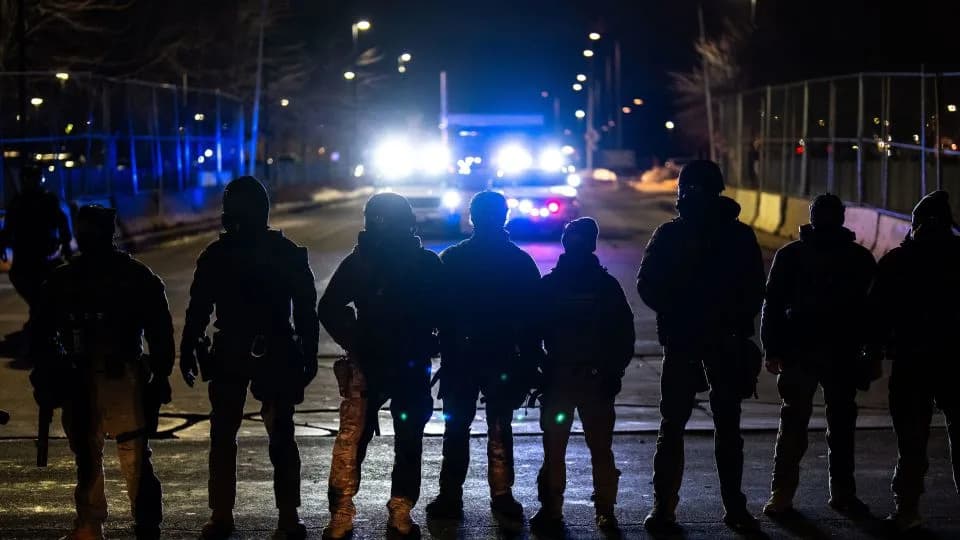
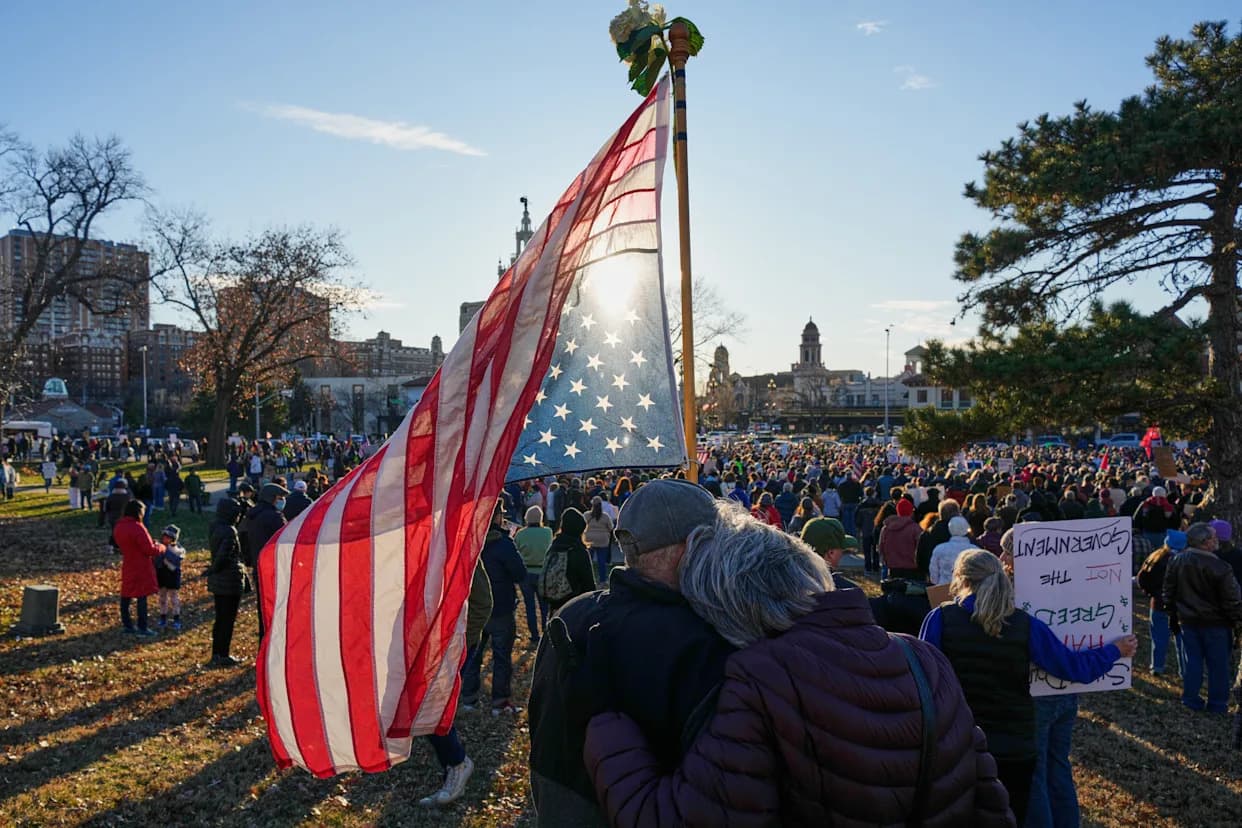
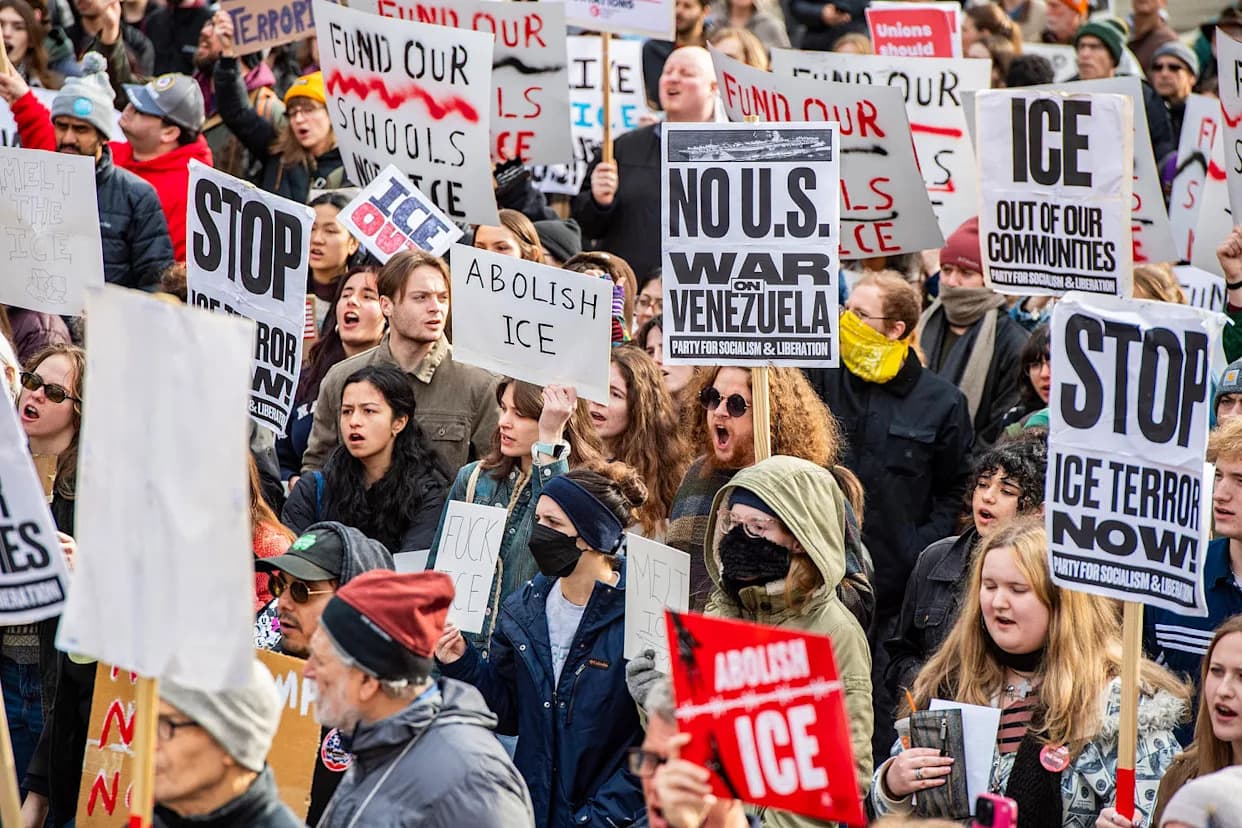
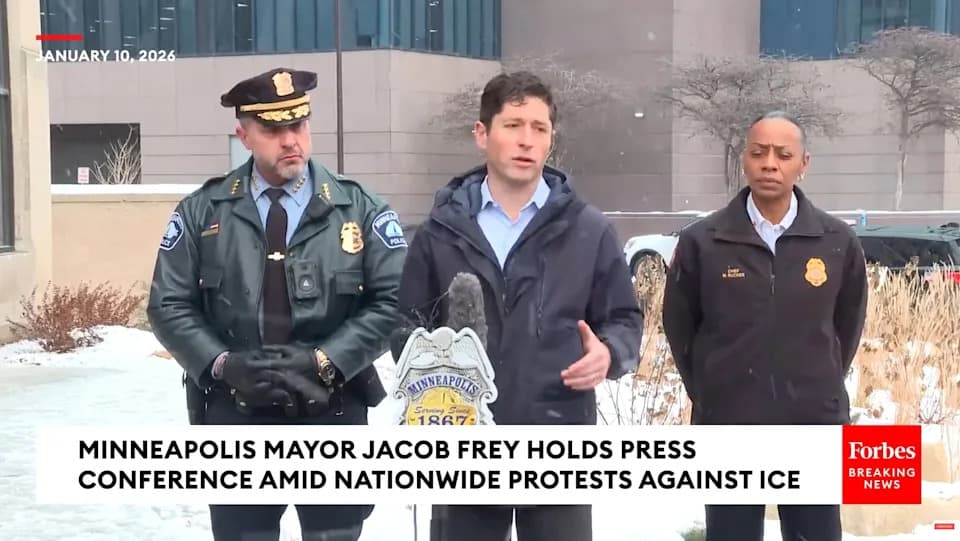
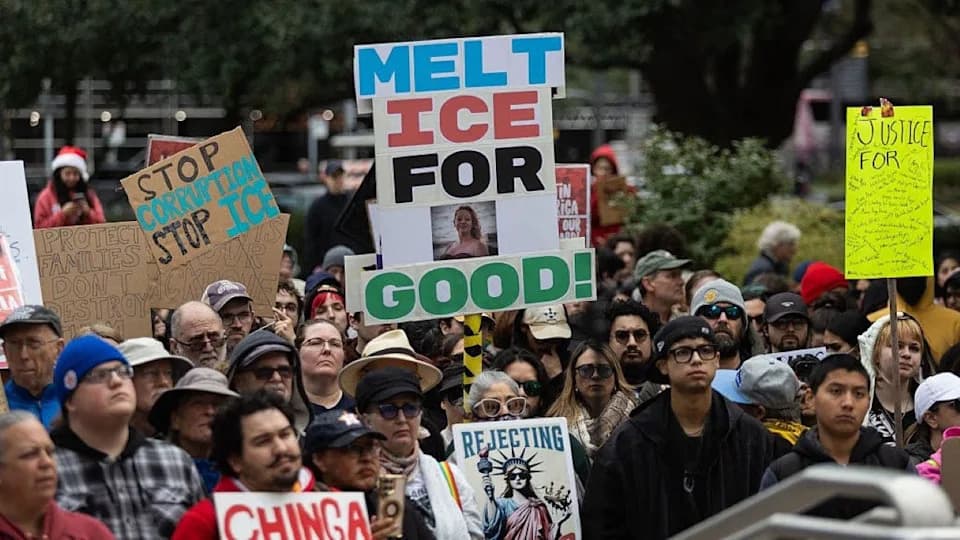
In Minneapolis, tensions have spiked after the death of 37-year-old community activist Renee Good following an encounter with an Immigration and Customs Enforcement (ICE) agent. The incident has intensified scrutiny of recent federal immigration operations across the city, where residents and elected officials say the tactics feel aggressive and performative.
ICE Operations and Community Response
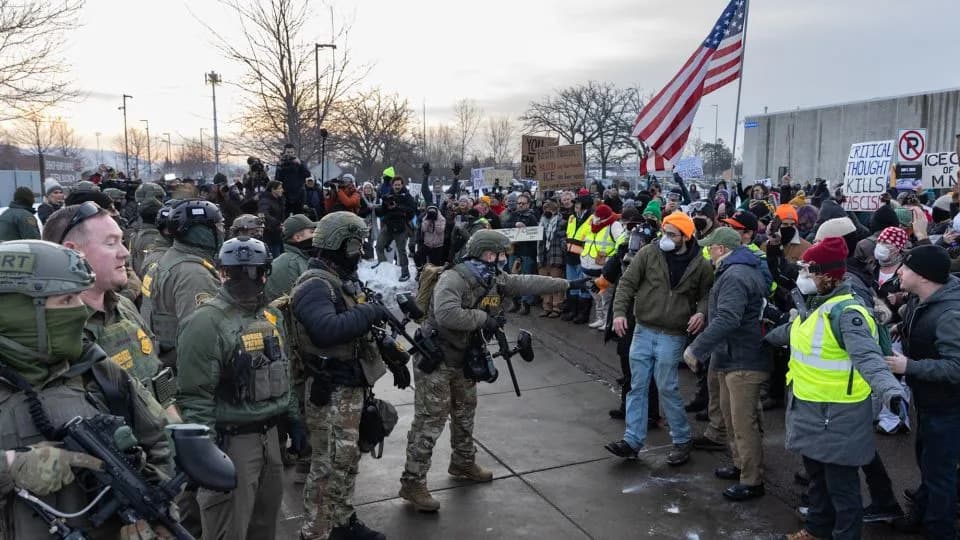
Local leaders describe a community on edge. "It feels like our community is under siege by our own federal government," state Representative Michael Howard (D–Richfield) told The New York Times. Video circulated online showed ICE officers confronting Target employees who identified themselves as U.S. citizens; the employees were reportedly released. A Department of Homeland Security (DHS) spokesperson said the workers were believed to have been "assaulting, resisting, or impeding federal officers."
DHS officials report roughly 2,400 immigration-related arrests in Minnesota since late November and local reporting says about 2,000 federal agents have been active in the Minneapolis area. Critics question how many of those arrests target the most serious criminal suspects and whether the agency is emphasizing headline-making operations over targeted enforcement.
"Driving around in 'wrapped' vehicles not only blows their cover; it potentially makes them a target for protesters," wrote Nick Miroff for The Atlantic, describing internal agency concerns about conspicuous operations. He also reported that DHS leadership has pushed for more high-visibility actions in Democratic-run cities—moves that critics call political or performative.
Political And Legal Fallout
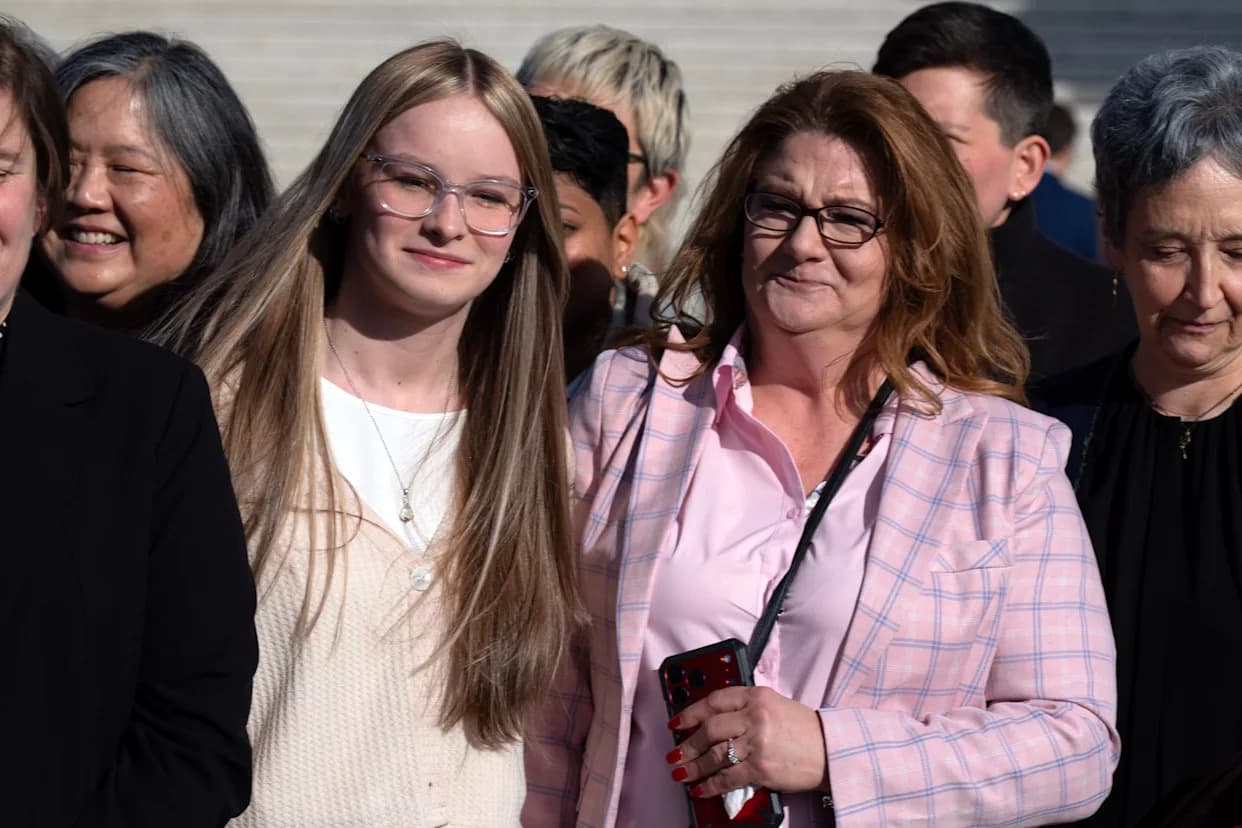
The Good case has produced immediate consequences in Minnesota's federal legal community: six federal prosecutors resigned in protest over the Justice Department’s decision to investigate Becca Good, Renee Good’s wife, and the department’s refusal to open an inquiry into the ICE agent involved in Renee Good’s death. Minneapolis Police Chief Brian O'Hara warned that the departures have hampered investigations into alleged fraud against state agencies—cases the administration cited as a rationale for intensified immigration enforcement. Reporting indicates many defendants in those fraud cases are U.S. citizens of Somali origin.
Observers and some federal employees say ICE is shifting tactics and messaging. According to reporting, the agency plans to increase the number of deportation officers on U.S. streets and has used flashy recruitment materials—wrapped vehicles, music-driven videos, a "Join ICE" website and retro-style posters—to appeal to new hires and supporters. Critics argue this approach risks politicizing enforcement and prioritizing spectacle over precision.
National Context And Other Developments
Beyond Minneapolis, several unrelated but notable stories surfaced this week. A federal lawsuit in New York alleges that the state is using solitary confinement for incarcerated youth up to age 21, sometimes for minor infractions or behaviors tied to disabilities. In consumer news, Mattel introduced an "autistic Barbie," sparking discussion about representation. Health reporting highlighted an American Cancer Society finding that seven out of ten people diagnosed with cancer between 2015 and 2021 survived at least five years—an encouraging improvement in survival rates for several cancers. The week also included the death of cartoonist Scott Adams, creator of Dilbert, which prompted personal recollections and debate in obituaries.
Why This Matters
The Minneapolis developments illustrate broader tensions over how immigration enforcement is carried out, who sets priorities, and how political considerations shape federal operations on the ground. The resignations of federal prosecutors and the reported deployment of large numbers of agents underscore the legal and civic consequences of those choices for communities and ongoing investigations.
Sources: Reporting from The New York Times, The Atlantic, Bloomberg, and other outlets cited in original coverage.
Help us improve.