The Supreme Court will decide whether geofence or "dragnet" warrants—requests for location data for all devices in a specified area and time—violate the Fourth Amendment. The case arises from Okello Chatrie’s 2019 armed robbery conviction after police obtained device location data from Google. Federal appeals courts are split on the issue, and the Court’s ruling could reshape how law enforcement uses digital location records. Oral argument is expected later this year.
Supreme Court To Decide Whether Geofence “Dragnet” Warrants Violate The Fourth Amendment
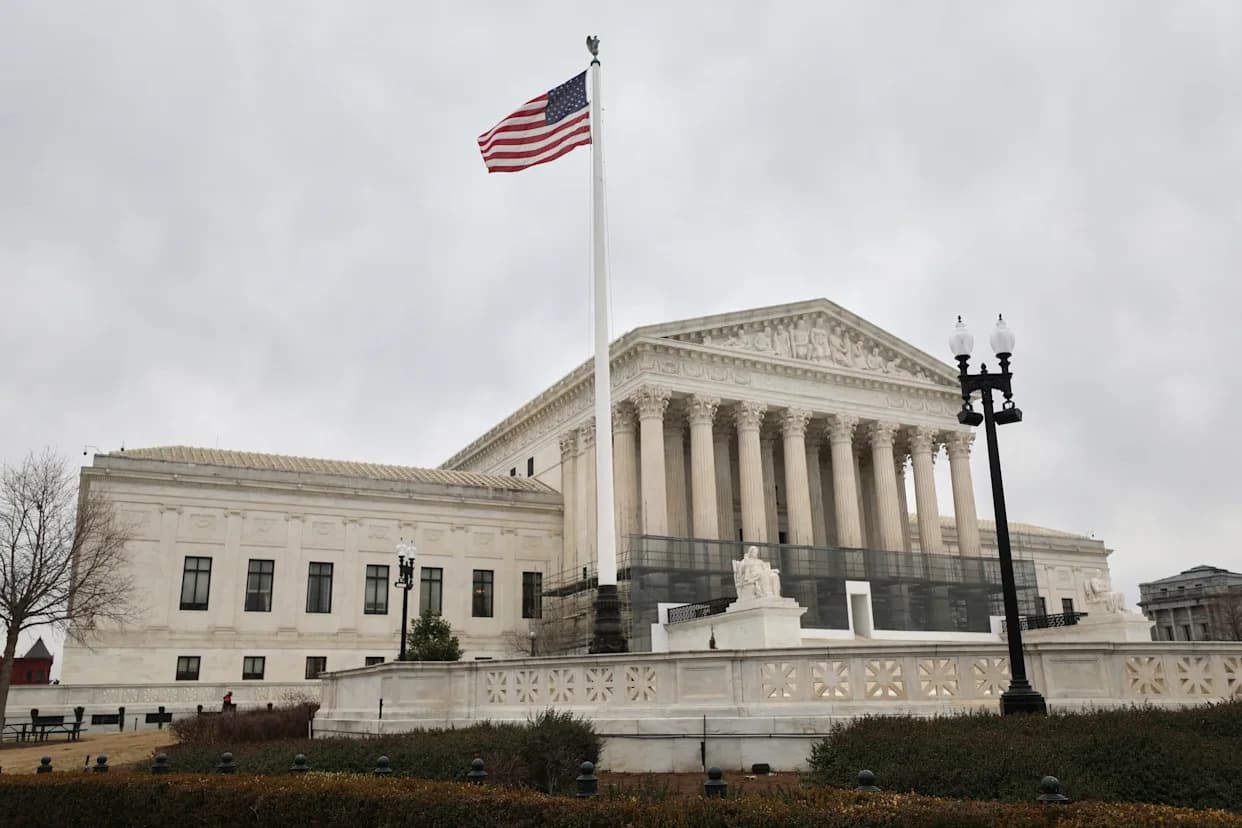
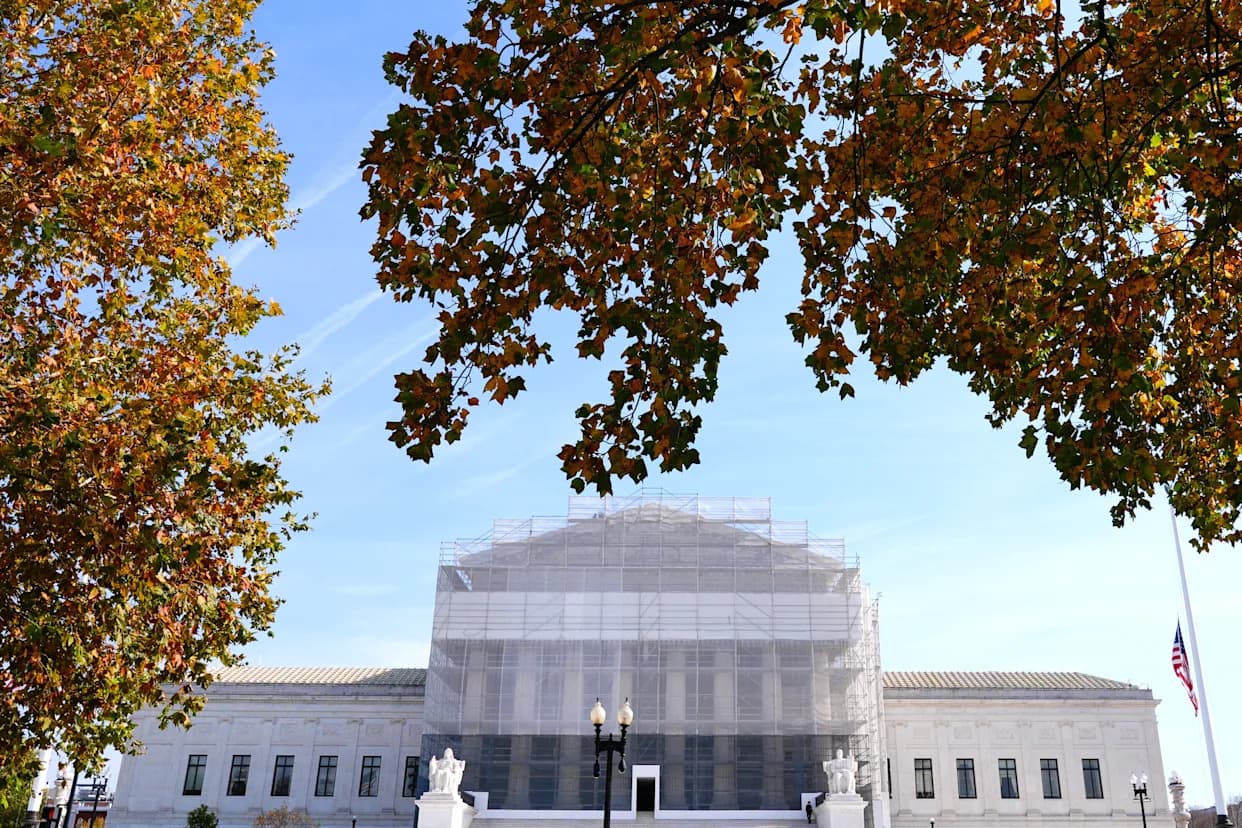
The Supreme Court has agreed to decide whether broad search warrants—commonly called geofence or "dragnet" warrants—that collect location data for all devices in a defined place and time violate the Fourth Amendment.
The case centers on Okello Chatrie, a Virginia man whose 2019 armed robbery conviction relied in part on location data obtained after detectives served a warrant on Google seeking information about devices near the targeted credit union branch. Investigators used those results to narrow potential suspects and ultimately identify Chatrie.
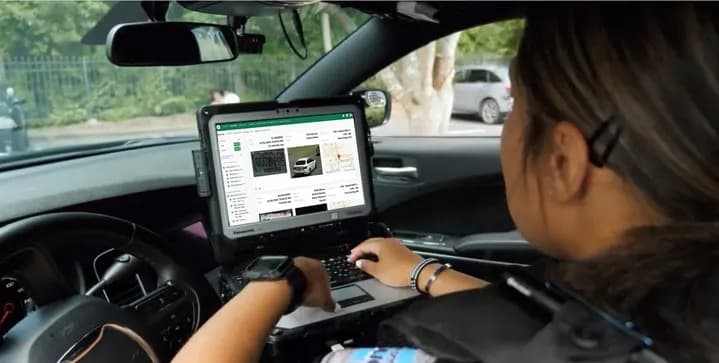
What Is a Geofence Warrant? When law enforcement obtains a geofence warrant, it asks companies that store location information—such as Google—for records of devices that were within a specified geographic area and time window. Although warrants can be tailored to a particular date, time and place, the requests often return data on dozens, hundreds or even thousands of devices, raising concerns that large numbers of innocent people will be swept into criminal investigations.
Why the Supreme Court Is Involved Federal appeals courts have reached sharply different conclusions about the constitutionality of geofence warrants. In 2024 the U.S. Court of Appeals for the Fifth Circuit said such warrants are inherently unconstitutional, but applied the good-faith exception to uphold a conviction in that case. By contrast, last year the Fourth Circuit upheld the warrant used in Chatrie’s case. The split among circuit courts made Supreme Court review likely.
Arguments and Context The Justice Department urged the high court not to take the case, arguing investigators acted reasonably and that Google’s 2023 changes to how it stores location data may reduce future disputes. Civil liberties groups counter that geofence warrants permit overly broad, suspicionless searches that threaten privacy on a mass scale.
The debate echoes earlier location-privacy rulings: in 2018 the Supreme Court in Carpenter v. United States held that law enforcement generally needs a warrant to obtain historical cell-site location information—but that case addressed less precise tower-based data, not the pinpoint device-level coordinates often produced by modern location services.
Notable Example The technique drew wide attention after the January 6, 2021, attack on the U.S. Capitol, when federal authorities used a geofence to collect cellphone location data for people who entered a restricted perimeter. That sweep initially included lawmakers, staffers, officers and journalists before investigators narrowed the results; several defendants challenged the evidence but many appeals were mooted by presidential pardons.
Chatrie pleaded guilty but was allowed to preserve his challenge to the cellphone-location evidence; he is serving nearly a 12-year sentence. The Supreme Court is expected to schedule oral argument later this year, and its decision could set a major precedent shaping law enforcement access to digital location records and Americans’ privacy expectations.
Help us improve.