A forensic scientist warned that smartphones effectively act as "crime scenes" because they record extensive, recoverable data. In 2025, cellphone records, GPS pings, metadata and deleted messages played key roles in major cases — including the University of Idaho killings and Brian Walshe's conviction. Prosecutors relied on time-stamped digital traces to place suspects near crime scenes and to surface incriminating searches, underscoring privacy and investigative implications.
How Cellphone Data Became the Deciding Evidence in 2025’s Biggest Criminal Trials

Clients charge their phones at the Miracle City Empowerment Center on Thursday, Nov. 2, 2023, in Conroe, Texas.
Smartphones are no longer just personal devices — forensic experts say they have become literal "crime scenes" carried in people’s pockets. In 2025 several high-profile prosecutions relied heavily on cellphone records, GPS pings, search histories and other digital traces that would have been unavailable to investigators a decade ago.
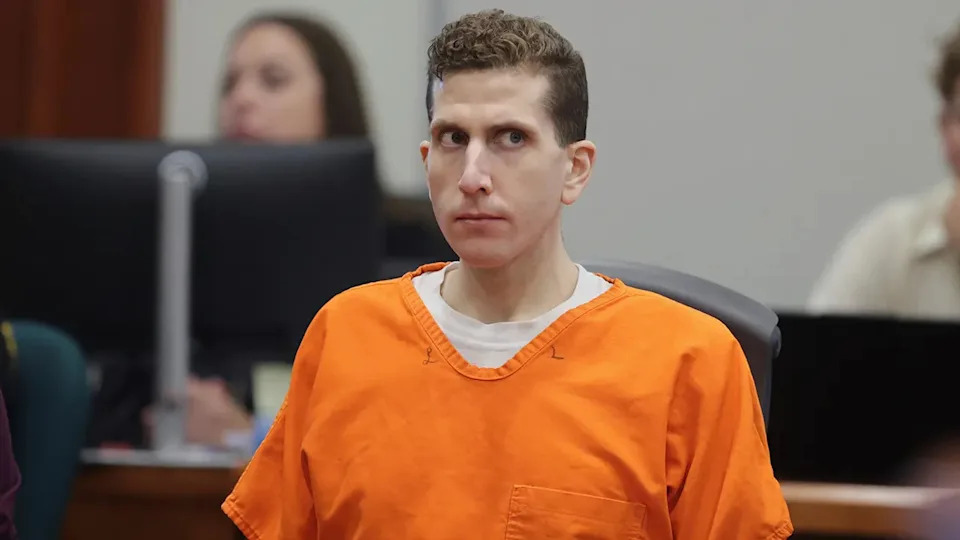
Bryan Kohberger appears at the Ada County Courthouse for his sentencing hearing, Wednesday, July 23, 2025, in Boise, Idaho, for brutally stabbing four University of Idaho students to death.
Phones as a 'Crime Scene in Your Pocket'
"We're so married to it that people cannot see themselves absent this thing. They're gonna hold onto it, even if it means that it's gonna bring them down because so much data is captured on there," said Joseph Scott Morgan, a forensic scientist and professor at Jacksonville State University. "People... are carrying a crime scene in their pocket wherever they go."
Morgan and other digital forensics specialists emphasize that modern phones store a wide range of recoverable evidence: search histories, app metadata, deleted messages, GPS logs, time stamps and other "digital breadcrumbs" that investigators can analyze to reconstruct movements, contacts and intent. Because many entries are time-stamped, phone records can corroborate or contradict alibis.
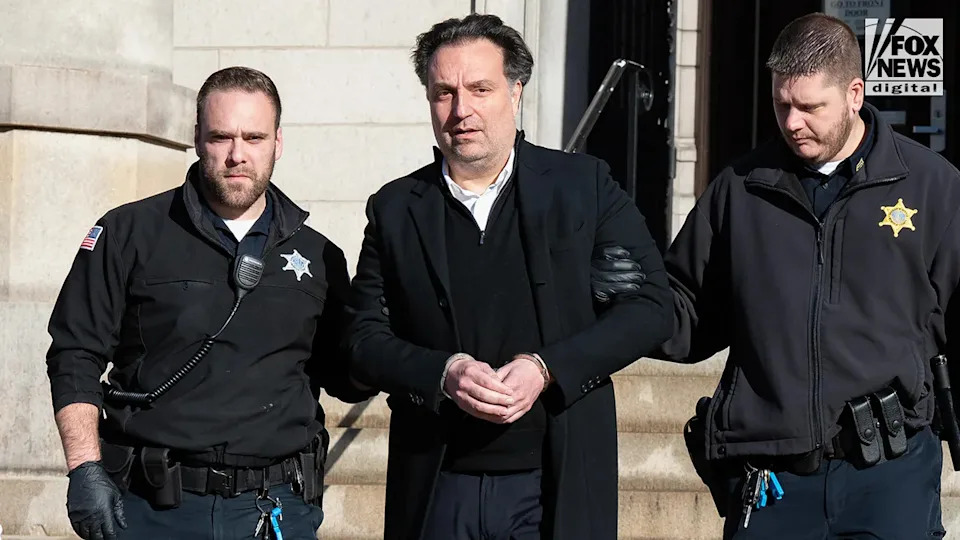
Brian Walshe leaves court after sentencing at Norfolk Superior Court in Dedham, Mass., Thursday, Dec. 18, 2025. Walshe was sentenced to life without parole for the murder of his wife, Ana Walshe.
University of Idaho Murders
Bryan Kohberger pleaded guilty to the Nov. 13, 2022, murders of four University of Idaho students: Xana Kernodle (20), Kaylee Goncalves (21), Madison Mogen (21) and Ethan Chapin (20). Reporting by NBC's Dateline cited FBI cellphone-tower data that reportedly showed Kohberger's phone connecting to a tower covering the area around 1122 King Road — the location where the students were killed. The data allegedly placed Kohberger within roughly 100 meters of the house on multiple occasions, including late-night visits beginning in July 2022 and continuing into November.
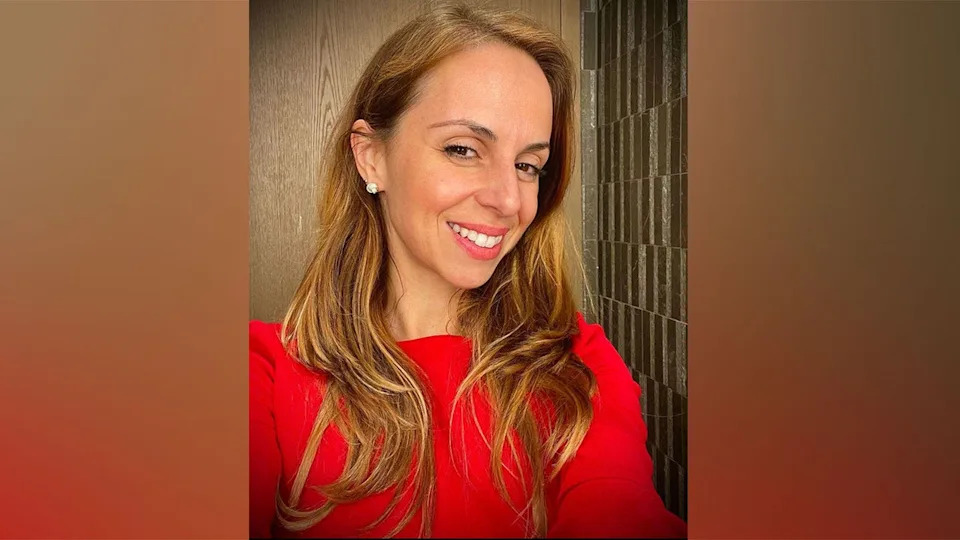
Ana Walshe pictured in a May 2022 Instagram post.
Brian Walshe Case
Brian Walshe was sentenced on Dec. 18 to life in prison plus an additional 22-year term after his conviction in the killing and dismemberment of his wife, Ana, who disappeared on New Year's Day 2023. Massachusetts State Trooper and digital-forensics specialist Nicholas Guarino testified that investigators recovered incriminating web searches from Walshe's devices. Reported queries included:
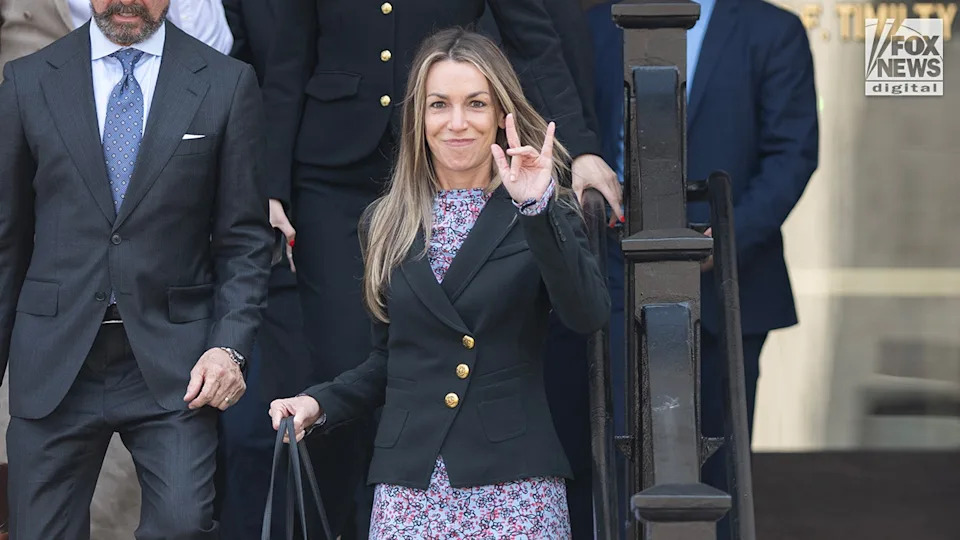
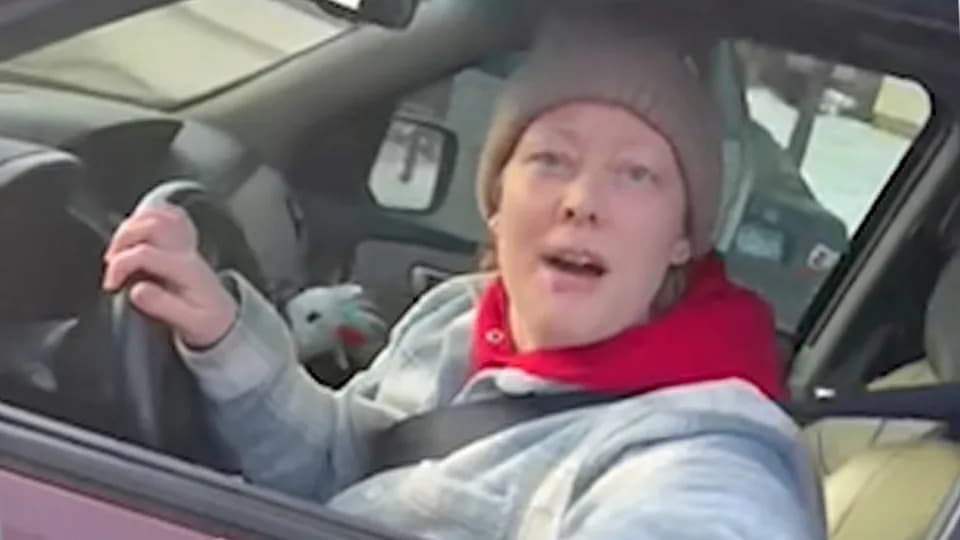
Karen Read outside of Norfolk County Superior Court, Friday, June 13, 2025, in Dedham, Mass.
- "Best ways to dispose of body parts after murder"
- "How long does DNA last?"
- "Is it possible to clean DNA off a knife?"
- "How long someone missing until inheritance"
Court records show Ana Walshe named Brian as the beneficiary of a $2.7 million life insurance policy, and that Brian owed nearly $500,000 in restitution related to a federal case.
Karen Read Trial
In a separate case, Karen Read was acquitted of second-degree murder after the death of her boyfriend, Boston Police Officer John O'Keefe. Prosecutors alleged Read rammed O'Keefe with her vehicle and left him in a snowstorm following a drunken argument. During the trial, witness Jennifer McCabe admitted searching online for phrases such as "hos long to die in cold" and said Read had instructed her to look up information about hypothermia. Another friend, Kerry Roberts, testified she did not hear Read make that request.
What This Means for Privacy and Investigations
These cases illustrate how everyday digital activity can become central courtroom evidence. For defense and prosecution alike, cellphone-derived data offers precise, time-stamped records that can confirm movements, reveal intent and uncover deleted or concealed communications. The trend raises broader questions about privacy, device security and what users may unknowingly carry with them when they leave home.
Practical takeaway: Consider reviewing privacy settings, using strong device security (passcodes, biometrics, encryption), and being mindful that searches, location services and app data can leave recoverable traces investigators may later use.
Help us improve.