Justice Brett Kavanaugh’s concurrences in two recent emergency Supreme Court orders suggest a shift in emphasis. In September he accepted — and reassured the public about — stops based in part on "apparent ethnicity," saying questioning of legally present individuals would be brief. On December 23 he explicitly reiterated Fourth Amendment limits: stops require reasonable suspicion, arrests need probable cause, and race- or ethnicity-based interior stops are forbidden. The December opinion omits any reference to September, prompting questions about whether Kavanaugh is quietly softening his earlier stance.
Did Justice Kavanaugh Softly Retract His Stance on Fourth Amendment Stops? Maybe.
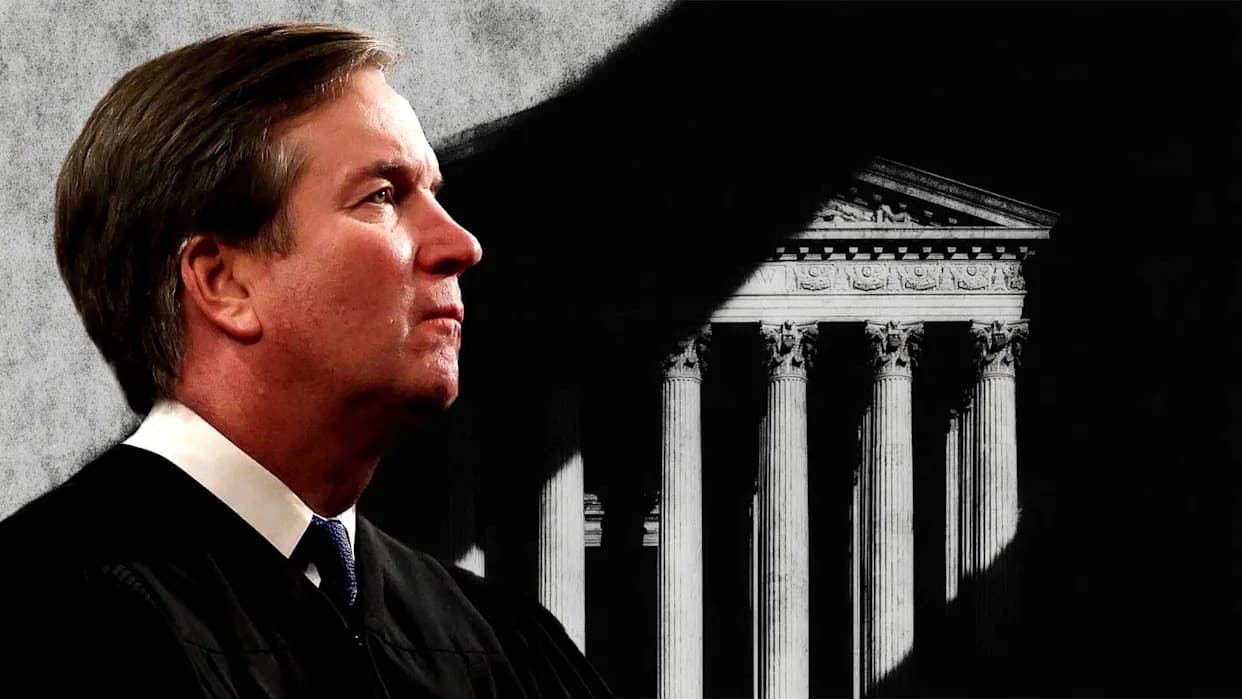
Did Brett Kavanaugh Just Apologize for Butchering the Fourth Amendment? Maybe.
Happy New Year — and welcome to the latest edition of the Injustice System newsletter. We have a legal puzzle to unpack involving two recent Supreme Court emergency orders and a possible shift in Justice Brett Kavanaugh’s approach to immigration stops and Fourth Amendment protections.
Two Opinions, One Justice
In September, the Supreme Court issued an unsigned emergency order in the context of the Trump administration’s roving immigration enforcement. In a short concurrence, Justice Kavanaugh described it as "common sense" to allow immigration agents to consider "relevant factors" such as a person's "apparent ethnicity" when making stops.
"As for stops of those individuals who are legally in the country, the questioning in those circumstances is typically brief, and those individuals may promptly go free after making clear to the immigration officers that they are U.S. citizens or otherwise legally in the United States." — Kavanaugh (September)
That passage drew immediate concern from civil liberties observers: how do stops keyed to "apparent ethnicity" square with the Fourth Amendment’s protection against unreasonable searches and seizures regardless of skin color? Kavanaugh’s reassurance that questioning would be short and that citizens would "promptly go free" implied a practical tolerance for brief, ethnicity-influenced stops.
The December Shift
On December 23, the Court issued another unsigned emergency order in a separate immigration case. This time Kavanaugh authored a concurrence that framed the constitutional baseline more forcefully:
"The Fourth Amendment requires that immigration stops must be based on reasonable suspicion of illegal presence, stops must be brief, arrests must be based on probable cause, and officers must not employ excessive force. Moreover, the officers must not make interior immigration stops or arrests based on race or ethnicity." — Kavanaugh (Dec. 23)
Notice the change in tone and emphasis. Where the September passage offered practical reassurance about brief questioning, the December opinion sets out explicit commands: stops require reasonable suspicion, arrests require probable cause, and race- or ethnicity-based interior stops are prohibited.
What To Make Of The Difference?
Kavanaugh’s December concurrence does not mention his September comments. That omission invites several plausible readings: he may be quietly walking back the earlier language without an explicit correction; he may be clarifying the constitutional rules to ensure lower-level officers understand their limits; or he may be attempting a subtle course correction that avoids an explicit mea culpa.
Whatever his motive, the shift matters. The December opinion reinforces traditional Fourth Amendment safeguards and makes clear that interior immigration stops cannot be justified by race or ethnicity alone — a point that addresses the most serious civil liberties objections to the earlier language.
Why This Matters
Immigration enforcement policies that allow agents to rely on "apparent ethnicity" risk sweeping in U.S. citizens and residents and disproportionately affect people of color. A Justice’s framing of constitutional limits — whether by reassurance or by explicit command — shapes how officers act and how courts review those actions. Kavanaugh’s later emphasis on constitutional guardrails is therefore significant, even if it leaves unanswered whether he now regards his earlier phrasing as a misstep.
Readers should watch for future opinions or statements that either reconcile the two passages or explain the apparent change in approach.
Note: This article summarizes the language of two concurrences and the possible interpretations; it does not offer a definitive account of Justice Kavanaugh’s intentions.
Help us improve.