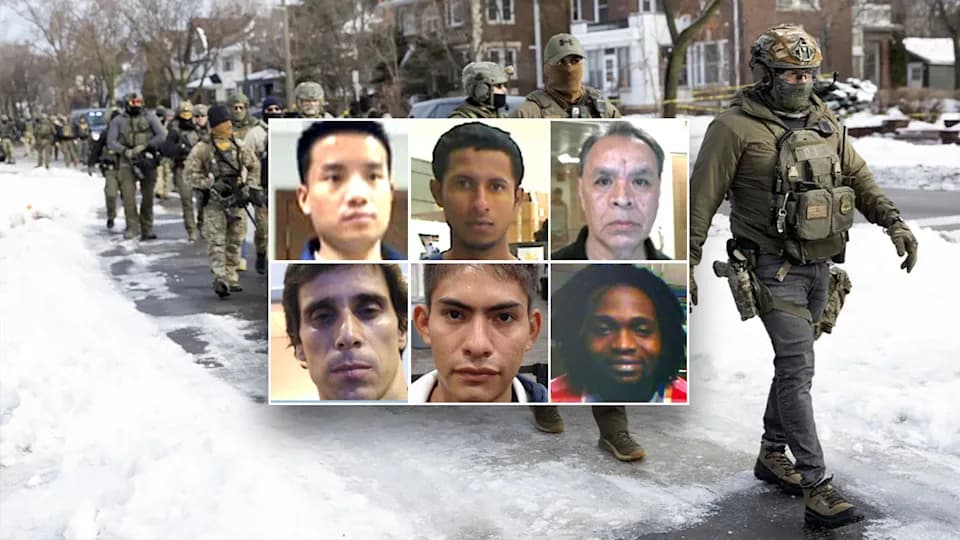
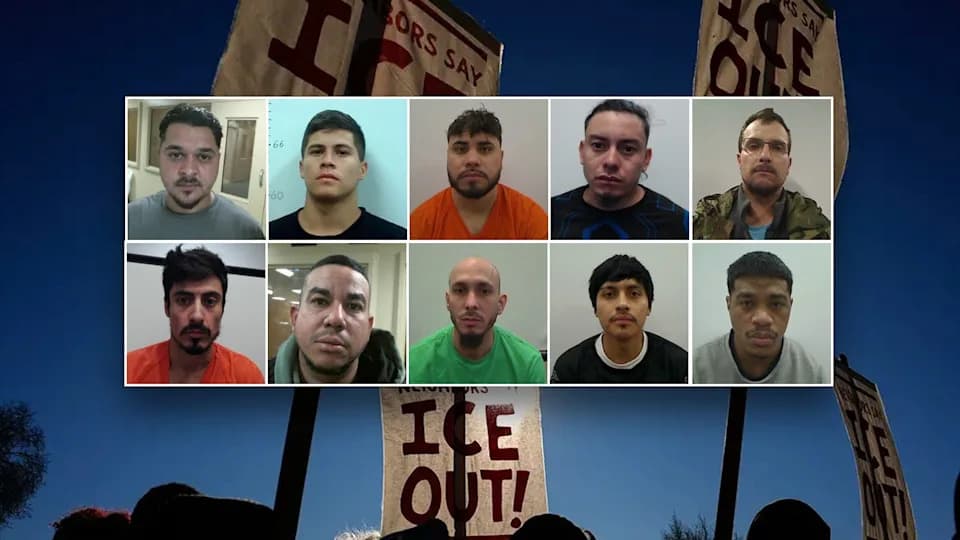
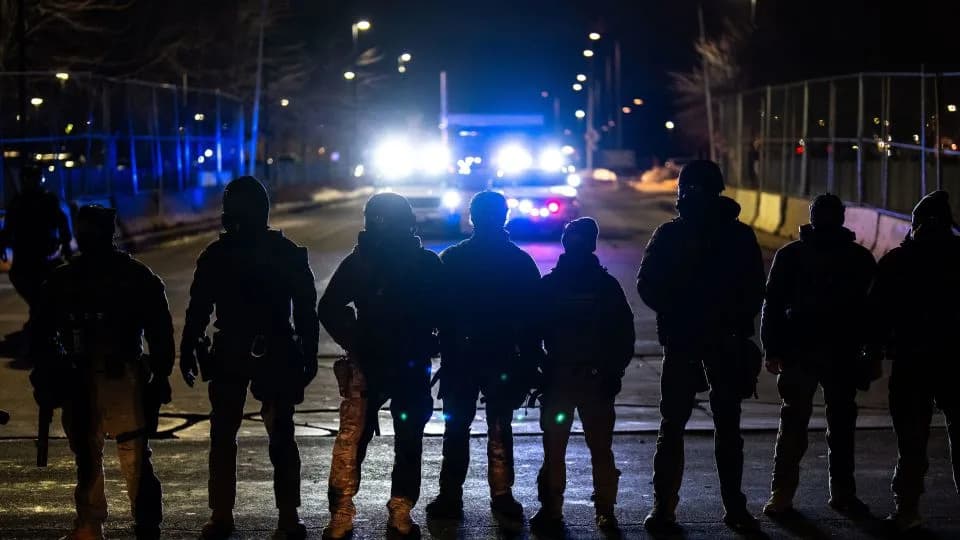
A federal judge ordered the release of Liberian national Garrison Gibson after finding immigration agents forcibly entered his Minneapolis home without a judicial warrant, violating his Fourth Amendment rights. Gibson’s attorney filed a habeas corpus petition arguing the detention was unlawful; the judge also found officials failed to follow supervision‑revocation procedures. DHS says it has conducted an expanded enforcement operation in Minnesota with more than 2,500 arrests since Nov. 29. The raid—conducted while Gibson’s wife and 9‑year‑old child were home—comes amid heightened tensions in the Twin Cities following recent violent encounters with immigration agents.
Judge Orders Release Of Liberian Man After Battering‑Ram Raid, Citing Fourth Amendment Violation
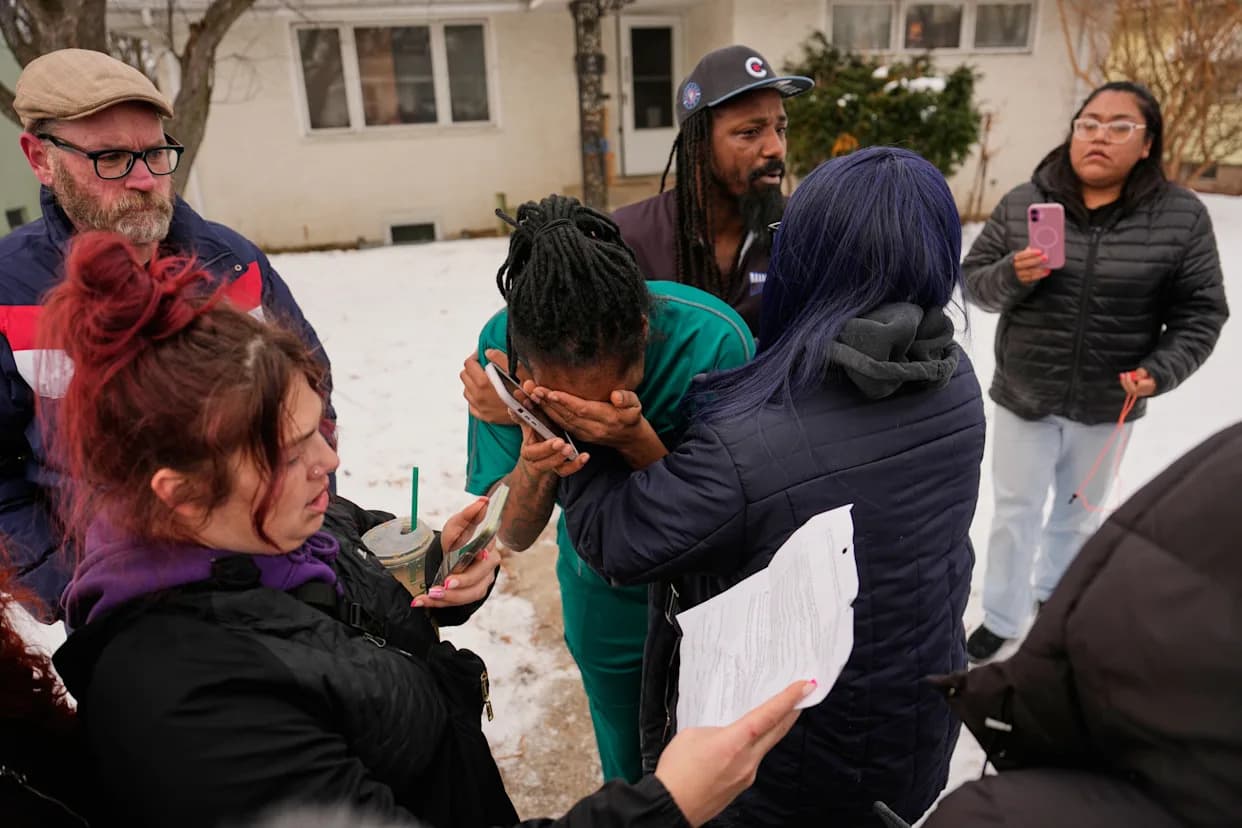
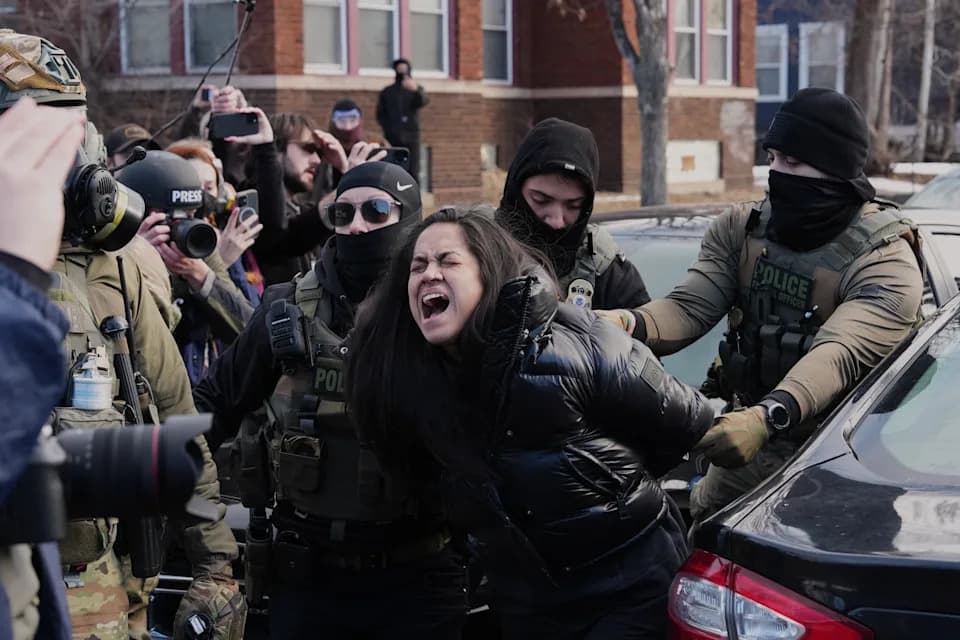
A family member, center, reacts after federal immigration officers make an arrest Sunday, Jan. 11, 2026, in Minneapolis. (AP Photo/John Locher)(ASSOCIATED PRESS)
A federal judge in Minnesota has ordered the release of Liberian national Garrison Gibson after finding that immigration agents violated his Fourth Amendment rights by forcing entry into his Minneapolis home without a judicial warrant. Gibson was arrested four days earlier when heavily armed agents used a battering ram to enter the residence while his wife and their 9‑year‑old child were inside.
Incident And Arrest
According to court filings and the judge's ruling, federal immigration officers forcibly entered Gibson’s home without his consent or a judicial warrant and took him into custody. Gibson, 37, was later held at an immigration detention center in Albert Lea after being housed temporarily at a large facility on Fort Bliss Army base near El Paso, Texas.
"To arrest him, Respondents forcibly entered Garrison G.’s home without his consent and without a judicial warrant," U.S. District Judge Jeffrey Bryan wrote in his order.
Legal Challenge
Gibson’s attorney, Marc Prokosch, filed a habeas corpus petition arguing that the arrest was unlawful and described the entry as a "blatant constitutional violation" because the agents lacked a proper warrant. Judge Bryan agreed that Gibson’s Fourth Amendment protections were violated and found officials failed to comply with applicable regulations tied to an existing order of supervision—specifically, failing to give adequate notice that the supervision had been revoked and not offering an immediate interview following detention.
Background And Records
Gibson, who fled Liberia's civil war as a child, had previously been ordered removed from the United States, apparently tied to a 2008 drug conviction that court records indicate was later dismissed. He remained in the U.S. under an order of supervision that required periodic check‑ins with immigration authorities; he had checked in at regional immigration offices days before the raid.
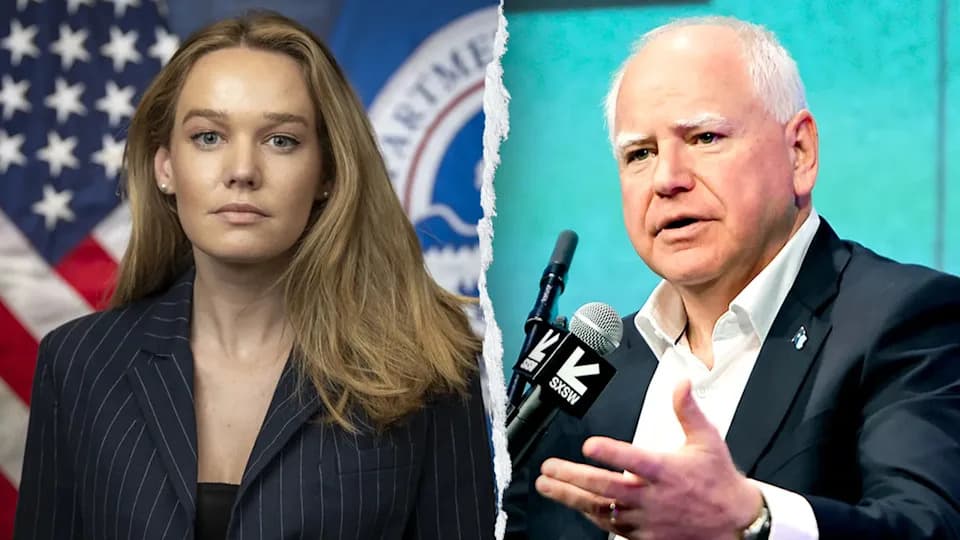
Homeland Security spokesperson Tricia McLaughlin said Gibson had "a lengthy rap sheet (that) includes robbery, drug possession with intent to sell, possession of a deadly weapon, malicious destruction and theft," but did not specify whether those entries are arrests, charges, or convictions. Public court records reviewed by reporters show one felony in 2008 plus a handful of minor arrests and traffic violations.
Wider Context
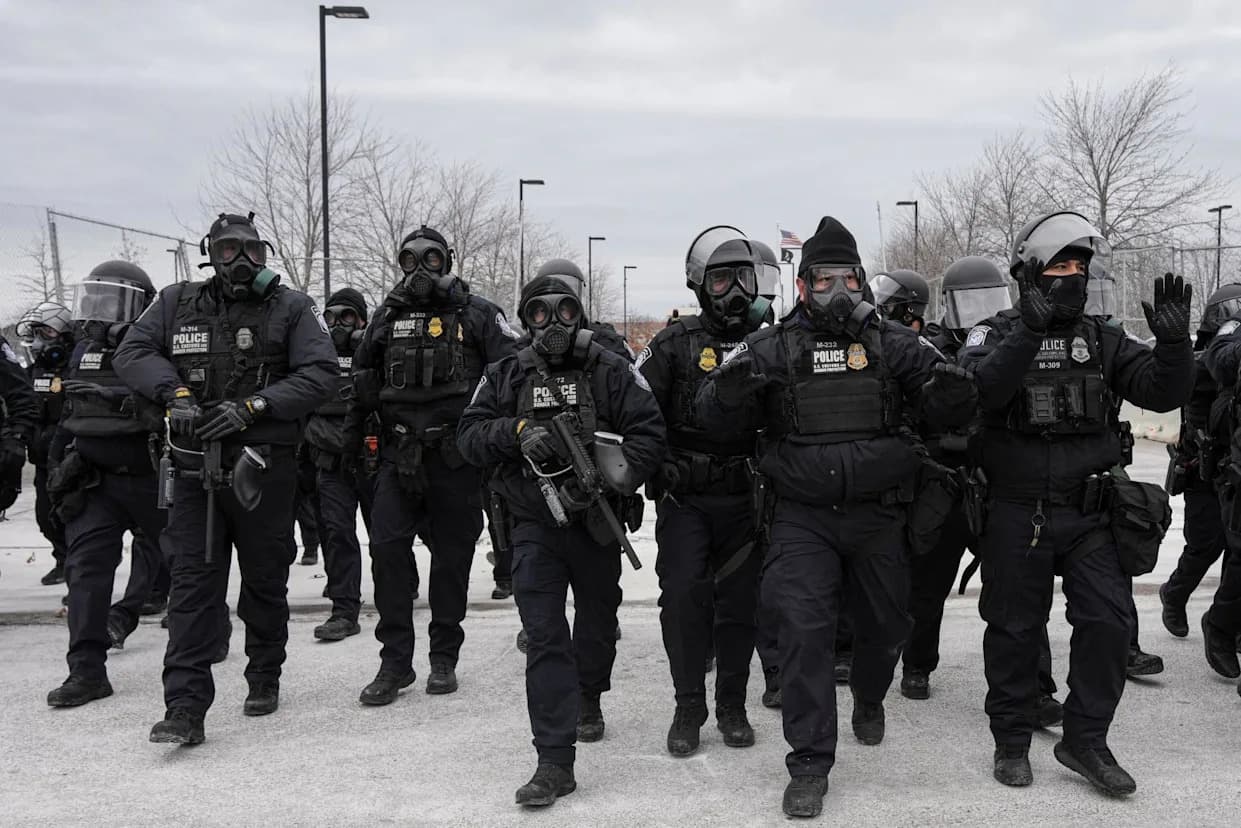
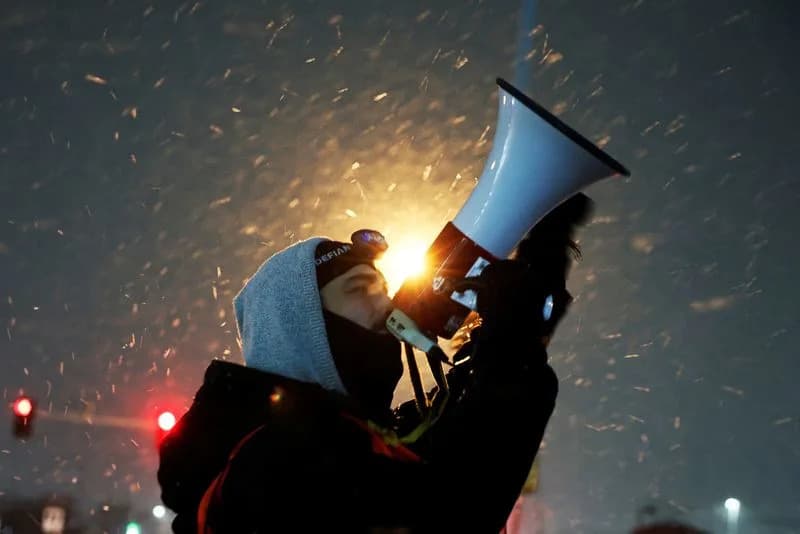
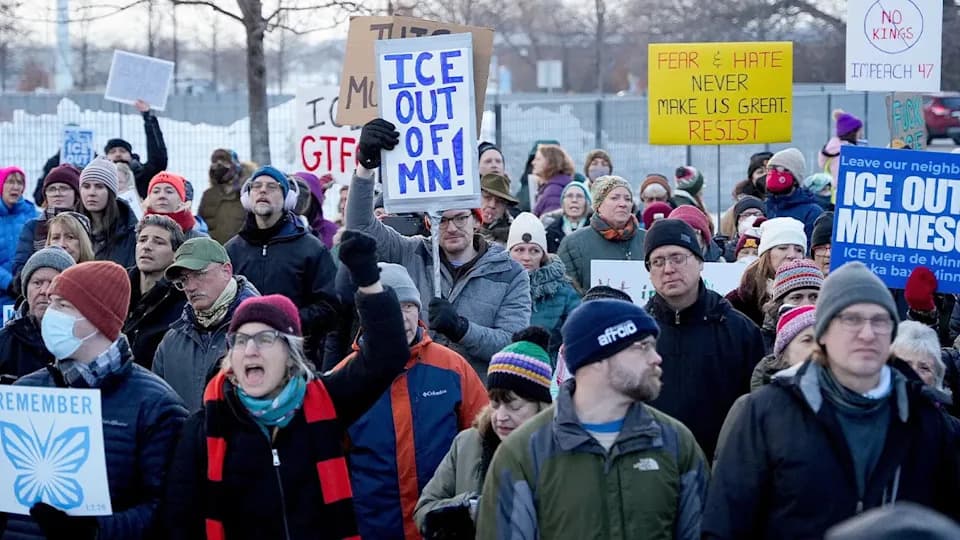
The Department of Homeland Security has said it intensified enforcement in Minnesota as part of its largest operation, reporting more than 2,500 arrests since Nov. 29. The enforcement actions have heightened tensions in the Twin Cities, where a confrontation with agents on Jan. 7 left Renee Good dead and a separate altercation earlier this week resulted in a man being wounded after an immigration officer was attacked.
What Comes Next
The judge’s order requires Gibson’s release, and the ruling highlights procedural and constitutional concerns about how immigration enforcement was carried out in this case. DHS has not provided an immediate detailed response to requests for comment on the order or on Gibson’s case. The case may prompt closer scrutiny of warrantless entries and the procedures used when revoking orders of supervision.
Note: The judge’s written order and related court filings provide the factual and legal basis for the release; this article reflects information available from those filings, statements from counsel, DHS comments, and publicly accessible detention records.
Help us improve.