The Supreme Court will review Cisco Systems’ appeal of a lawsuit alleging its technology helped Chinese authorities persecute Falun Gong practitioners. At issue is whether a U.S. company can be held liable under the Alien Tort Statute and the Torture Victim Protection Act. Leaked 2008 documents and a 2011 lawsuit are central to the dispute; the court will hear arguments in spring and is expected to rule by early summer.
Supreme Court Agrees To Hear Cisco Appeal In Falun Gong Surveillance Lawsuit
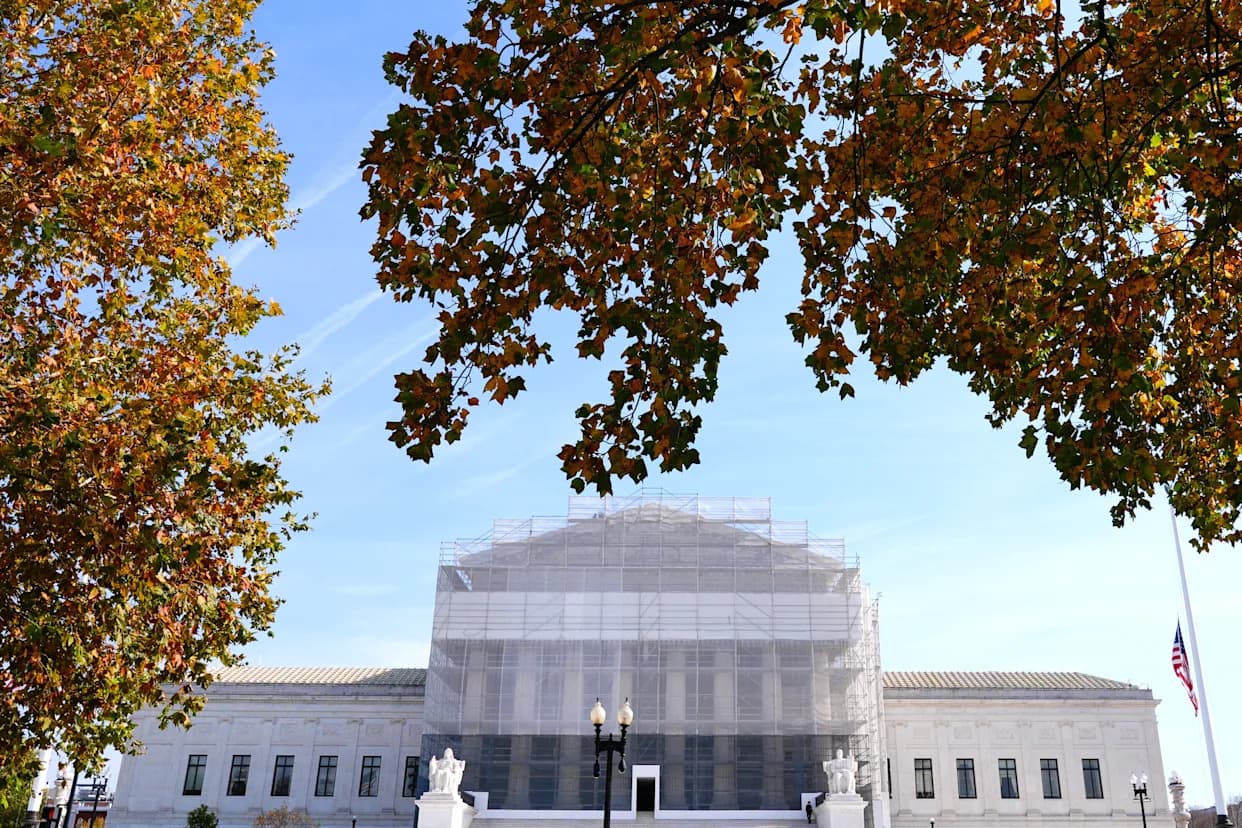
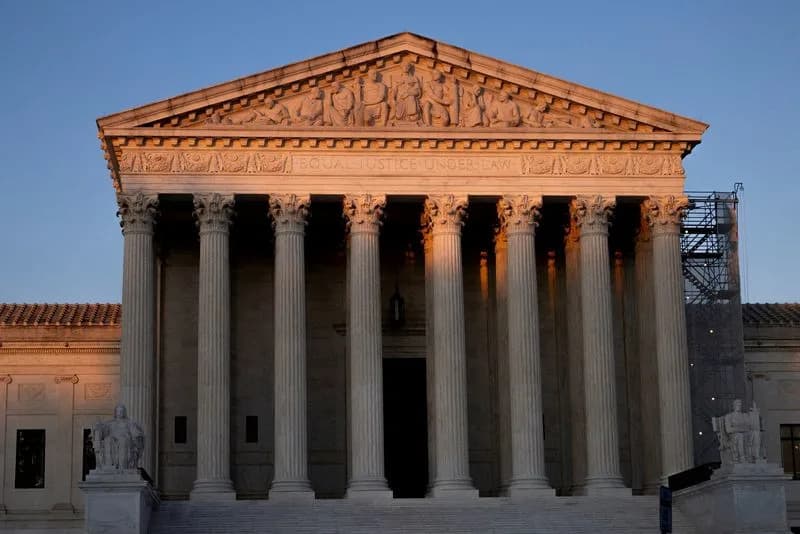
FILE - The U.S. Supreme Court is seen on Capitol Hill, Nov. 7, 2025, in Washington. (AP Photo/Mariam Zuhaib)
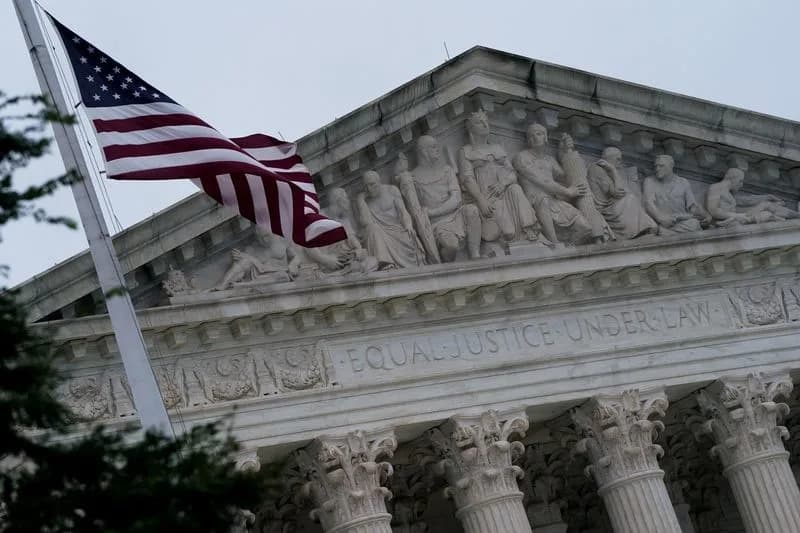
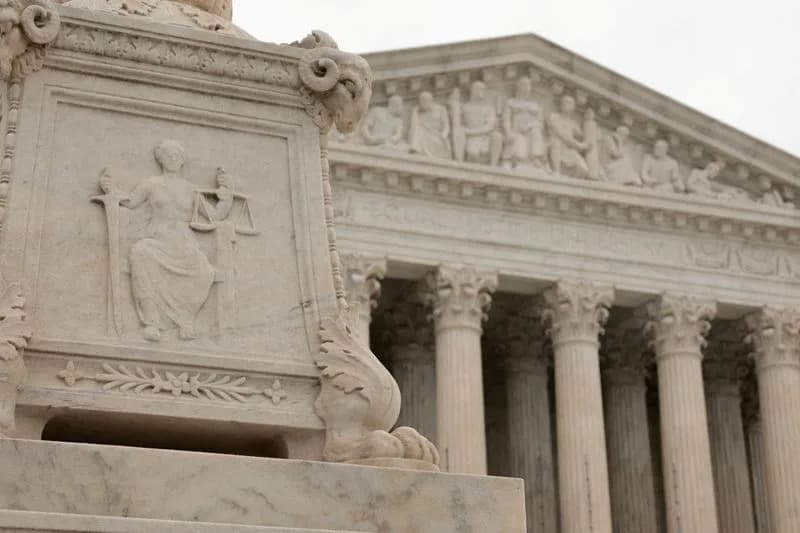
The Supreme Court on Friday agreed to hear an appeal from Cisco Systems seeking dismissal of a lawsuit that alleges the company’s technology was used by Chinese authorities to persecute members of the Falun Gong spiritual movement. Oral arguments are scheduled for the spring, and a decision is expected by early summer.
What the Case Involves
The central legal question is whether a U.S. corporation can be held liable under two statutes for aiding and abetting human rights abuses: the Alien Tort Statute (ATS), a law dating to the 18th century, and the Torture Victim Protection Act (TVPA), enacted in 1991. Plaintiffs say Cisco tailored systems for Beijing that were used to identify, track, detain and torture Falun Gong adherents. Cisco contends it cannot be held responsible under those laws.
Evidence and Background
An Associated Press investigation last year reported that many American technology companies played a substantial role in building components of China’s surveillance apparatus. Documents leaked in 2008 show Cisco viewed China’s "Golden Shield" censorship program as a sales opportunity and cited a Chinese official describing Falun Gong as an "evil cult." A Cisco presentation from that period, reviewed by AP, stated the company’s systems could detect more than 90% of Falun Gong content online.
Legal history: Falun Gong members filed suit against Cisco in 2011, alleging the company knowingly helped design and deploy technology used to monitor and repress practitioners.
Why The Supreme Court Took The Case
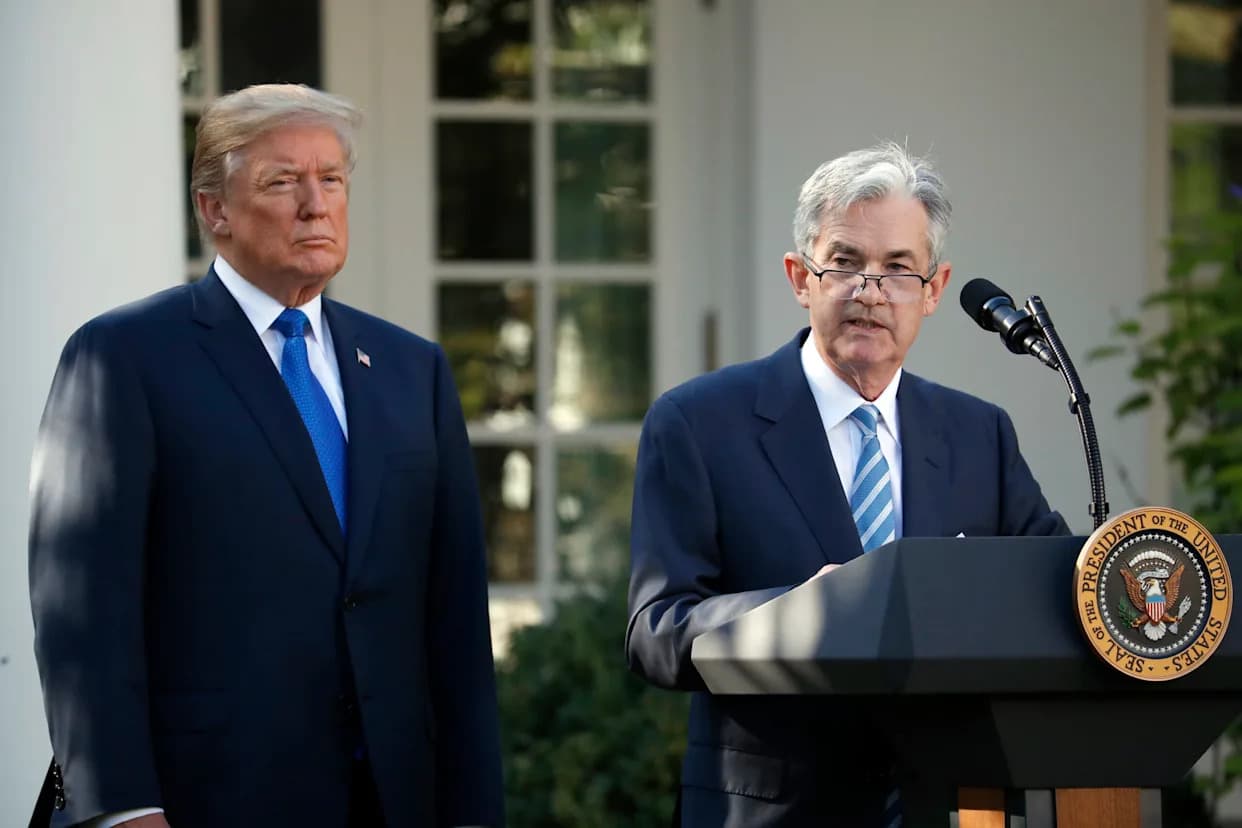
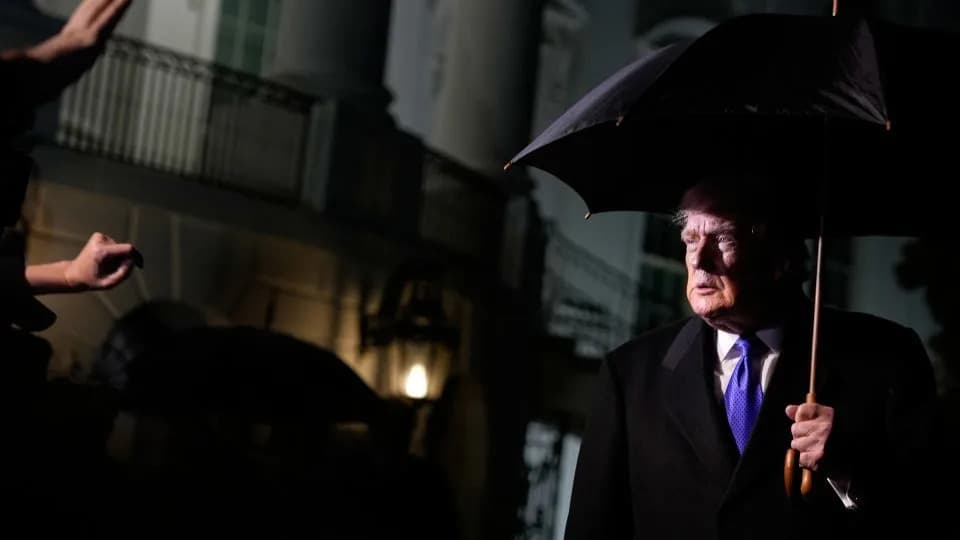
The court’s decision to hear the appeal followed a filing by the Trump administration supporting Cisco’s petition for review. In recent years, the Supreme Court and administrations of both parties have been cautious about using U.S. courts to resolve claims tied to the actions of foreign governments, particularly where alleged misconduct occurred largely overseas. Plaintiffs argue that a substantial portion of Cisco’s relevant activities took place in the United States, seeking to anchor jurisdiction in U.S. courts.
What’s next: The justices will hear arguments in the spring; observers expect a ruling by early summer that could clarify the reach of U.S. human rights statutes over multinational corporations.
Help us improve.