A Diego Portales University study warns Chile's labor force could shrink by about 3% if many Venezuelan migrants return home following reports of Venezuelan President Nicolas Maduro's capture. An estimated 510,740 Venezuelans were in Chile in late 2025, making up roughly 5% of the workforce with an employment rate above 84.5%. The study says a rapid exodus could depress GDP and strain service sectors such as delivery, while a gradual return would allow adjustment and could spur formalization and higher wages.
Chile Could Lose About 3% Of Its Workforce If Many Venezuelan Migrants Return, Study Warns
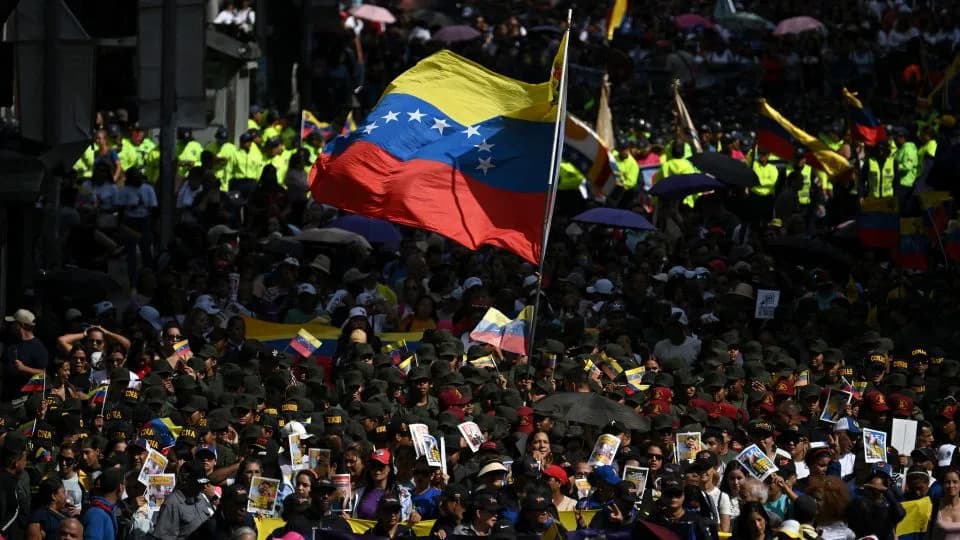
After Nicolas Maduro’s capture became known, about 58.5% of Venezuelans surveyed by the Citizen Panel at Chile’s University of Development said they could return to their country in the short term if conditions in Venezuela show significant improvement, File Photo by Adriana Thomasa/EPA
Chile's labor force could shrink by roughly 3% if a large share of Venezuelan migrants decide to return home after reports of Venezuelan President Nicolas Maduro's capture by U.S. military forces, a new academic study warns. The Observatory of the Economic Context at Diego Portales University says such a shift would have direct effects on the Chilean labor market and broader economy.
Key Findings
Researchers estimate that 510,740 Venezuelans were living in Chile in the September–November 2025 quarter, representing about 5% of the nation's labor force. More than 84.5% of those Venezuelans were employed, up sharply from 2017 when Venezuelans made up just 0.4% of the labor force.
Following reports of Maduro's capture, roughly 58.5% of Venezuelans surveyed by the Citizen Panel at the University of Development in Chile said they might return to Venezuela in the short term if conditions there significantly improved. If a majority acted on that intent, labor force participation in Chile could fall by about 3%, the study says.
Economic Consequences
"A reduction in the Venezuelan population over the medium term implies a lower level of [gross domestic product]," Juan Bravo, director of the observatory at Diego Portales University, told UPI. He emphasized that the magnitude of the impact hinges on how quickly emigration occurs.
"If the outflow were rapid, the economy would have little room for cushioning effects," Bravo said, citing limited options to fill vacancies quickly through underemployed groups or accelerated private-sector hiring.
However, Bravo and the study suggest a sudden mass return is unlikely because short-term political stability in Venezuela remains uncertain. A gradual return would give Chile time to absorb changes and reduce the risk of abrupt shocks.
Who Would Be Affected First?
The study finds that 74.5% of economically active Venezuelans in Chile have lived there five years or longer and are concentrated in service-sector roles such as motorcycle couriers, car washers, gas station attendants, hotel receptionists and electronics technicians. As a result, the first impacts would likely be felt in delivery and other service jobs.
With fewer workers available, wages in affected occupations could rise. "Independent delivery workers using app-based platforms could receive higher pay due to greater scarcity and gain access to more clients," the report notes. In largely salaried occupations, employers could face shortages that open opportunities for unemployed Chileans.
The study also points to a potential structural shift: employers may offer more formal contracts and better conditions to attract workers, which could reduce informal, off-the-books labor and create openings for older jobseekers and other underrepresented groups.
Broader Labor Market Challenges
Bravo highlighted long-term demographic and participation issues in Chile: population aging is accelerating, people aged 50 and older face significant employment barriers, and women continue to have lower labor-force participation than men and below OECD averages. Encouraging participation among these lagging groups could help mitigate worker shortages.
Regional Context
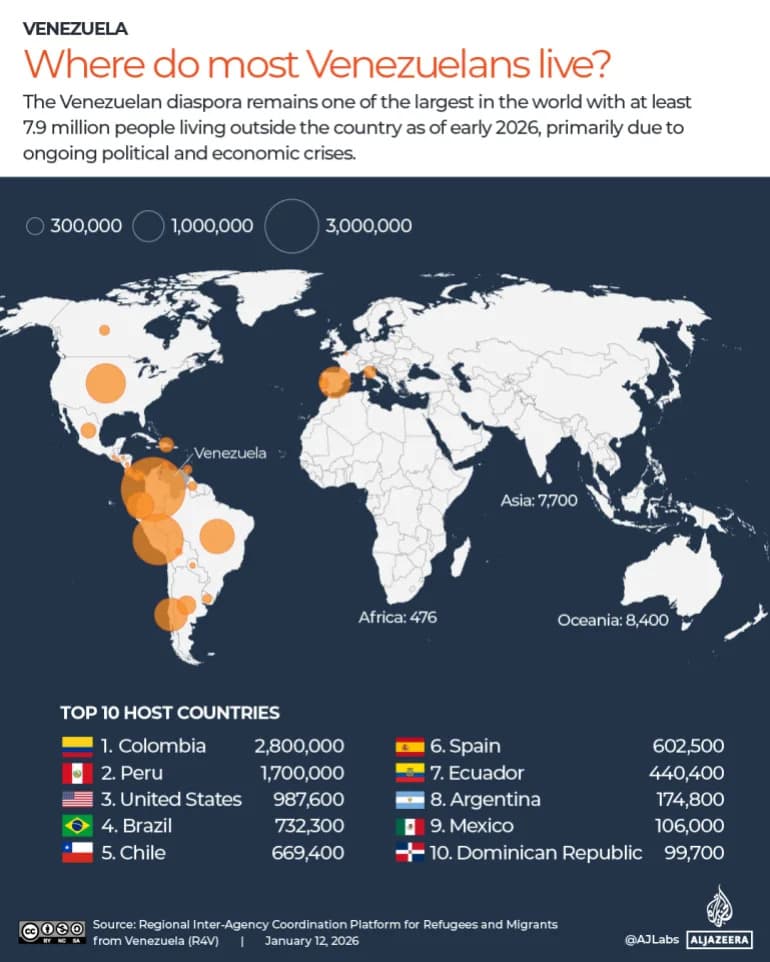
The United Nations refugee agency reports that more than 7.8 million people have left Venezuela over the past five years because of repression and economic collapse. About 6.7 million settled within Latin America and the Caribbean. By 2024, the Inter-Agency Coordination Platform for Refugees and Migrants recorded roughly 2.8 million Venezuelans in Colombia, more than 1.6 million in Peru, about 700,000 in the United States and around 600,000 in Brazil.
Bottom line: A rapid mass return of Venezuelan migrants would risk lowering GDP and straining service-sector labor, while a gradual return could allow the Chilean economy to adjust and potentially accelerate formalization and improved wages in affected occupations.
Help us improve.