After being detained at the U.S. border and deported to Mexico, Mariela Gómez and her family endured a dangerous, low‑budget journey back to Maracay and spent a modest Christmas amid unemployment and poverty. Gómez reunited with a daughter she left behind and now hopes for a job and good health. The family’s story reflects a broader trend: more than 7.7 million Venezuelans have fled the country in the past decade, and by September over 14,000 migrants had returned to South America amid tightened U.S. migration controls.
From the American Dream to Poverty: A Venezuelan Family’s Christmas After U.S. Deportation

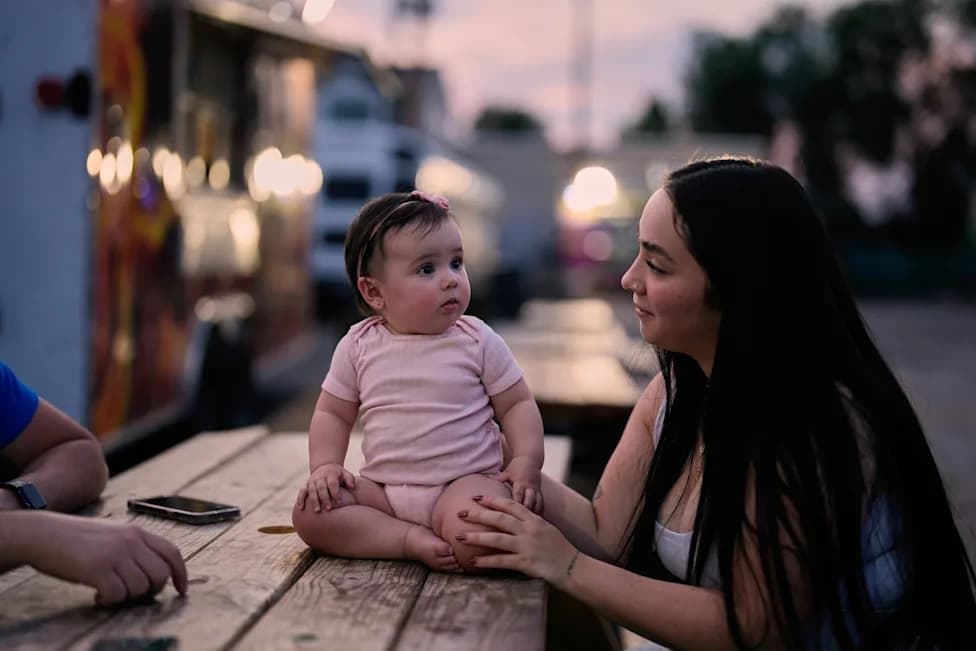
Mariela Gómez, right, and her partner Abraham Castro, a Venezuelan migrant couple, sit for Christmas dinner at Castro's parents' home in Maracay, Venezuela, early Thursday, Dec. 25, 2025. The couple abandoned their journey to the United States and returned home from Mexico by land and sea following President Donald Trump's immigration crackdown. (AP Photo/Matias Delacroix)
MARACAY, Venezuela (AP) — This Christmas was far different from what Mariela Gómez imagined a year ago. After years living abroad in search of a better life, Gómez and her family returned to Venezuela in late October — a return shaped by detention at the U.S. border and deportation that ended their hopes of settling in the United States.
A Modest Holiday
Gómez dressed up, cooked and bought a scooter for her son before celebrating with her partner and in‑laws. Instead of the traditional hallacas — stuffed corn dough commonly served at Venezuelan Christmas tables — the family shared a lasagna‑like dish.
“We had a modest dinner, not quite what we’d hoped for, but at least we had food on the table,”
Gómez said the ingredients for hallacas were too expensive for an unemployed household.
The Journey Home
Gómez, her two sons and her partner arrived in Maracay on Oct. 27 after attempting to cross the U.S.‑Mexico border into Texas. U.S. Border Patrol agents detained them amid tighter immigration enforcement and they were deported to Mexico. From there the family made a perilous, low‑budget trip through Central America. In Panama they could not afford the usual Caribbean crossing to Colombia, so they took a cheaper Pacific route: hours on a cargo boat atop sloshing gasoline tanks, then a transfer to a fast boat before reaching a jungle area of Colombia. They stayed about two weeks until relatives wired money that allowed them to reach Venezuela’s border.
Wider Context
Gómez is one of more than 7.7 million Venezuelans who have left the country over the past decade amid economic collapse tied to falling oil prices, corruption and mismanagement. By September, more than 14,000 migrants — mostly Venezuelans — had returned to South America after U.S. policies tightened migration controls, according to data from Colombia, Panama and Costa Rica. In addition, Venezuela began accepting deportees this year after President Nicolás Maduro reversed a long‑standing policy of refusing U.S. deportations, and officials say more than 13,000 people returned on charter flights to Caracas this year.
Family Reunions and Uncertain Futures
Gómez’s return also reunited her with a daughter she had left behind 20 years earlier. The two spent the holiday talking and drinking beer, conscious that the reunion could be brief: the daughter plans to migrate to Brazil next month. Back in Maracay, Gómez is searching for work and hoping to make hallacas for New Year’s Eve, but her foremost wish is for health.
“I ask God for many things, first and foremost life and health, so we can continue enjoying our family,”
Garcia Cano reported from Caracas.
Help us improve.