Nearly 7.9 million Venezuelans live abroad as of early 2026, driven by years of political and economic crisis. Colombia and Peru host the largest populations, and about 85% of migrants are in Latin America and the Caribbean. UNHCR classification helps Venezuelans access services, but many still work informally and face food insecurity and overcrowding. Recent policy changes — including the U.S. revocation of temporary protections — have increased uncertainty for hundreds of thousands abroad.
Where the 7.9 Million Venezuelans Abroad Live — Top Host Countries, Protections and Travel Rights
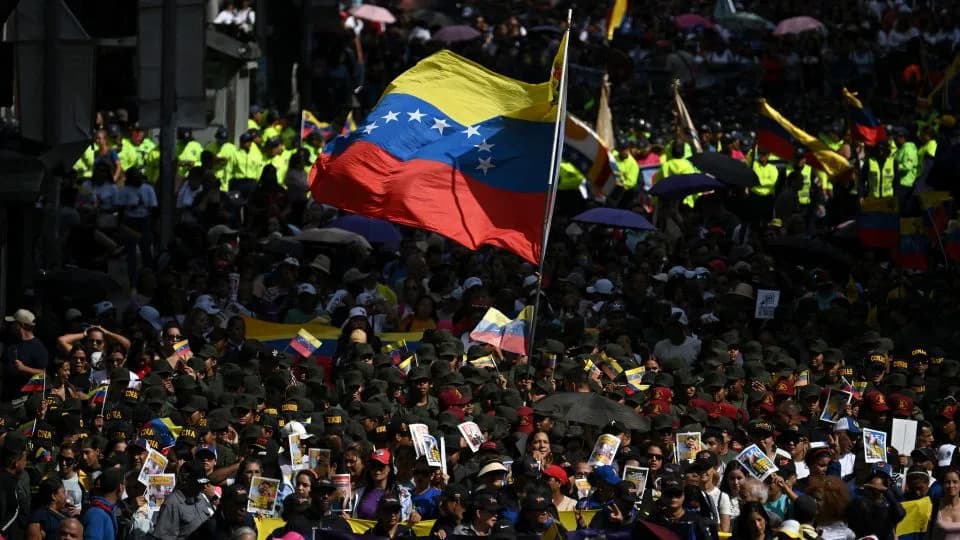
(Al Jazeera)
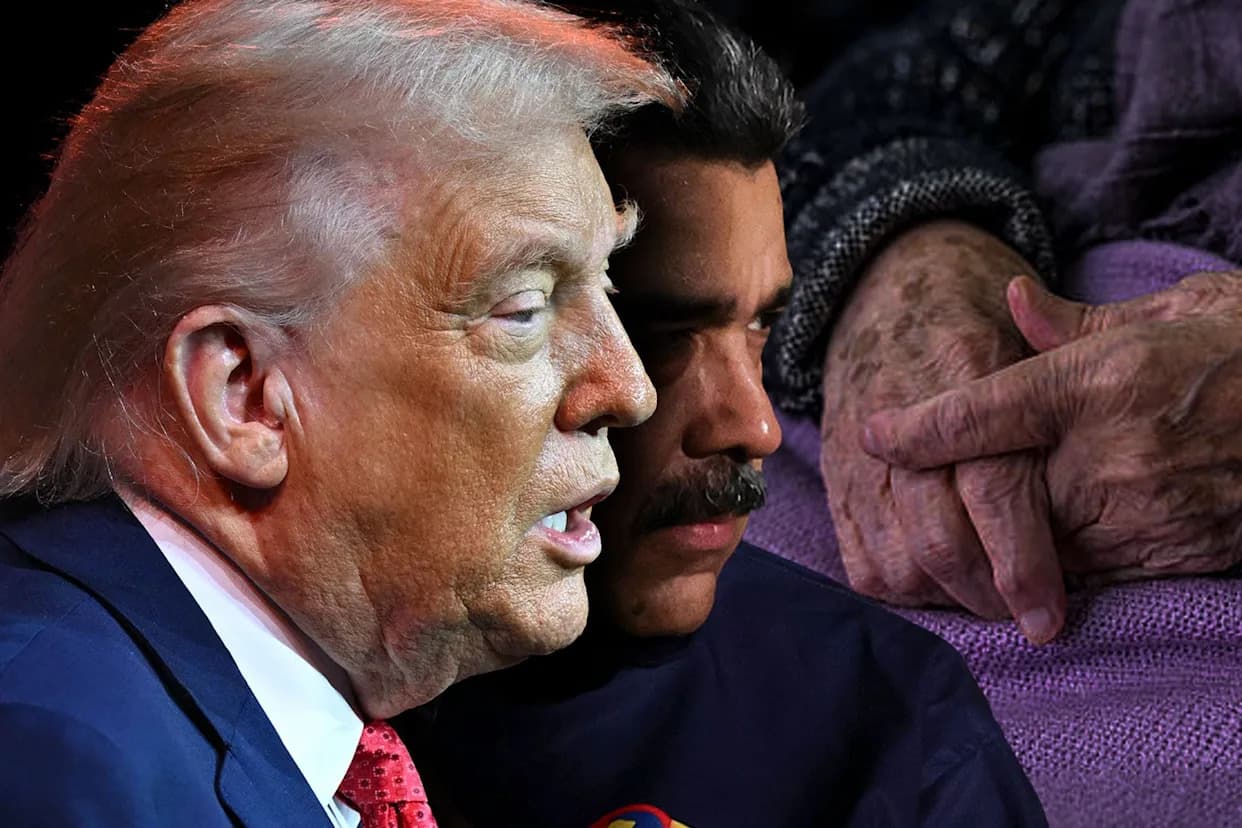
After reports on January 3 alleging a U.S. operation involving President Nicolás Maduro — claims that remain contested and unverified — neighbouring countries that host large Venezuelan communities, notably Colombia and Peru, warned of the potential for a further refugee influx if Venezuela becomes destabilised.
Overview
The Venezuelan diaspora is one of the largest in the world: an estimated 7.9 million people were living outside Venezuela as of early 2026. Most left because of nearly a decade of sustained political and economic turmoil, including a dramatic fall in oil revenues, runaway inflation and shortages of basic goods and services.
How the Exodus Began
Emigration accelerated in stages. A smaller wave of mainly professionals departed after Hugo Chávez came to power in 1999. During Chávez’s first decade the state used oil revenues to expand social spending, lifting millions out of extreme poverty. After Chávez’s death in 2013, Nicolás Maduro assumed the presidency amid rising debt and inflation. By 2014, collapsing oil prices helped push Venezuela into a deep economic crisis, prompting hundreds of thousands to seek refuge abroad.
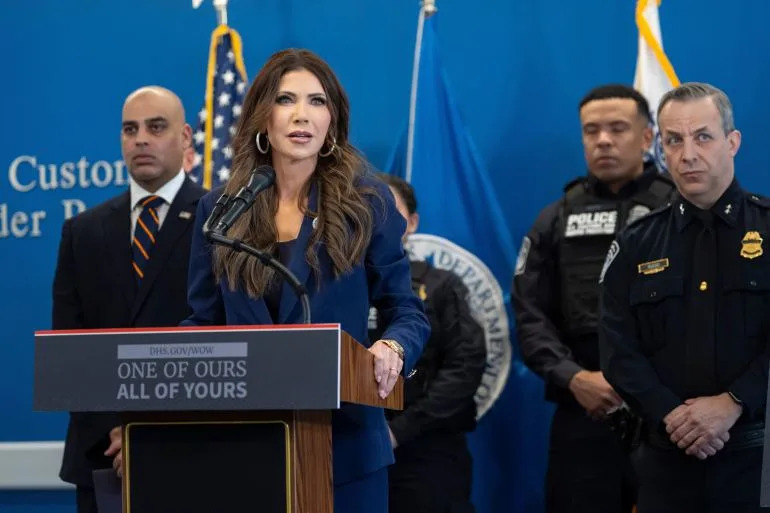
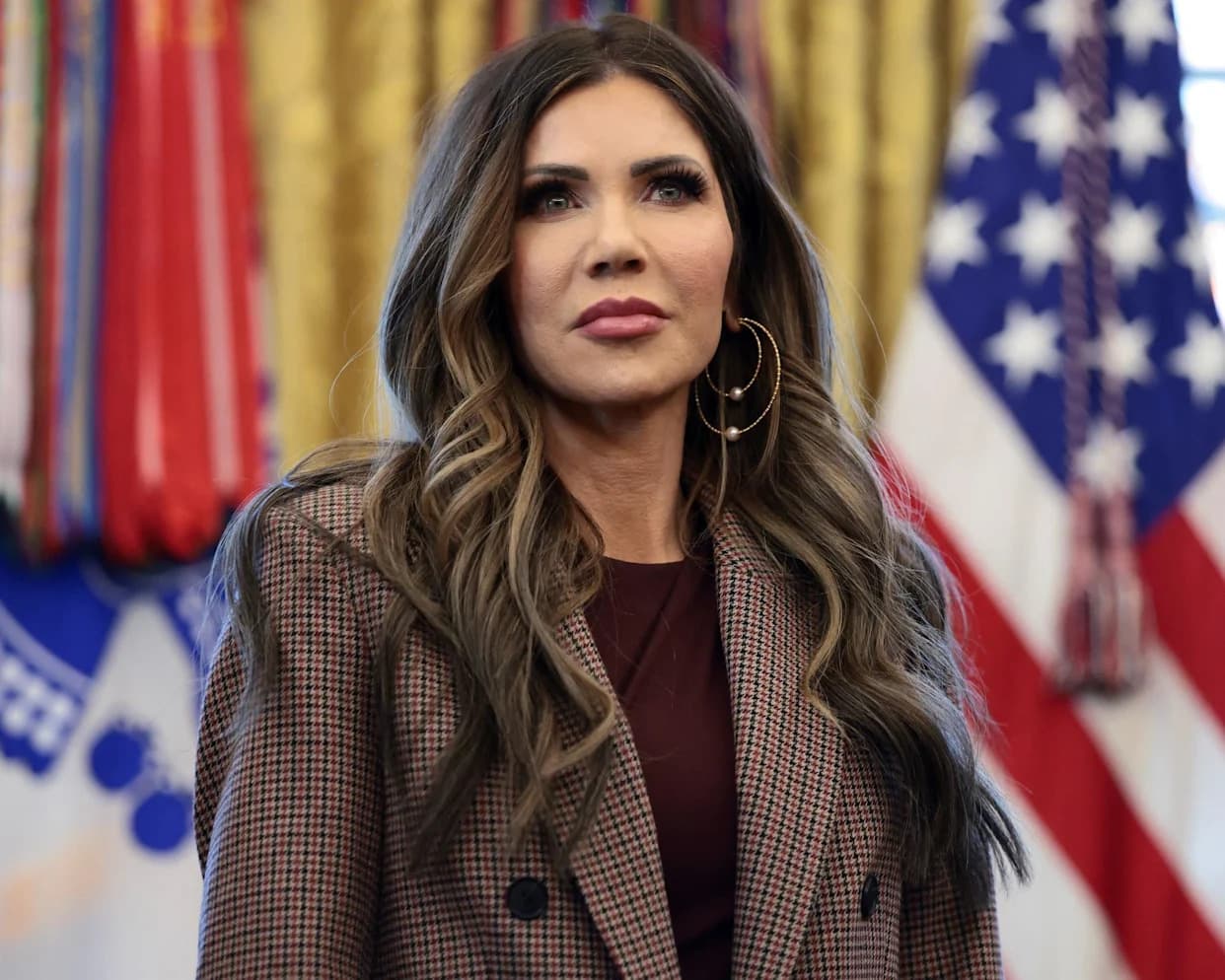
US Homeland Security Secretary Kristi Noem said Venezuelans who previously lived in the US under temporary protected status are now eligible to apply for asylum [File: Yuki Iwamura/AP]
Where Venezuelans Live
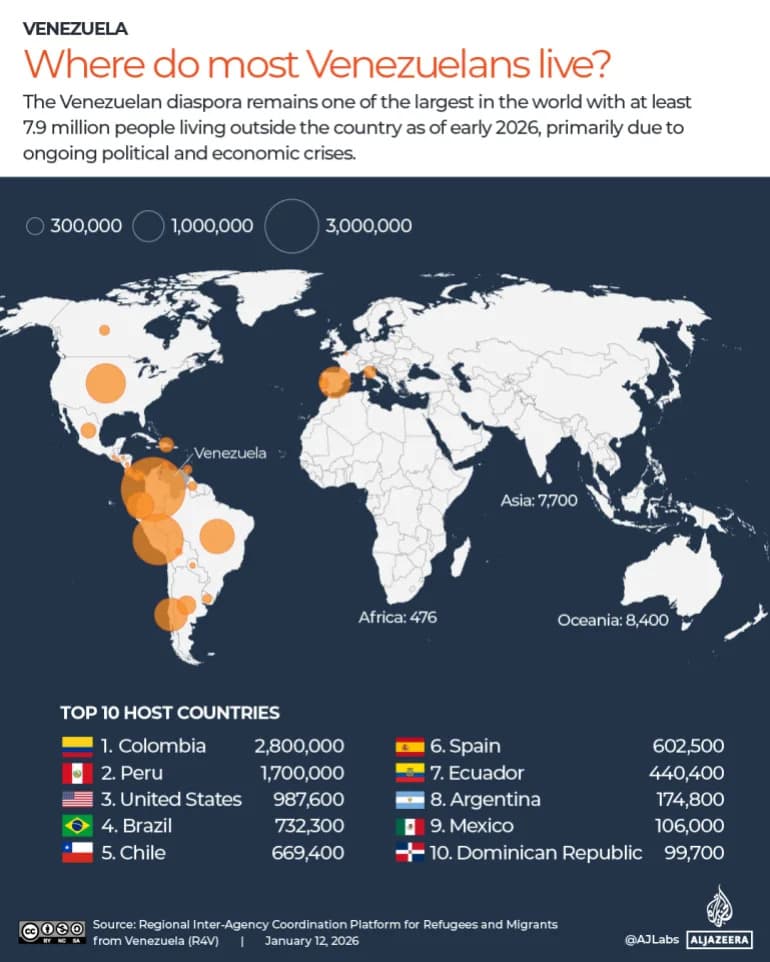
By June 2026, the Office of the United Nations High Commissioner for Refugees (UNHCR) recorded nearly 8 million Venezuelan refugees and migrants worldwide, with about 6.7 million (roughly 85%) residing in Latin America and the Caribbean. The largest host countries are:
- Colombia — 2.8 million
- Peru — 1.7 million
- United States — 987,600
- Brazil — 732,300
- Chile — 669,400
- Spain — 602,500
- Ecuador — 440,400
- Argentina — 174,800
- Mexico — 106,000
- Dominican Republic — 99,700
Legal Status and Protections
The UNHCR treats Venezuelans as a distinct displaced-persons group because of the ongoing humanitarian emergency. That classification helps channel international support and improves access to essential services — including legal assistance, healthcare and temporary shelter — in host countries.
Different states have adopted varied responses: Colombia’s Temporary Protection Statute provides a 10-year residency permit for many Venezuelans, facilitating access to work and services. In contrast, the United States revoked a form of temporary protected status for Venezuelans in late 2025, creating legal uncertainty for more than 600,000 people who had been covered by the policy.
(Al Jazeera)
There have also been reported deportations of Venezuelan migrants; some human-rights groups say deported individuals were sent to prisons in El Salvador and have alleged cases of torture and sexual abuse. These allegations have been documented by NGOs and rights organisations and remain subject to investigation.
Living Conditions and Economic Integration
According to UN reporting, nearly half of Venezuelan emigrants work in informal, low-paid jobs. Around 42 percent struggle to afford enough food, and approximately 23 percent live in overcrowded housing. These conditions complicate efforts to integrate and put pressure on public services in host communities.
Mobility and Travel
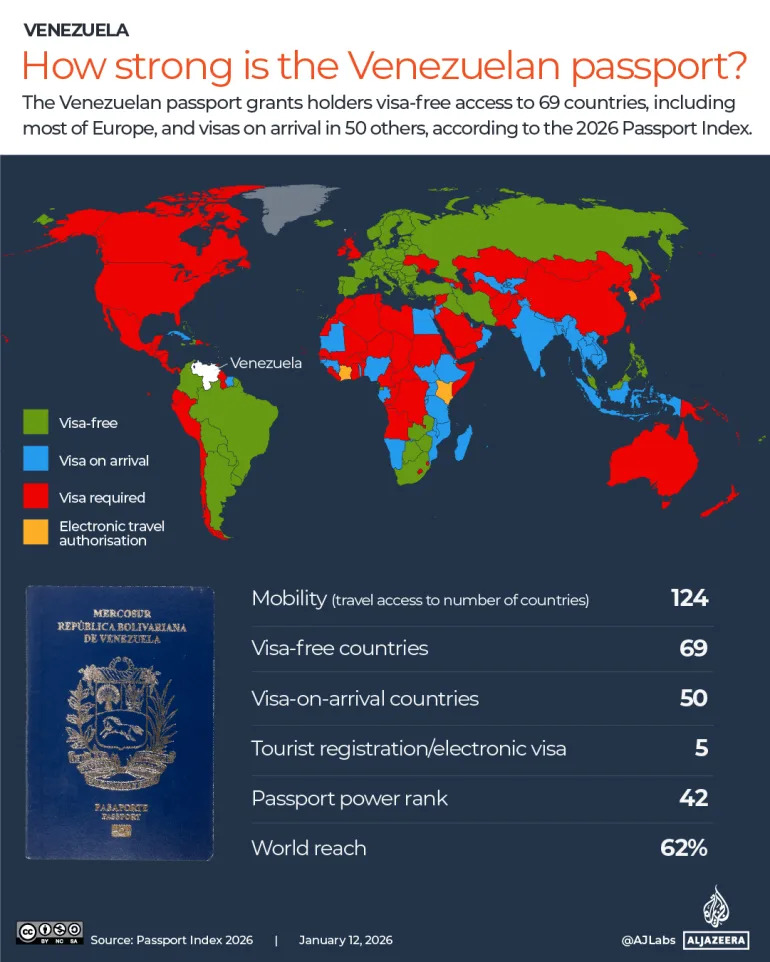
Despite domestic instability, the Venezuelan passport is relatively strong on global mobility rankings. The 2026 Passport Index places Venezuela 42nd, granting visa-free, visa-on-arrival, or e-visa access to about 124 countries. Venezuela also retains a long-standing 90-day visa waiver for the Schengen Area, and regional mobility agreements make it easier for Venezuelans to enter and work in many South American countries.
What It Means Going Forward
Large Venezuelan communities across the Americas and Europe continue to shape migration policy debates in host countries. Legal protections such as Colombia’s Temporary Protection Statute and international support through UNHCR are critical, but economic inclusion, legal clarity and humanitarian assistance remain urgent priorities to address long-term needs.
Help us improve.