Gavin Newsom has adopted an increasingly confrontational approach toward corporate leaders, singling out GM CEO Mary Barra after automakers pushed to roll back California’s EV sales mandate. Reporting suggests GM negotiated with California regulators while pressing the Trump administration to remove the state's authority, prompting Newsom to say he feels "personally jilted." Analysts warn that cozying up to one administration can create future political and economic risks for companies. Polling and academic studies show executives are growing wary of public political statements amid shifting partisan pressures.
He Feels Personally Jilted: Why Gavin Newsom Is Taking On GM and Mary Barra
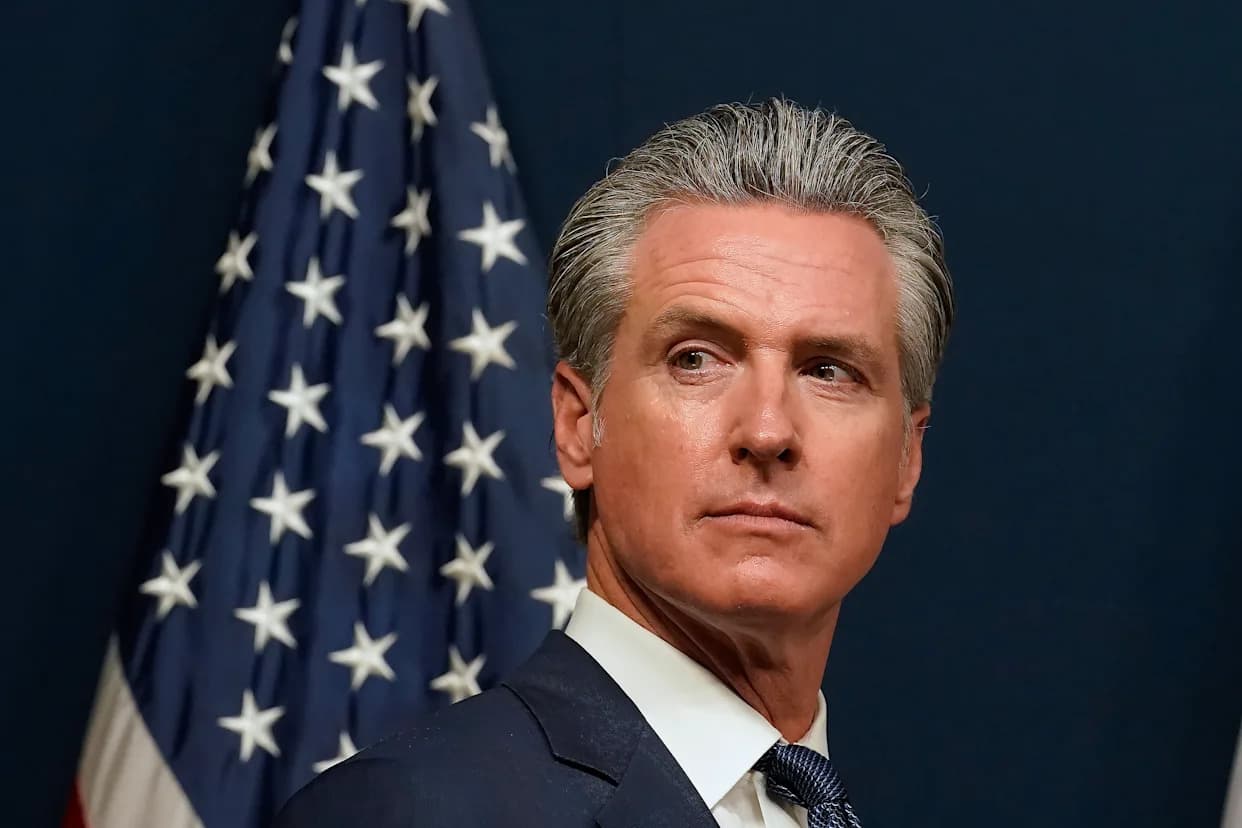
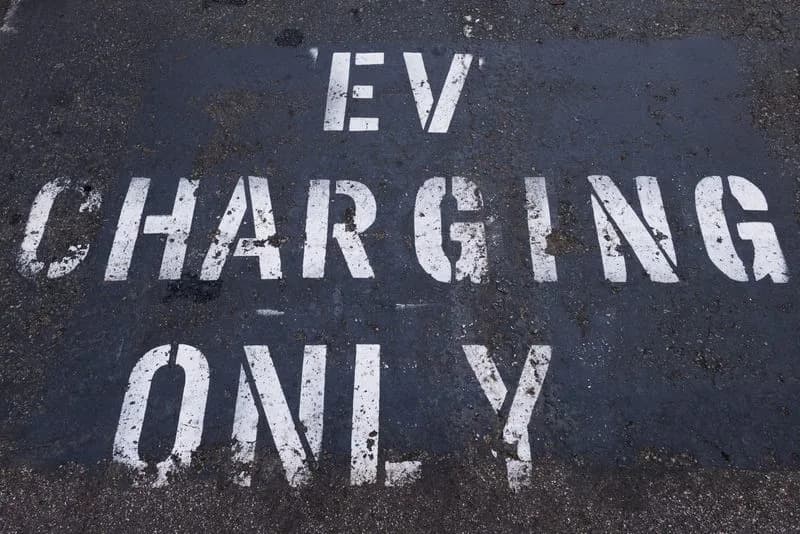
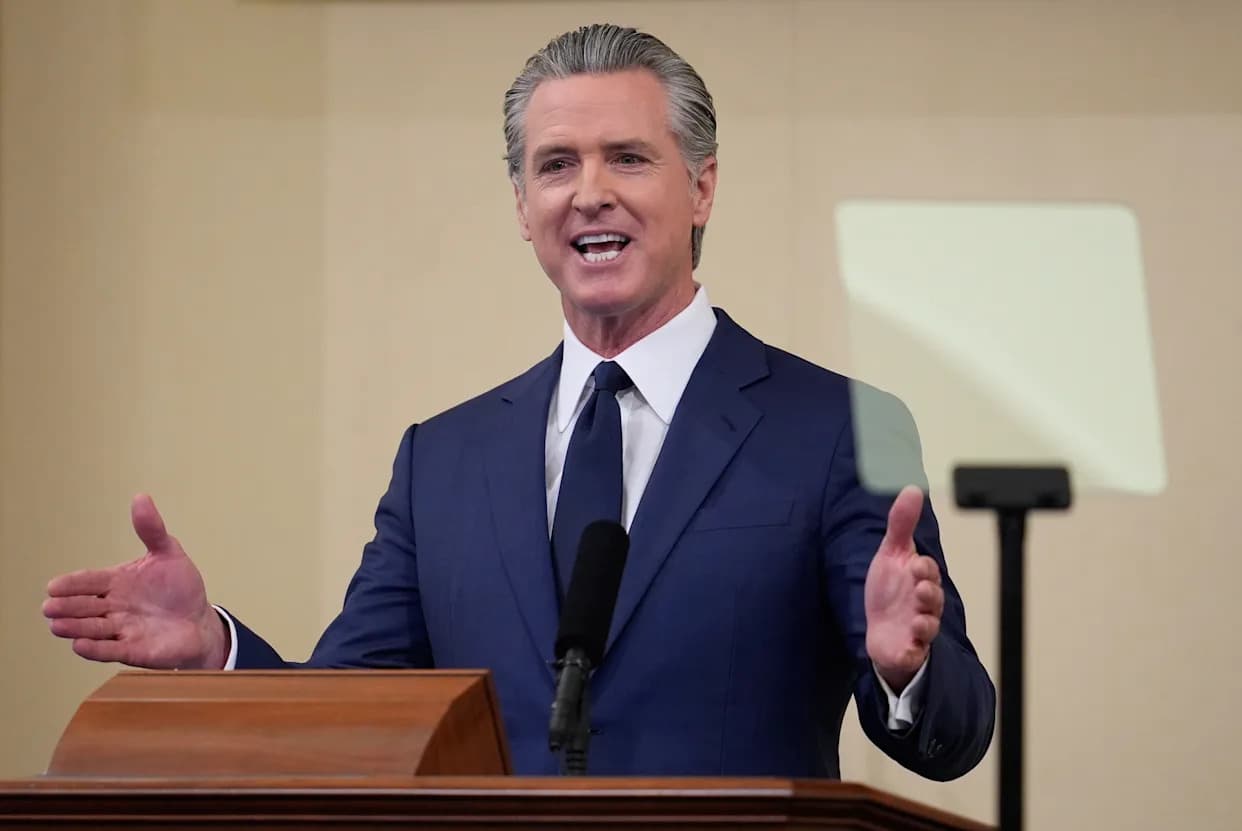
California Governor Gavin Newsom has sharpened his rhetoric and tactics in ways that echo President Donald Trump’s confrontational style, using social media and public pressure to target corporate executives who cross his agenda. His most high-profile dispute is with General Motors and its CEO, Mary Barra, after automakers pushed to roll back California’s electric-vehicle (EV) sales mandate.
What Sparked the Clash
Newsom publicly accused GM of bad faith negotiations after reporting indicated the company was simultaneously discussing tweaks to California’s zero-emission sales rules with state regulators while urging the Trump administration to strip the state of its authority. The Wall Street Journal reported the dual track of talks, and a POLITICO-sourced anonymous participant said Newsom "feels personally jilted" by GM’s conduct. In September, the governor declared,
"Mary Barra sold us out."
GM’s Response
GM defended its position by pointing to Barra’s comments to The New York Times: "We have the largest EV portfolio of anyone selling vehicles in this country. We sell a huge amount of vehicles in the state of California. I am always going to advocate for one national standard and for making sure regulatory requirements don’t get in front of the consumer." Executives argue that a single national standard avoids a fragmented regulatory patchwork that complicates manufacturing and consumer choice.
The Bigger Picture: Corporate America and Politics
GM’s shift fits into a broader pattern of companies publicly aligning with the Trump administration on regulatory and trade issues. CEOs who visibly side with one administration risk reputational and political consequences when power changes hands. Researchers from Washington University and Harvard found that partisan corporate tweets during the Trump era correlated with small, short-term stock declines, and a recent Harris Poll shows increasing executive reluctance to speak publicly on policy.
Why This Matters
Beyond the immediate dispute, experts warn that personalization of political influence can harm economic efficiency. Witold Henisz of Wharton called the cultivation of personal relationships between presidents and executives "pretty new" and noted that when politics becomes relationship-oriented, it can shrink overall growth. Harvard Business School’s Elisabeth Kempf observed a notable shift in corporate messaging to align more with the administration in power than in prior eras.
Where Automakers Stand
Even as critics decry GM’s maneuvering, GM still offers the most EV models among U.S. automakers; Stellantis remains the one major automaker publicly aligned with California’s standards and currently has fewer EV models. Edmunds analyst Ivan Drury said GM’s previous alignment with California made the perceived turnabout more striking.
Political Stakes For Executives
If Democrats reclaim the White House, executives who backed the Trump administration may face political friction or even policy pushback. Newsom noted that Barra has not reached out to mend fences — a contact that would likely change if he were to run successfully for president. The episode underscores a strategic dilemma for corporate leaders: short-term regulatory relief versus long-term political risk.
Bottom line: The GM–Newsom standoff highlights how corporate policy choices can become personal political liabilities. As companies navigate an increasingly polarized and personalized political environment, the costs of choosing sides are growing.
Help us improve.