The WEF Global Risks Report finds geo-economic confrontation has climbed to be the top near-term global threat, with 18% of more than 1,300 experts naming it the leading crisis trigger. State-based conflict and extreme weather follow as the next most likely catalysts for a global crisis. Over a two-year horizon geo-economic risk jumped from ninth to first, while extreme weather and biodiversity loss remain the gravest threats over 10 years. The findings were published ahead of the Davos meeting (Jan 19–23), which US President Donald Trump is expected to attend.
WEF: Geo‑Economic Confrontation Is Now The Top Global Risk, Surpassing Conflict And Climate
The World Economic Forum logo is displayed on a board during a plenary session. Ciaran McCrickard/World Economic Forum/dpa
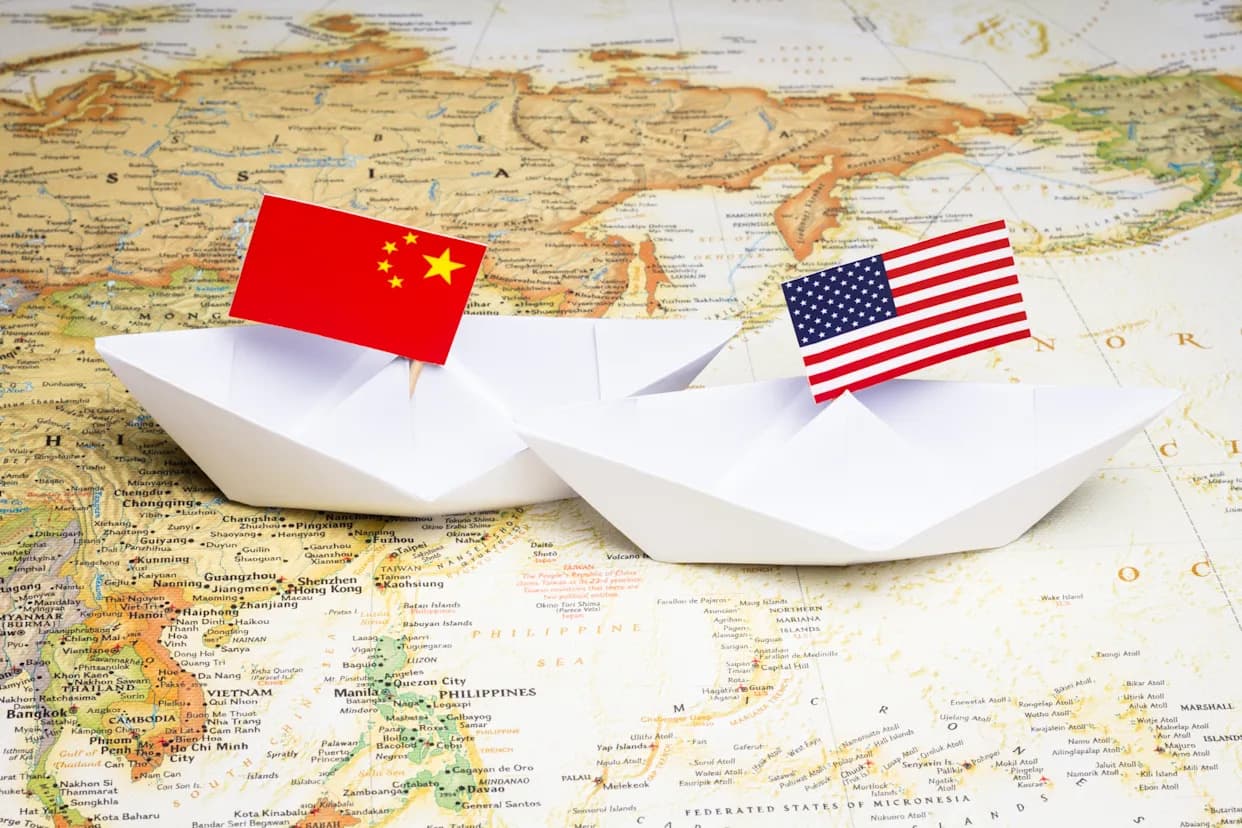
The World Economic Forum's latest Global Risks Report, published Wednesday, warns that geo-economic confrontation has surged to become the top near-term threat to global stability.
Some 18% of more than 1,300 experts surveyed worldwide — drawn from business, academia, government, international organisations and civil society — named geo-economic confrontation as the risk most likely to trigger a global crisis this year. The survey was conducted in August and September 2025.
WEF definition: Geo-economic confrontation refers to policies that restrict goods, knowledge, services or technologies to build self-sufficiency, limit geopolitical rivals and consolidate spheres of influence. Common tools include currency measures, investment controls, sanctions, state aid and subsidies, and trade restrictions.
The report places state-based conflict second in likelihood of sparking a global crisis, with extreme weather events third. Looking over the next two years, geo-economic confrontation also ranks highest for crisis potential, jumping from ninth place in the previous survey to first.
Respondents also signalled heightened concern about economic risks this year, including slowdown, persistent inflation, asset bubbles and disruption to critical infrastructure. Over a longer, 10-year horizon, however, extreme weather and biodiversity loss remain the most severe threats.
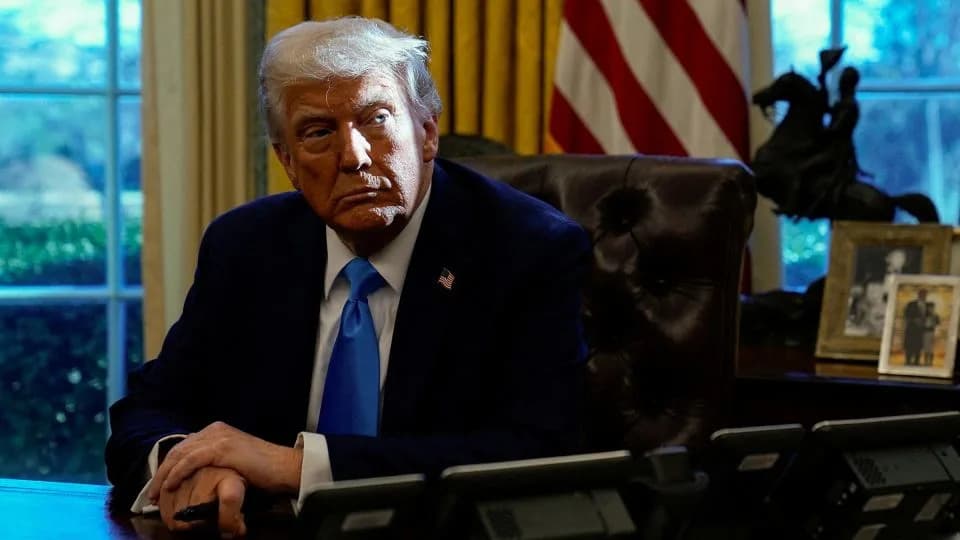
The findings were released days before the WEF's annual meeting in Davos, scheduled for January 19–23, where leaders from business, finance and politics will meet; US President Donald Trump is expected to attend.
Why This Matters
Geo-economic confrontation shifts systemic risk from primarily military conflict and climate-driven disaster toward strategic economic decoupling and economic statecraft. Policymakers and businesses may need to reassess supply chains, investment strategies and contingency planning to address rising geopolitical economic friction.
Help us improve.