
More than 40 countries — representing about 1.6 billion people — will hold national-level elections in 2026, affecting nearly one-fifth of the global population. High-profile contests include the U.S. midterms, Brazil, Israel, Hungary and Bangladesh. Several votes follow significant domestic unrest (notably Bangladesh and Nepal) and could reshape domestic policies, regional stability and international alignments. Outcomes will have implications for peace processes, rule-of-law reforms and global geopolitics through 2026 and beyond.
The 2026 Global Election Calendar: 40+ Countries, 1.6 Billion People and Key Contests to Watch

More than 40 countries — representing roughly 1.6 billion people — will hold national-level elections in 2026. These presidential, parliamentary and general votes will determine governance for nearly one-fifth of the world’s population and could reshape domestic policy, economic strategy and international alignments.
Month-by-Month Guide
January
Myanmar — General elections (Jan. 11: second phase; Jan. 25: third phase).
Uganda — General elections (Jan. 15).
Portugal — Presidential election (Jan. 18).
February
Costa Rica — General elections (Feb. 1).
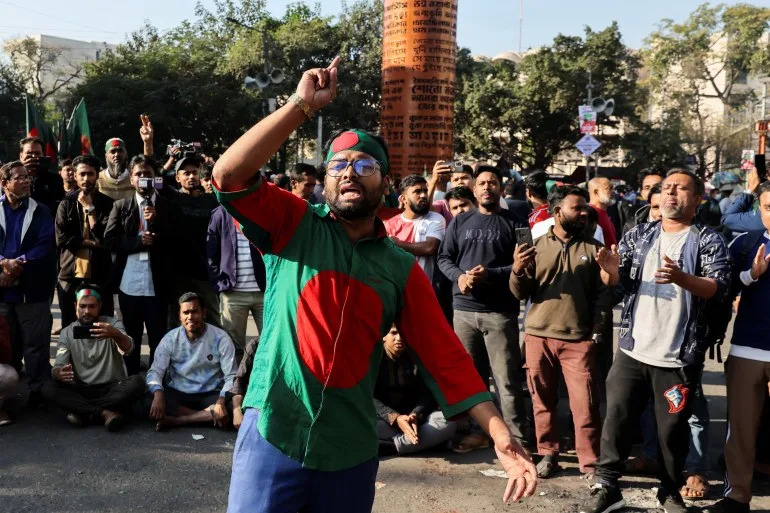
Supporters chant slogans as they block Shahbagh Square demanding justice, following the death of Sharif Osman Hadi, a student leader, who was undergoing treatment in Singapore after being shot in the head, in Dhaka, Bangladesh, December 19, 2025 [Mohammad Ponir Hossain/Reuters]
Thailand — General elections (Feb. 8).
Bangladesh — General elections (Feb. 12). This will be the country’s first national vote since a student-led uprising ended Sheikh Hasina’s 15-year rule in 2024. Voters will also consider the proposed “July Charter,” a reform package aimed at limiting executive power, strengthening judicial independence and insulating law enforcement from political interference.
Laos — Parliamentary elections (Feb. 22).
March
Nepal — General elections (March 5). The ballot follows Gen Z–led protests in September 2025 that helped topple Prime Minister KP Sharma Oli amid corruption allegations and economic grievances. Many young activists have pushed voter-registration drives to translate protest momentum into electoral influence.
Vietnam — Parliamentary elections (March 15).
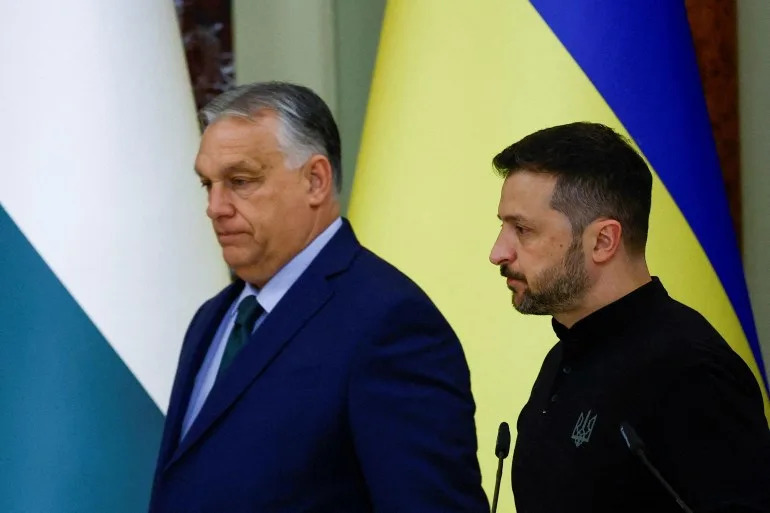
Hungary’s Prime Minister Viktor Orban and Ukrainian President Volodymyr Zelenskyy arrive for a joint news briefing, amid Russia’s attack on Ukraine, in Kyiv, Ukraine, July 2, 2024 [File: Valentyn Ogirenko/Reuters]
Slovenia — Parliamentary elections (expected March 22).
Republic of the Congo — Presidential election (March 22).
April
Benin — Presidential election (April 12).
Hungary — Parliamentary elections (expected April 12). Prime Minister Viktor Orbán faces his toughest challenge since 2010 from Peter Magyar and the Tisza Party. The outcome could shift Hungary’s balance between Brussels and Moscow and affect wider European stability.
Peru — General elections (April 12).
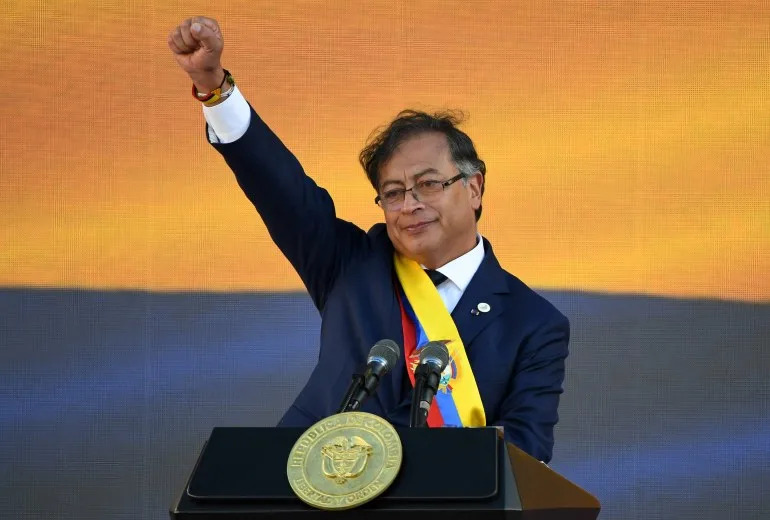
Colombia’s President Gustavo Petro gestures after delivering a speech during his inauguration ceremony at Bolivar Square in Bogota, on August 7, 2022 [Juan Barreto/AFP]
Libya — Presidential and parliamentary elections (expected in April).
Djibouti — Presidential election (must be held by April).
Cape Verde — Parliamentary elections (expected in April).
May
Cyprus — Parliamentary elections (May 24).
Colombia — Presidential elections (May 31). With incumbent Gustavo Petro ineligible to run again, contenders include Ivan Cepeda (Historic Pact), centrist Sergio Fajardo and right-wing candidate Abelardo de la Espriella. Results will influence stalled FARC peace agreements, anti-corruption efforts, public security and relations with Venezuela and the United States.

Lebanese President Joseph Aoun, Prime Minister Nawaf Salam and members of the cabinet stand as they attend a cabinet session to discuss the army’s plan to disarm Hezbollah, at the Presidential Palace in Baabda, Lebanon, September 5, 2025 [Mohamed Azakir/Reuters]
Cameroon — Parliamentary elections (must be held by May).
Lebanon — Parliamentary elections (expected in May). The vote will test the government of Prime Minister Nawaf Salam and President Joseph Aoun; Hezbollah’s role and the broader sectarian balance will be central themes amid ongoing economic turmoil.
June
Ethiopia — General elections (June 1).
Armenia — Parliamentary elections (June 7).
Algeria — Parliamentary elections (must be held by June).

Brazil’s President Luiz Inacio Lula da Silva wears a cap that reads “Brazil belongs to the Brazilians” as he attends a ceremony to announce the start of payments under the Income Transfer Program for farmers and fishermen, in Linhares, Espirito Santo state, Brazil, July 11, 2025 [Ricardo Stuckert/Brazilian Presidency/Handout via Reuters]
Fiji — General elections (expected between June 2026 and February 2027).
Israel — While the legal deadline for parliamentary elections is Oct. 27, a snap vote could be called as early as June. Prime Minister Benjamin Netanyahu faces mounting domestic pressure over security failures and intense international scrutiny over Israel’s conduct in Gaza.
August
Zambia — General elections (Aug. 13).
Haiti — General elections (Aug. 30).
September
Sweden — General elections (Sept. 13).
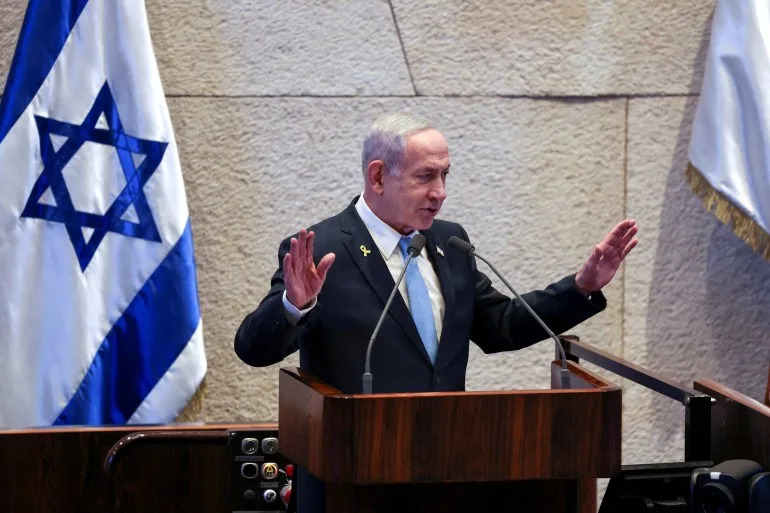
Israeli Prime Minister Benjamin Netanyahu speaks during a Plenum session of the Knesset, Israel’s Parliament, in Jerusalem, June 11, 2025 [Ronen Zvulun/Reuters]
São Tomé and Príncipe — Parliamentary elections (must be held by September).
Morocco — Parliamentary elections (expected in September).
Russia — Parliamentary elections (expected in September).
October
Latvia — Parliamentary elections (Oct. 3).
Brazil — General elections (Oct. 4). Voters will choose a president, members of Congress and state officials amid economic worries, rising violent crime and tense relations with the United States. Incumbent President Luiz Inácio Lula da Silva seeks re-election and could face challengers such as Flávio Bolsonaro.

Republican presidential nominee Donald Trump dances during his rally at Gaylord Rockies Resort and Convention Center in Aurora, Colorado, United States, October 11, 2024 [Isaiah J Downing/Reuters]
Denmark — General elections (must be held by Oct. 31).
Bosnia and Herzegovina — General elections (expected in October).
The Bahamas — General elections (must be held by October).
November
United States — Midterm elections (Nov. 3). All 435 House seats and 35 Senate seats are contested. Results will decide congressional control and shape U.S. governance and policy in the remainder of the presidential term.
Bulgaria — Presidential and parliamentary elections (expected in November).
December
The Gambia — Presidential elections (Dec. 5).
New Zealand — General elections (must be held by Dec. 19).
South Sudan — General elections (expected Dec. 22).
Why These Elections Matter
Collectively, these ballots will test incumbents, create openings for political change, and influence regional and global dynamics. In several countries, results could determine the future of fragile peace processes, anti-corruption reforms and the balance of power between democratic institutions and executive authority.


