
President Trump retains substantial global influence even as his domestic position shows fractures, prompting six urgent questions for 2026: can his team stop a slide toward lame-duck status; how long will the AI-driven investment boom last; will courts curtail his tariff strategy; how will U.S.-China economic ties evolve; will AI become a decisive campaign issue; and can local figures like Zohan Mamdani pair radical aims with competent governance? These dynamics will shape markets, policy and the midterm outlook.
Six Questions Washington Must Answer in 2026 as Trump’s Global Reach Collides With Domestic Fragility

Evelyn Hockstein/Reuters
President Donald Trump remains a force on the world stage even as domestic politics grow more turbulent, raising a central question for 2026: will the administration arrest a slide toward diminished influence at home, or will the signs of weakness deepen? Reporters across the Semafor newsroom identified six key questions that will shape Washington’s political and economic trajectory this year.
1. Can the White House Stop a Slide Toward Lame-Duck Status?
Signs of strain are visible: defections and independence among some Republican officials, setbacks for Trump-aligned candidates in state-level contests, and a Gallup favorable rating approaching his first-term low. Susie Wiles is the lone senior aide focused squarely on the 2026 midterms. Her task: keep the president engaged enough to limit Republican losses. Most pollsters and many bettors currently expect Democrats to retake the House, prompting Republican retirements and energizing Democratic organizing. A competitive Senate cycle — with upsets in states such as Ohio, Iowa, Alaska and Texas — would be the White House’s worst-case scenario.
Evelyn Hockstein/Reuters
2. How Durable Is the AI-Fueled Economic Boom?
The federal government and private sector have placed a huge bet on artificial intelligence. Massive investment in data centers, energy and infrastructure is powering growth, drawing billions in domestic and foreign capital, and supporting U.S. portfolios. But when an investment cycle is so tightly linked to political sentiment and market flows, the risks become systemic: if one part of the bubble pops, others could follow. Semafor’s Reed Albergotti argues there may be at least another year of expansion, but timing remains uncertain.
3. Will the Courts Check Trump’s Tariff Strategy?
This year’s tariff policy broke sharply with mainstream economic orthodoxy. After a period of hesitation and reversal, the administration ended the year with an effective tariff rate of about 16.8%, up from roughly 2.4% in January — the highest level since 1935. Economists disagree about the long-term effects. A pending Supreme Court ruling on lawsuits challenging Trump’s use of emergency powers to impose tariffs could dramatically alter — or halt — this policy path.
Jeenah Moon/Reuters
4. Where Are U.S.-China Economic Relations Headed?
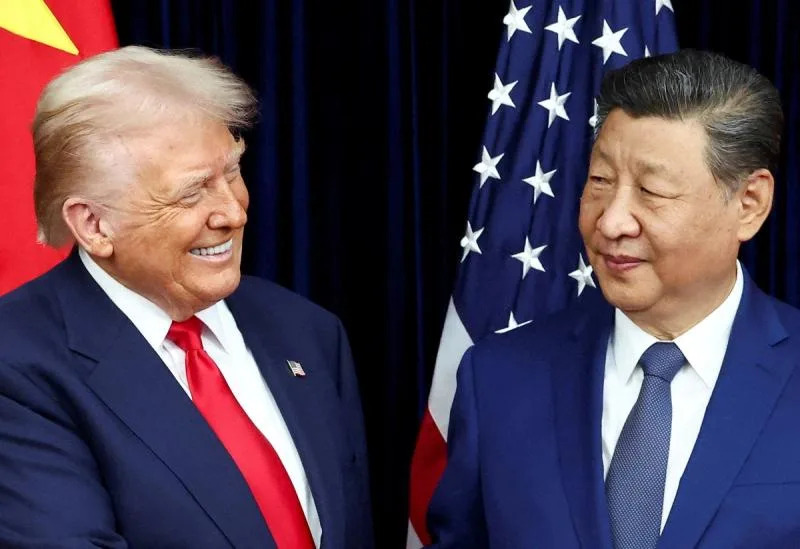
The once-dominant Washington China hawk has become less omnipresent as leaders reckon with U.S. dependence on parts of Chinese supply chains. The administration has reversed some tariffs, suspended port fees on Chinese ships, and approved sales of high-end Nvidia H200 chips — pragmatic moves that stopped short of a comprehensive trade deal. Observers suggest future negotiations could include targeted Chinese investments in U.S. industry and calibrations to export controls on chipmaking equipment, while the question of Taiwan remains a strategic flashpoint.
5. Will AI Become a Defining Campaign Issue?
Candidates on both the right and left are weaponizing concern about AI. The debate has shifted from futuristic anxieties about “killer robots” to blaming AI — with varying accuracy — for rising utility costs, sprawling data centers, youth mental health challenges, and disruptions in education and labor markets. The issue has moved from local races to high-profile primaries and gubernatorial contests. For presidential hopefuls, ties to the tech industry (or attacks on it) are likely to be a major battleground in the coming nomination fights.
6. Can Local Politics Offer a Model or a Warning?
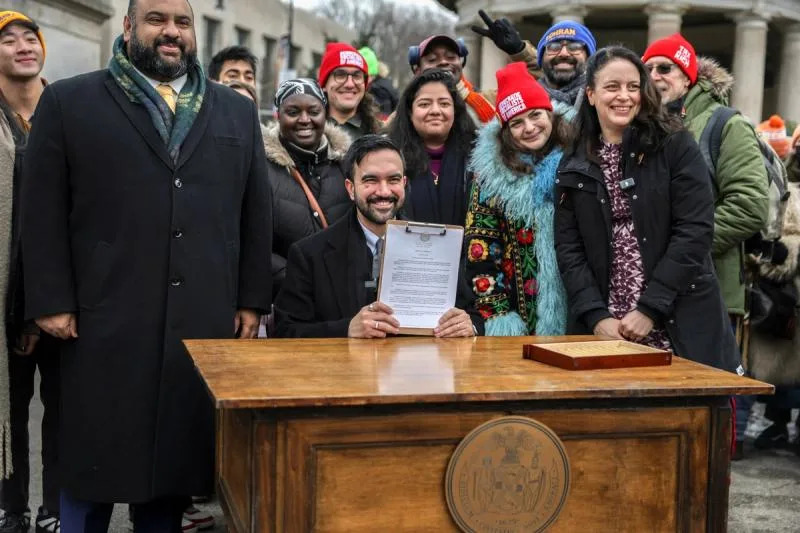
In New York, Zohan Mamdani and his allies in the Democratic Socialists of America emphasize combining ambitious policy goals with the practical work of municipal governance. Early appointments drawing on experienced city officials have earned cautious praise for restoring basic competence. Yet their broader aim — to counter Trumpism and build a lasting social-democratic movement — remains a long-term project. For now, the everyday tests of government—traffic, sanitation, and city services—will be the immediate measure of success.
Bottom line: Washington enters 2026 at an uncertain inflection point. Trump’s international reach and disruptive policy choices continue to shape markets and diplomacy, while fragile domestic political dynamics, AI-driven economic concentration, tariff litigation, and shifting China strategy will determine whether the administration stabilizes or faces a sharper decline heading into midterms and beyond.
Help us improve.


