The CDC has narrowed federal childhood vaccine guidance, reducing universally recommended vaccines from 18 to 11 and moving seven vaccines into a "shared decision-making" category. The change, prompted by a presidential request and an HHS review of peer nations, includes moving flu, RSV and COVID-19 off the universal list and reducing routine HPV dosing to one shot. Major medical groups say they will continue recommending many demoted vaccines and warn the policy could increase preventable illness. Insurers say coverage will remain available for families who want the shots.
U.S. Narrows Childhood Vaccine Guidance — 7 Shots Moved From Universal Recommendation

FILE - A certified medical assistant holds a syringe for a flu vaccine at a clinic in Seattle, on Wednesday, Sept. 10, 2025. (AP Photo/Lindsey Wasson, File)
U.S. federal health officials announced an immediate overhaul of childhood vaccine guidance that narrows the list of vaccines recommended for all children from 18 to 11. The change moves several previously routine vaccines into a "shared decision-making" category, meaning they are advised only for certain children at higher risk or when a clinician and family choose them together. The announcement prompted concern from pediatricians and major medical groups, who warn the shift could lead to confusion and reduced protection for children.
What Changed
The Centers for Disease Control and Prevention now lists 11 vaccines as universally recommended for children, down from 18 in the prior guidance. Several vaccines formerly on the routine schedule were recategorized into "shared decision-making," where recommendations are individualized rather than universal.
Vaccines Moved To Shared Decision-Making
- Influenza (Flu)
- Hepatitis A
- Hepatitis B
- Meningococcal disease
- Rotavirus
- Respiratory syncytial virus (RSV)
- COVID-19 (federal recommendation changed in 2025)
Vaccines Still Universally Recommended
- Measles, mumps and rubella (MMR)
- Diphtheria, tetanus and pertussis (DTaP)
- Polio
- Chickenpox (varicella)
- Human papillomavirus (HPV) — guidance unexpectedly reduces routine dosing to a single dose
- Haemophilus influenzae type b (Hib)
- Pneumococcal conjugate vaccine (PCV)
Why Federal Officials Made the Change
The Department of Health and Human Services said the revision followed a December request from President Donald Trump asking HHS to review how peer nations set vaccine recommendations and consider aligning U.S. guidance. HHS compared U.S. policy with 20 peer countries and concluded the United States recommended more vaccines and more doses than most peers. Agency officials said narrowing the federal endorsement could improve public trust by emphasizing the most essential childhood immunizations.
HHS also acknowledged that several European countries continue to recommend some vaccines that the U.S. guidance removed from the universal list.
Response From Doctors And Pediatric Groups
Major medical organizations, including the American Medical Association and the American Academy of Pediatrics, said they will continue to recommend many of the vaccines that the federal guidance has demoted. These groups noted there is no new scientific evidence showing the previous U.S. schedule harmed children and warned the changes could increase the risk of preventable illness and death.
Dr. Sean O'Leary of the AAP expressed particular concern about stopping universal flu vaccine advice for children amid a worsening influenza season. The AAP has published its own child vaccine recommendations, and some state health authorities and coalitions are moving to preserve stronger school vaccination rules.
What Families Should Expect
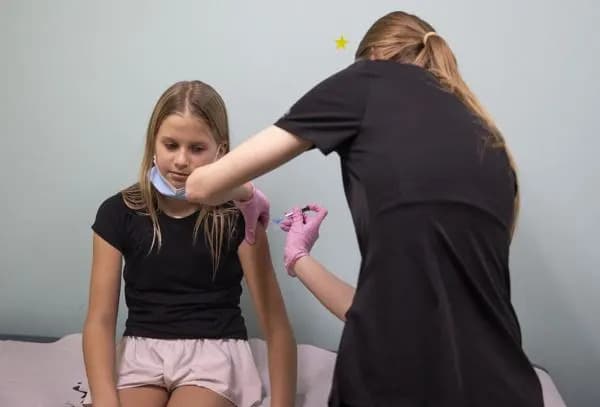
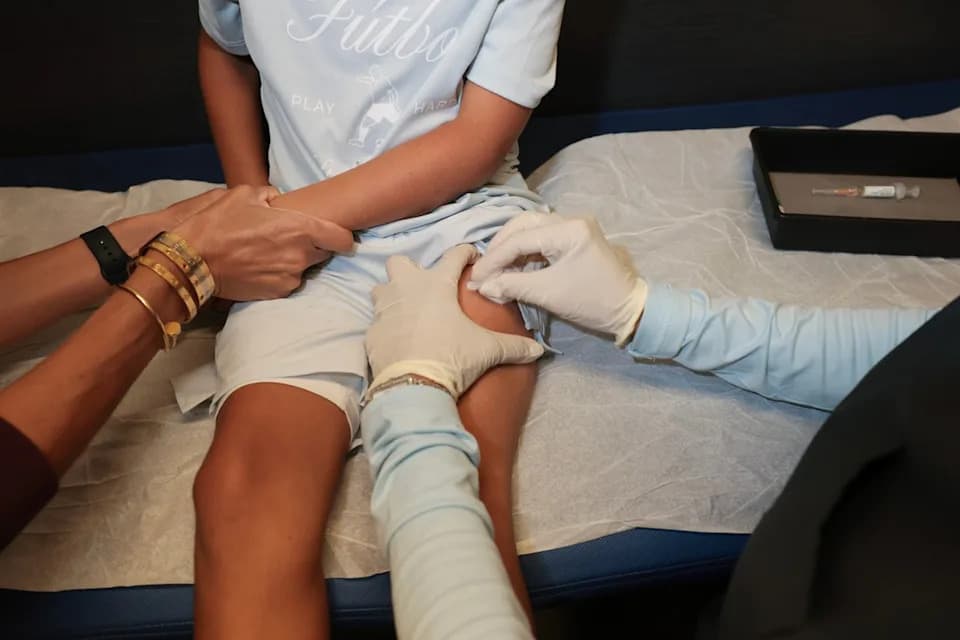
In practice, the immediate effect on clinic visits may be limited because many pediatricians plan to continue offering the same vaccines. Nevertheless, federal guidance that no longer explicitly endorses a vaccine is likely to prompt more questions from parents and lengthen conversations in the exam room. Public health experts warn that if fewer children receive vaccines, outbreaks of previously controlled diseases could increase, leading to more illness and missed school or work.
Insurance And Coverage
The administration said insurers will continue to cover vaccines for families who choose them. Many insurers view vaccination as cost-effective because preventing severe disease is cheaper than treating it, and several companies had already planned to cover the shots recommended under last year's schedule through 2026.
Reporting note: Associated Press writers Ali Swenson and Mike Stobbe contributed to the original report. The Associated Press Health and Science Department receives support from the Howard Hughes Medical Institute’s Department of Science Education and the Robert Wood Johnson Foundation; the AP is solely responsible for the content.
Help us improve.