Health authorities say this flu season has reached record-high activity, with widespread circulation and increased healthcare visits. Officials describe the season as unusually severe and advise heightened vigilance. Key steps: get vaccinated, practice hand hygiene and respiratory etiquette, and seek medical care if symptoms are severe or worsen.
Severe Flu Season Hits Record High — Health Officials Urge Caution

Health authorities report that this flu season has surged to record-high levels of activity, marking one of the most severe seasons in recent years. Officials are urging the public to take precautions, get vaccinated if eligible, and seek medical care when symptoms worsen.
Current Situation
Surveillance data indicate widespread and intense flu circulation across multiple regions. Healthcare providers are reporting increased patient visits for influenza-like illness, and hospitals in some areas are experiencing higher-than-normal admissions related to flu complications.
Symptoms And When To Seek Care
Common symptoms include fever, cough, sore throat, body aches, fatigue, and sometimes vomiting or diarrhea. Most healthy adults recover at home, but immediate medical attention is recommended for:
High fever, difficulty breathing, chest pain, sudden dizziness, persistent vomiting, or if symptoms rapidly worsen — especially for young children, older adults, pregnant people, and those with chronic health conditions.
Prevention And Treatment
Prevention:
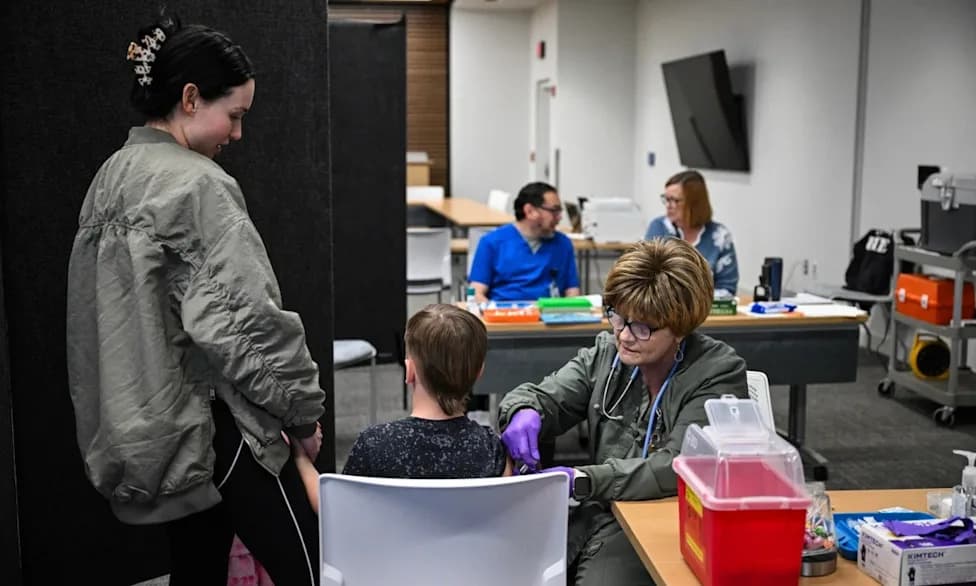
- Get an annual flu vaccine as soon as possible if you haven’t already.
- Practice good hand hygiene, cover coughs and sneezes, and stay home when sick.
- Avoid close contact with people who are ill and clean frequently touched surfaces.
Treatment: Antiviral medications can reduce the severity and duration of influenza when started early. Healthcare providers may prescribe antivirals for people at higher risk of complications or those with severe illness.
What To Do Now
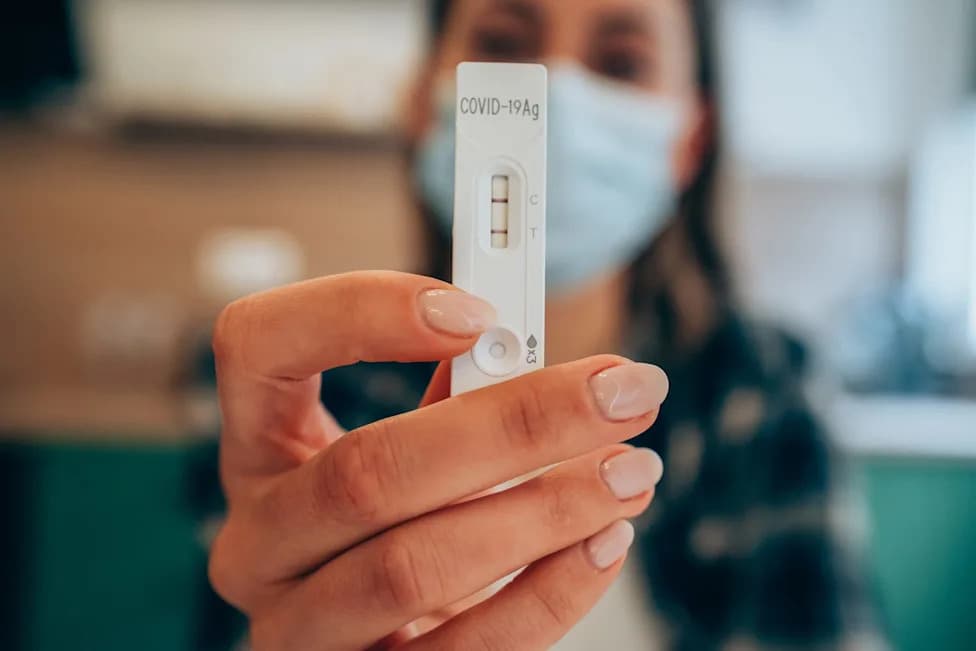
If you develop flu symptoms, contact your healthcare provider—especially if you are in a high-risk group or symptoms worsen. Follow local health guidance and consider testing if recommended by public health officials.
Bottom line: This is an unusually active flu season. Vaccination, good hygiene, and prompt medical advice for worsening symptoms remain the best defenses.
Help us improve.