Dr. Mehmet Oz, now administrator of the Centers for Medicare & Medicaid Services, recently characterized the seasonal flu vaccine as "controversial of late" on Newsmax. Critics point to his history of promoting questionable medical claims and say such comments are risky coming from a federal health official. Public-health experts, including former Surgeon General Jerome Adams, counter that even in mismatched years vaccines typically reduce flu risk by roughly 50–60% and lower hospitalizations and deaths. Observers warn that undermining vaccine confidence can worsen outcomes during severe flu seasons.
Dr. Oz Downplays Flu Vaccine on Newsmax, Reviving Concerns Over His Medical Messaging

Dr. Mehmet Oz's recent comments describing the seasonal flu vaccine as "controversial of late" have reignited concerns about his public health messaging now that he leads the Centers for Medicare & Medicaid Services (CMS).
His selection for the CMS post drew scrutiny not only because critics said he lacked the relevant administrative experience but also because of a long record of public statements and endorsements that many medical experts have called dubious. In 2021, The New York Times documented a pattern of "dispensing dubious medical advice" and making "sweeping claims based on thin evidence." The Washington Post similarly reported that, over a 12-year run, his television show gave airtime to products and viewpoints medical authorities considered potentially dangerous.
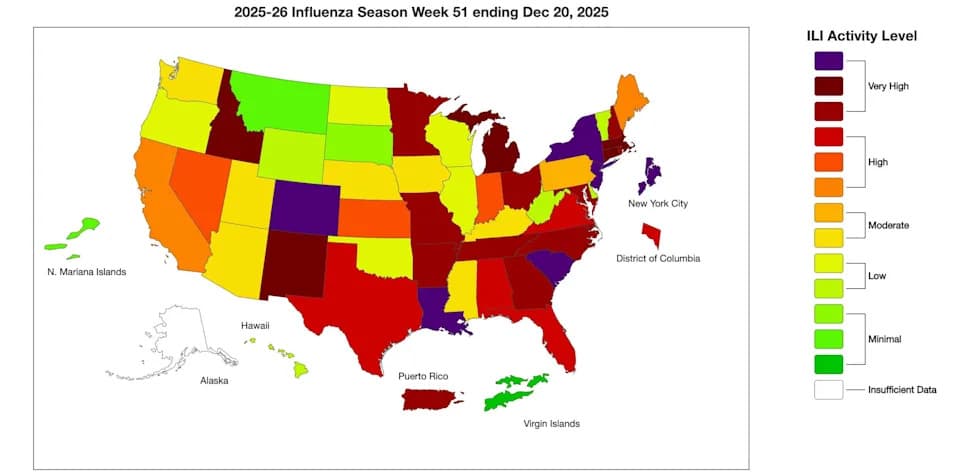
Recently, The Hill reported that on Newsmax Oz called this year’s seasonal flu vaccine "controversial of late" while discussing a flu season dominated by a more severe strain than in some prior years. The exchange with the host prompted criticism that Oz — now the head of a major federal health agency — was offering irresponsible or misleading commentary on national television.

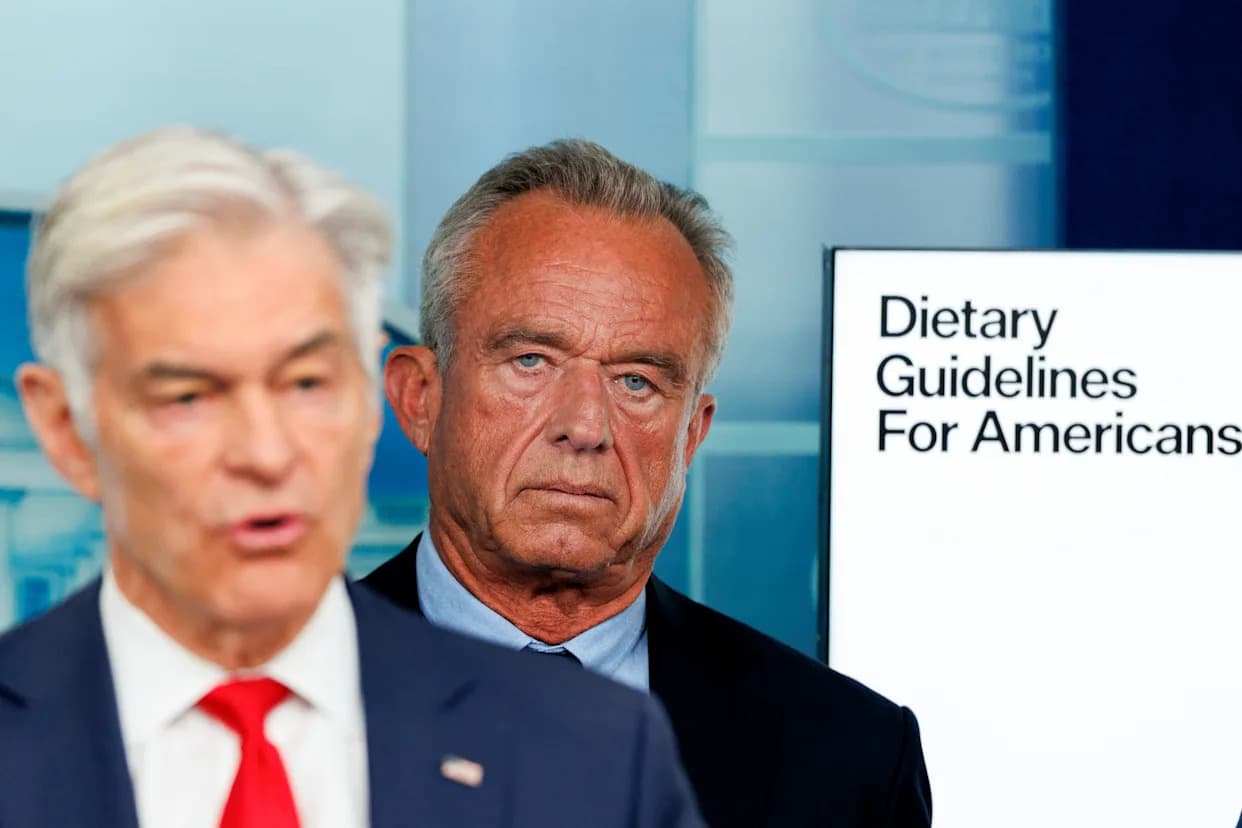
Health and Human Services Secretary Robert F. Kennedy Jr., left, talks with Administrator for the Centers for Medicare & Medicaid Services Dr. Mehmet Oz while President Donald Trump delivers remarks on lowering drug prices in the Oval Office on Nov. 6, 2025.(Andrew Harnik/Getty Images)
"Every year there’s a flu vaccine. It doesn’t always work very well. That’s why it’s been controversial of late." — Dr. Mehmet Oz on Newsmax
Public-health experts and former officials pushed back. Dr. Jerome Adams, who served as U.S. Surgeon General under President Trump, noted on X that even when the annual vaccine is not an exact match for circulating strains, it usually provides some cross-protection and reduces severe outcomes.
"Even in mismatched years, flu vaccines provide cross-protection because the strains are related," Adams wrote. "Historical data ... show mismatched vaccines can still reduce lab-confirmed flu risk by around 50-60% overall and are particularly good at preventing severe outcomes like hospitalization and death."
Those figures reflect broad, peer-reviewed evidence that vaccination generally lowers the risk of severe illness, hospitalization and death. Each influenza season varies, but higher vaccination coverage is consistently associated with fewer severe cases and reduced pressure on hospitals.
Critics say Oz’s remarks are especially consequential given his leadership role at CMS, an agency responsible for programs that affect millions of Americans. Observers worry that public skepticism from a high-profile federal official can undermine vaccination campaigns and public trust, particularly during seasons with more virulent strains.
Bottom line: While scientific debate and transparency about vaccine effectiveness are important, the prevailing evidence supports annual influenza vaccination as a key tool to reduce severe disease and deaths. Experts recommend vaccination even in years when the match between vaccine and circulating strains is imperfect.
Help us improve.