
Doctors are raising alarms after reported U.S. tetanus cases rose to 32 in 2024 and at least 37 this year — the highest totals in over a decade. An NBC News/Stanford investigation found kindergarten DTaP vaccination rates falling in more than 75% of reporting counties since 2019. Tetanus, acquired from soil through puncture wounds, causes severe, painful spasms and often requires prolonged, costly ICU care; experts warn that climate‑related disasters that increase injuries make declining vaccine coverage especially dangerous.
Doctors Warn Tetanus Cases Are Rising As Childhood Vaccination Rates Fall

Valley Discount Pharmacy provided tetanus immunizations to residents at Valley Elementary School in Pikeville, Ky., in 2022 after widespread destruction caused by flooding in the region. (Sam Upshaw Jr. / The Courier-Journal via USA Today Network file)
Every physician wants to see a patient smile — but there is one expression no clinician hopes to witness: risus sardonicus, the fixed "sardonic grin" that signals severe tetanus. After decades of near‑elimination in the U.S., doctors say disturbing signs suggest tetanus is reemerging as vaccination coverage drops and climate‑driven disasters increase injuries that expose people to soil and debris.
Recent Trends and Alarming Numbers
When the tetanus vaccine was combined with diphtheria and pertussis (DTaP) in 1948, 601 U.S. cases were reported that year. In recent decades the annual total fell to roughly 15–28 cases. But the trend reversed recently: there were 32 cases in 2024 and at least 37 confirmed cases so far this year — the highest total in more than a decade.
Dropping Childhood Vaccination Rates
An NBC News/Stanford University investigation found widespread declines in kindergarten DTaP coverage. Among states that provided data back to 2019, more than 75% of counties and jurisdictions have seen downward trends in the DTaP series that begins at two months of age. Because tetanus is acquired from the environment rather than spread person‑to‑person, herd immunity does not apply — but falling vaccine coverage leaves more people vulnerable.
What Tetanus Does And Why It’s So Dangerous
Tetanus bacteria live in soil and manure and can enter the body through puncture wounds, lacerations or other skin breaks. Symptoms generally appear 3–21 days after exposure and include painful, often life‑threatening muscle spasms. Early signs can progress to jaw clenching ("lockjaw"), severe back arching and spasms that can constrict the airway or trigger respiratory failure.
"It looks terrible," said Dr. Mobeen Rathore, Chief of Pediatric Infectious Diseases and Immunology at the University of Florida College of Medicine‑Jacksonville, describing the classic rigid facial expression and painful spasms.
Treatment Is Lengthy And Costly
Tetanus treatment can require prolonged intensive care, sedation, mechanical ventilation and immune globulin. A 2019 CDC case report described a 6‑year‑old unvaccinated boy in Oregon whose treatment costs approached $1 million. Another recent pediatric case required 37 days in hospital, and a Kansas teenager spent 40 days in intensive care and faced complications including ventilator‑associated pneumonia and bedsores.
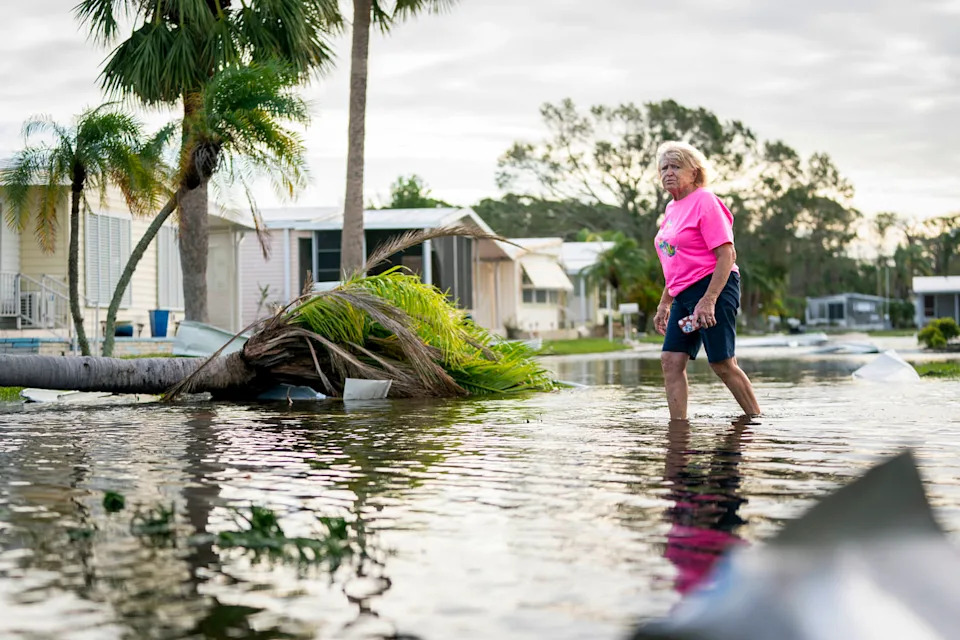
A woman walks along a flooded street in Osprey, Fla., in 2024 in the aftermath of Hurricane Milton. (Sean Rayford / Getty Images file)
Real Patients, Real Consequences
In Nevada, 42‑year‑old Nikki Arellano had not had a tetanus shot since 2010. After a minor cut while helping set up a wedding, she developed jaw pain that rapidly progressed to locked jaw and whole‑body spasms, forcing nearly a week of hospitalization and ongoing recovery. Health workers say even routine sounds like an IV pump beeping can trigger painful contractions in patients with tetanus.
Climate Risks And Geographic Hotspots
Natural disasters — floods, hurricanes, tornadoes — increase tetanus risk by creating more injuries from nails, glass and debris during cleanup. As extreme weather events grow more frequent and intense, experts warn that lower vaccination coverage heightens the chance of outbreaks after disasters. NBC News data show notable declines in kindergarten DTaP coverage in high‑risk states such as Florida, Texas and Kansas.
Globally, tetanus remains a problem in some regions: the World Health Organization reported 540 cases in the Democratic Republic of the Congo last year, underscoring ongoing risks where vaccine access is limited.
Prevention: Easy, Effective, Underused
The childhood DTaP series begins at two months. After that primary series, adults are advised to receive a tetanus booster (Td or Tdap) every 10 years. Health officials emphasize that prevention is straightforward and far less costly than prolonged intensive care.
What readers can do: Check childhood vaccination records; ensure adults receive a tetanus booster every 10 years; seek prompt wound care after punctures or contaminated injuries; and follow public health guidance after storms and floods.
This article was originally reported by NBC News and has been edited for clarity and flow.


