Mountain terraces—seen in the Ifugao highlands of the Philippines and Morocco’s Anti-Atlas—slow runoff, reduce erosion and often retain 15–30% more moisture than unmodified slopes. Their structure and soils record generations of adaptive choices about water, labor and crops. Traditional practices—like planting Tinawon rice or drought-tolerant barley and coordinated canal maintenance—spread risk and increase resilience. Today, stronger storms, labor migration and economic change threaten upkeep, making public support and community cooperation essential.
How Mountain Terraces Help Indigenous Communities Live With Climate Uncertainty
Paul Connor and the Ifugao Archaeological Project, CC BY
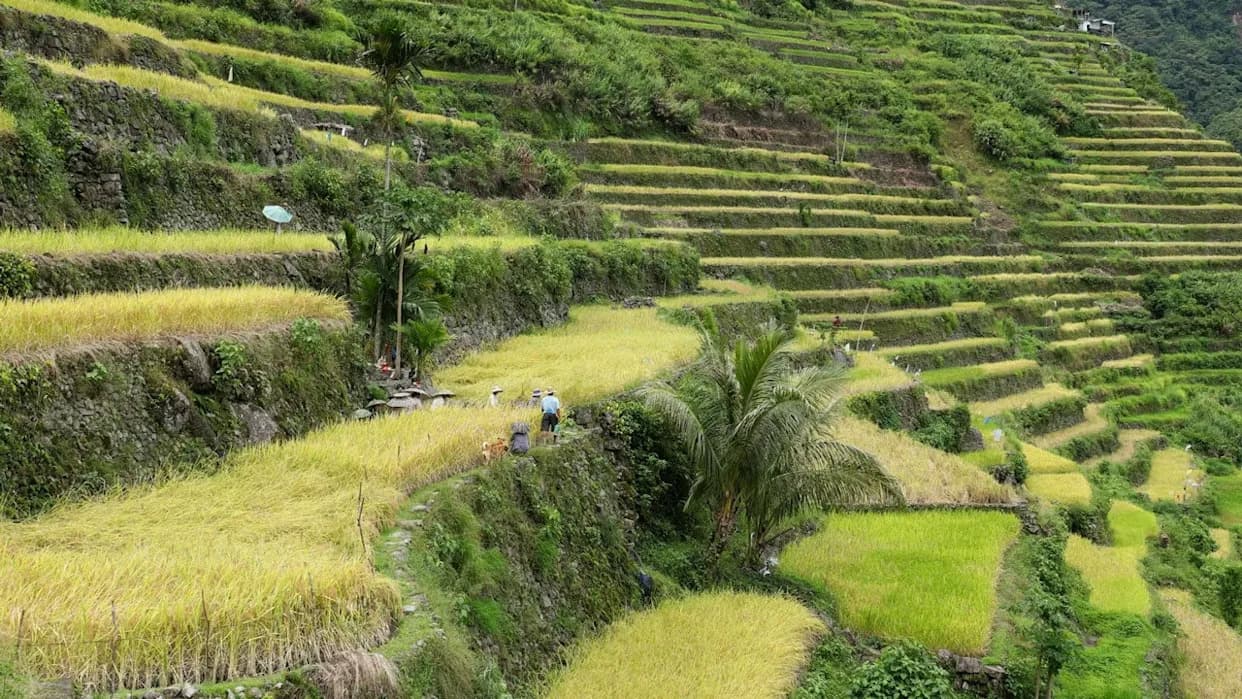
Indigenous communities have long relied on careful observation of weather, water, soils and seasonal rhythms to adapt to changing climates. One powerful, place-based strategy is mountain terrace agriculture: reshaping steep slopes into level steps that slow runoff, reduce erosion and retain soil moisture.
Map: The Conversation, CC-BY-ND Source: UNESCO World Heritage Convention
Terraces as Living Infrastructure and Archives
Terraces work by slowing flowing water without fully blocking it, allowing rain to infiltrate the soil and reducing the speed that strips soil from slopes. Comparative measurements often find terraced fields retain 15%–30% more moisture than adjacent unmodified slopes, and in some locations the difference is substantially larger. That extra moisture helps crops survive short dry spells between intense storms.
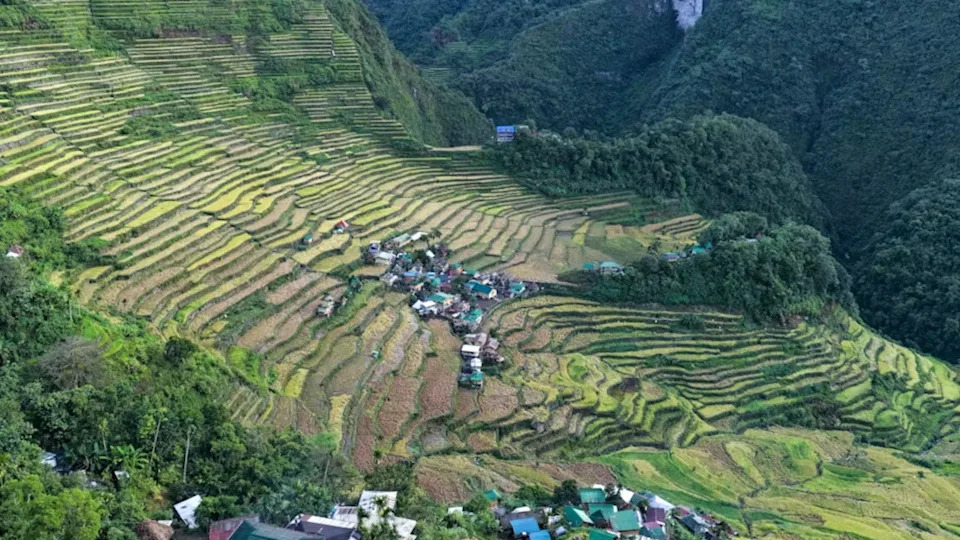
Paul Connor and the Ifugao Archaeological Project, CC BY
Because terraces require ongoing maintenance, their walls, repair layers and sediment deposits also record how communities responded to environmental stress. Archaeological study of wall construction, soil profiles and channel alignments can reveal past decisions about water management, labor organization and crop choice.
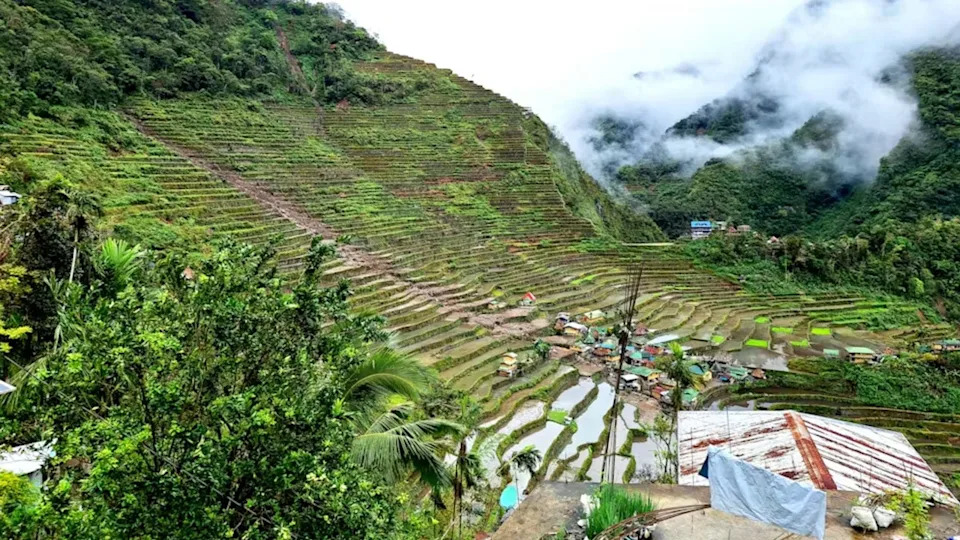
Courtesy of Rae Macapagal, CC BY
Examples From The Ifugao Terraces (Philippines)
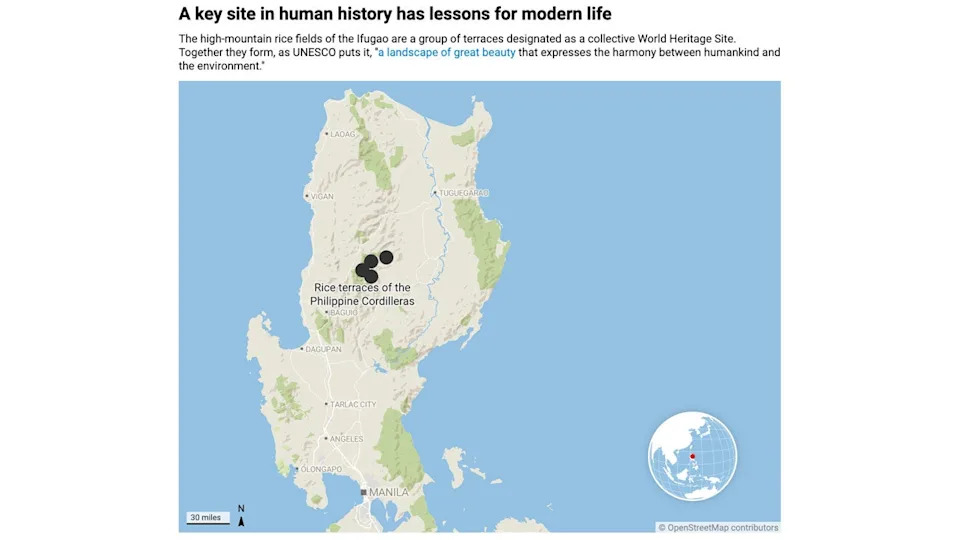
My fieldwork in the Ifugao rice terraces of the northern Philippines spans nearly two decades. Although often described as timeless, archaeological and historical evidence indicates many terraces were constructed around the 17th century during political and economic pressures associated with Spanish colonial expansion. Highland communities raised fields to higher elevations and reconfigured settlements as a defensive and adaptive response.
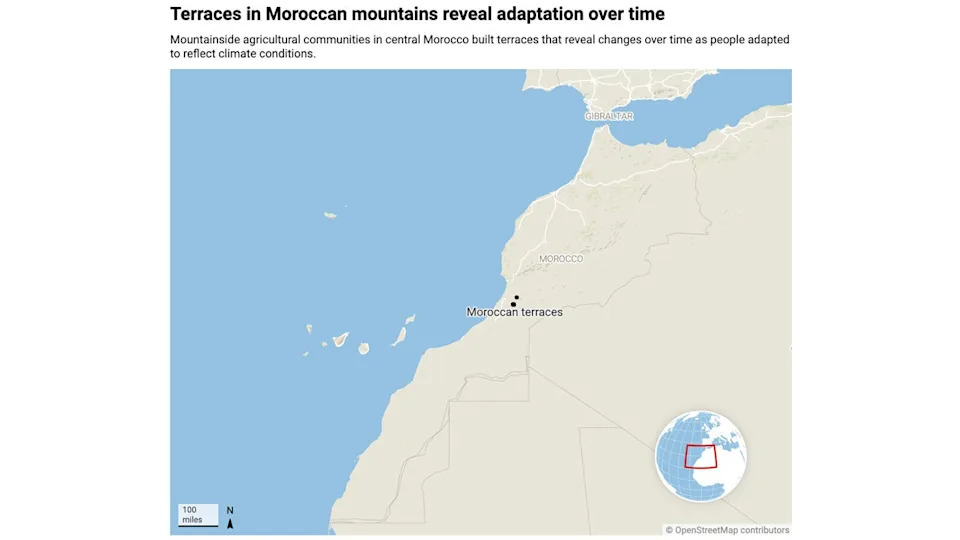
Map: The Conversation, CC-BY-ND
Ifugao farmers cultivate multiple, farmer-selected rice varieties—locally known as Tinawon—each adapted to microenvironments across terraces. By planting different varieties on terraces matched to soil depth, elevation and moisture, farmers spread risk rather than relying on a single strategy. Farmers also act on subtle environmental signals—such as weakened springs or increased earthworm activity—to decide when to repair walls, clear canals or adjust planting dates.
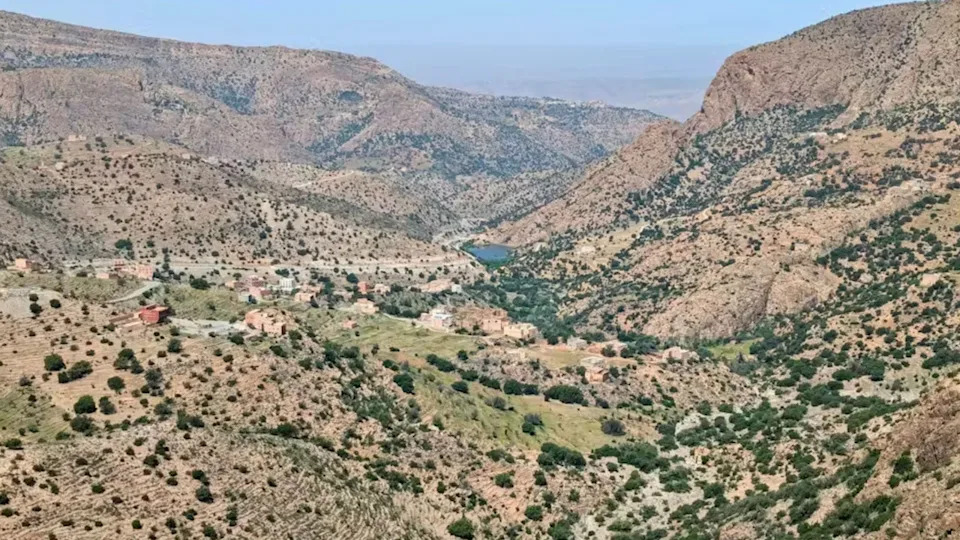
E.J. Hernandez, CC BY
Anti-Atlas Terraces (Morocco) And Comparative Insights
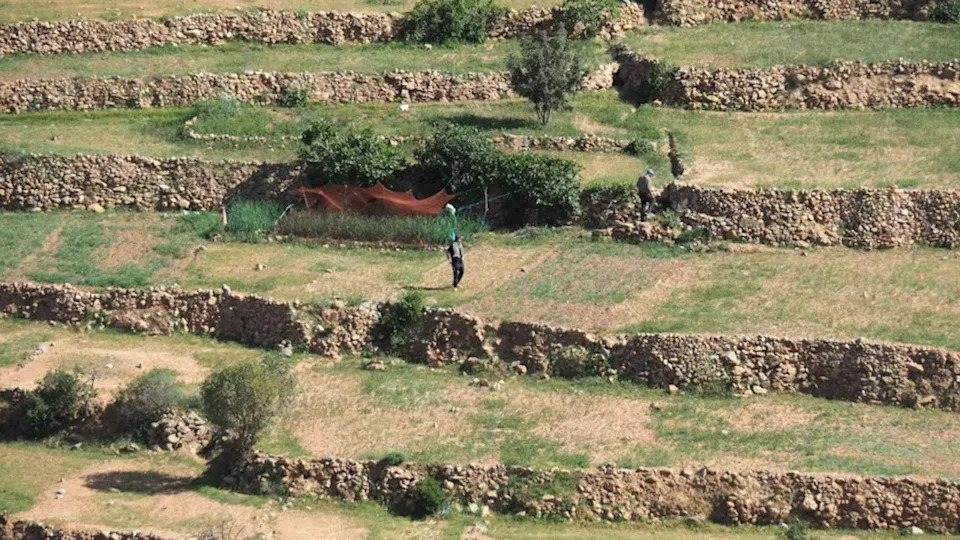
In collaboration with the Université Internationale de Rabat, I study terraces in Morocco’s Anti-Atlas Mountains. Many of these terraces were built in the late 16th–17th centuries and remained active until the 20th century, when out-migration reduced the labor force for routine upkeep. Partially abandoned terraces nevertheless preserve evidence of how past communities retained moisture in dry landscapes and routed scarce water toward priority plots.

Stephen Acabado, CC BY
Crop choice was central to adaptation in Morocco: farmers relied on drought-tolerant barley varieties that can germinate with limited moisture and mature before peak summer heat. Research shows traditional North African barley often maintains a majority of its yield in severe droughts, whereas modern high-yield varieties bred for irrigated conditions can fail under the same stress.
M. Yakal, CC BY
Limits And Contemporary Challenges
Terraces are effective but not limitless. Increasing storm intensity (notably major typhoons in 2018 and 2022 in the Philippines), labor shortages as younger people migrate to cities or overseas, and shifting economic priorities reduce the capacity for maintenance. Today, government support for repairs and programs that sustain farmer participation are often necessary to preserve these systems.
Despite these pressures, terrace systems in the Philippines and Morocco illustrate shared principles: coordinated water management, crop diversity, intergenerational knowledge transmission and community cooperation. They are not universal fixes, but they offer durable design strategies that spread risk and prioritize long-term resilience over short-term efficiency.
Stephen Acabado, Professor of Anthropology, University of California, Los Angeles
Help us improve.