Iraq is covering sand dunes in the south with 20–25 cm of moist clay and planting heat‑tolerant trees to curb worsening sand and dust storms driven by drought, higher temperatures and deforestation. The UN‑Habitat, Iraqi authorities and the Kuwait Fund for Arab Economic Development are combining clay application, canal digging and Euphrates water pumping to prepare land for vegetation. Officials say Iraq now faces about 243 storms a year and warn "dust days" could reach 300 by 2050 without stronger mitigation. The project also aims to protect a hazardous southern highway and restore agricultural land.
Iraq Lays 20–25 cm of Moist Clay on Dunes to Fight Escalating Sandstorms

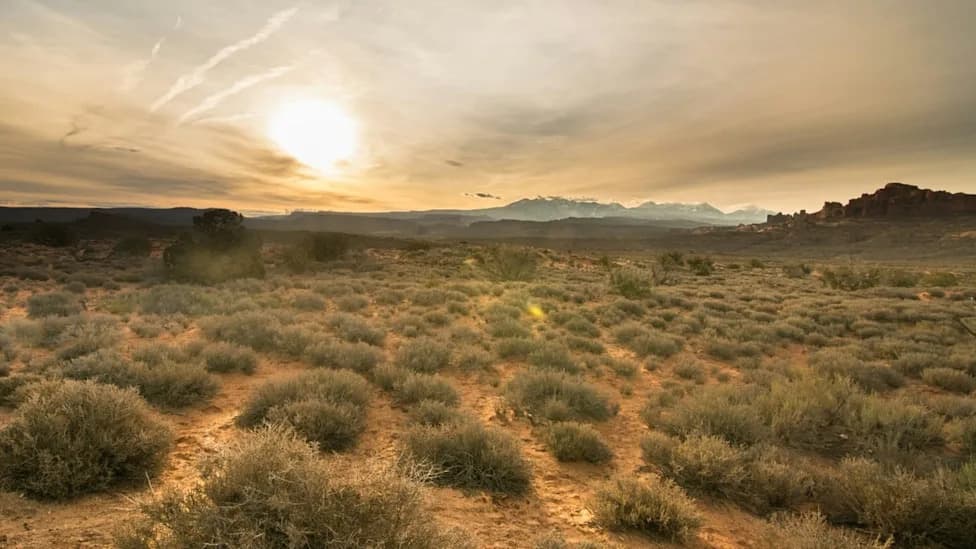
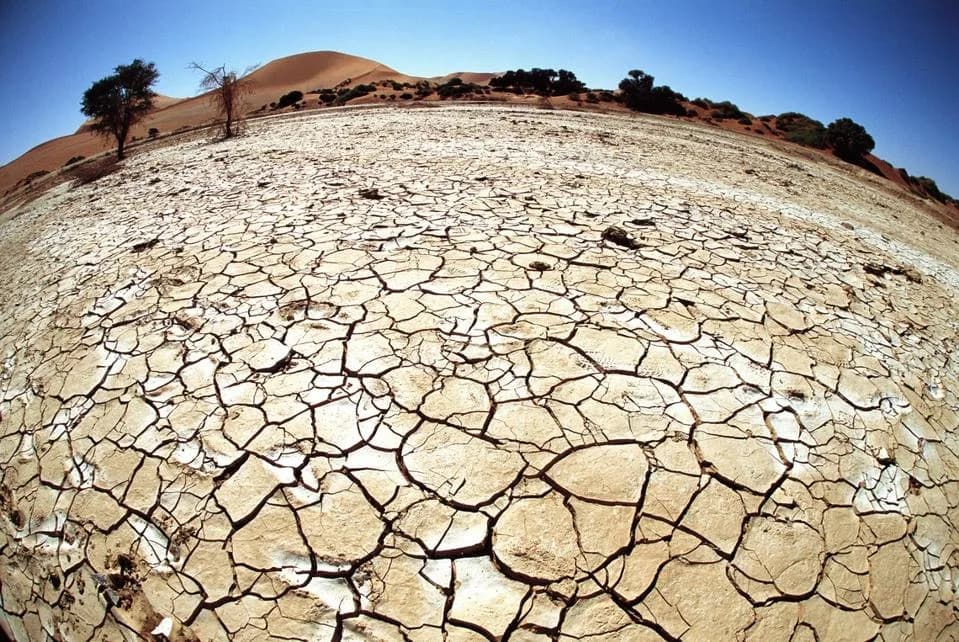
Iraq has long suffered from sand and dust storms, but in recent years they have become more frequent and intense as the country falls prey to the effects of climate change (AHMAD AL-RUBAYE)(AHMAD AL-RUBAYE/AFP/AFP)
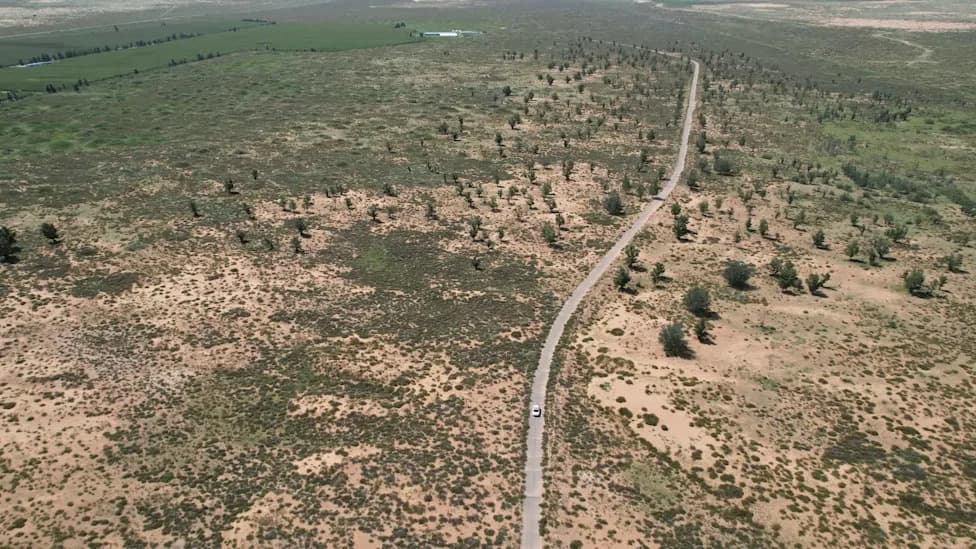
In Iraq's southern desert, bulldozers and earthmovers are spreading 20–25 cm of moist clay across sand dunes in a targeted effort to reduce the frequency and intensity of sand and dust storms that have worsened with climate change.
What Is Being Done
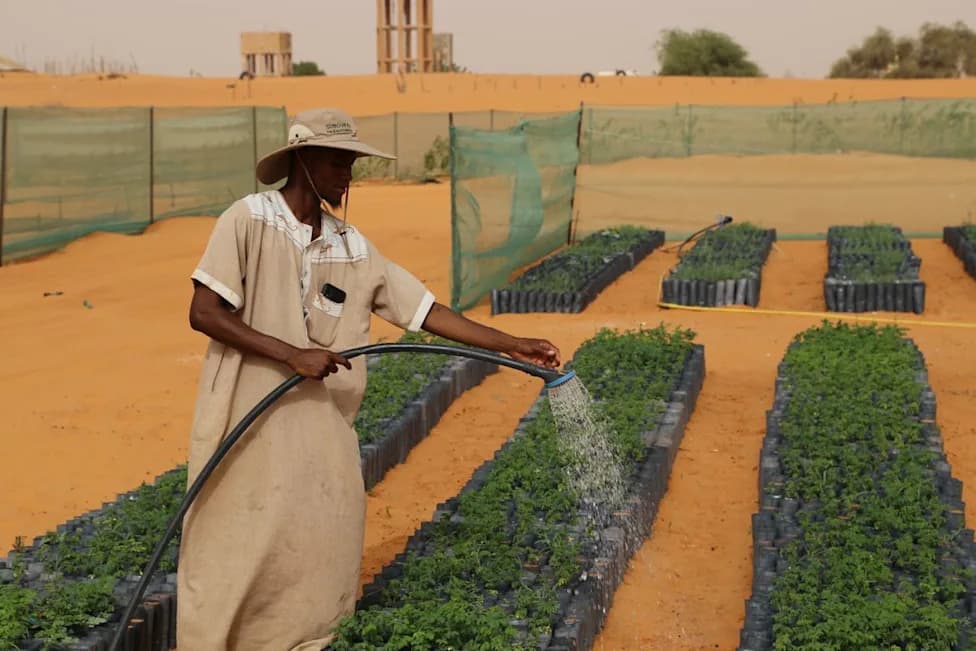
Between the cities of Nasiriyah and Samawah, not far from ancient Sumerian ruins, workers are stabilizing priority areas by laying a protective layer of damp clay. The initiative also includes planting heat‑tolerant species such as Prosopis and Conocarpus to bind the soil and reduce wind erosion. Shorter‑term measures aim to shield a busy southern highway that has seen numerous accidents when storms drastically reduce visibility.
Partners, Methods and Goals
The project is led by UN‑Habitat in coordination with Iraqi authorities and supported by the Kuwait Fund for Arab Economic Development. Alongside clay application and planting, teams are digging water canals and installing electricity to pump water from the Euphrates River to prepare arid land for vegetation. The combined measures seek both immediate reductions in airborne dust and longer‑term restoration of agricultural land so local farmers can eventually maintain the improvements.
"The main goal is to reduce the impact of transboundary dust storms, which may reach Kuwait, Saudi Arabia and Qatar," said Udai Taha Lafta of UN‑Habitat. "It is a vital area despite its small size, and will hopefully help reduce dust storms next summer."
Why It Matters
Prolonged drought, rising temperatures and deforestation have made sand and dust storms in Iraq more frequent and severe. The Ministry of Environment estimates the country now faces about 243 storms a year, and warns the number of "dust days" could climb to 300 by 2050 unless stronger mitigation is implemented. These storms have blanketed towns in ochre haze, disrupted flights and increased respiratory health problems.
Iraq has experience in dune stabilization dating back to the 1970s, but decades of conflict interrupted environmental programs. With the recent acceleration of climate impacts, officials and researchers say restoration and stabilization efforts have resumed, and progress is "slow but steady," according to Najm Abed Taresh of Dhi Qar University.
Project Outlook: While the treated area is relatively small, authorities hope clay layering, combined with planting and improved water access, will reduce dust emissions locally and lessen transboundary impacts. Long‑term success will depend on sustained water supplies, local maintenance capacity and broader measures to address drought and land degradation.
Help us improve.