Scientists warn that many aquifers are being drained faster than natural recharge can replace them. Cloud seeding—dispersing silver iodide into clouds to encourage precipitation—is being considered as one tool to help replenish groundwater, though its effectiveness varies. LSU Shreveport professor Peter Siska highlighted drought and over-extraction, especially in the Ogallala (High Plains) Aquifer, as key concerns. Experts stress that cloud seeding must be paired with conservation, efficient irrigation and other long-term water-management measures.
Could Cloud Seeding Help Stop Rapid Groundwater Loss?
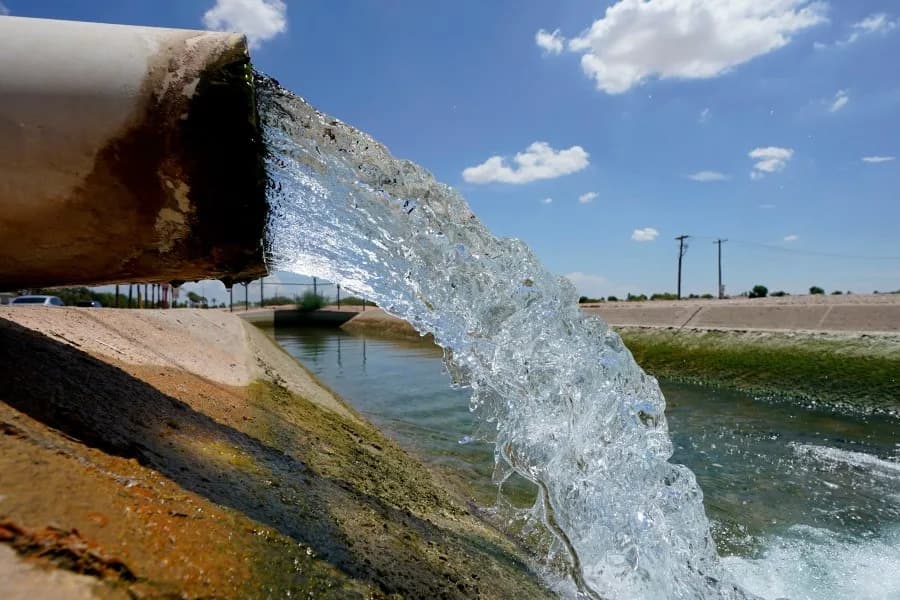
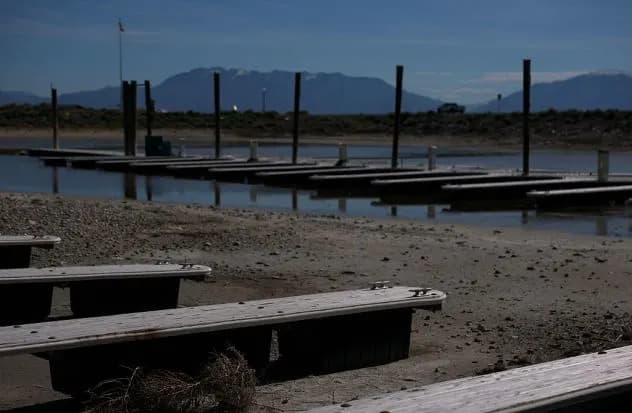
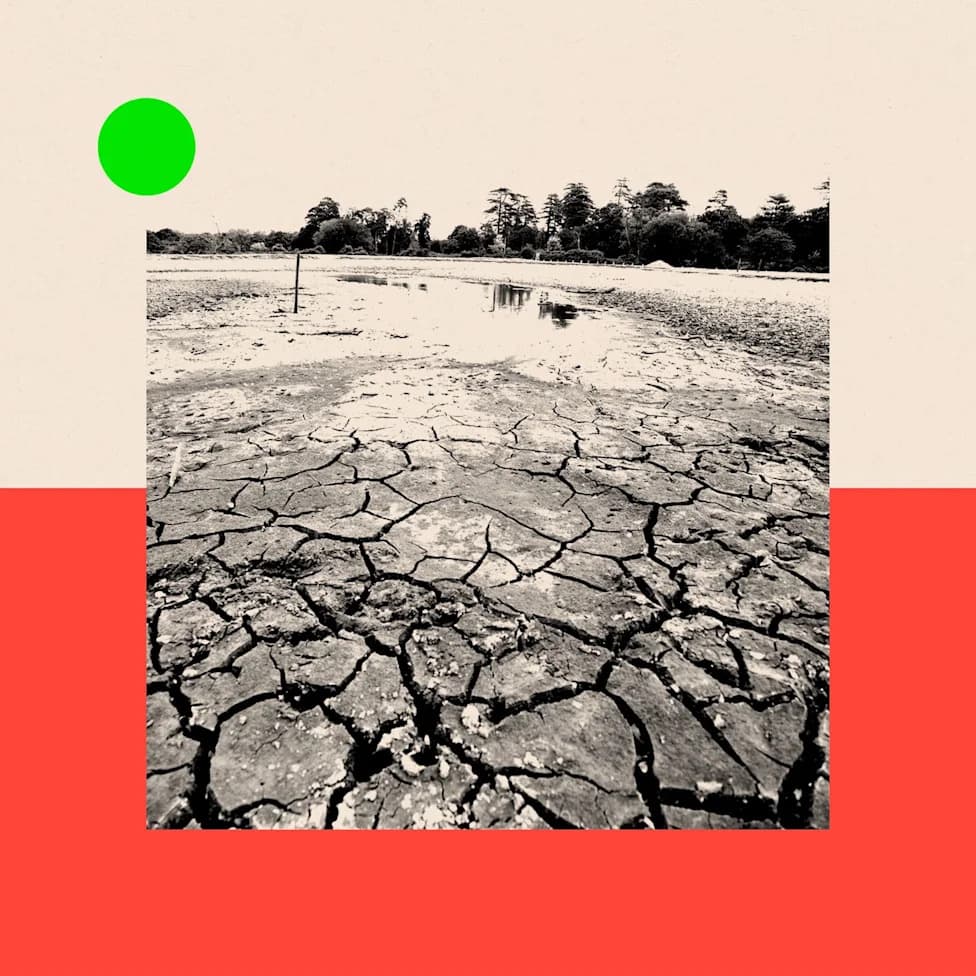
Shreveport, La. — Scientists warn that many aquifers are being depleted faster than natural recharge from rain and snowmelt can replace them, raising concern for agriculture, cities and long-term water security.
What Is Cloud Seeding?
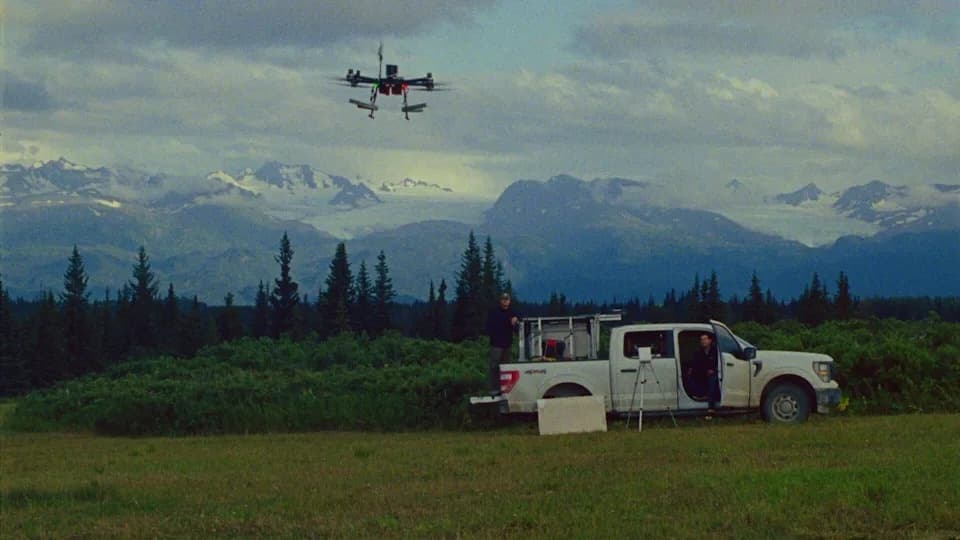
Cloud seeding is a weather-modification technique that disperses tiny particles—commonly silver iodide—into clouds to provide nuclei around which water vapor can condense. Under suitable atmospheric conditions, this can increase the likelihood of precipitation, though results vary by region, cloud type and timing.
Expert View
Peter Siska, PhD, a professor at LSU Shreveport, says cloud seeding can be a useful tool to help offset groundwater losses. “There is a concern that we can address. It’s no question about it,” Siska said, noting the practice has supported agricultural irrigation in some areas.
Why This Matters: The Ogallala And Beyond
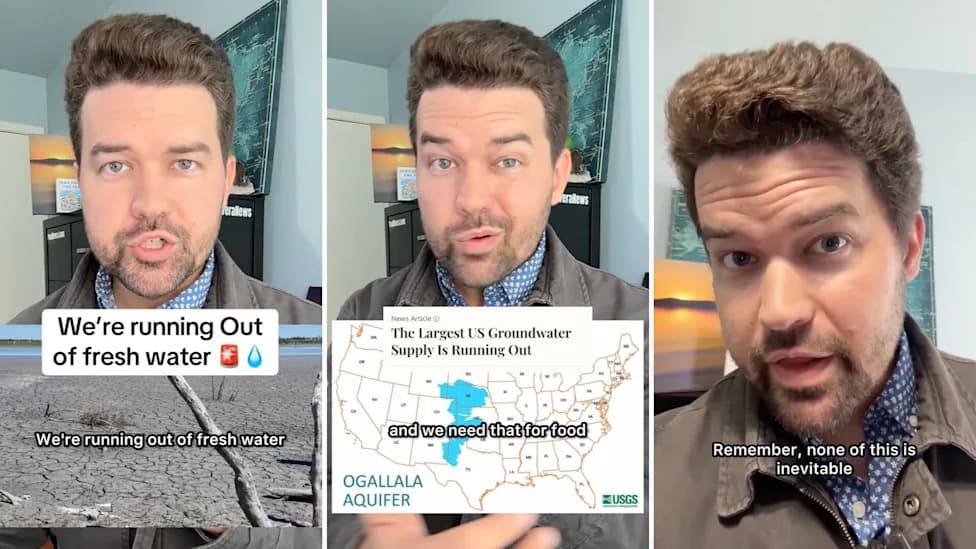
Scientists point to drought and excessive extraction for agriculture as primary drivers of aquifer decline. The Ogallala (High Plains) Aquifer — one of the largest groundwater sources in the United States — underlies roughly 174,000 square miles across parts of eight central states and is frequently cited in discussions of long-term groundwater sustainability.
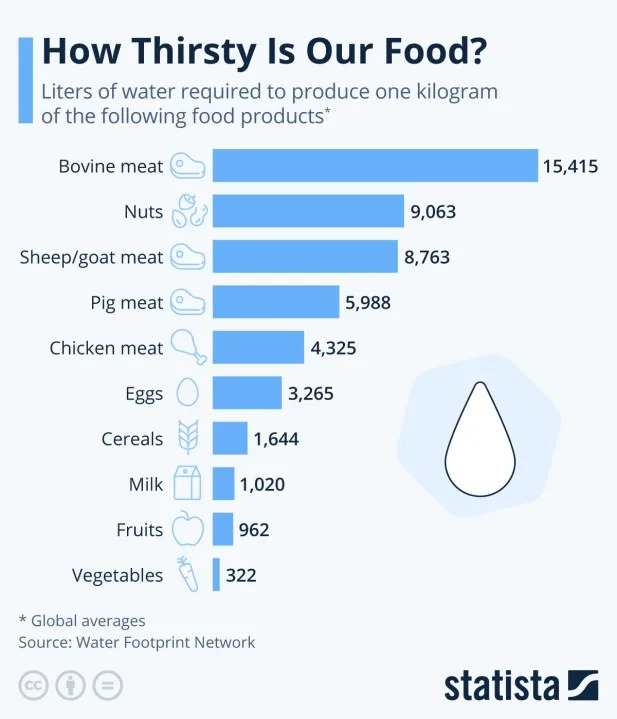
Source: How thirsty is our food –https://www.statista.com/chart/9483/how-thirsty-is-our-food/
“It’s simply overuse of water for agricultural production, different plants,” Siska said. “Because of climate shifts and rising demand for crops, some regions are getting drier while water use grows. That raises a real risk that we could face shortages in densely populated urban and agricultural areas in the future.”
Limitations And Environmental Considerations
Cloud seeding is not a guaranteed fix. Effectiveness depends on existing atmospheric moisture and other conditions, and scientific evaluations report mixed results. There are also environmental and regulatory questions—while silver iodide is generally regarded as low in toxicity at the concentrations used, long-term monitoring and careful oversight are important.
What Can Be Done Besides Cloud Seeding?
Experts emphasize that cloud seeding should be one tool within a broader water-management strategy. Conserving water, adopting more efficient irrigation and household appliances, capturing and using rainwater, and shifting agricultural practices to less water-intensive crops all reduce pressure on aquifers and improve resilience.
Bottom line: Cloud seeding may help increase precipitation in some situations, but it is not a standalone solution. Long-term groundwater sustainability will require combined technological, policy and conservation measures.
Reporting by KTAL/KMSS. Copyright 2026 Nexstar Media, Inc. All rights reserved.
Help us improve.