Trump administration officials plan to dismantle the National Center for Atmospheric Research (NCAR), a 65-year-old NSF-supported research center that employs roughly 830 people and serves a 129-member university consortium. Critics say the move—linked to Project 2025 and announced by OMB director Russell Vought—would weaken U.S. forecasting, disaster preparedness and international climate modeling just as the country faces rising numbers of costly, deadly extreme-weather events.
Trump’s Move to Break Up NCAR Advances Project 2025 Agenda and Threatens U.S. Climate Science

How Trump’s latest assault on climate science, dismantling NCAR, fulfills a Project 2025 goal
In his recent address to the nation, President Donald Trump declared, “We’re the hottest country anywhere in the world,” a striking comment that comes as global and U.S. temperatures hit record highs. Yet while the country is literally warming, the administration’s decision to target the National Center for Atmospheric Research (NCAR) risks undermining the very science that tracks and warns us about extreme weather.
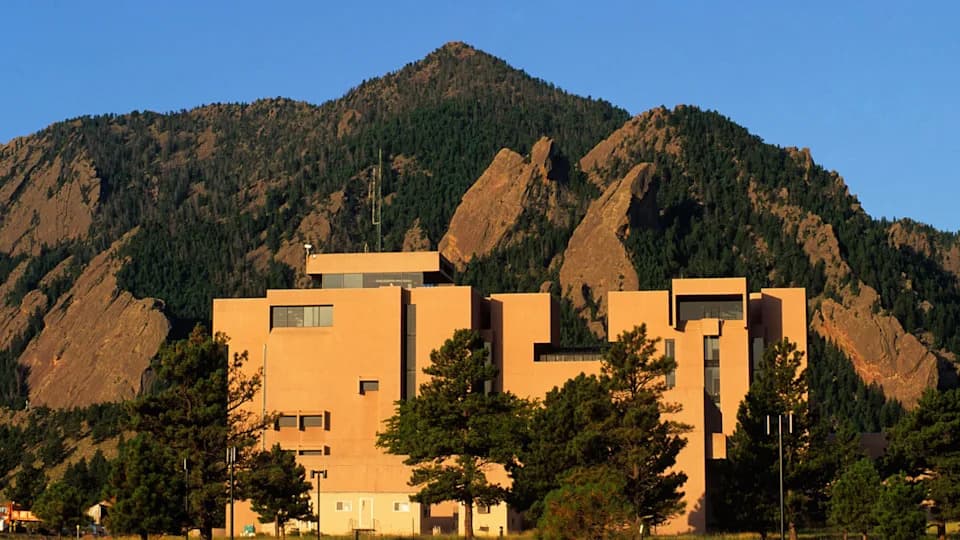
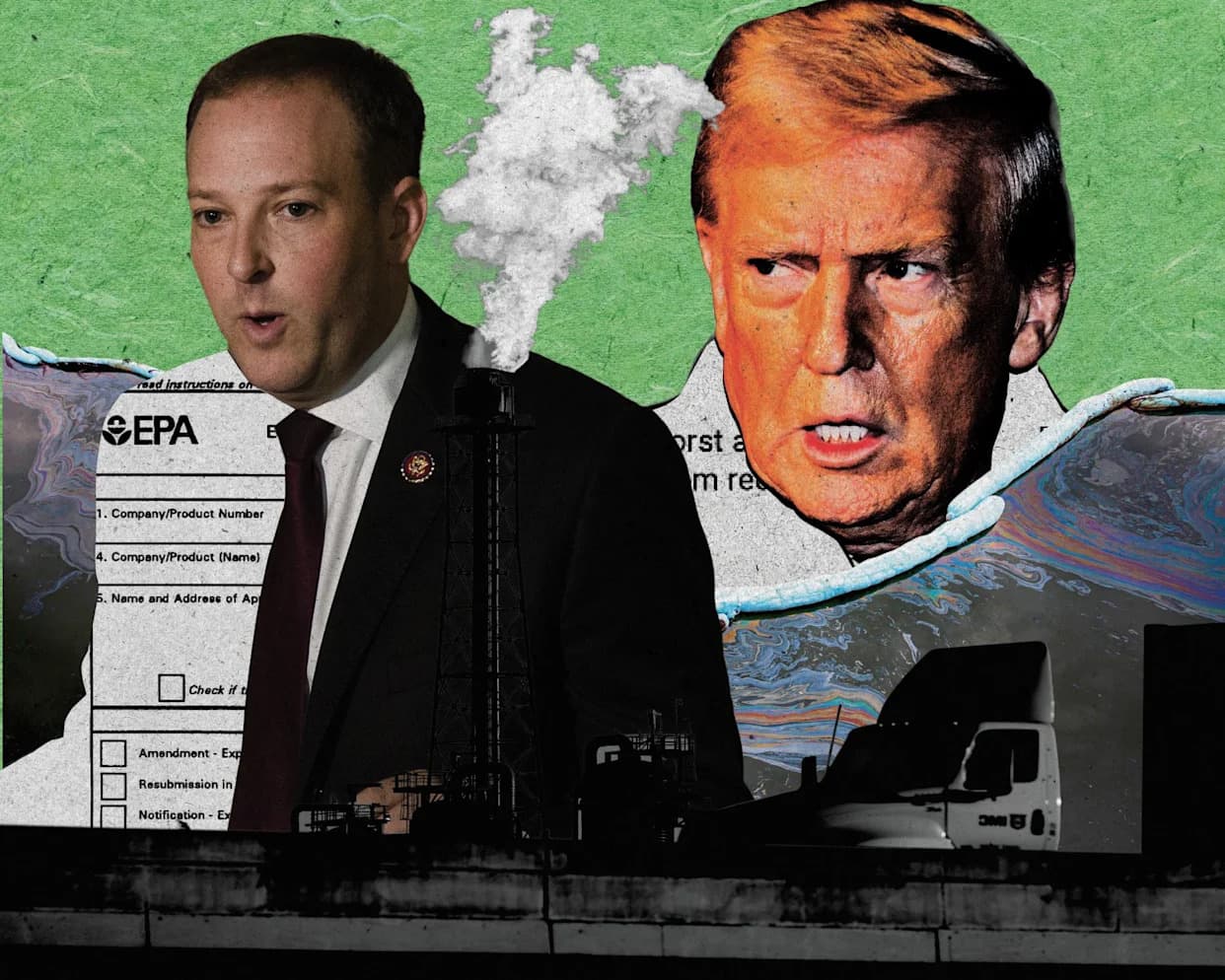
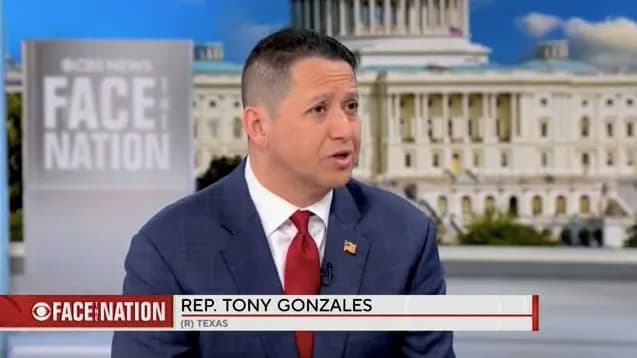
Russell Vought, director of the Office of Management and Budget, announced on social media that the administration intends to “break up” NCAR, a Boulder-based research center the White House described as one of “the largest sources of climate alarmism in the country.” This move aligns with recommendations in Project 2025, a Heritage Foundation–linked plan that advocates restructuring federal climate-related functions.
What NCAR Does and Why It Matters
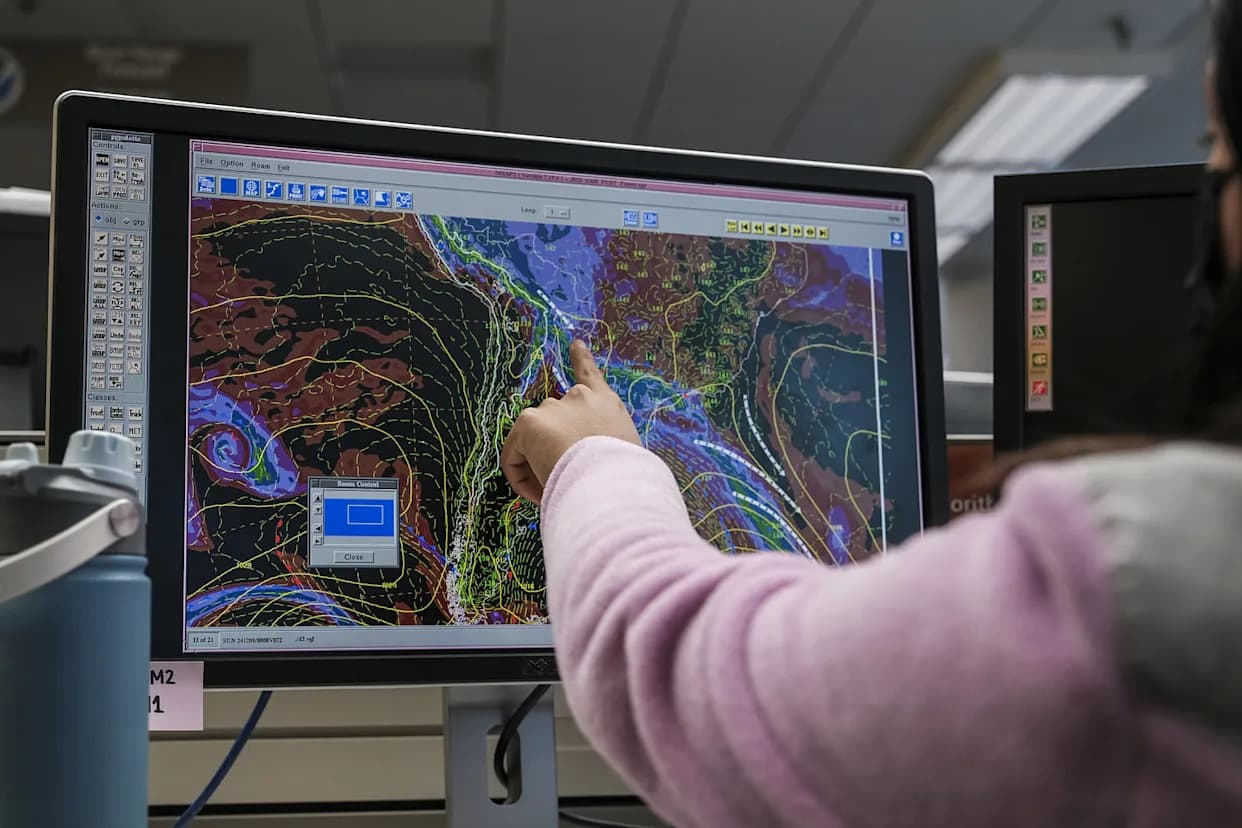
Founded by the National Science Foundation 65 years ago, NCAR employs roughly 830 staff and supports a consortium of 129 universities. The center is a national hub for Earth system science, producing advanced climate and weather models (including the Community Earth System Model), improving forecasts for floods, hurricanes, and air quality, and contributing to aviation safety through turbulence and lightning research. NCAR scientists also support defense testing and have aided U.S. troops with weather intelligence during past conflicts.
NCAR researchers have been contributors to major international assessments: 39 NCAR scientists were listed among contributors to United Nations Intergovernmental Panel on Climate Change (IPCC) reports. Their work informs projections of extreme heat, vector-borne disease spread, storm intensity and frequency, and many other climate-driven risks.
Rising Risks, Rising Costs
Climate-driven disasters are increasing. In 2023 the United States recorded 28 separate weather- and climate-related disasters that each caused at least $1 billion in damage; 2024 nearly matched that with 27 such events. The five-year annual average of billion-dollar disasters (23) is about seven times the 1980s average (3.3). Over the past decade, extreme weather has been associated with roughly 6,400 deaths and an estimated $1.5 trillion in damages in the U.S. This year’s Los Angeles wildfires became the most expensive in the nation’s history at about $60 billion in losses.
Rather than strengthening forecasting and preparedness, the administration has said it will stop updating the Billion-Dollar Weather and Climate Disasters reports, calling them out of step with “evolving priorities.” Nonprofit outlets such as Climate Central continue to compile and publish the underlying data.
Consequences of Dismantling NCAR
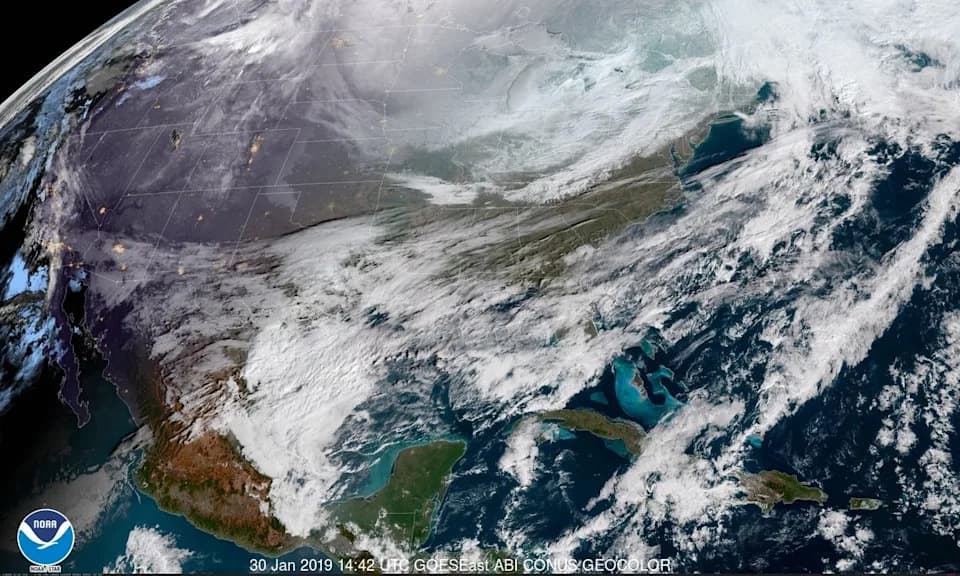
Breaking up NCAR would weaken national capacity for forecasting, emergency preparedness and international collaboration on climate modeling. Accurate weather forecasting and early warnings have demonstrably cut mortality from cyclones and floods worldwide; the World Meteorological Organization has credited improved forecasts with saving lives that once were routinely lost in large numbers in less-resourced regions.
Targeting NCAR for political reasons risks making the United States — and its international partners — less prepared for extreme weather, with cascading impacts on agriculture, transportation, national security and public health. Regardless of political affiliation, communities across the country face the same storms, fires and heat waves.
Conclusion
At a time when improved modeling, forecasting and global cooperation are essential, dismantling a major scientific center is a high-stakes gamble. Preserving independent, high-quality atmospheric research like NCAR’s is not partisan: it directly supports public safety, economic resilience and national defense.
Help us improve.