Rising urban living costs and a shortage of formal jobs are prompting some young Africans to return to farming, where better technology, irrigation and support programs are improving profitability. In Senegal, farmer Filly Mangassa reports profits above the national average after returning to his village. The World Food Programme's 2023–2027 initiative has helped roughly 380,000 people start agricultural enterprises, while experts note that land access, financing and market knowledge remain major barriers.
Young Africans Return to Farming as City Life Becomes Unsustainable
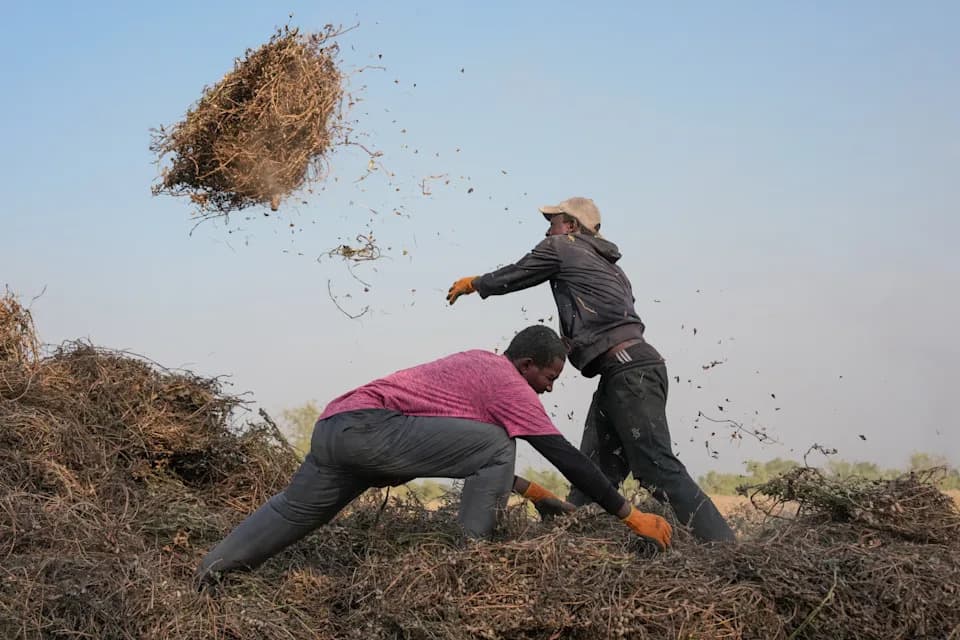
Filly Mangassa, left, and Mamadou Camara, who are part of a growing trend of young Africans moving to rural areas for better work opportunities, throw peanut plants on a pile on a farm in Tambacounda, Senegal, Wednesday, Nov. 5, 2025. (AP Photo/Mark Banchereau)(ASSOCIATED PRESS)
On a searing afternoon in Tambacounda, Senegal, 33-year-old Filly Mangassa loaded peanut plants onto a horse-drawn cart as dust swirled around him. A decade earlier he had left for Dakar with hopes of becoming a professor, but rising urban living costs and a thin job market pushed him back to the countryside.
From City Dreams to Agricultural Enterprise
"Particularly after COVID, companies weren't hiring and prices were rising," said Mangassa, who holds a master's degree in criminology. "I thought: My father and my grandfather were farmers, so why not use that experience and go back to my hometown and try to make a living in agriculture."
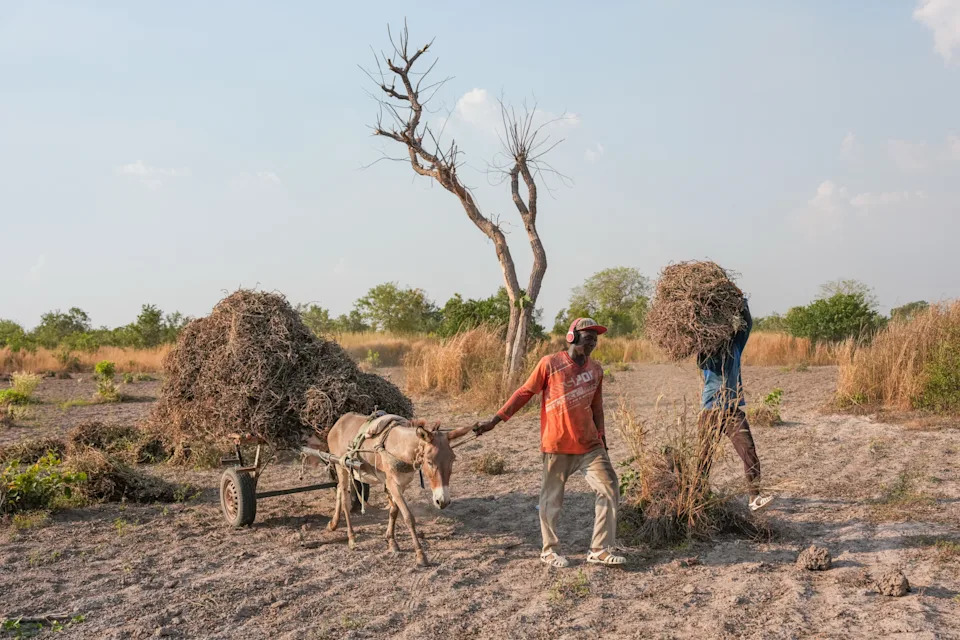
Issa Traore, center, and Madassa Kebe, right, carry peanut plants on a farm in Tambacounda, Senegal, Wednesday, Nov. 5, 2025. (AP Photo/Mark Banchereau)(ASSOCIATED PRESS)
"When my father saw that I had a clear, thorough business plan, he encouraged me and helped me with the administrative process to acquire land," Mangassa added.
For generations, farming in many parts of Africa has been seen as low-status work, driving young people toward cities in search of office jobs. That perception is shifting as higher food prices, investments in irrigation and improved access to technology and inputs make agriculture more commercially attractive.
Support Programs and Changing Economics
Mangassa now runs a 32-acre farm growing peanuts, corn, vegetables and fruit. He says he earns a profit of roughly 2 million CFA (about $3,500) a year—above Senegal's average annual income of roughly $2,500. Part of his progress came with support from a World Food Programme initiative that helps young people launch agricultural businesses.
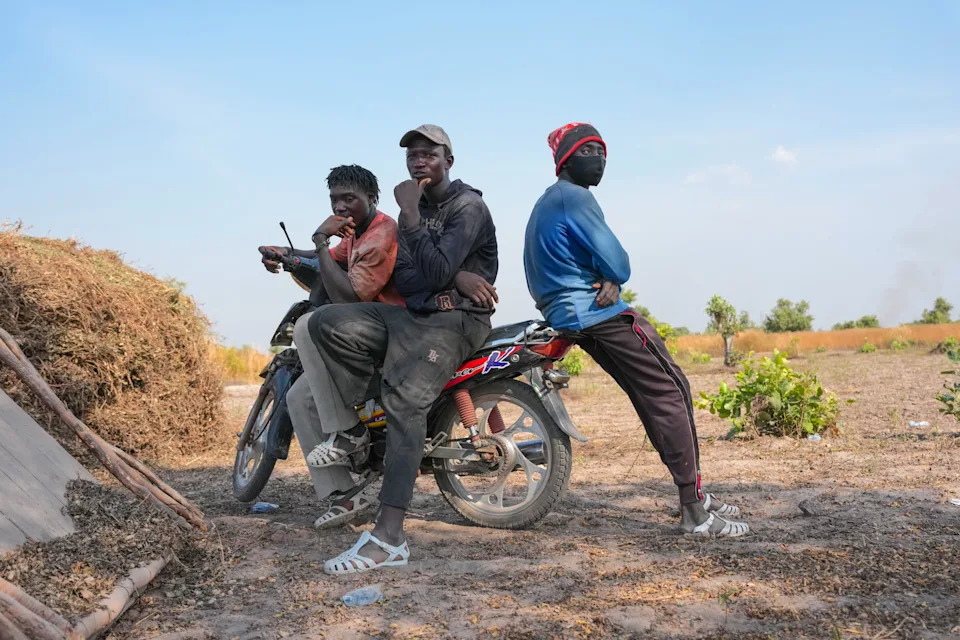
Issa Traore, left, Mamadou Camara, center, and Madassa Kebe, who moved from Mali to Senegal to pursue farming, sit on a scooter on a farm in Tambacounda, Senegal, Wednesday, Nov. 5, 2025. (AP Photo/Mark Banchereau)(ASSOCIATED PRESS)
Launched in 2023 and running through early 2027, the WFP program has helped about 380,000 people start agricultural enterprises and supported more than 61,000 people in Senegal, where over 80% of beneficiaries have launched farms. The program helps address common hurdles: access to land, financing and inputs, practical skills, and difficult market conditions.
Urban Pressures and Job Mismatches
Africa is the world's fastest-urbanizing region, with city populations growing about 3.5% per year. As urban centers expand, so do rents and grocery costs: median rents and food prices in capitals like Dakar and Nairobi are approaching levels seen in major European cities, while median salaries remain far lower.
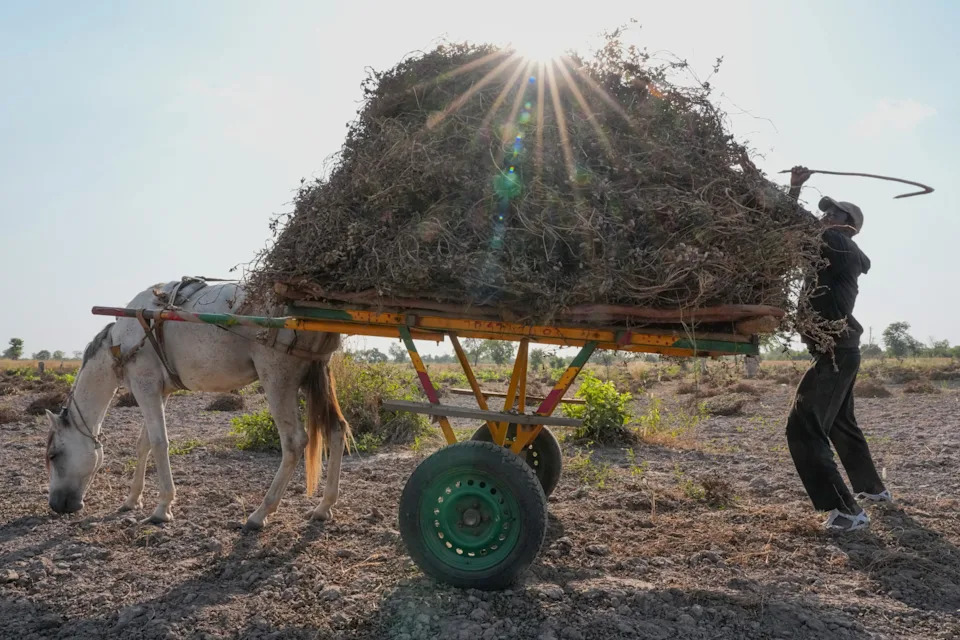
Mamadou Camara, who moved from Mali to Senegal pursue farming, stacks peanut plants on a cart on a farm in Tambacounda, Senegal, Wednesday, Nov. 5, 2025. (AP Photo/Mark Banchereau)(ASSOCIATED PRESS)
Each year between 10 and 12 million young Africans enter the labor market but only roughly 3 million formal jobs are created, according to the African Development Bank—driving many into informal, low-paying work or risky migration.
Agriculture as an Alternative to Risky Migration
Senegal is a major departure point for migrants attempting the dangerous Atlantic crossing to Europe. Authorities and development partners are promoting agriculture as a way to create local jobs and reduce migration pressures.
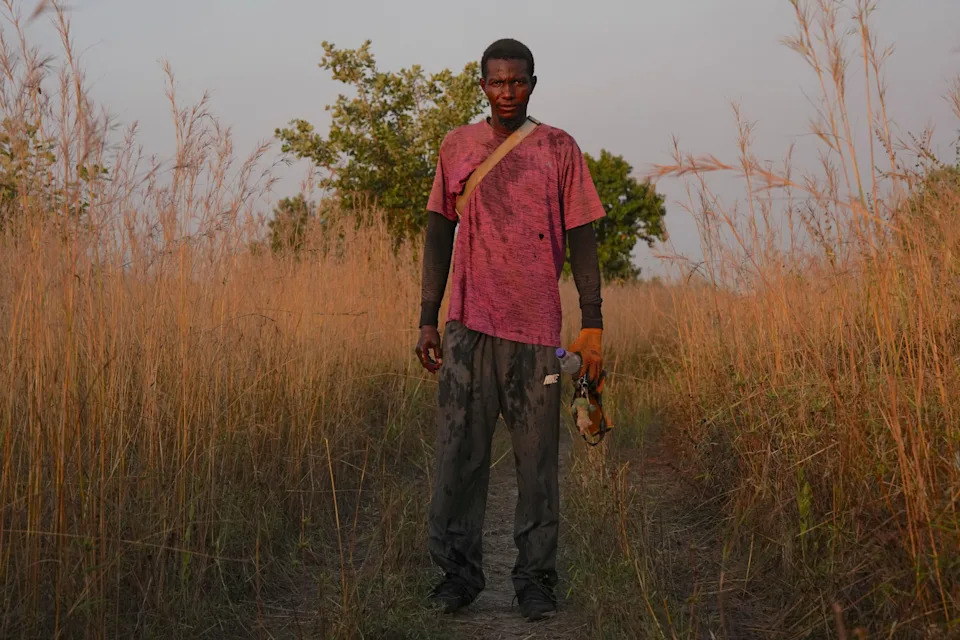
Filly Mangassa, who is part of a growing trend of young Africans moving to rural areas for better work opportunities, stands in a field in Tambacounda, Senegal, Wednesday, Nov. 5, 2025. (AP Photo/Mark Banchereau)(ASSOCIATED PRESS)
"I'm convinced that the only sector that can create the hundreds of thousands of jobs young people in Africa need is agriculture and livestock," Senegal's agriculture minister Mabouba Diagne said in October.
Young farmers like 24-year-old Adama Sane credit such programs with changing their lives. Sane left construction work in Dakar and now raises poultry and grows peppers on a five-acre farm in his village. He says farming has reduced his stress and allowed him to save more than he could in the city.
Challenges Ahead
Despite encouraging stories, structural challenges remain: complex land tenure systems, limited access to credit and inputs, climate pressures, soil degradation and the lingering effects of colonial-era cropping patterns. Experts say many young farmers are switching to higher-value crops and adopting better technology, which could increase local food supply and, over time, ease staple prices.
For some young people who once sought perilous migration routes, opportunities on farms are now a real alternative. Mangassa, who employs several young men who had planned to migrate, said he wants to show others that agriculture can provide a sustainable livelihood.
For more on Africa and development, see the Associated Press's Africa coverage.
Help us improve.