New PNAS research finds that experimental warming equivalent to about 2°C produced a 16% drop in nitrous oxide emissions in drier forests by drying soils and slowing microbial activity. The effect was observed mainly in forests receiving less than 40 inches of rain per year, while wetter forests experienced increased nitrogen loss under warming. Scientists emphasize that soil moisture is the key regulator of these contrasting responses, with implications for greenhouse gas feedbacks, drought risk, and agriculture.
Warming May Cut Nitrous Oxide Emissions In Dry Forests — A Surprising Twist

Photo Credit: iStock
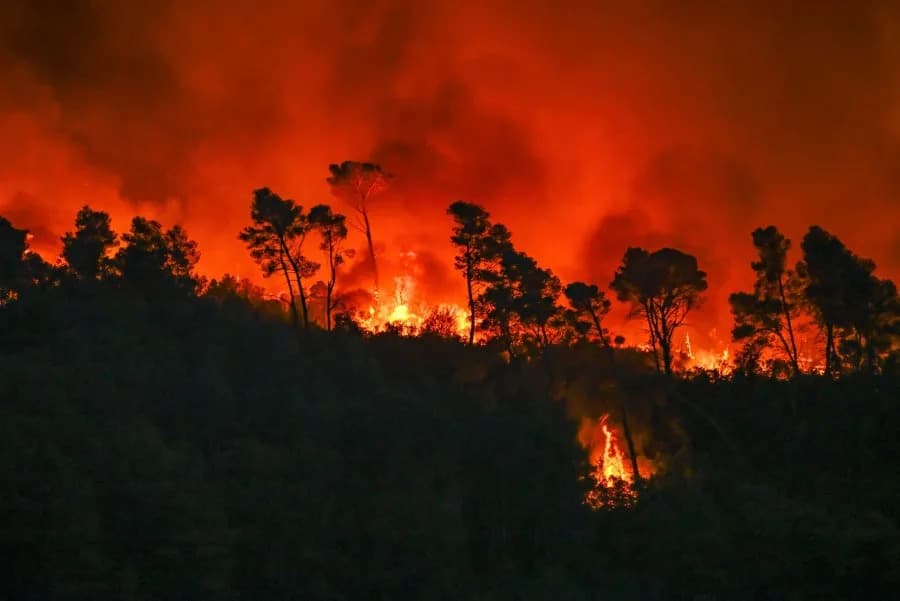
New research suggests that rising temperatures could reduce nitrous oxide emissions in some drier forest ecosystems — a result that challenges conventional expectations about warming and greenhouse gas release.
Study Details
Researchers connected with the University of California, Riverside and a team working in Shenyang City simulated roughly a 2°C rise in temperature across forest plots using mounted infrared heaters, as reported by UCR News. The experiment, published in the Proceedings of the National Academy of Sciences (PNAS), found a 16% decline in nitrous oxide emissions under experimental warming.
Dry Versus Wet Forests
The reduction was concentrated in forests receiving less than 40 inches of rainfall annually, where warming dried soils and slowed microbial processes that produce nitrous oxide. In contrast, wetter forests showed increased nitrogen loss under warming, highlighting that moisture conditions strongly mediate ecosystem responses.
"These results flip our assumptions," said Pete Homyak, an associate professor of environmental sciences. "We have long expected warming to speed up microbial activity and release more nitrogen. That may hold true in controlled laboratory conditions, but in the field — particularly where soils dry out — microbes slow down because of moisture loss."
Why Soil Moisture Matters
Soil moisture controls the activity of soil microbes that produce and consume nitrogen gases. When soils dry, microbial metabolism slows and some gas emissions decline; when soils stay moist, warming can accelerate microbial processes and increase nitrogen loss.
Broader Climate And Agricultural Impacts
Human-driven emissions that warm the climate also intensify extreme weather. U.S. and international agencies, including NOAA and NASA, expect more frequent and severe droughts and floods as the climate continues to change. Droughts and floods already account for more than one-fifth of U.S. economic losses from extreme weather, and groundwater — which supplies over 40% of irrigation water for U.S. agriculture — is vulnerable to depletion. These changes threaten crop yields and agricultural livelihoods.
Practical Steps
- Conserve water at home; simple actions like turning off the tap while brushing can save significant amounts each month.
- Plant native species to reduce outdoor irrigation needs and support pollinators.
- Reduce greenhouse gas emissions where possible — choose cleaner transportation and household energy such as electric vehicles and rooftop solar.
While this study refines our understanding of how warming affects nitrogen cycling, the authors note that responses vary by region and moisture regime. Continued field experiments and monitoring across diverse forest types are needed to predict net climate feedbacks accurately.
Help us improve.