LiDAR scanning and subsequent fieldwork revealed Ocomtún, a previously unknown Maya city in Campeche’s Balamakú reserve. The 123-acre site contains three plazas, pyramids over 50 feet (one about 82 feet), a ballcourt, causeways, and cylindrical stone columns. Surface finds point to Late Classic occupation (600–800 AD), while architectural changes around 1000 AD suggest shifts that preceded regional collapse. Ocomtún sits near other recently discovered Maya sites and may be a major regional center.
Ocomtún Unearthed: LiDAR Reveals a Large, Complex Maya City in Campeche Jungle
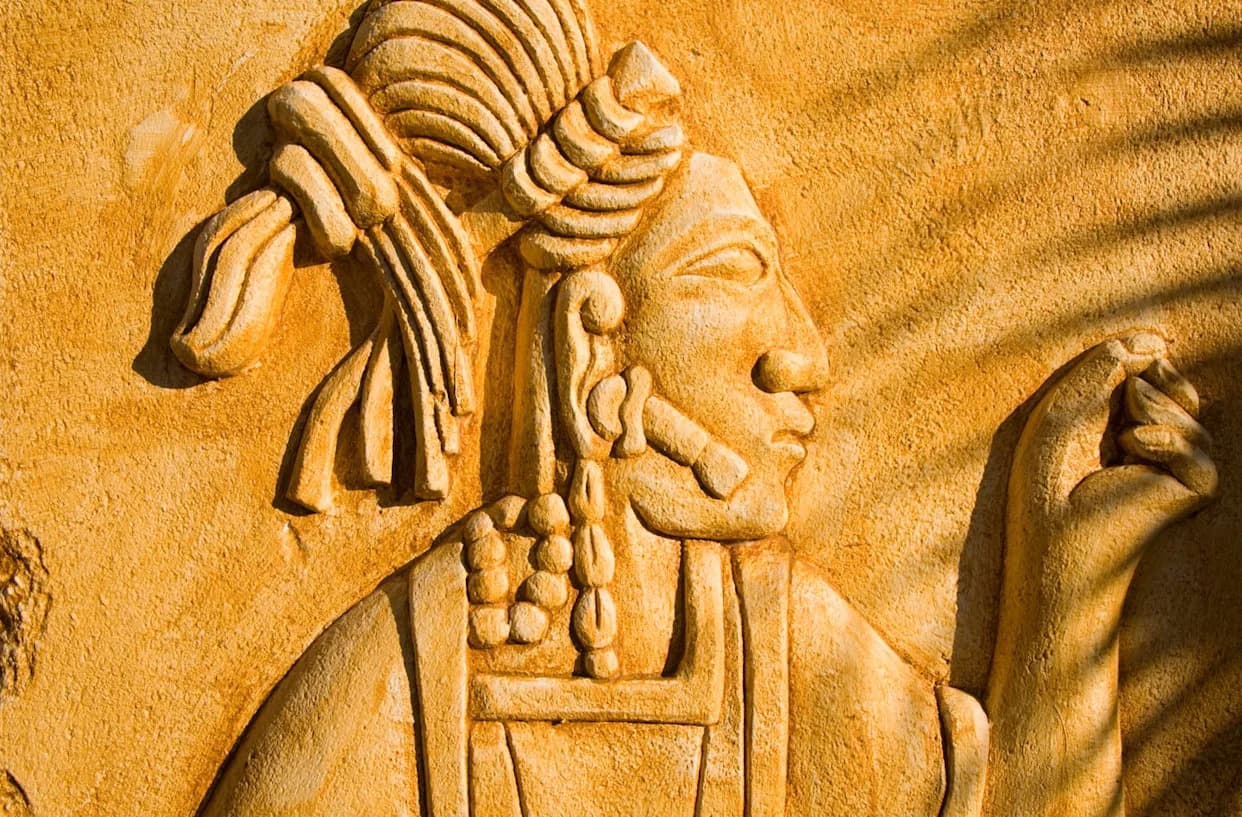
Researchers Discover Ancient Maya City in Jungleterminator1 - Getty Images
The dense jungles of the Balamakú ecological reserve on Mexico’s Yucatán Peninsula have yielded a major archaeological discovery: a previously unknown, regionally significant Maya city detected by airborne LiDAR and confirmed by ground survey and excavation.
Discovery and Location
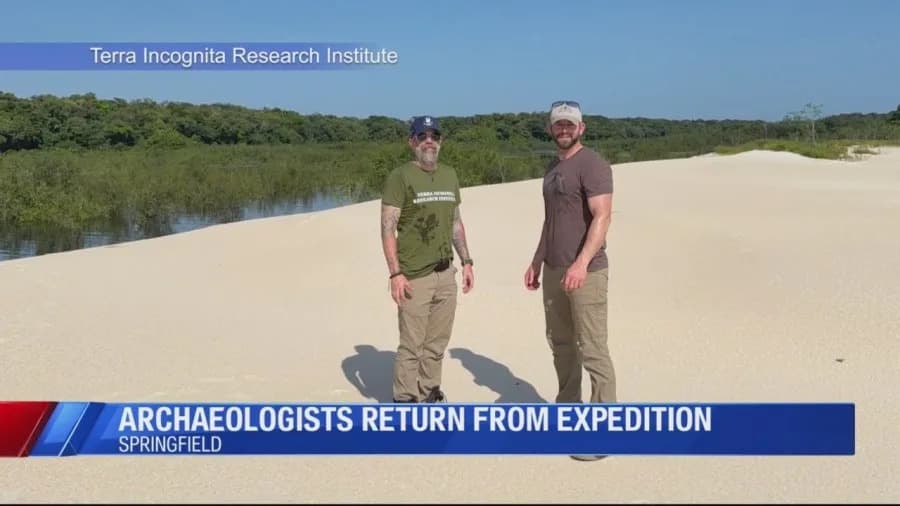
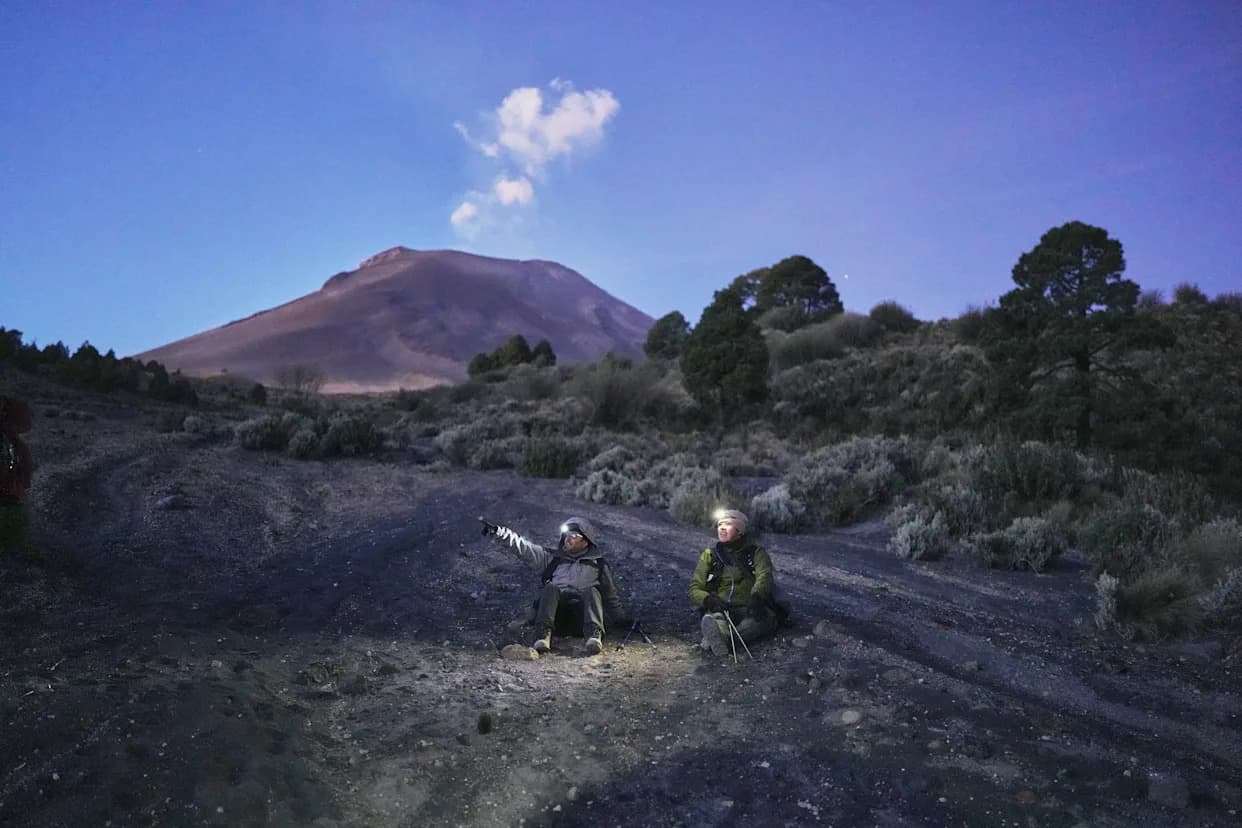
Researchers used high-resolution LiDAR to reveal hidden structures beneath forest canopy, then mapped and tested the site on the ground. The complex lies roughly 37 miles inland in Campeche state and spans about 123 acres. The field team was led by archaeologist Ivan Šprajc, who has conducted research across the Yucatán since 1996.
Architecture and Urban Layout
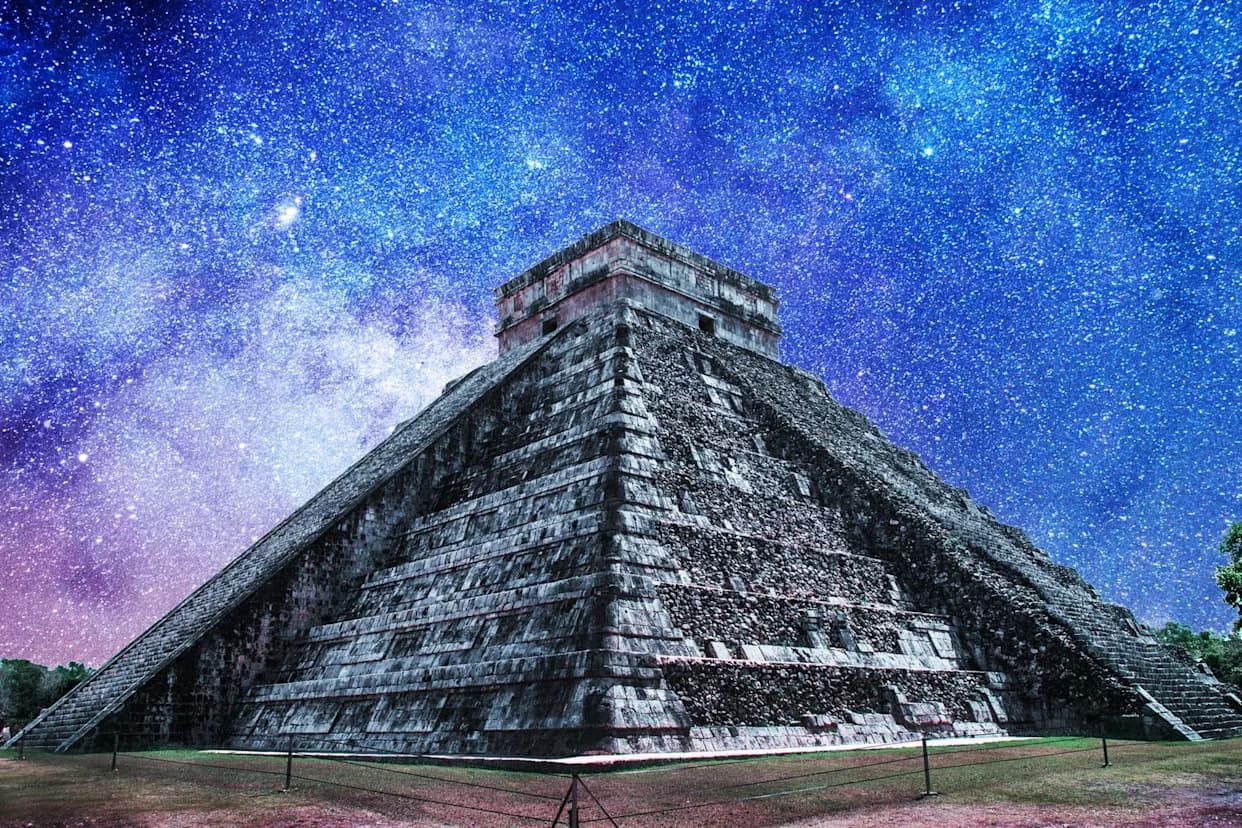
Ocomtún—named from the Yucatec Maya term for “stone column”—includes three main plazas framed by imposing buildings and multiple patio groups. Several pyramidal structures exceed 50 feet in height, and the principal pyramid rises approximately 82 feet above the natural terrain. A causeway links a southeastern cluster of constructions to a larger northwest sector where most monumental architecture is concentrated.
“Between the two main plazas there is a complex made up of various low and elongated structures, arranged almost in concentric circles,”
Šprajc said in a statement. “A ball game is also included.”
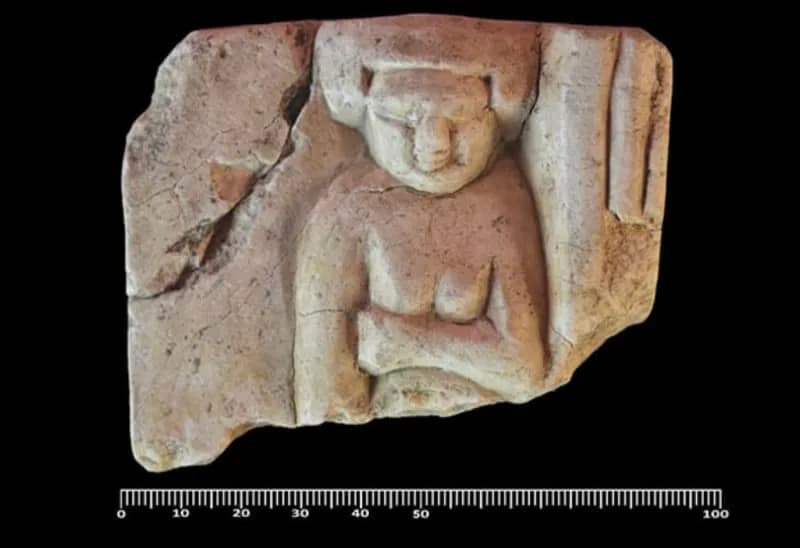
Archaeologists documented multiple cylindrical stone columns—possible supports or entrances to upper rooms—stairways, monolithic columns, and central altars. They also identified a ballcourt and spaces that may have functioned as markets or communal ritual areas, with construction radiating toward the La Rigueña River.
Chronology and Significance
Surface ceramics and materials recovered from test pits point to primary occupation during the Classic period (250–1000 AD), with the most common pottery types dating to the Late Classic (600–800 AD). The team notes that laboratory analysis of samples will refine the sequence of occupation and use.
Architectural modifications observed in central shrines and patio arrangements suggest changes around 1000 AD. Šprajc interprets these alterations as reflections of ideological and demographic shifts during times of crisis that contributed to the broader collapse of complex sociopolitical networks and population decline across the Maya Central Lowlands.
Regional Context
Ocomtún lies between roughly 18 and 31 miles from three other Maya sites discovered within the last decade, underscoring the Balamakú reserve’s archaeological richness. Given its size, monumental architecture, and urban layout, Ocomtún may prove to be one of the most important recent additions to our understanding of Classic-period Maya regional centers.
Ongoing work: Excavations and laboratory analyses are continuing, and researchers expect further findings to clarify the site’s chronology, functions, and regional ties.
Help us improve.