Summary: Excavations at Ucanal uncovered a public burning dated to 733–881 AD that appears to have been a deliberate desecration of a Late Classic royal tomb. The deposit included at least four adults and 1,470 fragments of greenstone and jade, and the fire reached temperatures above 800°C. Researchers led by Christina Halperin interpret the episode as a performative act marking the end of one dynasty and the rise of a new leader, Papmalil, after which the city experienced renewed construction and activity.
Archaeologists Uncover a Public Burning That Marked the Fall and Rebirth of a Maya Kingdom
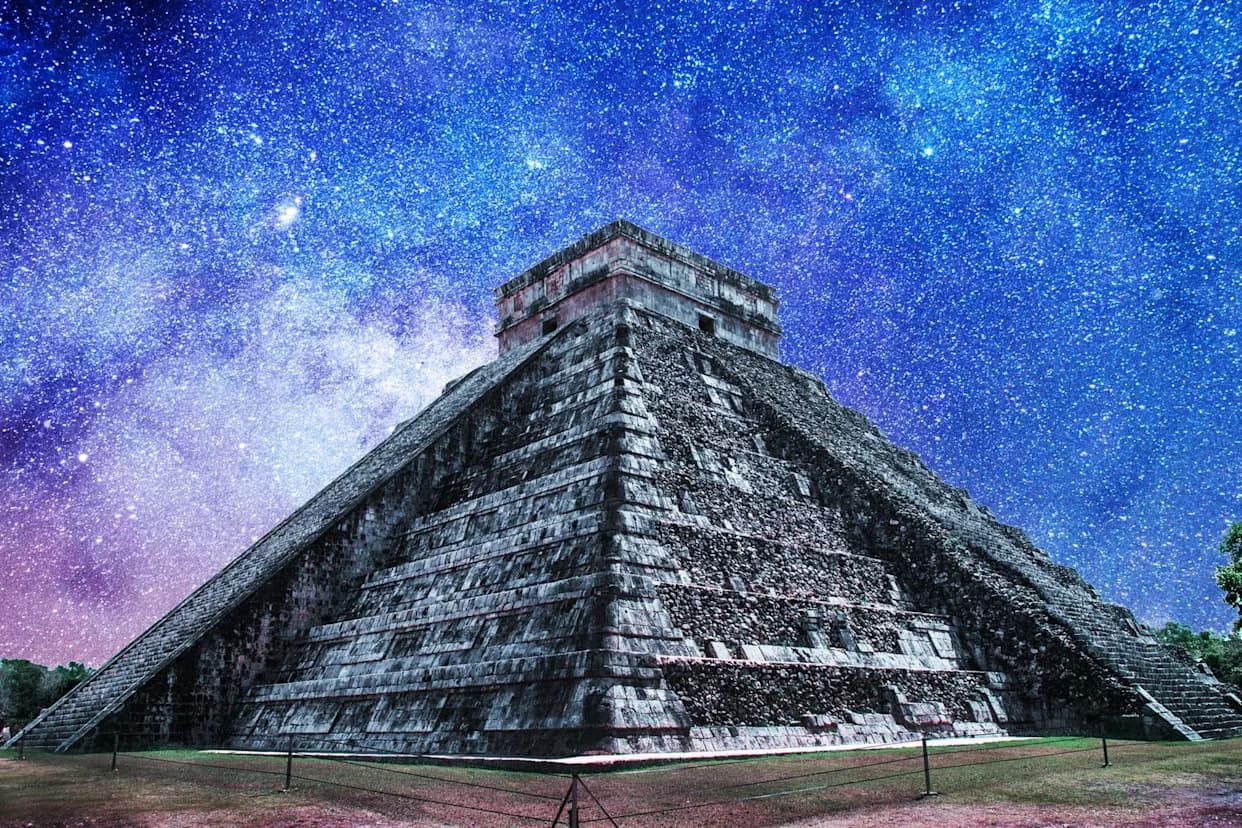
The Maya Kingdom Collapsed Due to Burning Eventsjopstock - Getty Images
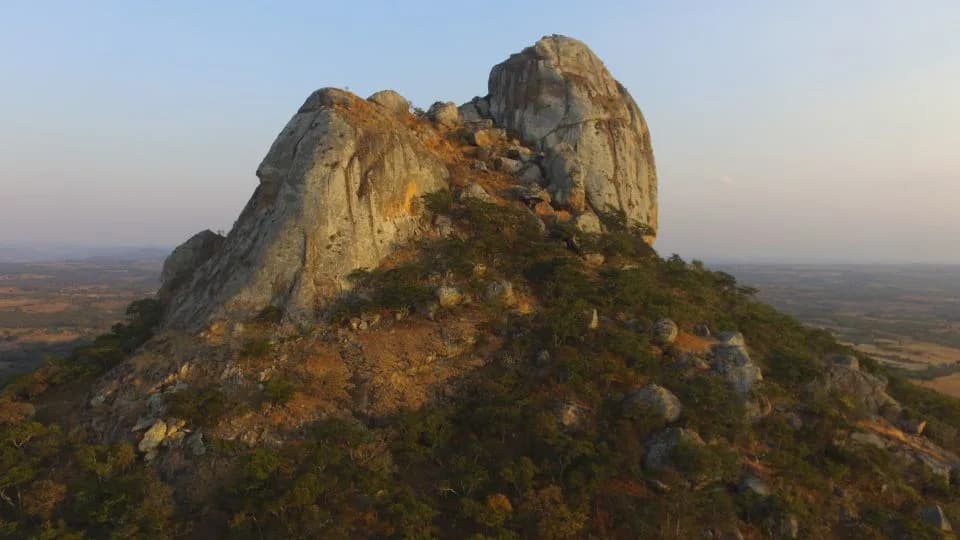
A major excavation at Ucanal in Guatemala has revealed evidence of a dramatic public burning dated between 733 and 881 AD that researchers interpret as a deliberate dismantling of a former ruling line and the start of a new political chapter.
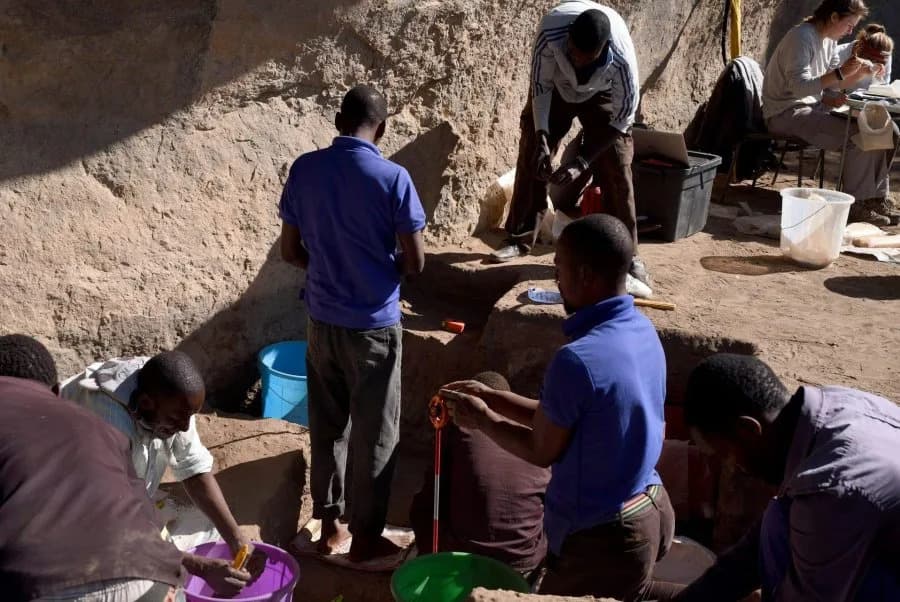
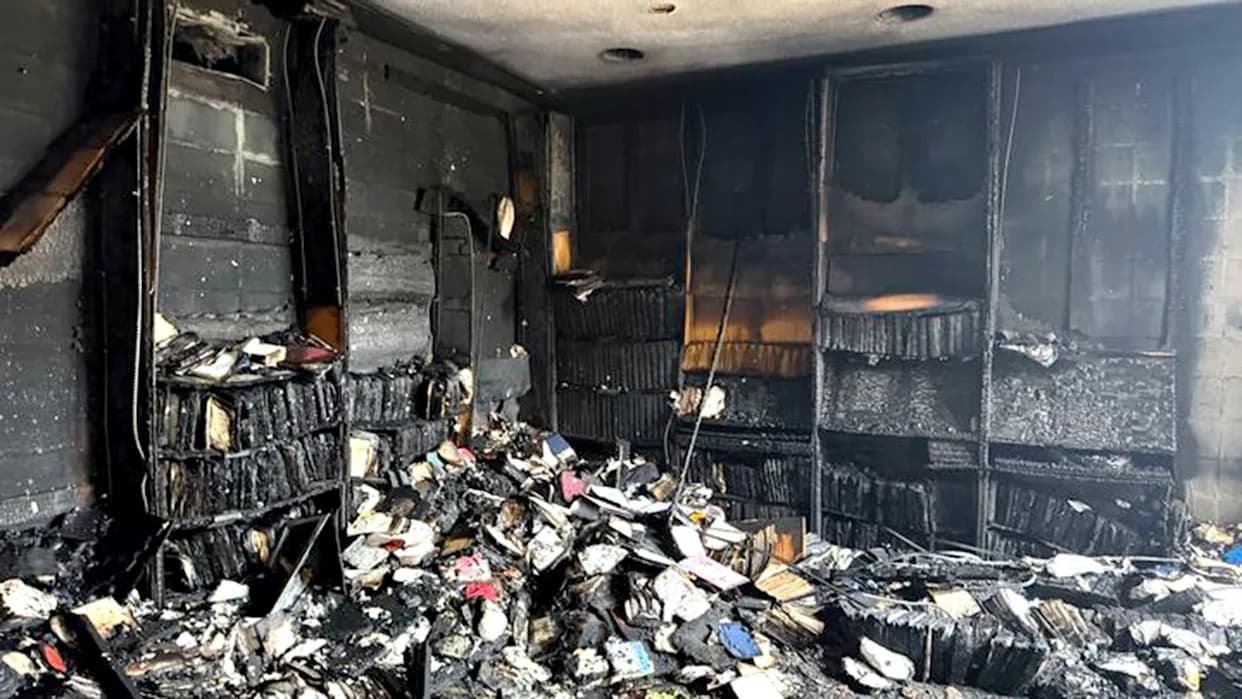
Key discovery: In 2022, archaeologists excavating the construction fill of a temple-pyramid in a public plaza uncovered a deposit of human remains and thousands of broken ornaments that had been exposed and burned in a single, high-temperature event.
What was found
The deposit included the remains of at least four adults and more than 1,470 fragments of greenstone and jade pendants, beads, plaques, and mosaics, along with large blades. Analysis indicates the fire reached temperatures above 800°C. The scale and quality of the ornaments point to a Late Classic royal tomb as the original source of the objects and suggest they once belonged to multiple interred elites.
Interpretation: A public desecration and political pivot
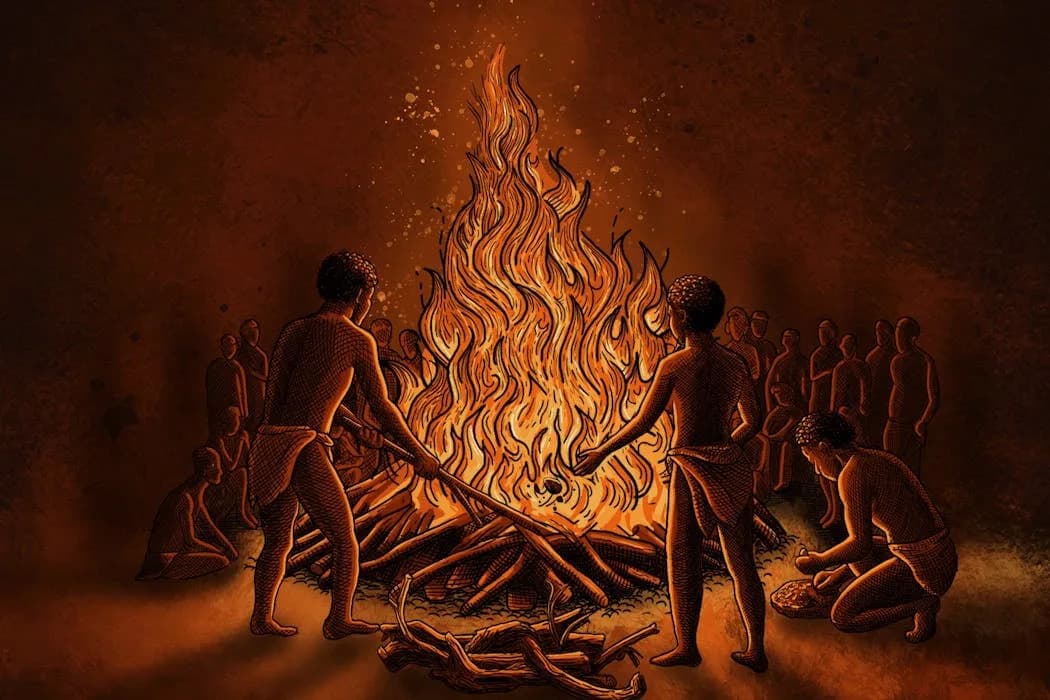
Led by Christina Halperin of the University of Montreal and published in Antiquity, the research team argues that the deposit was not a private act of disturbance but a public, performative ritual. The bones and ornaments were removed from a tomb, dumped at the edge of a crude wall used as construction fill, and consumed in a communal burning — apparently with no attempt to protect the remains. The authors read this as intentional desecration designed to mark the symbolic and literal end of an earlier K'anwitznal dynastic line.
According to the authors, the episode represents a 'public dismantling of an old regime' and a pivot around which the polity reinvented itself.
Aftermath: New leadership and renewed activity
Following the event, a non-royal figure known as Papmalil assumed leadership. Although written records do not explain how Papmalil gained power, the archaeological record shows substantial construction and expansion in both the civic-ceremonial core and the surrounding residential zones after his accession — evidence consistent with a political reorganization and renewed prosperity.
Rather than treating the burning as merely an 'end,' the team suggests it was a dramatic, public beginning for a reorganized polity at Ucanal and a visible statement intended to reconfigure authority across the southern Maya lowlands.
Context: The find offers a rare archaeological example of a clearly datable, intentionally public ritual that coincides with a major shift in local political power, shedding new light on how Maya communities could visibly and violently enact regime change.
Help us improve.