What You Need To Know: Archaeologists have confirmed that a chincana — a subterranean labyrinth — runs beneath Cusco’s Temple of the Sun, with a main tunnel linking the temple to the Sacsahuamán fortress for just over a mile. The network includes three smaller branches and was likely built with a cut-and-cover method, featuring stone walls and carved-beam ceilings. Researchers used acoustic surveys and ground-penetrating radar to map voids and now plan targeted excavations to enter and study the passages.
Archaeologists Confirm Centuries-Old Inca Labyrinth Beneath Cusco’s Temple Of The Sun
Archaeologists Discovered A Hidden Inca LabyrinthPaolo Carnassale - Getty Images
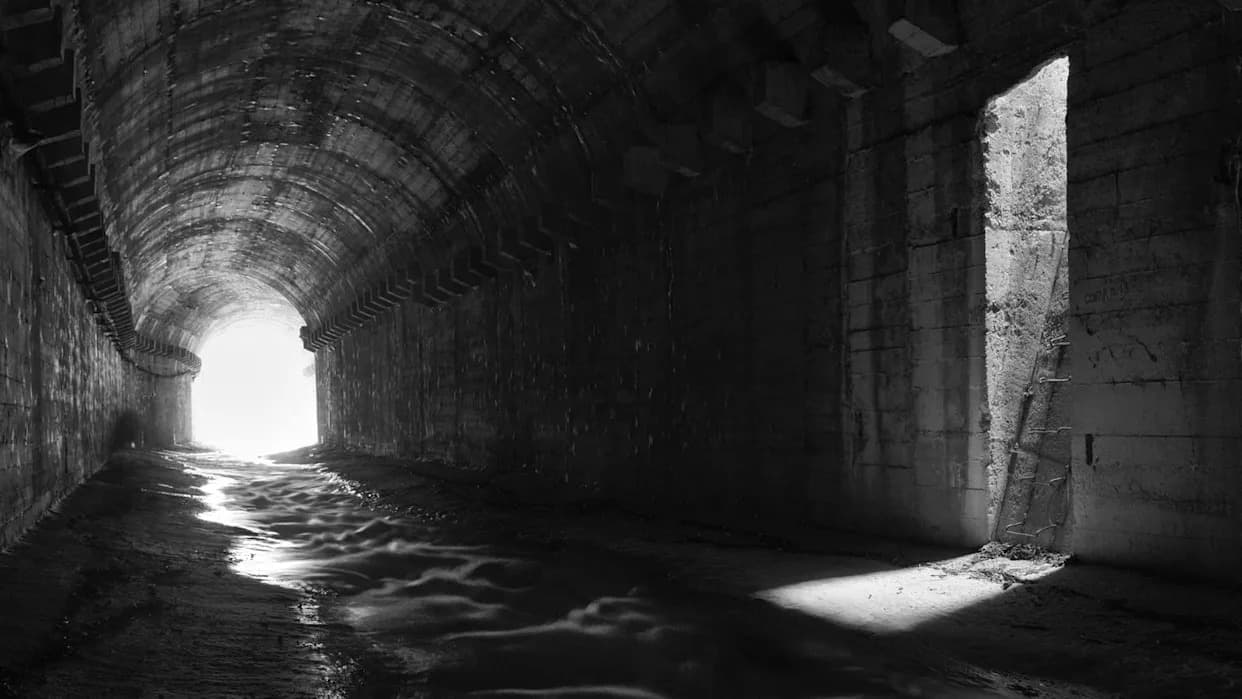
The famed Temple of the Sun in Cusco — long admired above ground — now has a newly revealed counterpart below: archaeologists have confirmed a centuries-old rumor that a chincana, a labyrinth of subterranean tunnels, runs outward from the temple, in places stretching more than a mile.
Key Findings
Fieldwork led by archaeologist Jorge Calero Flores verified a principal tunnel linking the Temple of the Sun to the fortress of Sacsahuamán, a route measuring just over one mile. The network also includes three smaller offshoots: one near the Church of San Cristóbal, another approaching areas adjacent to the fortress, and a third leading toward Callispuquio.
Construction and Dimensions
Peruvian archaeologists say the passages were built using a cut-and-cover technique: trenches were dug, then lined and supported with stone walls and ceilings formed from carved beams. Calero Flores reported that the main passages average about 8.5 feet (2.6 m) in width and roughly 5.2 feet (1.6 m) in height — dimensions that "could have allowed the Inca to be carried in litters," according to a press report cited in the Jerusalem Post.
How the Team Found the Labyrinth
The search began with documentary clues. Accounts from the 16th century — including a 1594 note by an anonymous Spanish Jesuit and later chronicles by Anello de Oliva — describe underground passages in Cusco and even mention builders taking care not to disturb them during construction. These historical records gave researchers likely locations to investigate.
Before excavating, the team used acoustic prospecting to identify hollow areas and then refined their survey with ground-penetrating radar to map probable voids. That combined noninvasive approach guided where to focus excavation efforts.
"Now we have to excavate at key points to be able to enter the chincana," said archaeologist Mildred Fernandez Palomino, describing the next phase of the project (IFLScience).
Why It Matters
Scholars suggest the subterranean network may mirror the city's above-ground street layout, acting as an underground representation of ancient Cusco. Located about 130 miles (210 km) from Machu Picchu, Cusco was a central hub of the Inca Empire and remains an important archaeological and tourist destination.
Next steps: targeted excavations at identified access points to physically enter, document, and conserve the chincana while ensuring careful archaeological recording and preservation.
Sources: Announcements by Jorge Calero Flores, statements from Peruvian archaeologists, and contemporary reporting including the Jerusalem Post and IFLScience.
Help us improve.