The 2,700-year-old Olmec Cave Mask known as the Portal al Inframundo — a six-by-five-foot depiction of the jaguar god Tepeyollotlicuhti — was repatriated to Mexico in May 2023 after being looted in the early 20th century. INAH conservators spent about a year stabilizing the mask, which had been broken into 25 pieces and previously reinforced with metal and cement. New York’s Antiquities Trafficking Unit secured the object after it surfaced in Denver; scholar David Grove first linked the recovered artifact to the missing Chalcatzingo sculpture but died the day before its return.
Lost for a Century: 2,700-Year-Old Olmec 'Portal to the Underworld' Repatriated to Mexico
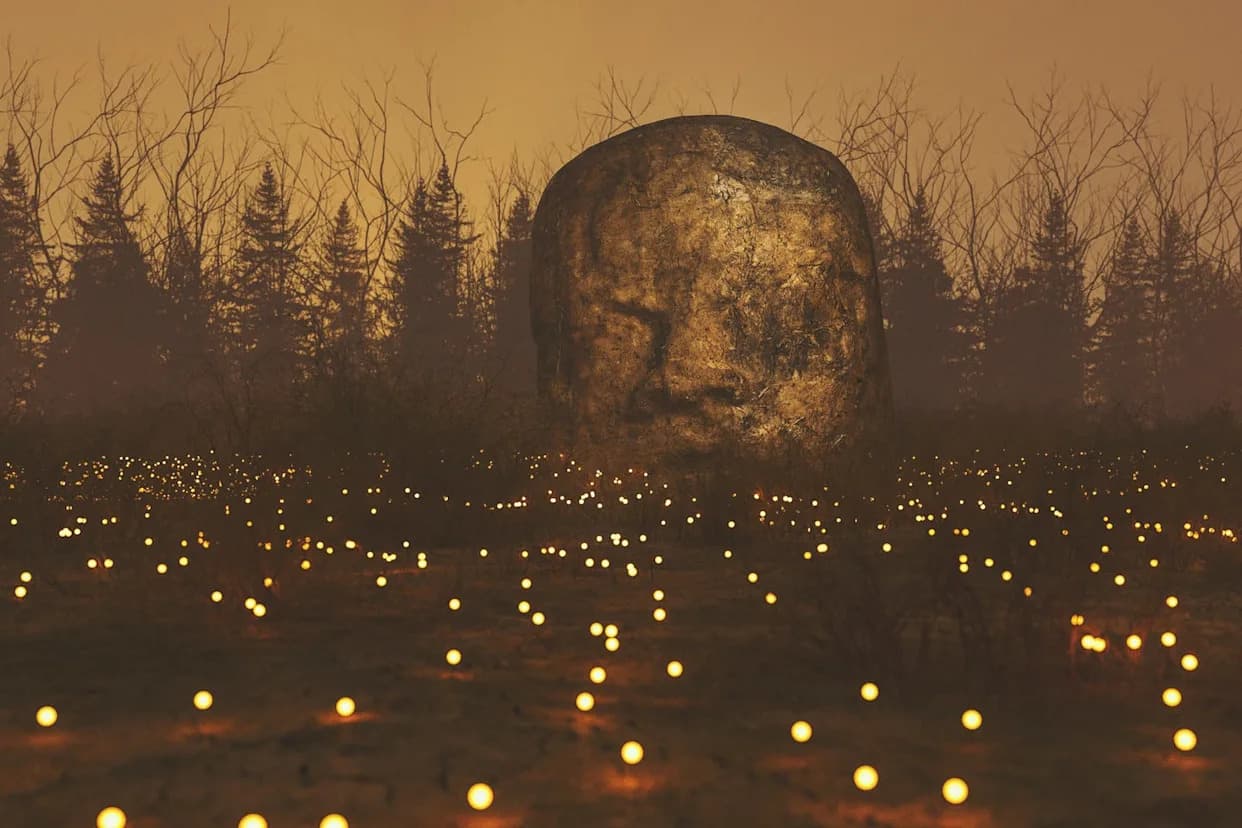
Olmec ‘Portal to the Underworld’ Returns to Mexicogremlin - Getty Images
In May 2023, a monumental Olmec sculpture known as the Portal al Inframundo — a six-foot-by-five-foot cave mask depicting the jaguar deity Tepeyollotlicuhti — was returned to Mexico after more than a century away from its original site at Chalcatzingo in the state of Morelos.
A Violent Journey Home
Officials believe looters removed the artifact sometime in the early 20th century. The mask, dating to roughly 2,700 years ago, travelled through museums and private collections across the United States before surfacing in Denver. New York’s Antiquities Trafficking Unit intervened to secure the piece, and within months it was repatriated to Mexican authorities in May 2023.
Damage, Restoration, and Conservation
Mexican authorities from the National Institute of Anthropology and History (INAH), part of Mexico’s Ministry of Culture, found the mask had been deliberately broken into 25 pieces to facilitate smuggling. Conservators spent about a year working in situ to stabilize and visually reintegrate the sculpture. INAH noted that previous expedients — including a metal bolt framework, cement reinforcements and makeshift replacements — had been added to hold the fragments together; some of those interventions may remain where removal would jeopardize the artifact’s integrity.
"This incredible, ancient piece is a rare window into the past of Olmec society," said New York District Attorney Alvin Bragg, noting that the mask had been divided into parts to simplify smuggling.
Who Helped Recover It
Archaeologist David Grove was the first scholar to link the recovered object to the missing Chalcatzingo mask. INAH researcher Mario Córdova Tello later confirmed the piece had been stolen and traced it to a private collector in Colorado (documented in 2008). Tragically, Grove — who played a pivotal role in reconnecting the artifact to its place of origin — died the day before the mask arrived back in Mexico.
Wider Significance
The return of the Tepeyollotlicuhti portal underscores ongoing global efforts to repatriate cultural heritage looted from indigenous lands. As museums and collectors face growing legal and ethical pressure, this case illustrates both the complexities of restoring heavily damaged artifacts and the persistence required to return them to their communities of origin.
What Remains: The restored mask will now be cared for by INAH as part of Mexico’s cultural patrimony, and the case remains an example of international cooperation, forensic investigation, and conservation practice in the fight against antiquities trafficking.
Help us improve.