The Supreme Court’s 6-3 conservative majority largely deferred several major decisions in 2025 and will issue final rulings in 2026 on three high-profile cases: limits on automatic birthright citizenship, broad presidential tariffs, and President Trump’s attempted removal of Fed Governor Lisa Cook. Legal scholars note the court often times significant rulings against presidents when their political strength has waned; at least one ruling could be unfavorable to the administration.
Supreme Court Delays Major Rulings — 2026 Decisions Could Deal Setbacks to Trump

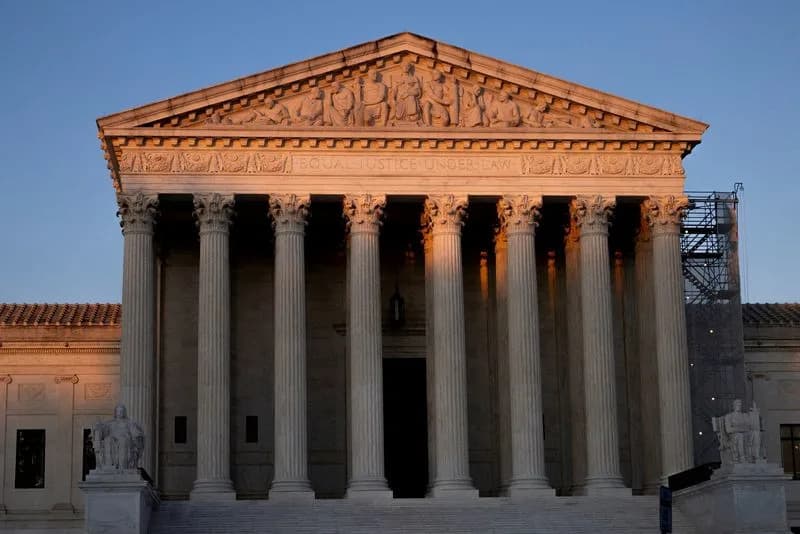
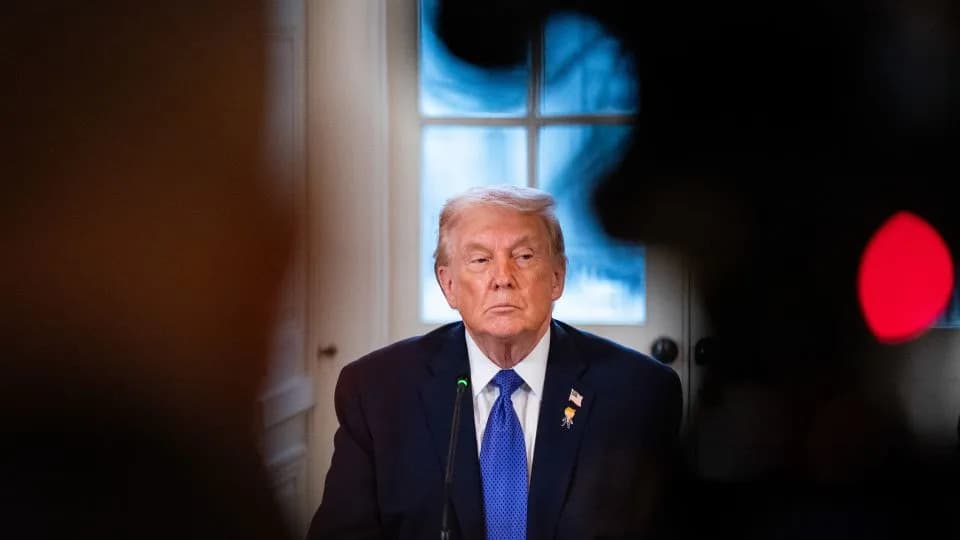
President Donald Trump has several high-profile cases before the Supreme Court this year. (Francis Chung / Politico / Bloomberg / Getty Images)
WASHINGTON — The Supreme Court’s relatively cooperative streak with President Donald Trump through 2025 may be ending: the justices have deferred several consequential merits rulings that are now scheduled for 2026 and could produce at least one major legal setback for the administration.
The court’s 6-3 conservative majority granted a series of interim wins for the White House last year by approving emergency requests that allowed contested policies to move forward while litigation continued. But the high court has postponed final decisions on three high-profile disputes — limits on automatic birthright citizenship, sweeping presidential tariffs, and Mr. Trump’s attempt to remove Federal Reserve Governor Lisa Cook — and now will issue definitive rulings on the merits.
What’s At Stake
Birthright Citizenship: The administration initially asked the court to consider a narrow procedural question about nationwide injunctions rather than the substantive 14th Amendment issue. After a June procedural order, the justices took up the merits in December, with a decision expected by the end of June 2026.
Presidential Tariffs: Businesses challenging the tariffs pressed for an immediate resolution last spring, but the court delayed and heard oral argument in November. During argument, several justices signaled skepticism about the statutory authority for such sweeping tariff actions; a ruling is expected early this year.
Federal Reserve Removal: The court left in place lower-court orders blocking the administration’s effort to remove Fed Governor Lisa Cook and agreed to hear arguments on Jan. 21, 2026, declining a request to permit an immediate firing.
Why the Court May Have Waited
Legal scholars note a recurring pattern in American history: the Supreme Court often times major rulings against presidents when those leaders have diminished political capital. “The court is not confronting the president head-on until spring this year,” said Richard Pildes, a professor at New York University School of Law. “That’s very different in terms of his political strength.”
Polling over 2025 showed some erosion in Mr. Trump’s approval: the December NBC News Decision Desk Poll recorded 42% approval and 58% disapproval. Observers say delayed timing can reduce the political cost to the court of ruling against a sitting president.
“The Court has acted, as it generally has through its history, to maximize its authority in the face of the reality that it lacks sword or purse.” — Jack Goldsmith, Harvard Law School
Historical Context
The court has issued consequential rulings against presidents near the ends of their terms: Truman’s seizure of steel mills was rejected in 1952, and the court’s 1974 decision on Nixon’s tapes helped precipitate his resignation. More recent late-term limits on executive power include rulings against the Bush and Obama administrations on detention and immigration programs, respectively.
Delaying final merits decisions also allows the court to avoid immediate institutional confrontation and to issue more carefully reasoned opinions. But delay can increase the chance that political circumstances — including elections and shifting public opinion — shape the context in which decisions land.
What Comes Next
All three cases now carry deadlines or argument dates in 2026. While the delays do not guarantee adverse outcomes for the administration, several legal experts say the timing and tenor of oral arguments increase the possibility the court will rule against the White House at least once.
“Kicking the can down the road, I think, is helpful to the court and probably helpful to people that are hopeful that the court rules against Trump,” said Daniel Epps, a professor at Washington University School of Law.
This article was originally published on NBCNews.com.
Help us improve.