The USPS clarified on Dec. 24 that a postmark may not reflect the first day the agency accepted a mailpiece, a change that could affect ballots in 14 states and Washington, D.C. that count late-arriving ballots if postmarked by Election Day. The guidance comes as the Supreme Court considers a case that could eliminate ballot grace periods nationwide. The USPS urges voters to mail ballots at least a week before Election Day and offers free manual postmarks at local post offices.
USPS Clarifies Postmarks — Late Postmarks Could Put Mailed Ballots At Risk

The U.S. Postal Service implemented a clarification on Dec. 24 saying a postmark may not reflect the first day the agency accepted a piece of mail. While the USPS says this simply clarifies policy rather than changing longstanding practice, the guidance could create uncertainty for ballots mailed close to Election Day.
The rule states that "the postmark date does not necessarily indicate the first day that the Postal Service had possession of the mailpiece." Election officials in some jurisdictions have used postmarks as evidence that a mailed ballot was submitted before polls closed; under the new guidance, a ballot placed in the mail before the deadline could receive a later postmark and potentially be disqualified in places that rely on postmark dates.
Who This Affects: The change has direct consequences for 14 states and Washington, D.C., that allow ballots arriving after Election Day to be counted if they bear a postmark dated on or before Election Day — commonly called a "ballot grace period." If the Postal Service applies a postmark after Election Day, ballots mailed on time could be deemed late.
"The postmark date does not necessarily indicate the first day that the Postal Service had possession of the mailpiece." — USPS Federal Register clarification
Voting By Mail Faces Uncertainty Ahead Of A Supreme Court Decision
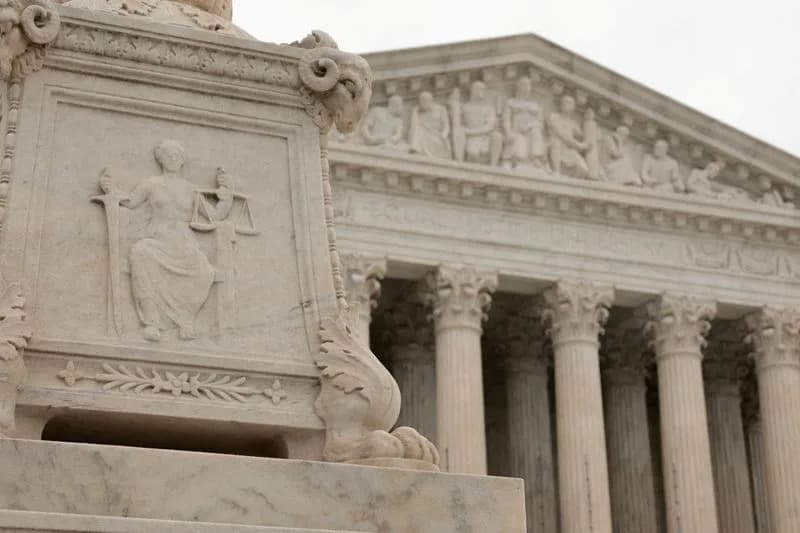
The clarification comes as the U.S. Supreme Court prepares to hear a case that could eliminate ballot grace periods nationwide. The high court's decision, expected late this spring or next summer, could render some of the practical effects of the USPS guidance moot.
Mail voting surged during the COVID-19 pandemic: 43% of voters cast mail ballots in 2020. That share has declined but remains above pre-pandemic levels; about 30% of voters used mail ballots in 2024, according to the U.S. Election Assistance Commission.
While the majority of mailed ballots were processed successfully in 2024, election officials rejected 584,463 returned mail ballots (about 1.2% of returned mail ballots). Roughly 18% of those rejections were for ballots that arrived after the deadline.
The Postal Service defended the clarification in a detailed reply published in the Federal Register, stressing that it does not administer elections and is not advocating for or against mail voting. The USPS reiterated its long-standing advice that voters mail completed ballots at least one week before Election Day and reminded voters they may request a free manual (hand) postmark at their local post office.
Practical Advice for Voters: To reduce the risk of a late or mismatched postmark, mail ballots well in advance (at least one week), use official election drop boxes when available, consider hand-delivering ballots to election offices where permitted, request a manual postmark at your post office if you mail late, and track your ballot using your state or local election office's tracking tools.
Stateline reporter Jonathan Shorman can be reached at jshorman@stateline.org.
Help us improve.