Senate Minority Leader Chuck Schumer has quietly helped assemble a competitive slate of Democratic Senate candidates — including Mary Peltola in Alaska, Roy Cooper in North Carolina and Janet Mills in Maine — and invested strategically to boost their chances. His behind-the-scenes recruitment, targeted ad spending and caucus management have helped Democrats overperform on difficult maps and advance major legislation like the Inflation Reduction Act. While Schumer is often criticized for his public communication style, his strengths in candidate recruitment and legislative strategy have positioned Democrats to contest the Senate next fall. He may still face internal challenges from the progressive wing as early as 2028.
How Chuck Schumer Quietly Built a Competitive Senate Map — And Why It Matters
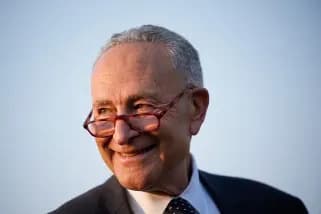
Chuck Schumer just showed why he’s a better leader than his Democratic base thinks
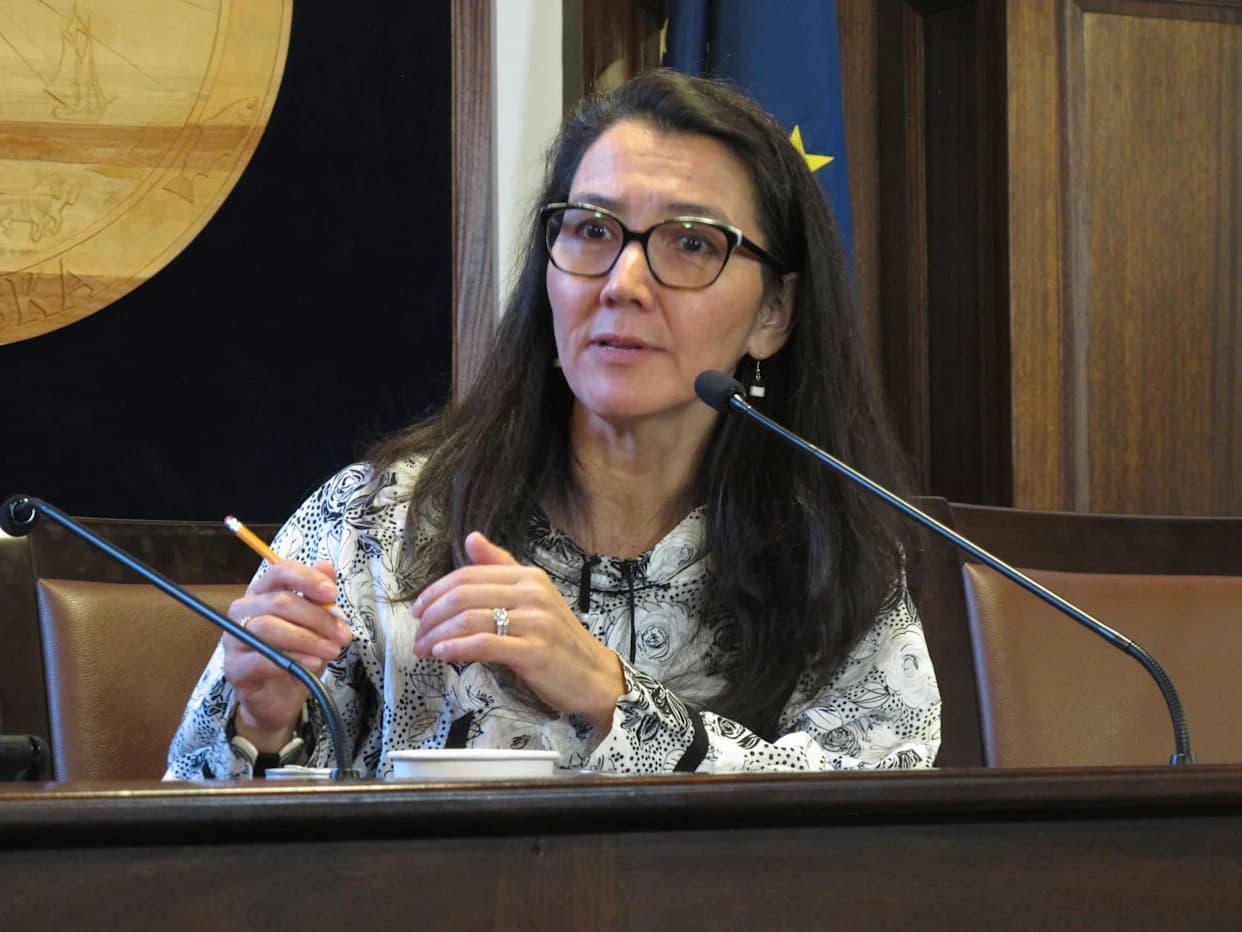
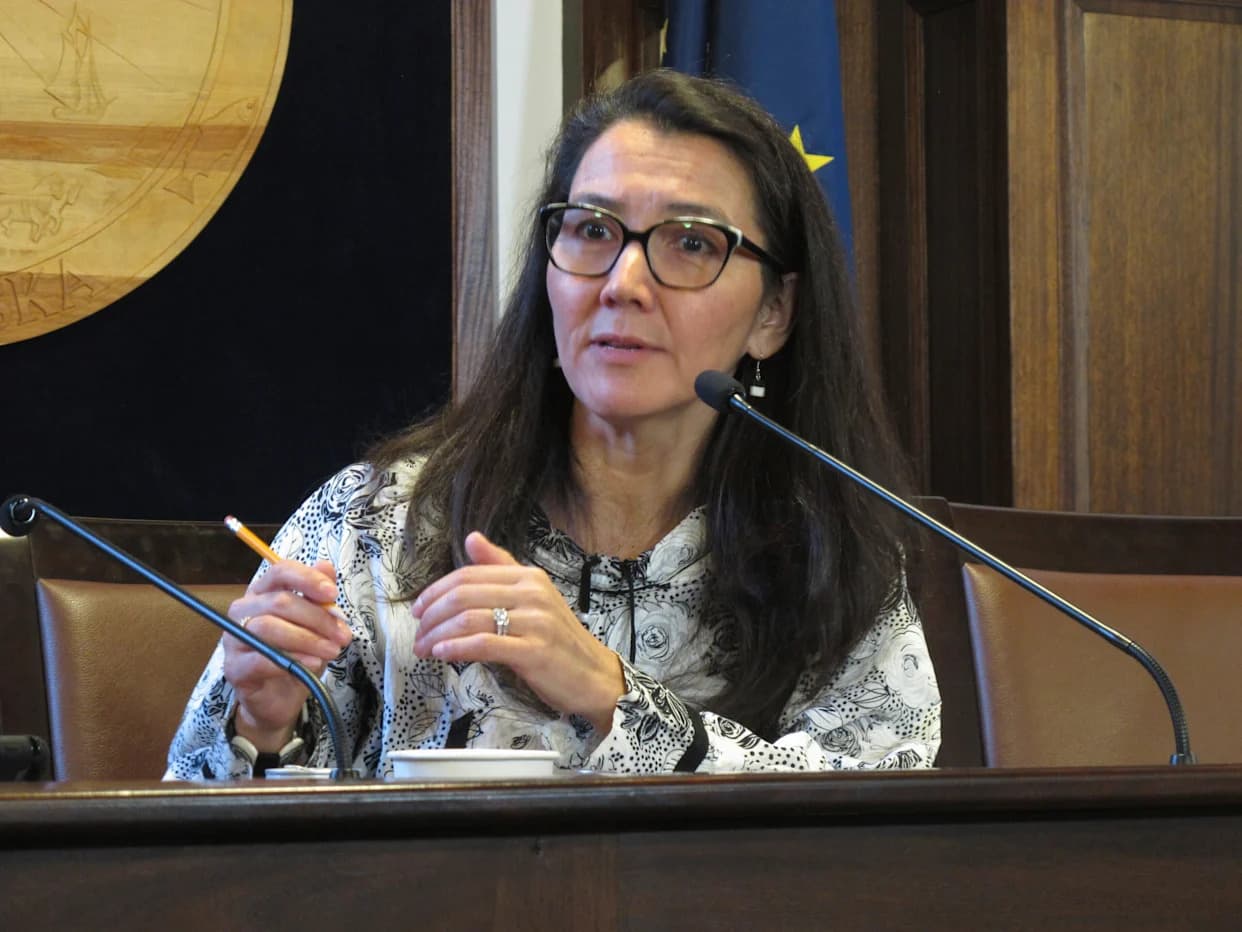
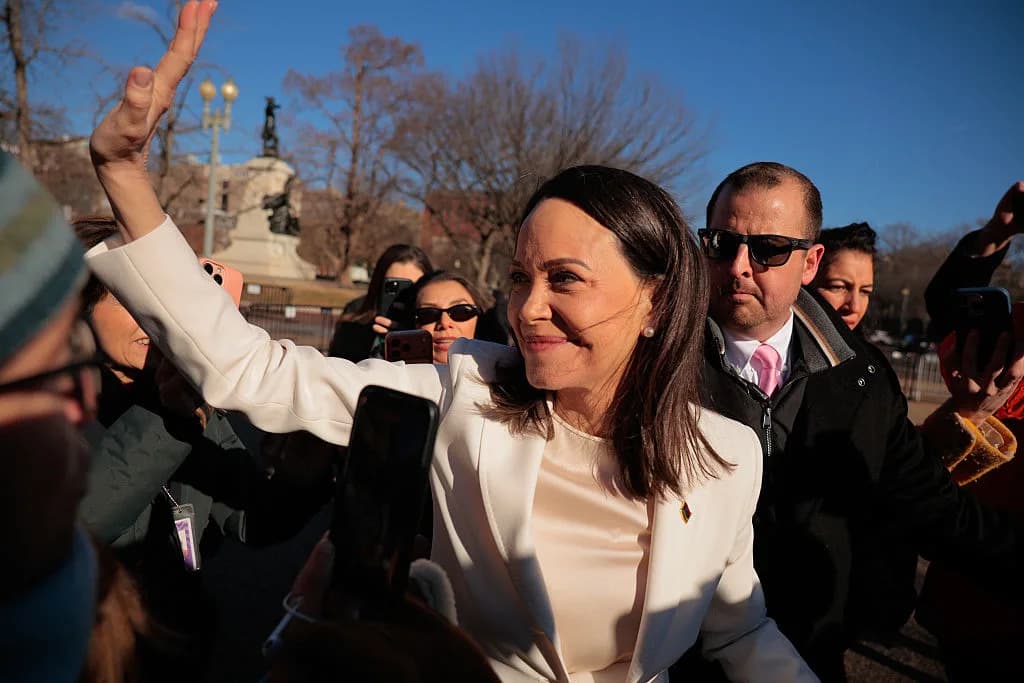
On Monday morning, Democrats received a late post-holiday boost when former Rep. Mary Peltola announced she will challenge Republican Sen. Dan Sullivan in Alaska’s Senate race this fall. Peltola — who won two statewide House contests in 2022 but lost her 2024 re-election bid — is widely seen as the Democratic candidate most likely to make Alaska competitive.
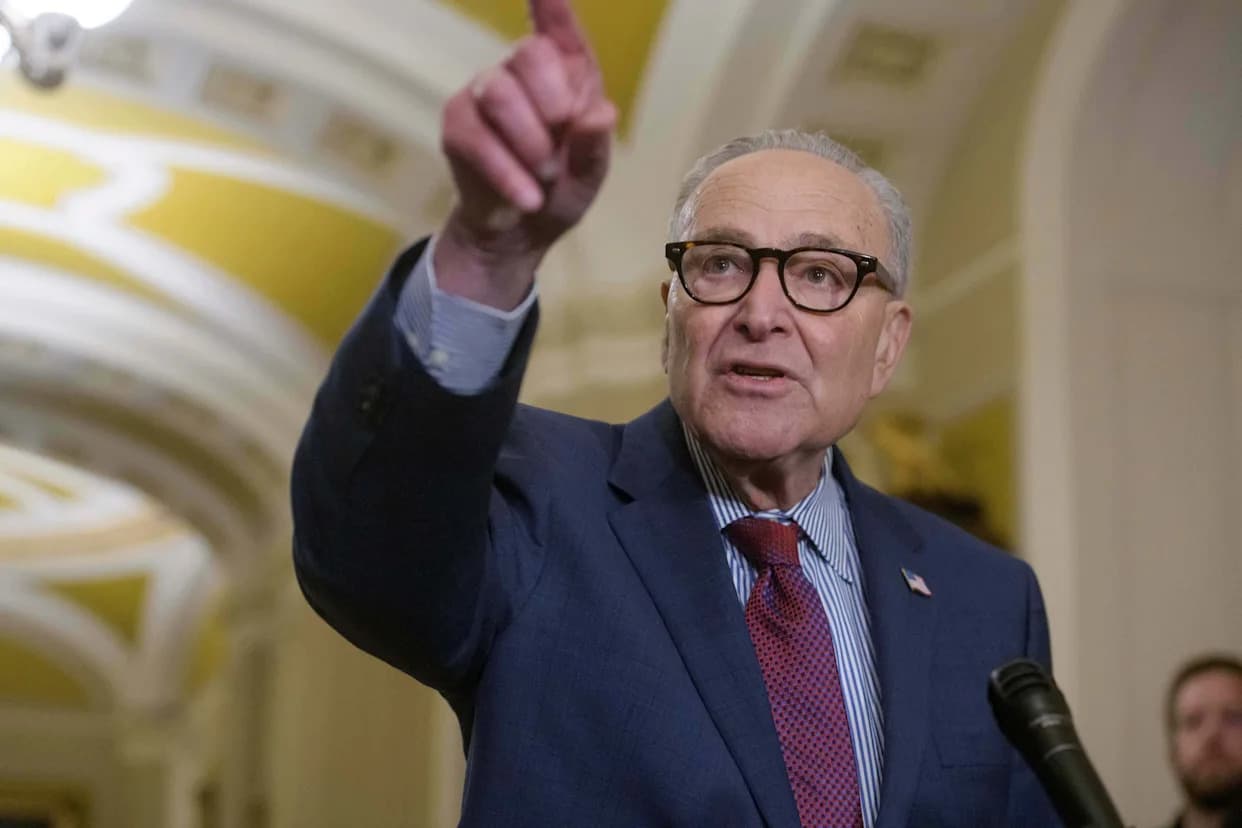
That development is another recruiting win for Senate Minority Leader Chuck Schumer (D-N.Y.), underscoring a key but often overlooked part of his job: building a durable, winnable map for Democrats. Critics frequently fault Schumer for awkward messaging or not publicly confronting former President Donald Trump. But leadership in the Senate is as much organizational and strategic as it is rhetorical, and on that front Schumer has quietly delivered.
Recruiting Strong Candidates
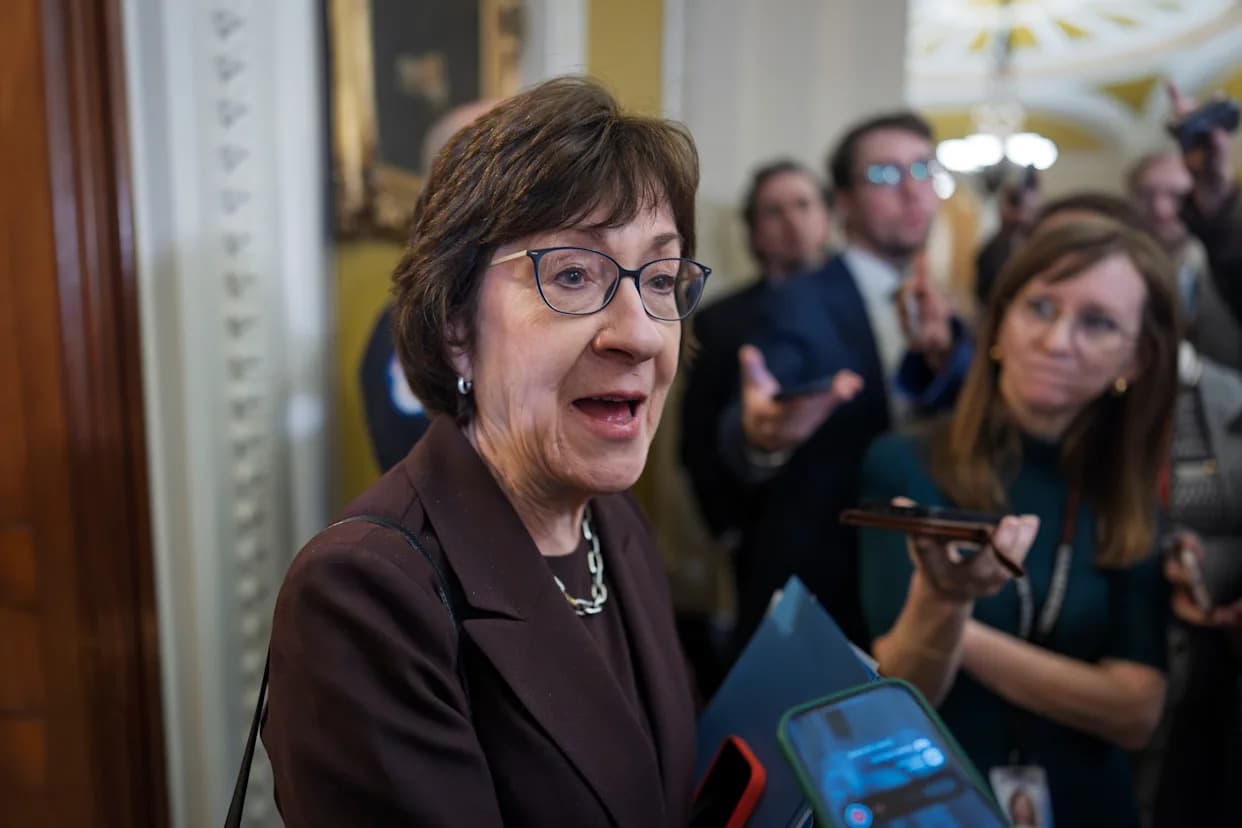
Schumer and his team have worked to persuade high-profile Democrats to step into tough races. In North Carolina, the party successfully recruited former two-term governor Roy Cooper for a Senate contest after Sen. Thom Tillis announced his retirement. In Maine, Gov. Janet Mills emerged as the Democrats’ most viable contender against long-time Republican Sen. Susan Collins despite a primary challenge from Graham Platner — a candidate dogged by controversy over a tattoo that resembled a Nazi Totenkopf, which he says he removed after it became public.
In Alaska, Schumer’s outreach reportedly included sustained recruitment efforts this summer and a targeted investment — roughly $1.5 million in ads attacking Sullivan — to soften the incumbent ahead of a Democratic entry. Across states, the pattern is the same: prioritize candidates who combine name recognition, statewide appeal and readiness to run in difficult environments.
Managing the Map and the Message
None of these races is guaranteed. The Cook Political Report currently classifies Maine and North Carolina as toss-ups while listing Alaska and Ohio as leaning Republican. Even so, assembling credible candidates in multiple competitive contests gives Democrats a realistic path back to the majority.
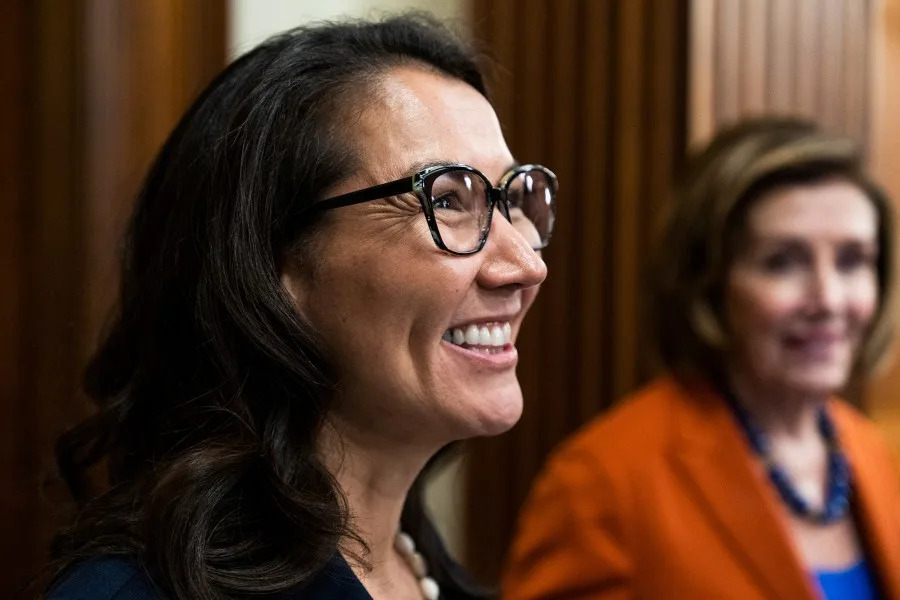
Mary Peltola participates in a swearing-in ceremony in the Capitol on Sept. 13, 2022.Tom Williams / CQ-Roll Call, Inc via Getty Images
Schumer’s influence extends beyond recruitment. He has a record of legislative and tactical work that has helped Democrats overperform tough maps. As head of the Democratic Senatorial Campaign Committee in 2006 and 2008, Democrats netted 14 Senate seats, briefly producing a 60-seat majority; national leaders used that margin to pass major legislation like the Affordable Care Act.
More recently, Schumer played a key role in advancing the Inflation Reduction Act in 2022 by working behind the scenes to win over moderates and keep the caucus united in a 50-50 chamber. And during the recent shutdown fights, he stepped forward to reject a shutdown strategy, helped shape the Democratic message and focus public attention on health-care policy — a message that ultimately drew several Republicans to support an extension of Obamacare subsidies.
A Quiet, Durable Leadership Style
Schumer’s critics will continue to argue he is not the party’s best public communicator. That critique has merit. But a Senate leader’s central responsibilities are recruiting, retaining and protecting members while delivering legislative outcomes. On those measures, Schumer has put Democrats in a stronger position than many expected a year after the 2024 losses.
That said, Schumer’s tenure as Democratic leader is not guaranteed. He faces potential pushback from progressives and the possibility of a primary challenge as early as 2028. Still, aside from the notable leadership of Harry Reid in the recent past, Schumer’s record makes a compelling case that he has been among the most effective Democratic Senate leaders in modern memory.
Bottom line: Through persistent recruitment, targeted spending and careful caucus management, Schumer has quietly assembled a competitive slate of Senate candidates and shaped a pragmatic path for Democrats to contest control of the Senate next fall.
Originally published by MS NOW.
Help us improve.