Democratic leaders say the party has 'multiple paths' to a Senate majority in 2026, pointing to strong recruits in several Republican-leaning states and a strategy centered on rising costs and health care. The DSCC memo names Alaska, Iowa, Maine, North Carolina and Ohio as pickup opportunities while highlighting competitive defenses in Michigan, Georgia and New Hampshire. Chair Sen. Kirsten Gillibrand defended the committee against progressive critics and emphasized tailored recruiting and messaging by state.
Democrats Say They Have 'Multiple Paths' to a 2026 Senate Majority — Even Through Deep-Red States
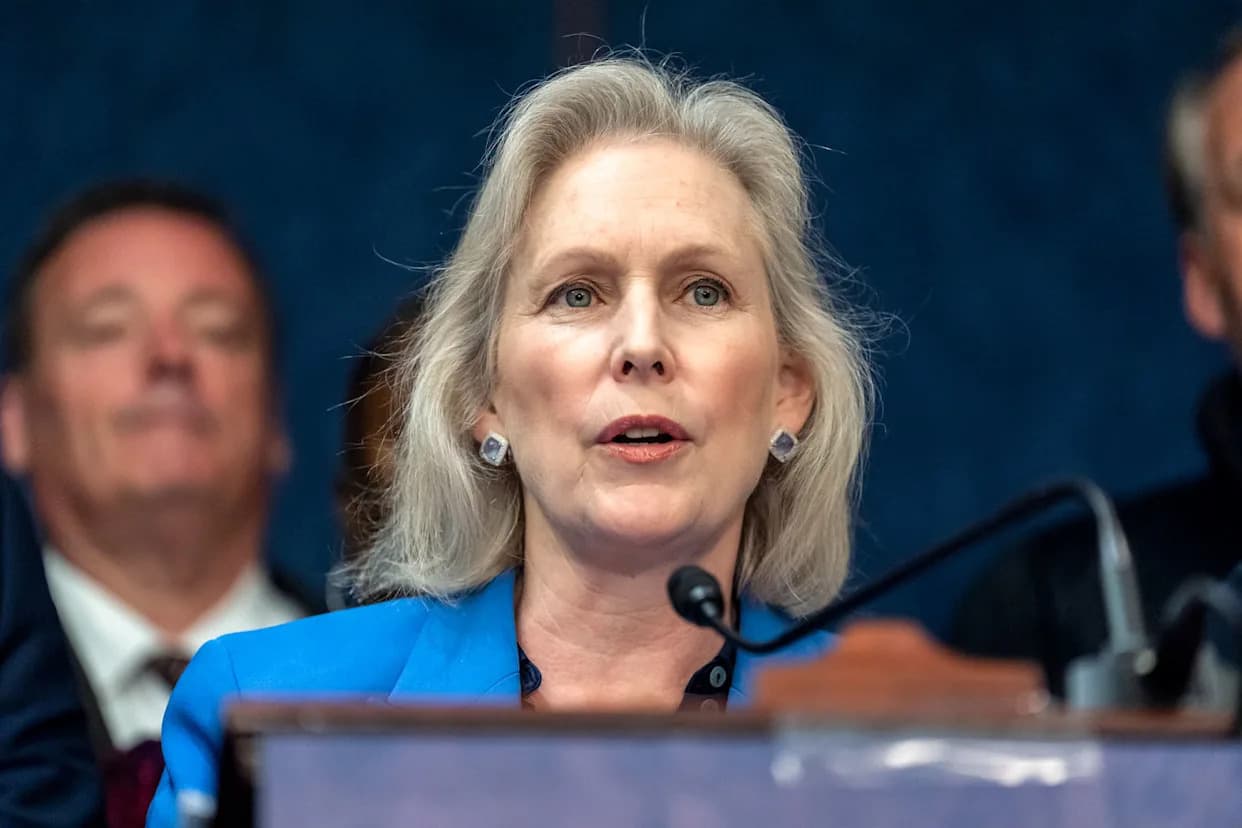
Sen. Kirsten Gillibrand, D-N.Y., on Capitol Hill in May. (Mark Schiefelbein / AP file)
Democratic leaders say the party now sees 'multiple paths' to winning control of the U.S. Senate in 2026, pointing to strong recruits in traditionally Republican states and a campaign message focused on rising costs and protecting health care access. For the first time, the Democratic Senatorial Campaign Committee (DSCC) has publicly outlined the states it considers top pickup opportunities.
DSCC Targets and Strategy
Sen. Kirsten Gillibrand (D-N.Y.), chair of the DSCC, told reporters the party faces a plausible opening this cycle. She defended the committee against intraparty criticism and described a two-part approach: recruit competitive nominees and emphasize pocketbook issues voters feel most directly — notably inflation and health care.
The arithmetic remains difficult: Democrats must net four seats to take the Senate majority. That requires defending vulnerable incumbents while picking off Republicans in several states, including at least two that former President Donald Trump carried by more than 10 points in 2024.
Memo Lays Out Possible Paths
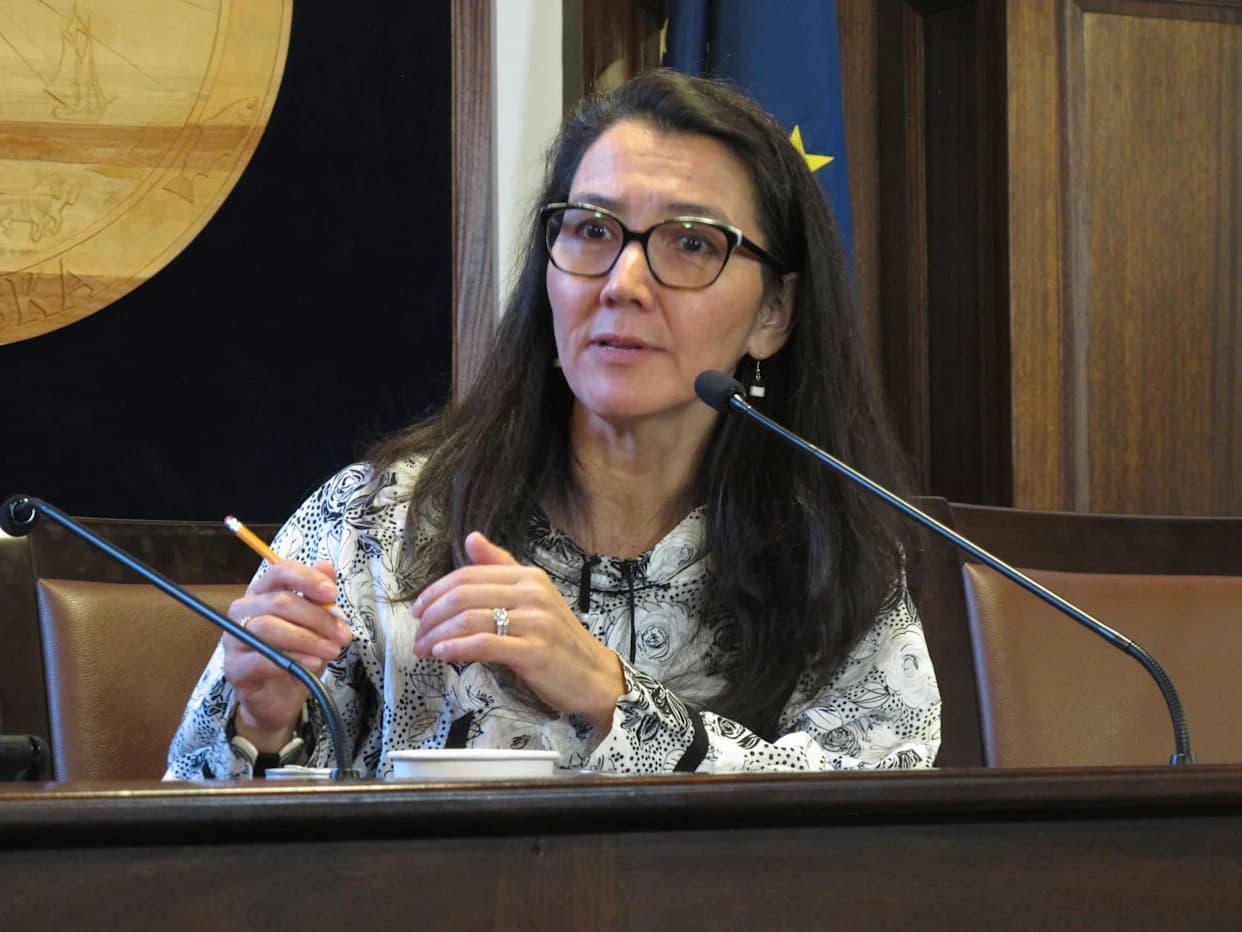
In a new DSCC memo, Executive Director Devan Barber lists Alaska, Iowa, Maine, North Carolina and Ohio as realistic pickup targets. The memo also highlights competitive defenses being built in Michigan, Georgia and New Hampshire. The committee is publicly touting high-profile recruits such as former North Carolina Gov. Roy Cooper, former Sen. Sherrod Brown in Ohio and former Rep. Mary Peltola in Alaska.
'We now have this opportunity that I don't think we imagined at the beginning of this cycle,' Gillibrand said, adding there is 'a very strong likelihood' Democrats will control the Senate next year.
Contested Primaries and Intraparty Tensions
Democrats face several contested primaries that could complicate the fall map. In Maine, the DSCC is backing Gov. Janet Mills over progressive challenger Graham Platner as it seeks to unseat Sen. Susan Collins. In Texas, a competitive Democratic primary between Rep. Jasmine Crockett and state Rep. James Talarico is drawing attention. Iowa also has multiple hopefuls under consideration.

Senate Majority Leader John Thune, R-S.D.; Senate Minority Leader Chuck Schumer, D-N.Y. (Al Drago; Kevin Dietsch / Getty Images )
Progressive senators and activists have criticized the DSCC for favoring establishment candidates in some primaries. A group of senators informally called a 'fight club' — reportedly including Sen. Bernie Sanders and Sen. Elizabeth Warren — has voiced concerns that the committee too often supports candidates considered more palatable to wealthy donors and party operatives.
Gillibrand rejected those criticisms as unfounded, saying the committee's priority is winning and recruiting 'fighters' with proven records of campaigning and opposing Trump-era policies. She added the DSCC continues to recruit in at least three other states and that 'no state is off the table.' She cited Mississippi — where Democrats have lost 15 straight Senate races — as an example of a place the party is watching.
Message Focus: Costs and Health Care
The DSCC memo urges candidates to emphasize two central themes on the trail: combating rising costs and protecting access to health care. Gillibrand argued those messages resonate across diverse states and could help expand the map by appealing to voters' everyday concerns.
Democrats are also weighing how vigorously to debate immigration and deportation policy. Some within the party have renewed calls to abolish Immigration and Customs Enforcement (ICE), a conversation that intensified recently after the fatal shooting of a woman by an ICE officer in Minneapolis. Gillibrand said emphasis on immigration will vary by state and candidate and reiterated that individual contenders will propose their own solutions.
Outlook
The DSCC says it now sees multiple plausible routes to a majority and is building infrastructure in both pickup opportunities and defensive races. Republicans counter that Democratic primaries and the party's choices will hurt its fall prospects. As the primary season progresses, the ultimate map will depend on who emerges as nominees and which messages gain traction with voters.
This article was originally published on NBCNews.com. This version has been edited for clarity, flow, and style.
Help us improve.