Experts warn Europe faces a renewed, realistic risk of conflict with Russia. Hybrid operations — from airspace incursions and GPS jamming to sabotage and disinformation — have raised concerns that a conventional assault could become possible in the late 2020s. NATO has contingency plans for at-risk regions such as the Baltics, but specialists say those plans are under-resourced. Governments must accelerate investment in forces, infrastructure and civil resilience and secure public buy-in for difficult trade-offs.
Europe on Edge: Experts Warn Russia Has Reintroduced the Real Risk of War

Candidates to join Poland's Territorial Defence marching in a defensive formation after finishing 16 days ''Tactical Loop'' training in Pasternik Garrison Training Center. - Dominika Zarzycka/SOPA Images/LightRocket/Getty Images
Last month, defence experts gathered in Whitehall, the centre of the British government, and delivered a stark assessment: the United Kingdom and many of its allies are not prepared for a large-scale war that analysts increasingly believe could break out within a few years.
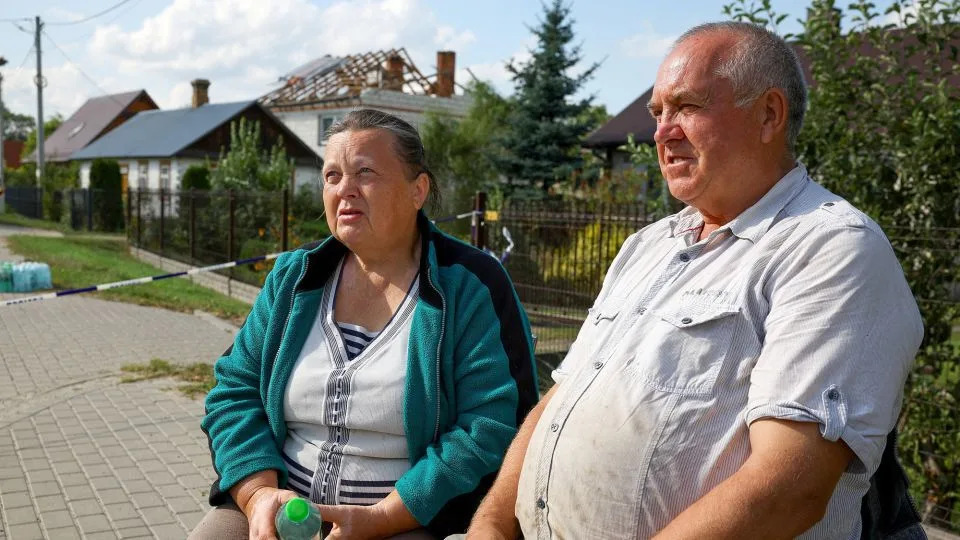
The house of Alicja and Tomasz Wesolowski in Poland's Wyryki-Wola was destroyed after Russian drones violated Polish airspace during an attack on Ukraine. - Kacper Pempel/Reuters
The conference was hosted by the Royal United Services Institute (RUSI) in London and brought together current and former military leaders, government and NATO officials, researchers and defence-industry professionals. Their conclusions are informed by a widely shared intelligence view that Moscow is preparing for the possibility of direct conflict with Europe — and that Europe must be ready to win such a war if deterrence fails.
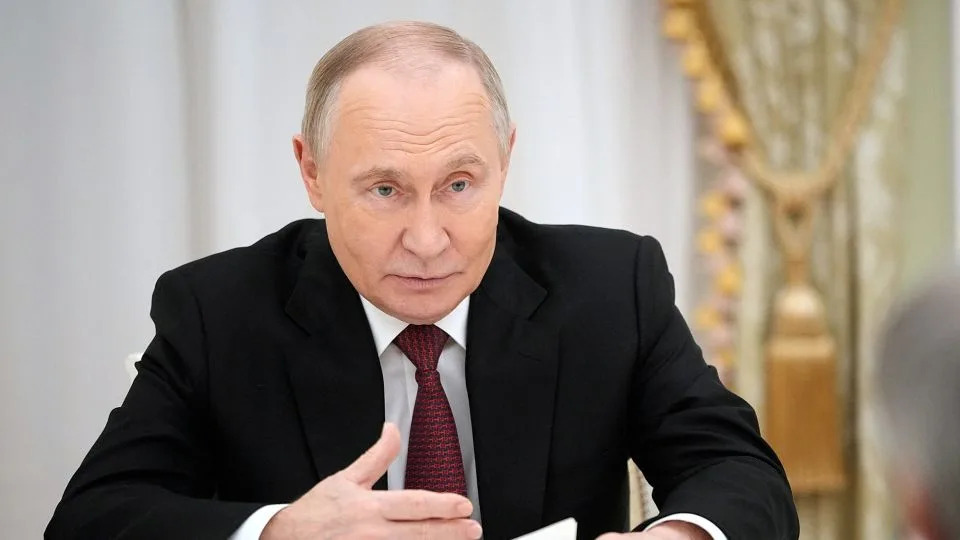
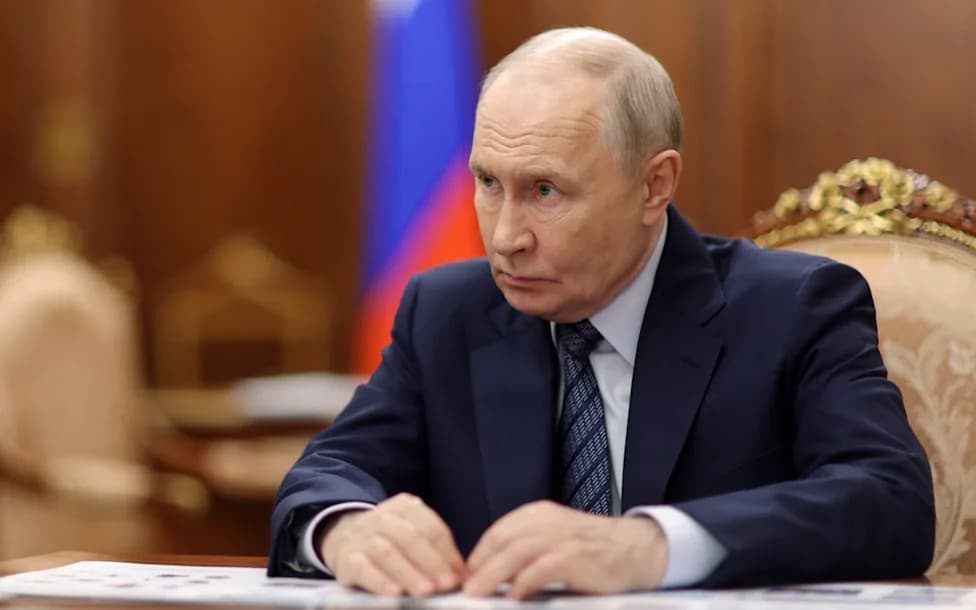
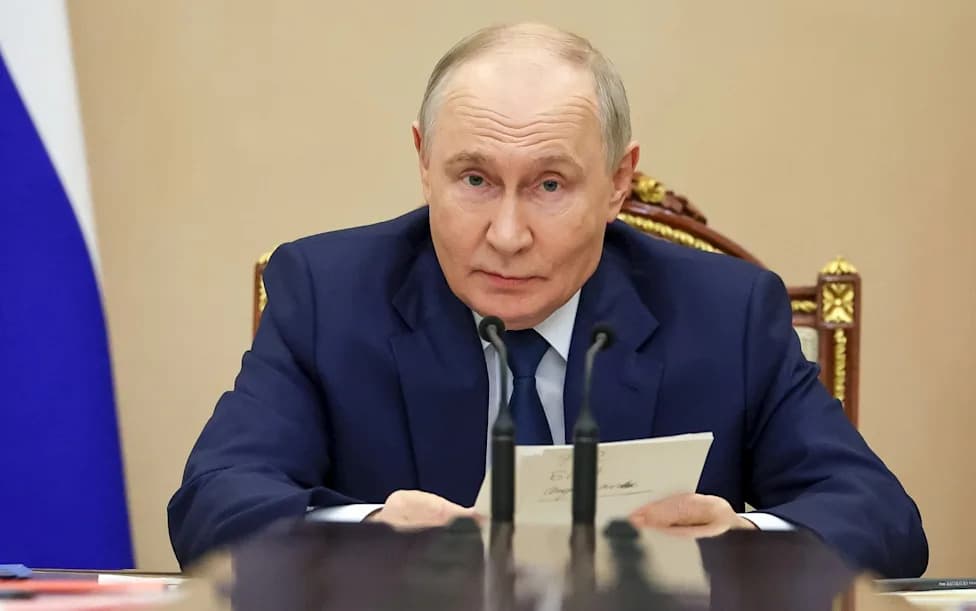
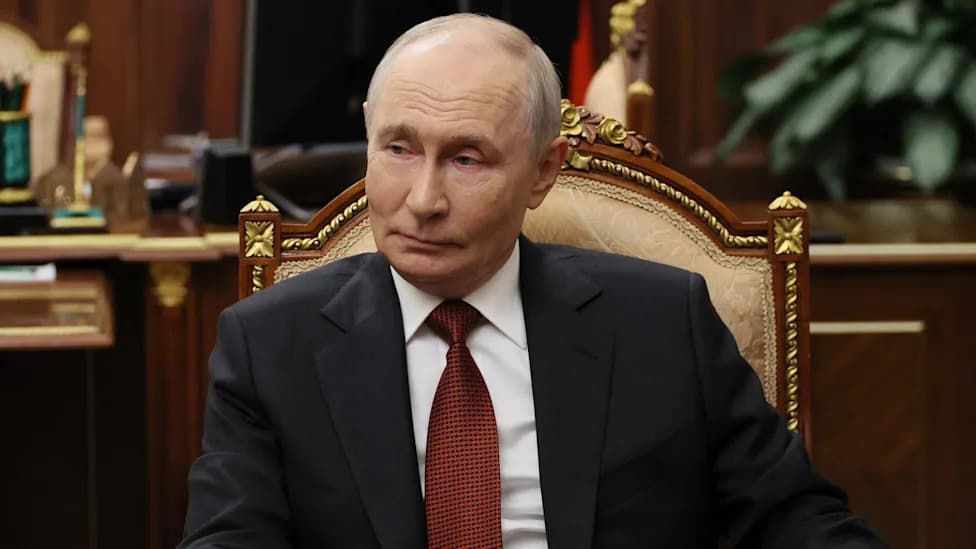
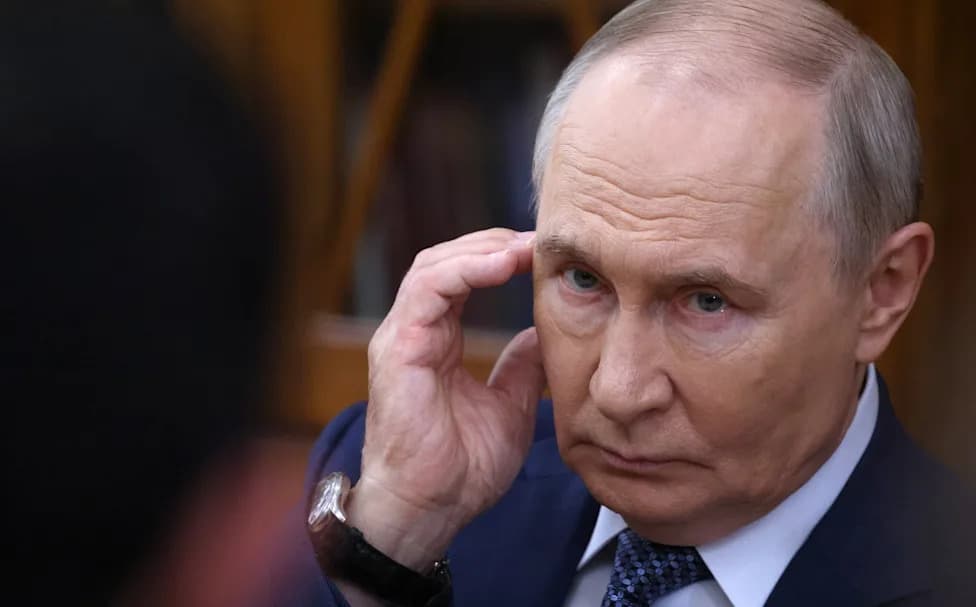
Russian President Vladimir Putin speaks during a meeting of the Council of the Collective Security Treaty Organization (CSTO) at the Senate Palace of the Kremlin in Moscow on December 8. - Pavel Bednyakov/Reuters
From Hybrid Attacks to Overt Threats
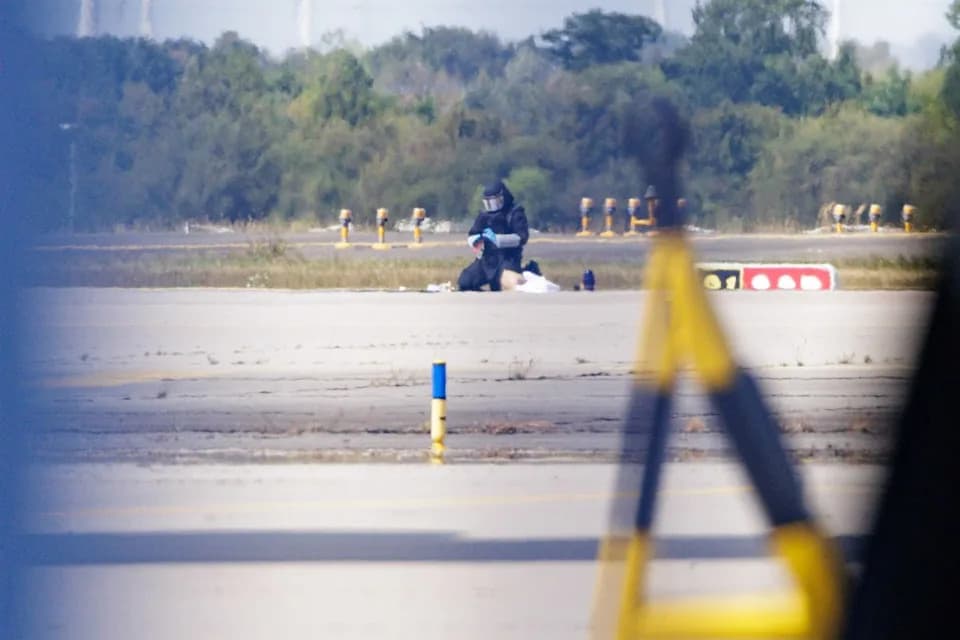
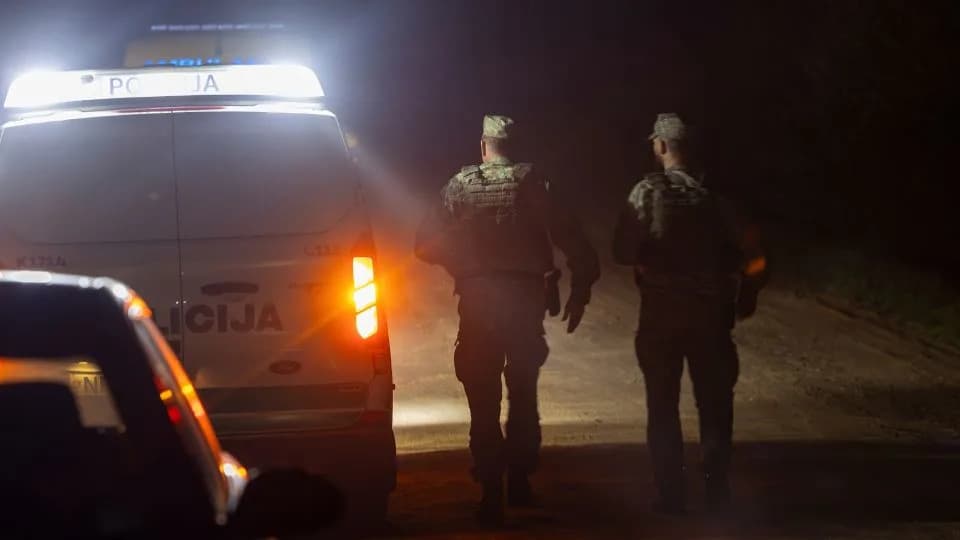
Experts point to a pattern of activities often described as hybrid warfare: repeated incursions into NATO airspace by aircraft and drones, GPS jamming in the Baltic region, disinformation campaigns and sabotage of critical infrastructure. These actions, traced by multiple governments and independent researchers to actors associated with Russian intelligence services, have not been acknowledged by Moscow.
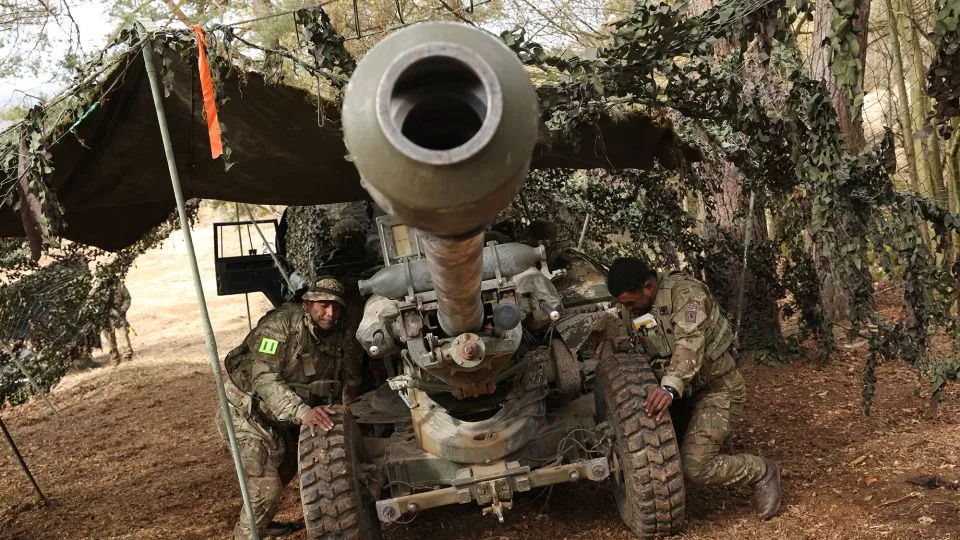
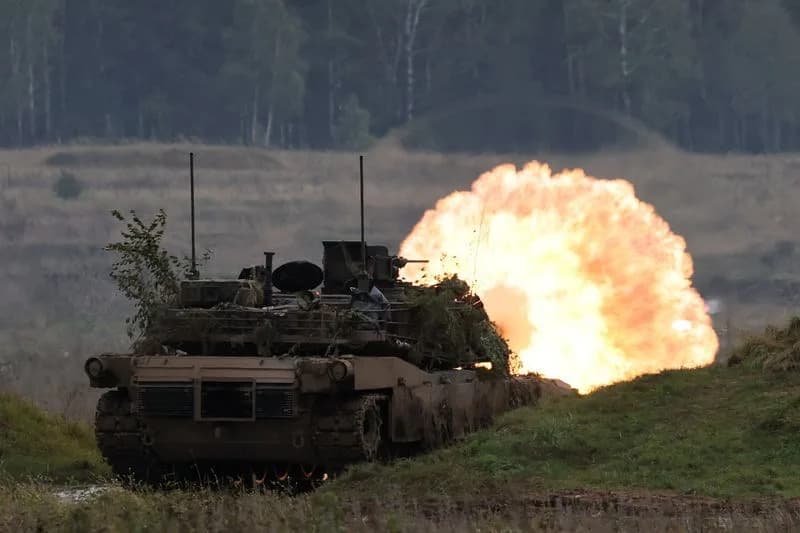
Soldiers of the 88th Gun Battery of the British Army prepare an artillery gun during the Allied Spirit 25 military exercise in Germany. - Sean Gallup/Getty Images
“People are spooked, particularly as this becomes more visible. We see drones outside airports, and there is a growing sense that it may be only a matter of time before one of these incidents causes major loss of life,” said Sam Greene, professor of Russian politics at King’s College London.
So far, Russia has not carried out a direct attack on NATO territory. Many analysts attribute this restraint to Moscow’s current inability to defeat the alliance in a conventional campaign. Still, intelligence assessments and government warnings increasingly point to the late 2020s — broadly the 2027–2029 period — as a window of concern for the readiness and posture of Russian forces.

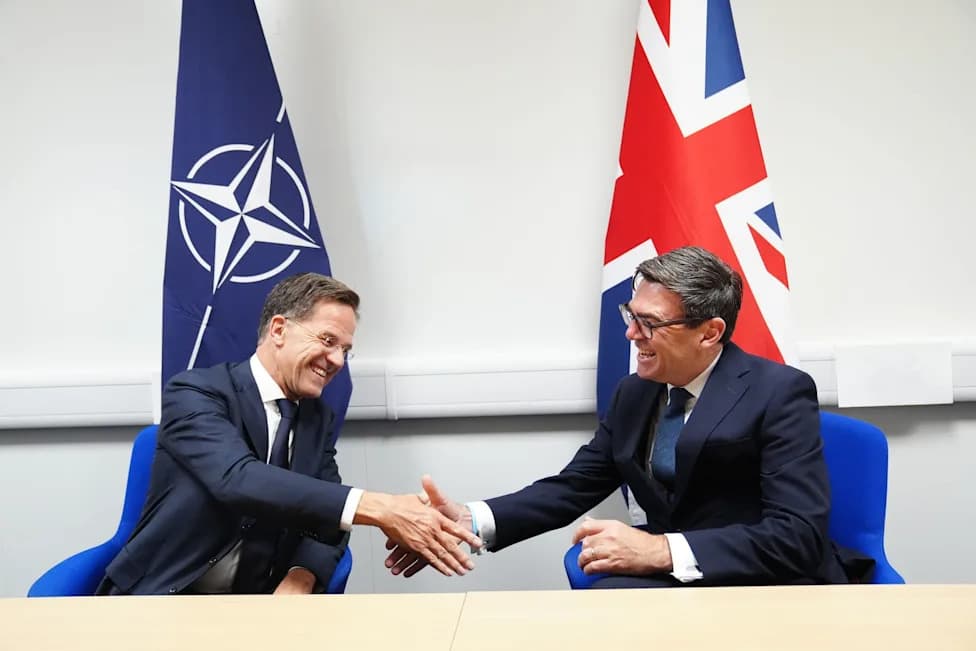
US President Donald Trump during a press conference at the NATO summit in The Hague, Netherlands on June 25. Of Nato's 32 members, 31 are set to meet the target of spending 2% of GDP on defense this year – up from just six in 2021. - Piroschka Van De Wouw/Reuters
Contingency Plans, But Not Enough Resources
NATO has developed contingency plans to defend vulnerable areas such as the Baltic states, but several experts at the RUSI event warned that planning is outpacing reality. “There’s a plan, with numbers. But governments are not taking the necessary steps to implement it. We are still planning based on things that don’t exist,” said Jack Watling, a senior research fellow at RUSI. He warned against building responses from a wish list rather than from the forces and supplies that are actually available.
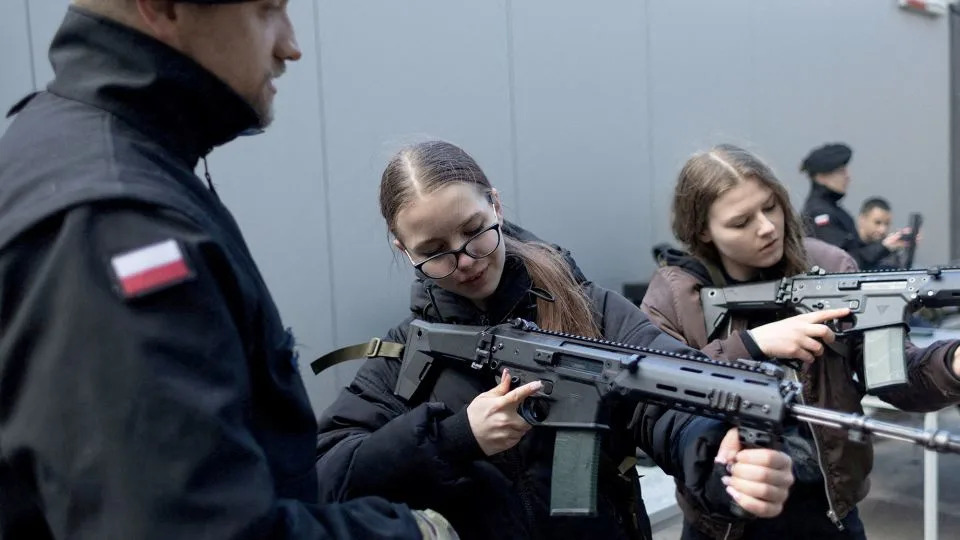
A group of civilians takes part in training military techniques in a session billed as "Train with the Army" by the country's defence ministry, in Gdynia, Poland, on April 5. - Lukasz Glowala/Reuters
In the UK, a strategic review commissioned earlier this year by government figures and led by senior experts — including former NATO chief George Robertson, Gen. Richard Barrons and adviser Fiona Hill — produced a practical handbook of reforms. The review recommends improving infrastructure resilience, expanding regular forces and reserves, strengthening civil defence and shoring up health services and industrial capacity so the country could shift quickly to a wartime footing.
“We frankly don’t need much more analysis to tell us what it is we need to do. The problem is that we need to actually do it,” said Gen. Richard Barrons at the RUSI event, noting that progress without urgency could take a decade — far longer than some intelligence timelines allow.
Public Consent, Budgets and Tough Choices
For decades many European governments have prioritised social spending over defence, benefiting from an extended period of peace. Two events — the Trump-era signal that the US alliance could be less certain and Russia’s full-scale invasion of Ukraine — forced a rethink. NATO data show a sharp increase in defence budgets: many European members are now meeting the alliance’s 2% of GDP defence spending benchmark, and NATO has agreed a long-term aspiration to raise that target further by 2035.
But money alone will not be sufficient. Experts say political leaders must persuade publics to accept difficult trade-offs: higher defence spending, renewed civil-defence measures, and possible increases in reserve service or conscription in some countries. Public opinion is shifting: several Eurobarometer surveys this year found large majorities of Europeans are concerned about defence and security over the next five years, and roughly a third want defence among the EU’s spending priorities.
Responses already vary across Europe. Eastern neighbours of Russia such as Poland and the Baltic states are investing heavily in shelters, reserves and deterrent forces. Sweden and Finland have updated public guidance on wartime preparedness and distributed civilian survival booklets; Lithuania, Latvia and Sweden have reintroduced conscription; other countries have expanded voluntary training programmes.
Trust in institutions matters. “If people feel the state is working for them, they’re probably more inclined to want to give something back,” said Robin Potter of Chatham House, citing Nordic countries as examples where strong public services, social trust and a concept of “total defence” make mobilisation more politically and socially feasible.
The Bottom Line
Analysts agree on the need for a faster, more holistic approach: increase and better target defence spending, shore up critical infrastructure and civil resilience, build manpower in regular and reserve forces, and bring the public into a realistic conversation about risks and sacrifices. Without those measures, contingency plans may remain fragile paper exercises rather than effective deterrents or defence options.
Help us improve.