Overview: This roundup distills 15 global developments across security, technology, economics and human rights. The items show how localized incidents — from assassinations in Moscow and mass killings in Sudan to AI labor practices in Kenya — have regional or global consequences. Together they underline rising geopolitical friction, opaque labor powering AI, and how political or corporate choices reshape civil liberties and stability.
15 Global Stories That Reveal How Local Crises Are Shaping The World Right Now

Sebastian Elias Uth / Getty Images
Warning: This article includes reporting on violence and sexual assault. If you or someone you know needs help, contact the National Sexual Assault Hotline at 1‑800‑656‑HOPE for referral to local services.
Below are 15 concise briefings that bring together major developments in security, technology, economics and human rights — and why each item matters beyond its headline.

Anadolu / Getty Images
1–3: Great‑Power Friction and Cross‑Border Violence
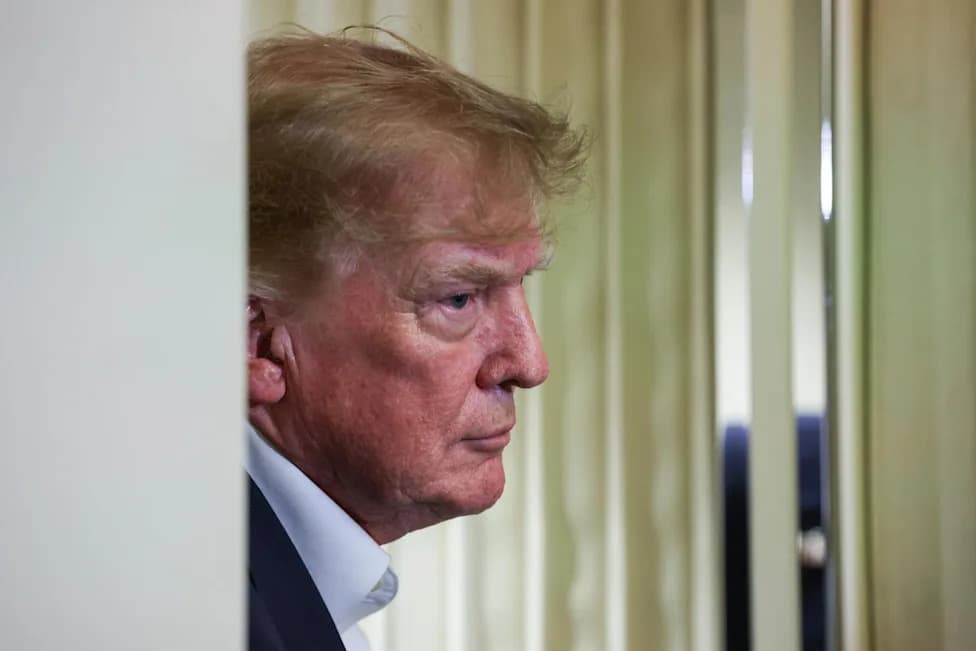
1. Denmark Lists the United States as a Security Concern. Denmark’s intelligence service now ranks the United States alongside Russia and China as a foreign security risk — an unusual step for a NATO founding member and a close U.S. partner. The assessment follows similar limits imposed by Dutch intelligence and reflects tensions over political interference, human‑rights concerns and public comments about Greenland, which Denmark now monitors with a night‑watch alert.
Why it matters: Such moves strain allied information‑sharing and signal that even long‑standing partnerships can fracture when political rhetoric and perceived risks rise.
Anadolu / Getty Images
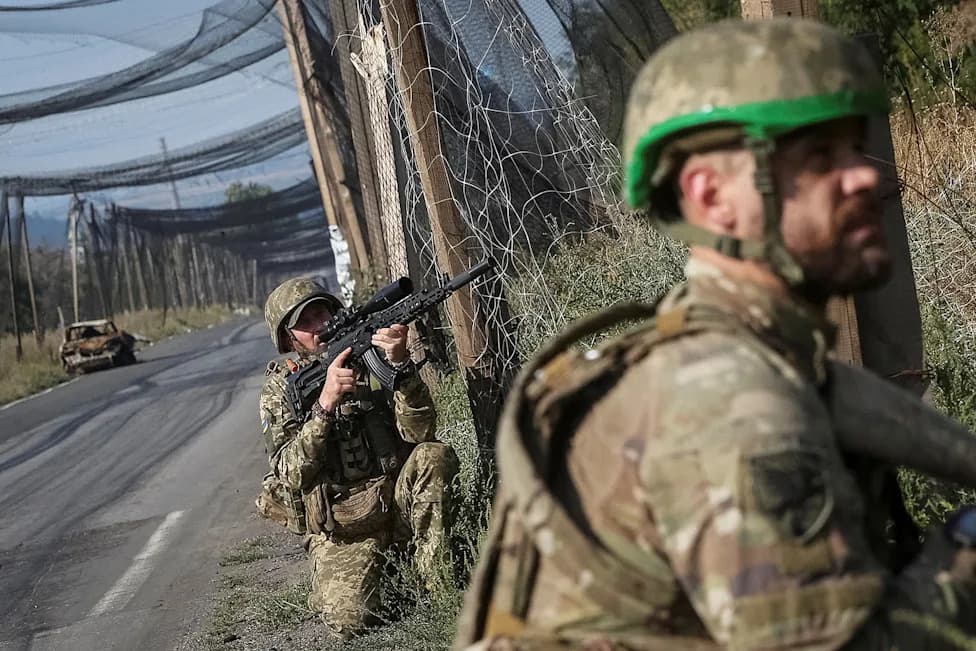
2. Senior Russian Generals Assassinated Inside Moscow. A string of killings targeting high‑ranking officers in the Russian capital shows how the Ukraine war is extending beyond the front lines and using asymmetric tactics to impose costs on those directing the conflict.
Why it matters: Attacks in Moscow expose vulnerabilities at the heart of the Russian state, risk harsher domestic crackdowns, and complicate any negotiation dynamics.

Kirill Kudryavtsev / Getty Images
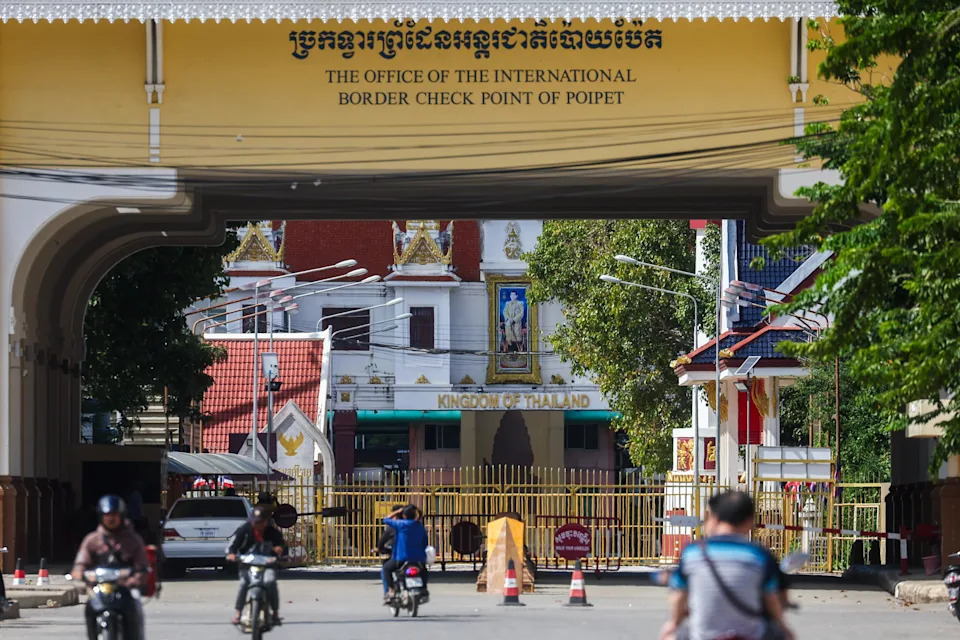
3. Thailand–Cambodia Border Strikes Escalate Around Poipet. Fighting near the Poipet border crossing has displaced hundreds of thousands and targeted alleged scam hubs, blurring military and economic objectives while prompting regional mediation from China, ASEAN and surveillance support from the EU.
Why it matters: Local disputes in Southeast Asia can quickly ripple into broader instability that affects trade, migration and global supply chains.

Nurphoto / Getty Images
4–6: Hidden Labor Powering The Digital Economy
4. Chinese AI Firms Recruit Kenyan Data Workers Via WhatsApp. Chinese contractors often hire through informal middlemen and messaging groups rather than established outsourcing firms, making oversight difficult. With youth unemployment in Kenya reported at 67% in July 2025, many workers accept low‑paid, high‑pressure labeling and moderation tasks with little protection.
Why it matters: Modern AI depends on invisible human labor. Opaque hiring channels reduce accountability and mask exploitation at scale.

Big Event Media / Getty Images
5. LinkedIn Job Scams Are Tailored By Country. Scammers exploit trust built into professional platforms by impersonating recruiters and mentors and adapting tactics to local labor markets and social norms.
Why it matters: Professional networking expands access — and centralizes new vulnerabilities where job seekers are least protected.
John Moore / Getty Images
6. North Korea Infiltrates U.S. Companies Through Remote Work. Sanctions‑evasion schemes involve North Korean operatives applying for remote roles under stolen identities and controlling U.S.‑based machines run by domestic intermediaries ("laptop farms"). Major platforms have blocked many applications, but prosecutors have uncovered cases placing North Korean workers at hundreds of firms.
Why it matters: Remote hiring systems built for speed and trust create a structural gap that adversaries can exploit without traditional cyberattacks.

Mohan Raj / Getty Images
7–8: Media, Politics and Visibility
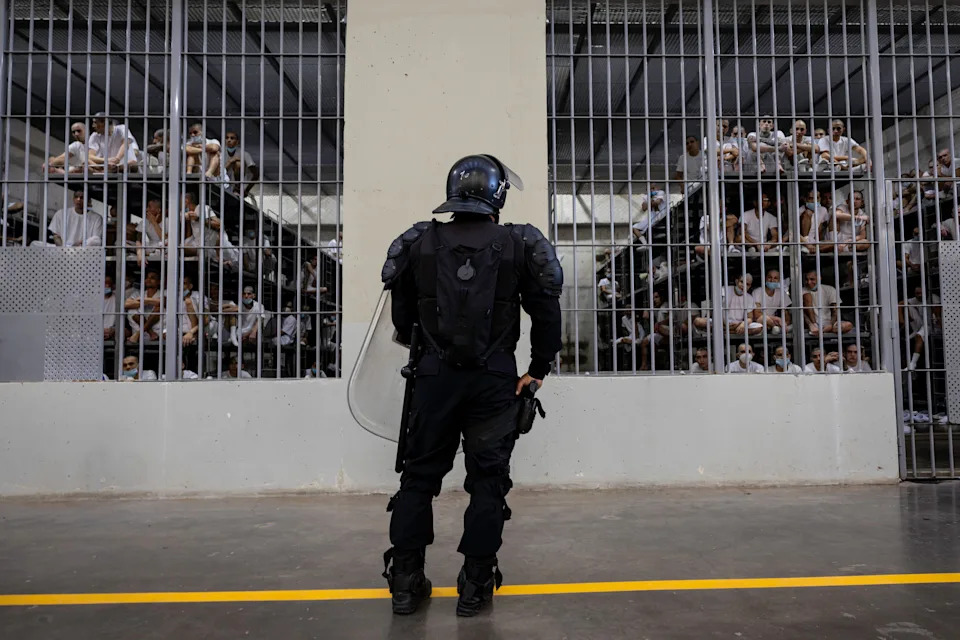
7. CBS Pulled a 60 Minutes Segment on an El Salvador Prison. The shelving of a legally vetted investigative piece raises concerns about editorial independence and whether corporate or political pressures can limit what the public sees about deportations and overseas detention.
Why it matters: When powerful interests can suppress reporting, accountability weakens and important policy debates move out of public view.
China News Service / Getty Images
8. Finland Racism Scandal Escalates Into Parliamentary Crisis. A dispute that began with a beauty‑pageant incident turned political after MPs from a governing party mimicked the gesture and framed it as a stand for free expression, illustrating how right‑wing populism reframes anti‑racism efforts as censorship.
Why it matters: The episode highlights how mainstream politics can normalize or obscure racist behavior and how economic pressure can influence official responses.
Yuichi Yamazaki / Getty Images
9–11: Technology, Energy and Social Change Driven By Economic Ambition
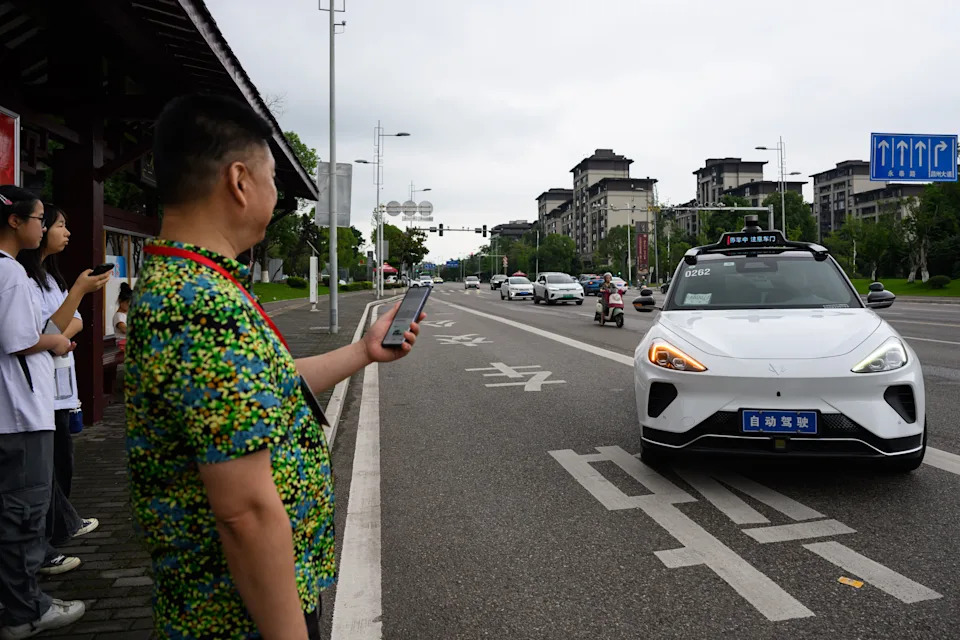
9. China‑Built Robotaxis Are Arriving in London. Baidu — with broad driverless experience in China — is positioned to operate autonomous taxi services in London through partnerships with international platforms.
Why it matters: Robotaxis gather real‑time maps and behavioral data and operate physically in public spaces; their deployment raises questions about foreign tech, data governance and urban sovereignty.
Win Mcnamee / Getty Images
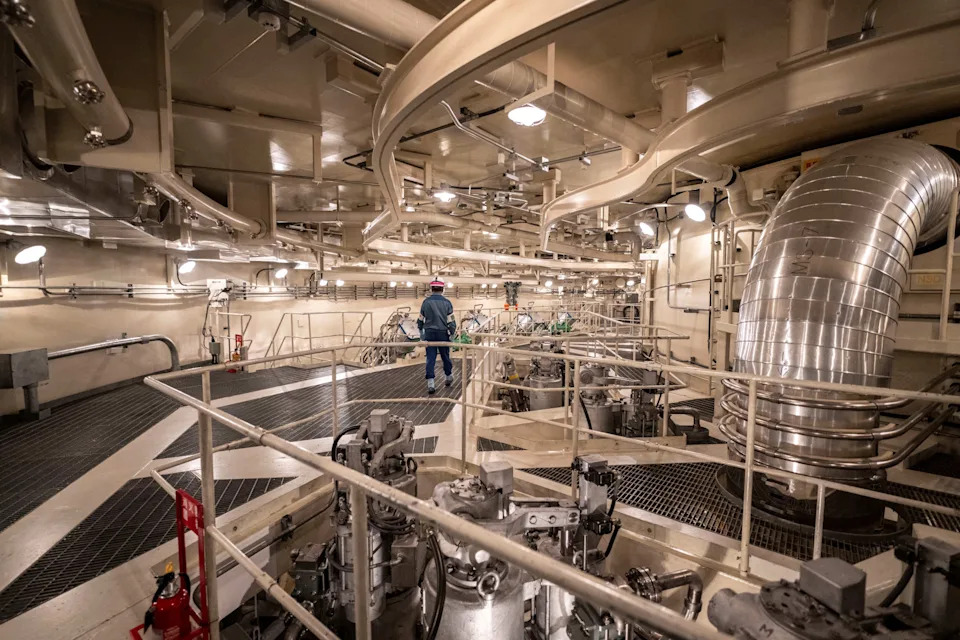
10. Japan Restarts the World’s Largest Nuclear Plant. In a bid to cut a roughly $68 billion fossil‑fuel import bill and reduce energy vulnerability, Japan reactivated Kashiwazaki‑Kariwa, managed by TEPCO — the company tied to Fukushima.
Why it matters: The restart tests public trust and may determine whether idled reactors return to service — a decision with climate, technological and geopolitical implications.
- / Getty Images
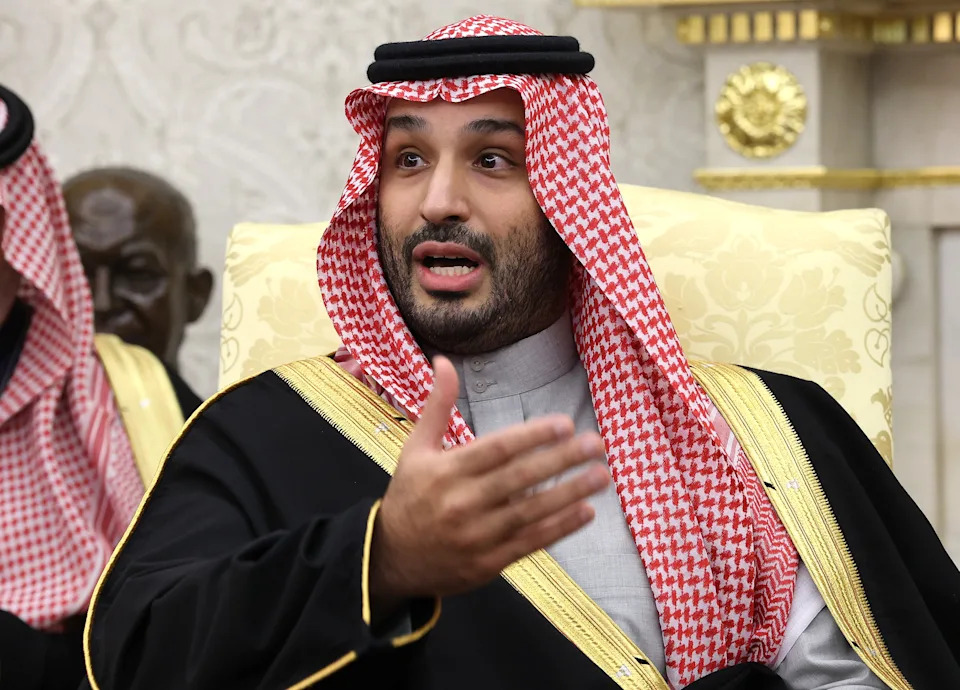
11. Saudi Arabia Quietly Expands Alcohol Access to Attract Visitors. Controlled, limited alcohol availability for non‑Muslim, wealthy foreigners is part of Crown Prince Mohammed bin Salman’s broader economic opening, tested carefully with strict security and restricted eligibility.
Why it matters: The move signals how states balance religious norms and international economic goals while testing social tolerance for change.
Taylor Hill / Getty Images
12–13: Wars That Trap The Most Vulnerable
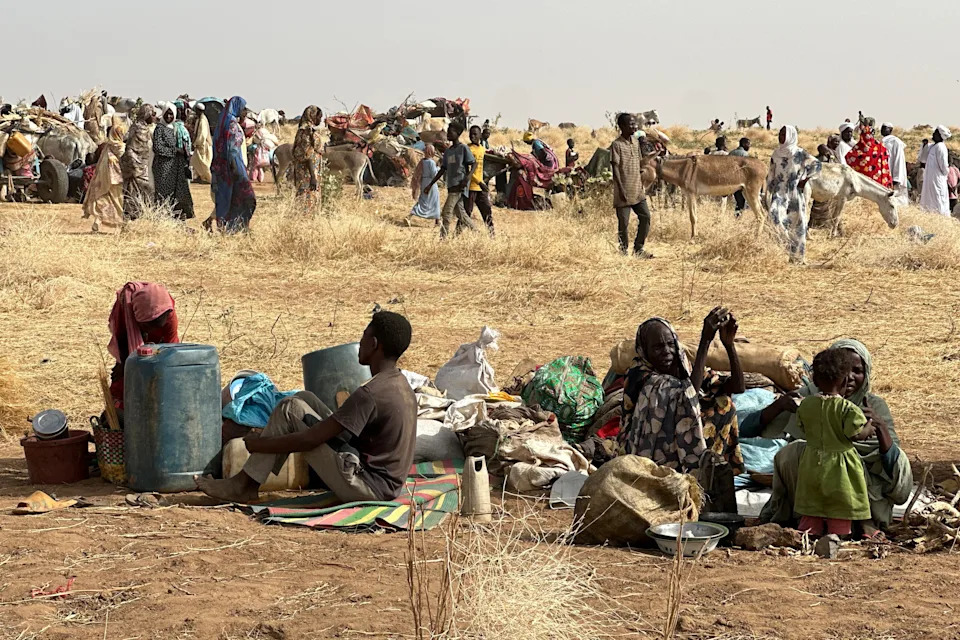
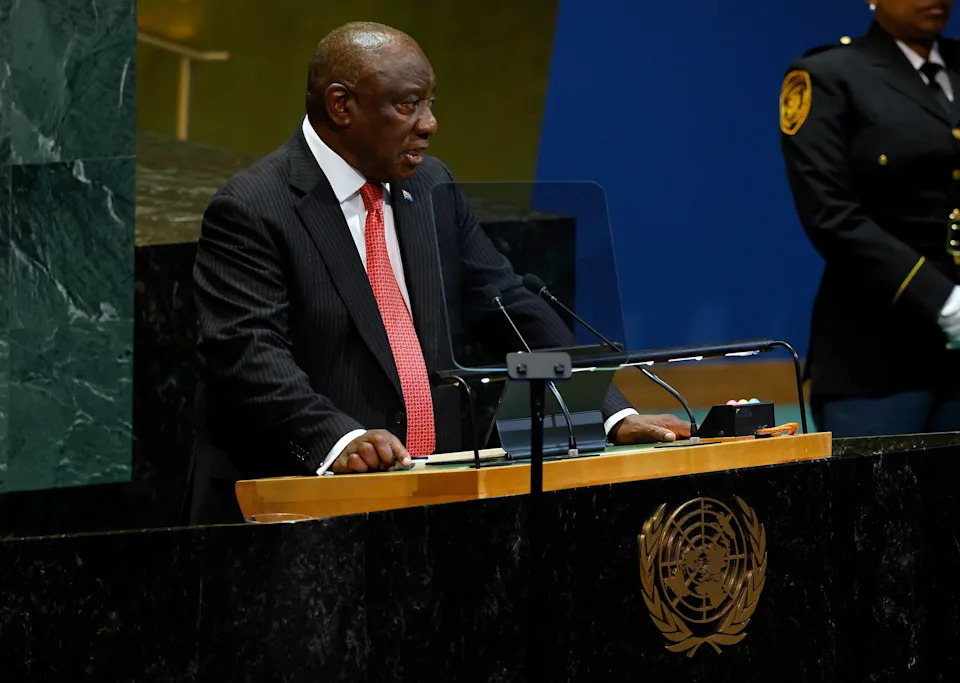
12. U.N. Reports Mass Killings at Sudan’s Zamzam Displacement Camp. The U.N. documented the killing of more than 1,000 civilians over three days in Zamzam, part of a larger conflict since April 2023 that has killed tens of thousands and displaced millions.
Why it matters: Sudan’s crisis demonstrates how catastrophic violence can persist when it receives limited international attention and political pressure.
Aizar Raldes / Getty Images
13. African Men Say They Were Recruited To Fight For Russia Under False Pretenses. Recruiters targeted unemployed men from African countries with false promises of safe security jobs; many signed contracts in languages they could not read and were sent to combat zones.
Why it matters: The practice reflects the mercenarization of conflicts and creates diplomatic crises for countries caught between protecting citizens and managing ties with Moscow.
Anadolu / Getty Images
14–15: The Appeal Of Order And Reuse Of Old Systems
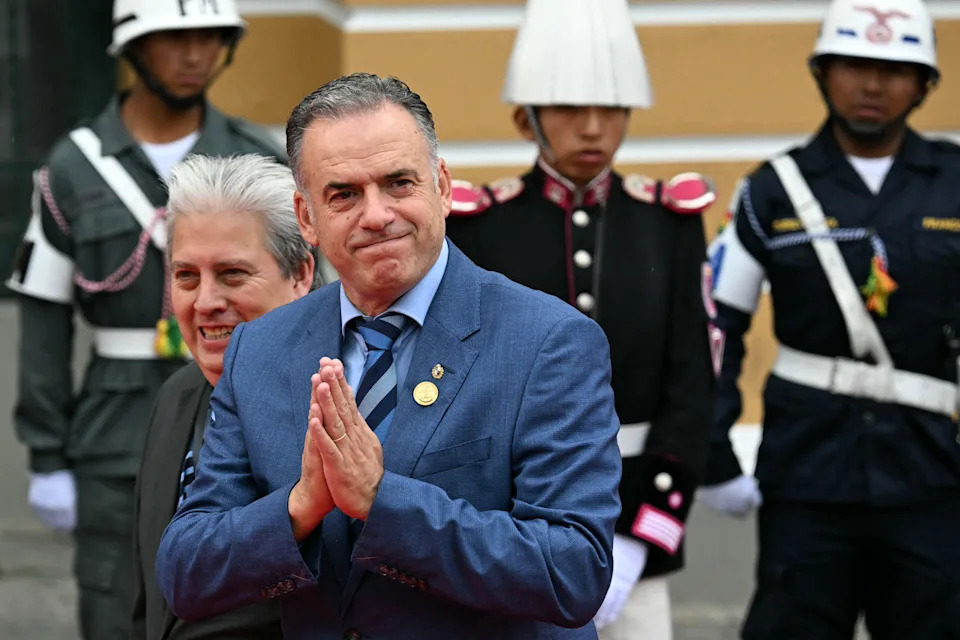
14. Uruguay Grapples With Nayib Bukele’s Regional Influence. Bukele’s model—tough security measures and mass detentions—has boosted approval in parts of Latin America. Uruguay’s government proposes a security plan that aims to reduce crime while retaining democratic norms.
Why it matters: Uruguay will test whether democracies can deliver safety without eroding civil liberties — a result that could shape political choices across the region.
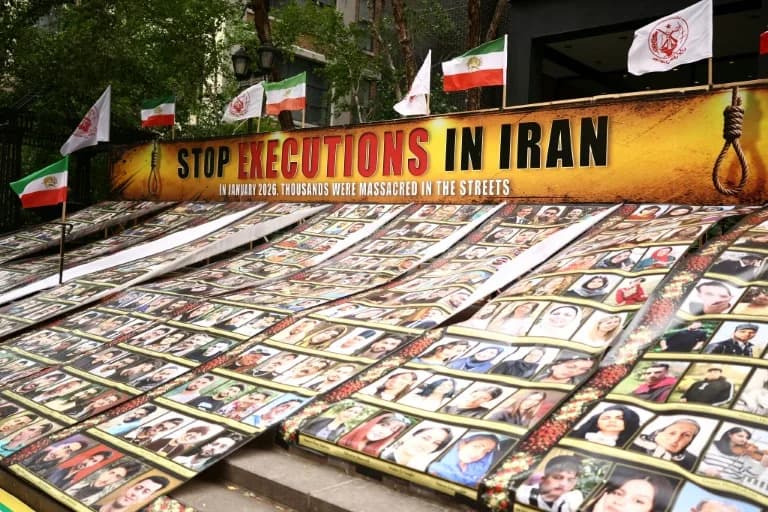
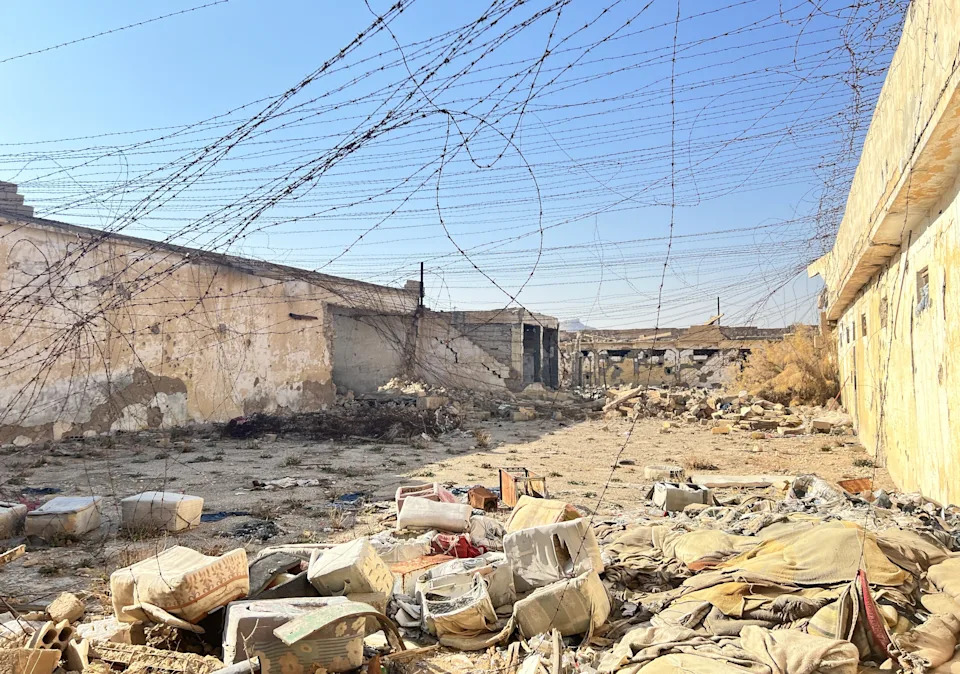
15. Syria’s Detention System Shows Continuity Under New Leadership. Despite Western engagement and sanctions relief tied to expectations of change, Reuters reporting indicates detention facilities used under Assad are operating again, with allegations of detention without charge, abuse and deaths.
Why it matters: Continued use of unreformed security institutions challenges the premise of external support and raises hard questions about accountability, reconstruction and long‑term stability.
Sources: Reporting compiled from Politico, AP, Nikkei Asia, Rest of World, BBC, Reuters, South China Morning Post and other outlets.
Help us improve.