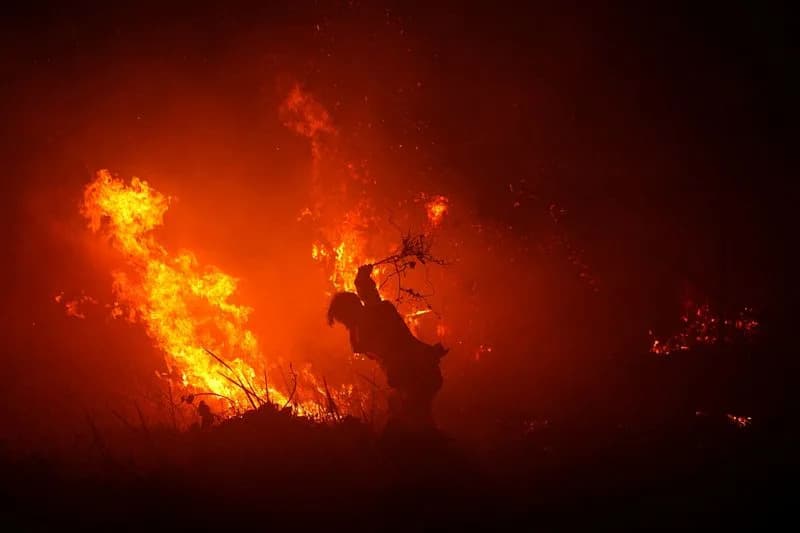
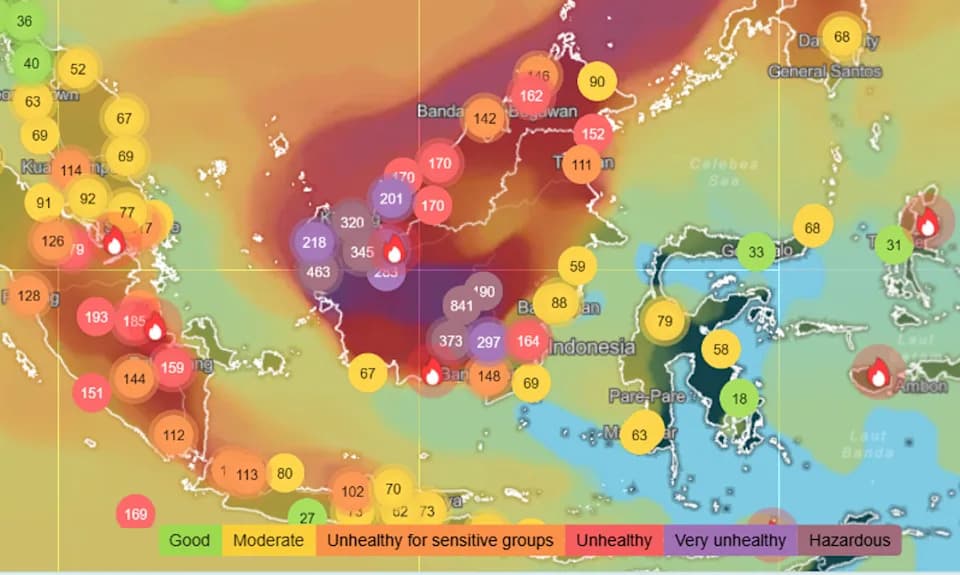
A new study in Environmental Science & Technology finds that wildfires and prescribed burns emit about 21% more organic gases than previous inventories indicated. By combining burned-area records from 1997–2023 with field and lab measurements, researchers estimate an average of 143 million tons of airborne organic compounds released per year. The analysis highlights IVOCs and SVOCs that form fine particles and identifies pollution hotspots in Equatorial Asia, Northern Africa and Southeast Asia. The updated inventory aims to improve air-quality modeling, health-risk assessment and climate policy.
Study Finds Wildfire Smoke Emits 21% More Harmful Organic Gases Than Previously Estimated
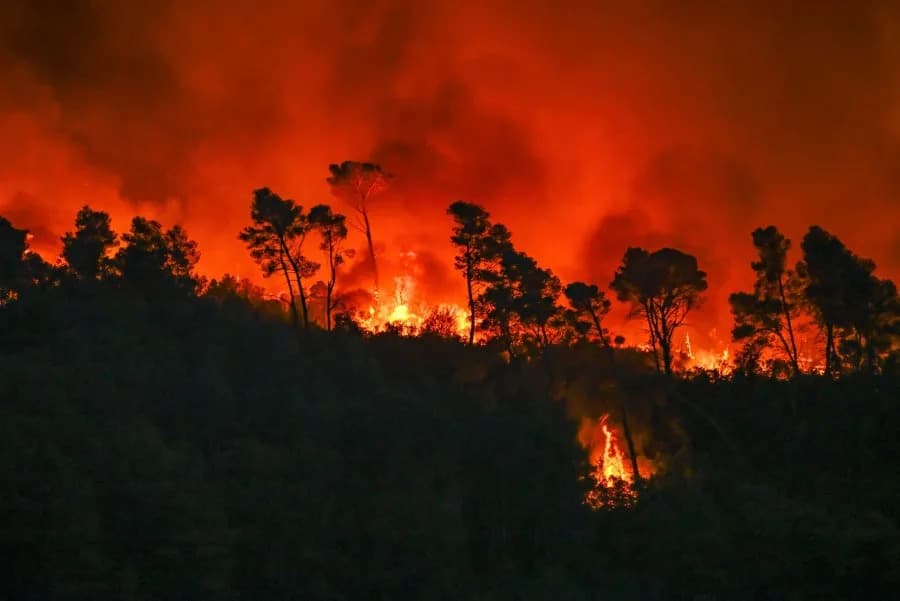
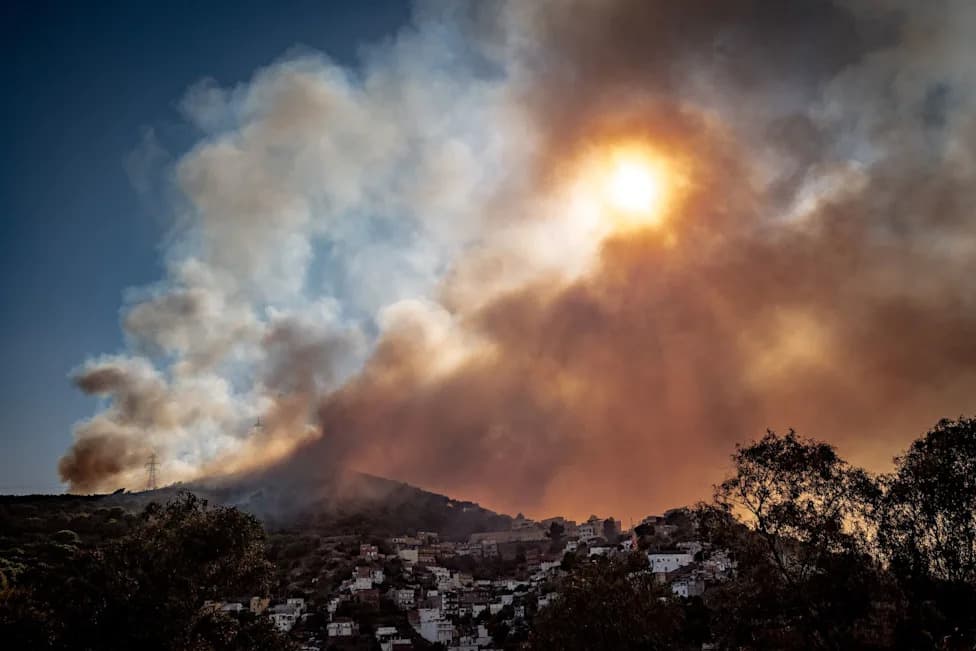
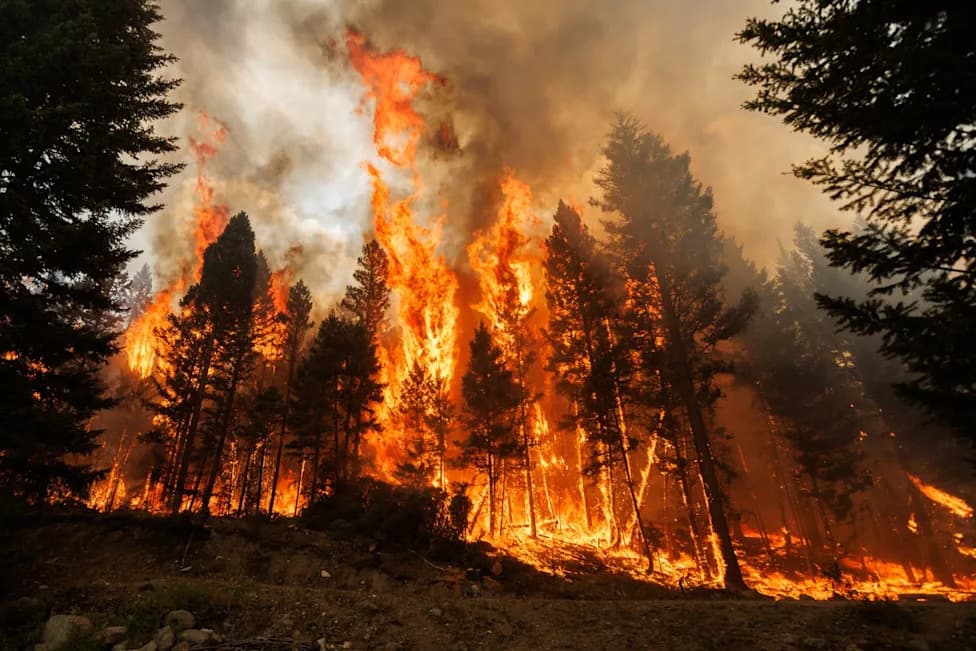
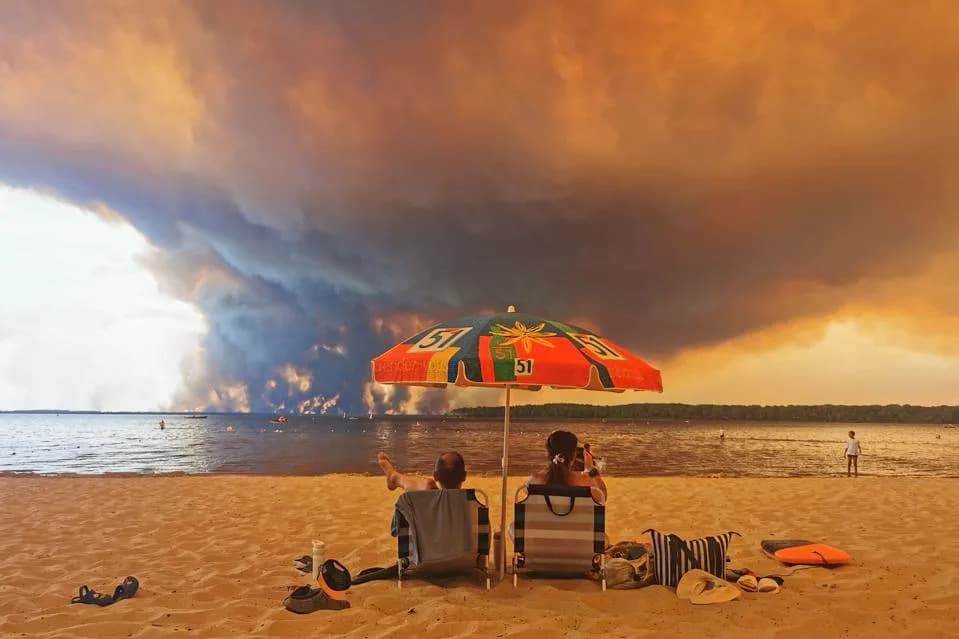
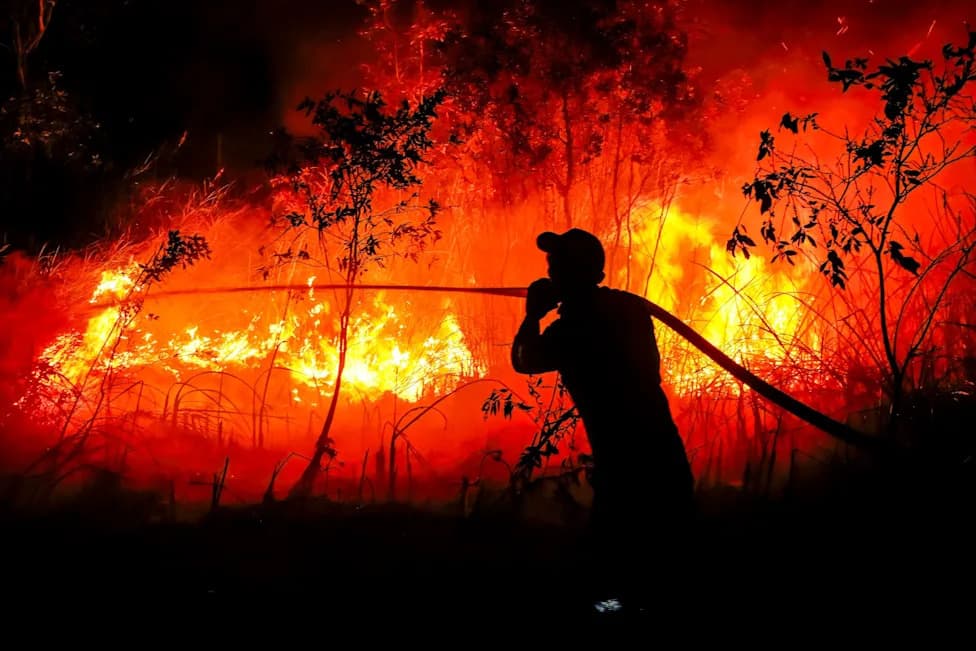
Wildfires may be sending far more harmful pollution into the air than scientists previously believed, researchers said in a new study.File Photo by Philippe Magoni/EPA
A major new analysis published in Environmental Science & Technology reports that wildfires and prescribed burns release substantially more organic gases than earlier inventories indicated—raising global emissions estimates by roughly 21%.
The study, led by researchers at Tsinghua University in Beijing and published Monday in the American Chemical Society journal Environmental Science & Technology, combined burned-area records with field and laboratory measurements to produce a year-by-year global inventory of organic gas emissions from wildland fires between 1997 and 2023.
“Our new estimates increase the organic compound emissions from wildland fires by about 21%,” said first author Lyuyin Huang. “The inventory provides a foundation for more detailed air-quality modeling, health-risk assessment and climate-related policy analysis,” added Shuxiao Wang of the Division of Air Pollution and Control, Tsinghua University.
When forests, grasslands and peatlands burn, they emit a complex mix of smoke, ash and gases. In addition to well-studied volatile organic compounds (VOCs), the team focused on intermediate-volatile and semi-volatile organic compounds (IVOCs and SVOCs). These less-characterized compounds are harder to measure but are important because they readily condense into fine particulate matter (PM2.5), which can penetrate deep into the lungs and exacerbate respiratory and cardiovascular disease.
Using burned-area data from 1997 through 2023 together with measurements from field campaigns and lab experiments, the researchers estimated that wildland fires released an average of about 143 million tons of airborne organic compounds per year over the study period—approximately 21% more than previous estimates.
Pollution Hotspots and Policy Implications
The analysis also mapped regions where wildfire smoke overlaps with dense human activity, identifying key hotspots in Equatorial Asia, Northern Africa and Southeast Asia. Researchers note these regions face particularly complex air-quality challenges because emissions from fires interact with urban and industrial pollution, requiring coordinated strategies to reduce exposure and health impacts.
The updated inventory will help improve air-quality modeling, health-risk assessments and climate-policy analysis by providing a more complete picture of organic emissions from wildland fires. Better accounting for IVOCs and SVOCs is especially important for predicting PM2.5 formation and informing public-health responses during fire seasons.
For more information on how wildfires affect health, see resources from the U.S. Environmental Protection Agency.
Copyright © 2025 HealthDay. All rights reserved.
Help us improve.