The Supreme Court will hear a Jan. 12 case testing whether state-law suits tied to World War II oil contracts must be moved to federal court under the federal officer removal statute. Plaintiffs in Louisiana steered retroactive claims into state courts and won judgments approaching $1 billion, alleging wartime extraction caused Mississippi Delta land loss. The case raises broader questions about protecting federal policies and public-private partnerships from hostile state forums while ensuring accountability for local harms.
Supreme Court To Hear WWII-Era Oil Contract Case — A Test Of Federal Removal Protections
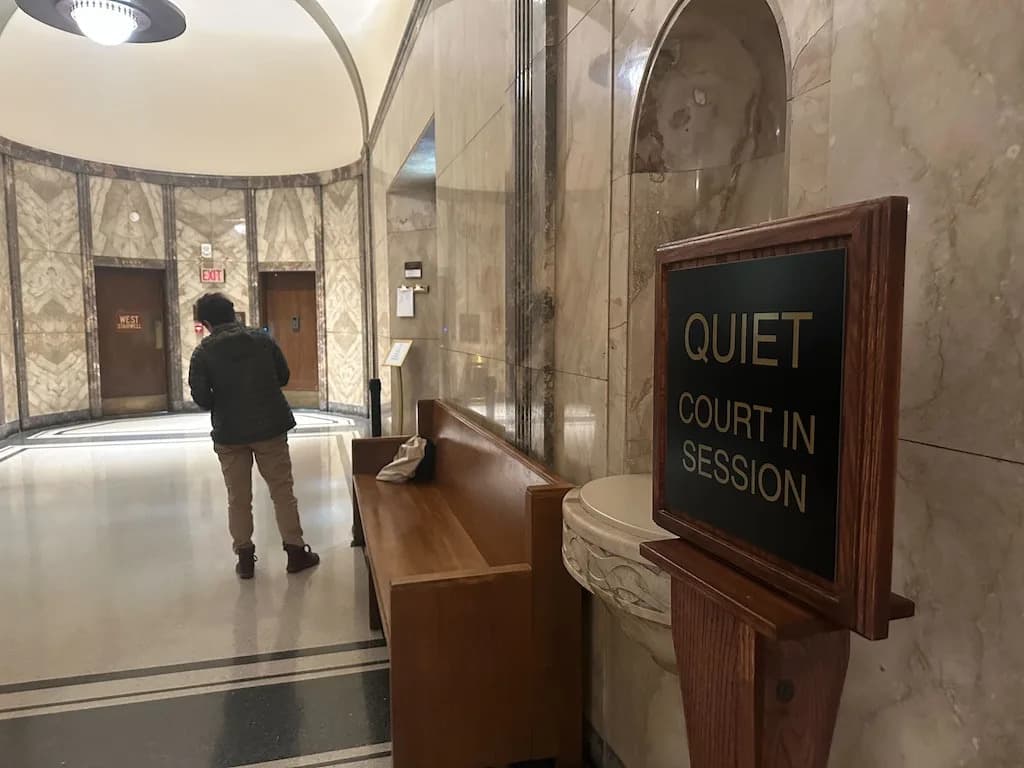
A Supreme Court argument scheduled for Jan. 12 will decide whether retroactive state-law suits tied to World War II oil contracts should be resolved in federal court — and whether aggressive plaintiff litigation can reshape longstanding public-private wartime collaborations.
Background
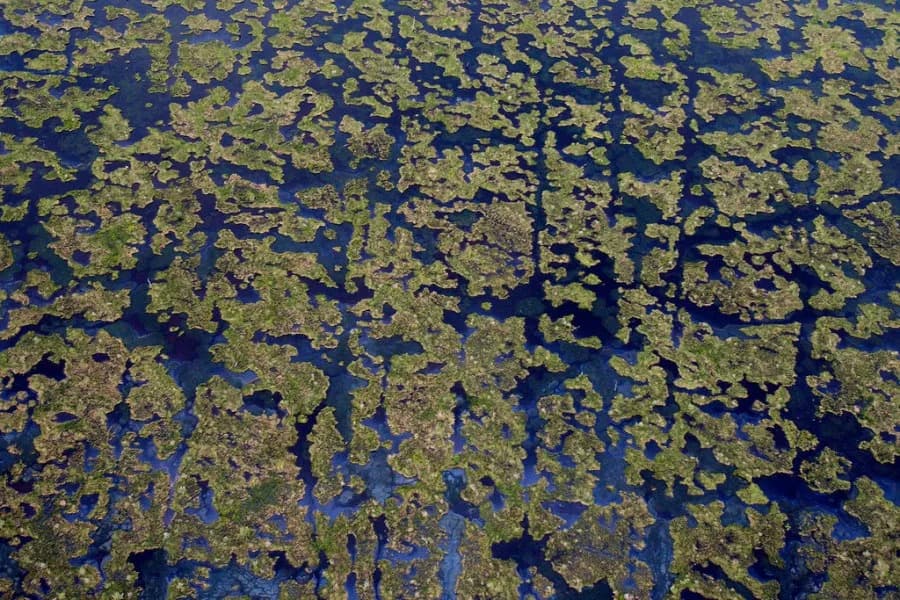
The dispute originated in Plaquemines Parish, Louisiana, where private oil producers that worked under federal contracts to supply critical aviation fuel during World War II now face state-law claims seeking retroactive liability for coastal land loss. Plaintiff lawyers steered those challenges into state courts and obtained judgments approaching $1 billion.
Those suits rest on the allegation that extraction ordered during the war, under the Petroleum Administration for War, caused or contributed to Mississippi Delta land loss. Scientists and engineers, however, point to multiple causes for delta erosion, including natural river dynamics and a range of human activities over many decades.
Why Federal Forums Matter
The federal government has long sought to protect its policies and those who act under its direction from hostile or inconsistent state-court judgments. Congress enacted what is commonly called the federal officer removal statute early in the nation’s history; over time that statute has been broadened, most recently so a claim need only relate to acts taken under the color of federal authority to qualify for removal to federal court.
Proponents of removal argue that when private companies perform work directed by a federal agency, disputes that turn on those federal directives should be heard in a neutral federal forum to avoid state courts undermining national policies and public-private partnerships. Opponents contend state courts can legitimately apply state law to hold private actors accountable for local harms.
Key Procedural History
In 1972, the federal government offered incentives for stronger coastal-management policies, and in 1980 Louisiana enacted a permit requirement that exempted activities "legally commenced or established" before that year. For decades Louisiana's Department of Natural Resources applied that grandfathering provision to pre-1980 activities.
In 2018, an environmental report prompted the agency to reconsider and to assert that certain wartime activities did not qualify for the exemption. State-court proceedings initially recognized the statutory exemption, but later rulings excluded evidence of long-standing state guidance and produced a series of contested decisions that helped plaintiffs advance large damage claims.
More than 40 suits by coastal parishes assert that directives from the Petroleum Administration for War caused coastal land loss. Critics of the Louisiana litigation environment note that judges in the state are elected and that plaintiff lawyers play a prominent role in local judicial elections and litigation funding; the American Tort Reform Association has frequently cited Louisiana in its commentary on plaintiff-friendly forums.
What’s At Stake
The Supreme Court's decision will affect whether removal under the federal officer removal statute applies where private contractors acted at the direction of federal authorities during a national emergency. The outcome could influence the willingness of private parties to participate in future federal emergency efforts and how courts allocate responsibility when federal orders and state-law claims intersect.
Author: Michael B. Mukasey served as a U.S. District Judge for the Southern District of New York (1988-2006) and as Attorney General of the United States (2007-2009).
Copyright 2026 Nexstar Media, Inc. All rights reserved. This material may not be published, broadcast, rewritten, or redistributed. For the latest news, weather, sports, and streaming video, visit The Hill.
Help us improve.