Summary: The Supreme Court is considering cases that could significantly weaken the Voting Rights Act by limiting the use of race in redistricting and curtailing private parties' ability to sue under Section 2. Mississippi attorney Carroll Rhodes used the VRA to force a redrawing that produced two additional Black Democratic lawmakers, breaking a GOP supermajority — a gain that could be imperiled if the court narrows the law. Critics point to Shelby County (2013) and recent rulings as having already eroded proactive federal protections, while advances in mapping technology have made modern gerrymanders more precise and harder to detect.
Supreme Court Could Undercut the Voting Rights Act — Mississippi’s Recent Wins At Risk

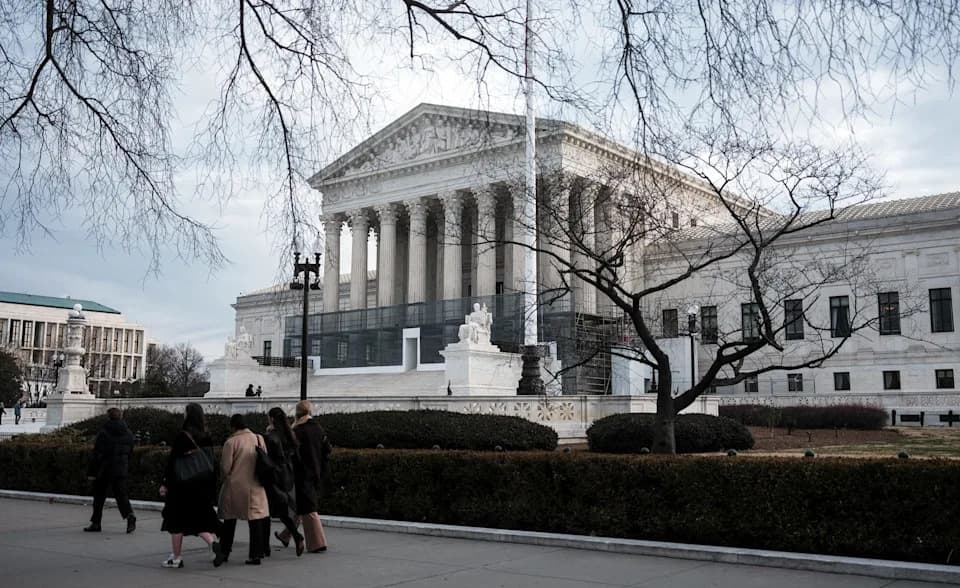
The Supreme Court appears poised to make it significantly harder to use the Voting Rights Act (VRA) to force states to draw districts where minority candidates can realistically win. At the same time, the high court could curtail a core enforcement tool — the right of private groups and individuals to sue under Section 2. Those rulings would threaten gains such as the two Mississippi House seats won by Black Democrats after a successful VRA challenge.
Why This Matters
The VRA has been a central mechanism for protecting minority voting power for more than six decades. In recent years the law has been weakened by Supreme Court decisions and procedural changes that removed longstanding federal oversight. Now, new petitions and pending cases could further limit the law's reach, making it much harder to challenge discriminatory maps and practices.
Carroll Rhodes and Mississippi’s Gains
Mississippi civil-rights attorney Carroll Rhodes has used the VRA to win redistricting remedies that increased Black political representation. Rhodes’ recent lawsuit prompted a redrawing of maps and a special election that delivered two additional seats to Black Democrats — enough to break a Republican supermajority in the state House. As Rhodes warns, stripping private plaintiffs' rights or tightening legal standards would make similar victories far more difficult to obtain.
The Long Shadow of Shelby County (2013)
The Supreme Court's 2013 Shelby County decision eliminated the federal preclearance regime that had required certain jurisdictions to obtain Justice Department approval before changing voting rules, including redistricting. Critics say that ruling removed a powerful, proactive check and opened the door to maps and practices that can suppress minority voting strength. Rhodes and others argue Shelby County directly enabled many of the 2022 maps they later challenged.
Current Legal Threats: Louisiana v. Callais And Section 2
Several cases now before the court raise two related threats: limiting the ability to consider race when complying with the VRA during redistricting, and restricting private plaintiffs’ right to sue under Section 2. If Section 2 enforcement is curtailed, civil-rights lawyers would face a much higher bar — often requiring proof of intentional discrimination under the 14th or 15th Amendments — which is difficult to establish.
Recent Developments: Texas And Other Petitions
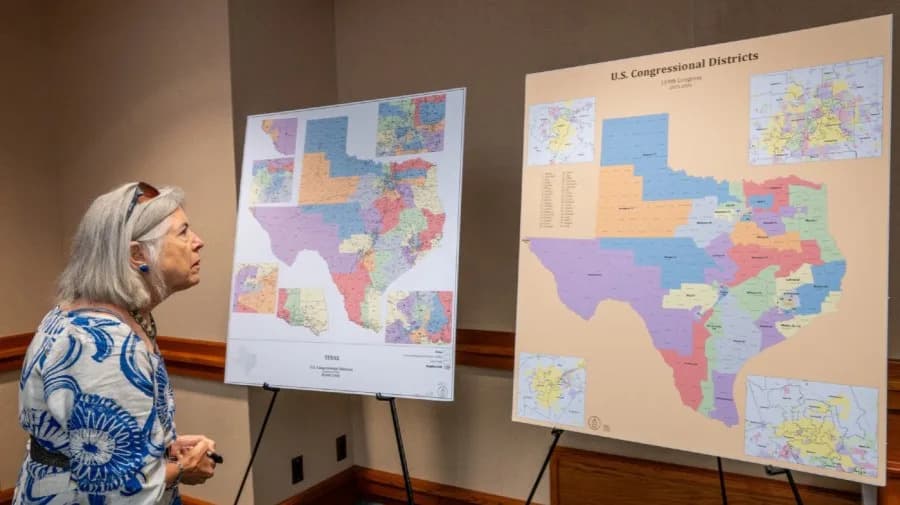
The court recently paused a lower-court VRA ruling and allowed Texas to redraw its congressional map at the request of President Trump, a move that could add Republican seats. Other pending petitions could likewise narrow the tools available to challenge gerrymanders and discriminatory voting practices nationwide.
Technology, Algorithms, And Modern Gerrymandering
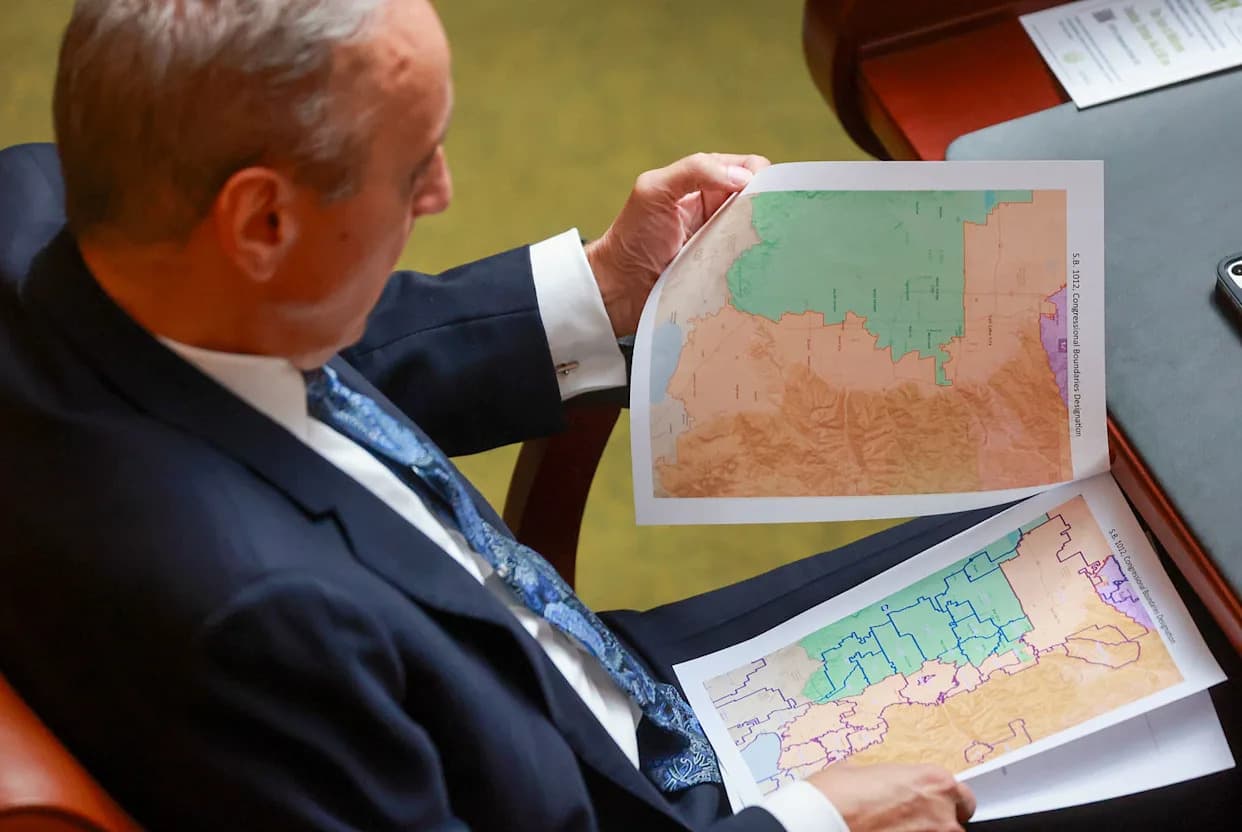
Advances in mapping software, data analytics, and social-science modeling have made redistricting more precise — and more dangerous for minority voters when used maliciously. Rhodes notes that while civil-rights advocates also use technology to detect and challenge discrimination, the party that authors the redistricting code can embed bias into the process.
Rhodes’ Personal Perspective
"It becomes almost an impossible hill to climb," Rhodes told POLITICO Magazine about the prospect of losing Section 2 enforcement.
Born in 1951 and raised in segregated Mississippi, Rhodes recalls segregated schools, separate public facilities, and humiliating voting barriers that persisted until the VRA’s protections made registration and political participation more broadly achievable.
If Section 2 Falls
Without Section 2 as a private cause of action, plaintiffs would typically have to proceed under the Constitution and prove intentional racial discrimination — a far tougher legal standard. Legislatures could plausibly defend maps as motivated by partisan aims and enjoy presumptions of good faith, even where race was the driving factor in practice. That shift would greatly narrow remedies and could freeze many recent gains in minority representation.
Bottom Line
The VRA’s future is again in doubt at the Supreme Court. For communities and lawyers who have relied on the law to secure fair representation, the stakes could not be higher: a ruling that diminishes Section 2 or limits the consideration of race to comply with the VRA would undercut a primary path to remedying discriminatory maps and practices, imperiling advances such as those won in Mississippi.
Help us improve.