In 2025 U.S. climate litigation expanded: courts largely denied industry bids to dismiss lawsuits while states, cities and residents advanced novel claims against major oil companies. Landmark moves included the first wrongful-death suit tied to extreme heat and a class action over homeowners’ insurance costs; Hawaii became the tenth state to sue. At the same time, industry allies and the federal government pushed for dismissals and a possible federal liability shield that could bar many future cases, making the Supreme Court’s decision on Boulder especially consequential.
2025: A Pivotal Year for U.S. Climate Lawsuits — Major Wins, Setbacks and What Comes Next
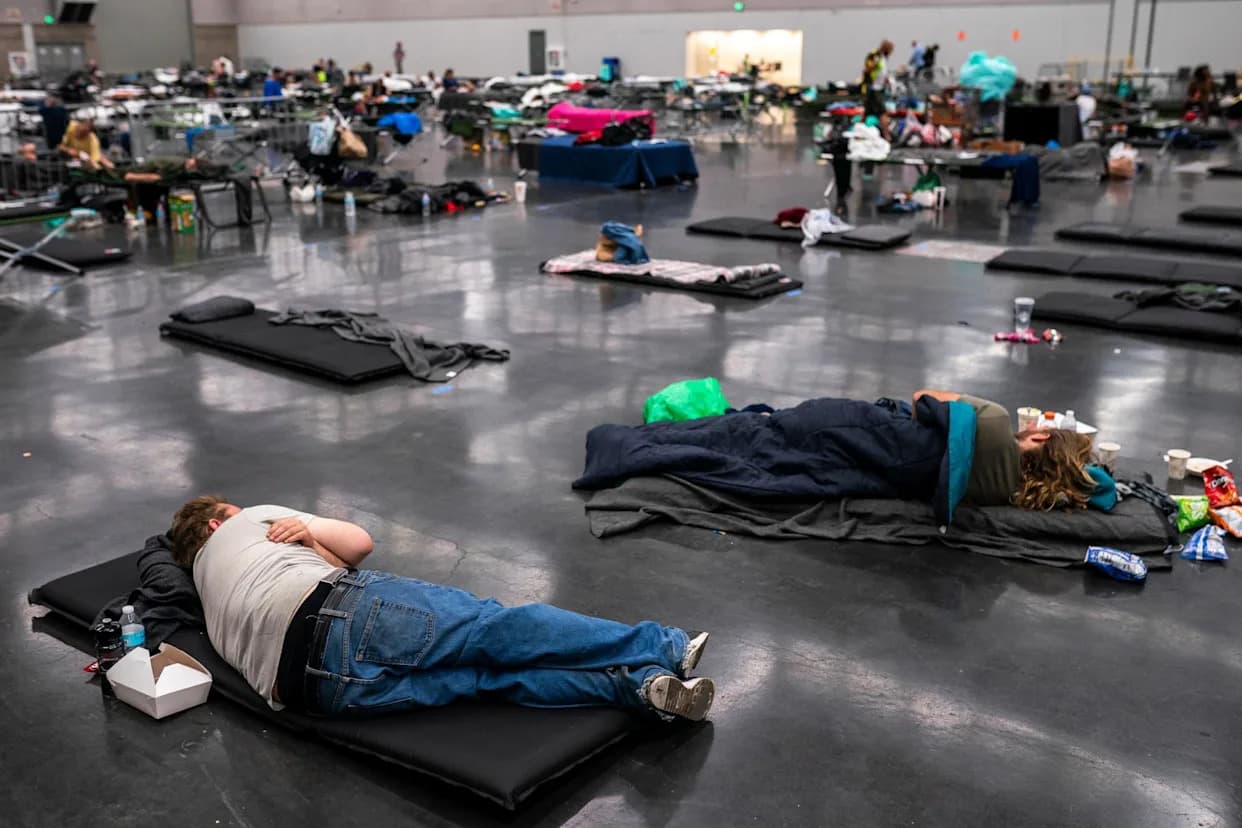
People take shelter in a cooling center during a heat dome in Portland, Oregon, on 27 June 2021.Photograph: Nathan Howard/Getty Images
As the Trump administration pushes to expand fossil-fuel production, 2025 saw a surge of climate accountability litigation in the United States. Cities, states and residents advanced novel legal claims against major oil companies, winning important procedural fights in many courts even as industry allies and federal actors sought to blunt or immunize those cases.
Key Trends
More than 70 U.S. states, cities and other subnational governments have filed suits alleging long-running deception by large oil firms about the harms of fossil fuels. Throughout 2025, state and federal courts repeatedly rebuffed industry efforts to derail those cases: the U.S. Supreme Court declined to erase a Honolulu lawsuit and rejected an unusual intervention by Republican-led states seeking to block the wave of claims. State courts likewise resisted repeated attempts to dismiss suits or send them into federal court — moves plaintiffs say would advantage oil interests.
Still, not every case advanced. In May, Puerto Rico voluntarily dismissed its 2024 suit amid outside pressure, and Charleston, South Carolina, declined to appeal after its case was dismissed.
The Boulder Case And The Supreme Court
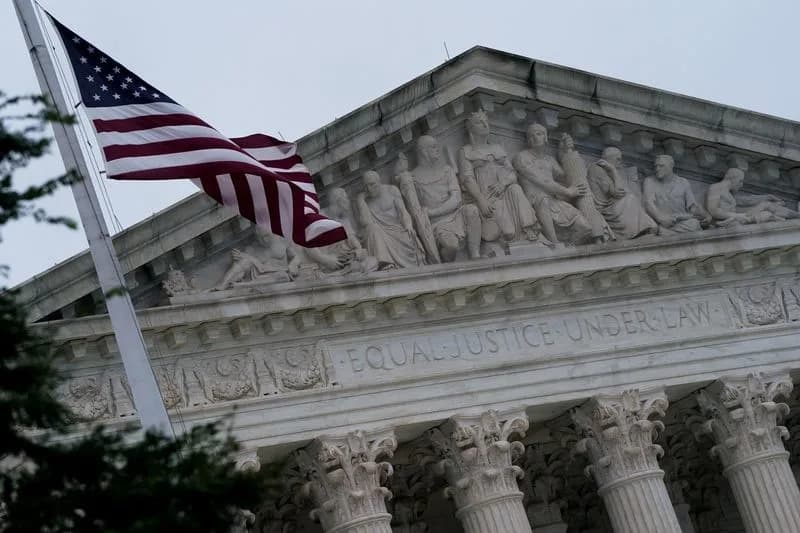
All eyes are on the U.S. Supreme Court, which will soon decide whether to review a climate suit filed by the city of Boulder, Colorado, against two major oil companies. After the Colorado Supreme Court refused to dismiss Boulder’s claims, the companies asked the high court to intervene, arguing federal law pre-empts the city’s claims. A refusal to take the case would preserve the lower-court ruling; if the court accepts and rules for the industry, it could invalidate Boulder and dozens of similar suits.
"So far, the oil companies have had a losing record trying to get these cases thrown out," said Richard Wiles, president of the Center for Climate Integrity. "The question is, does Boulder change that?"
Novel Theories And New Plaintiffs
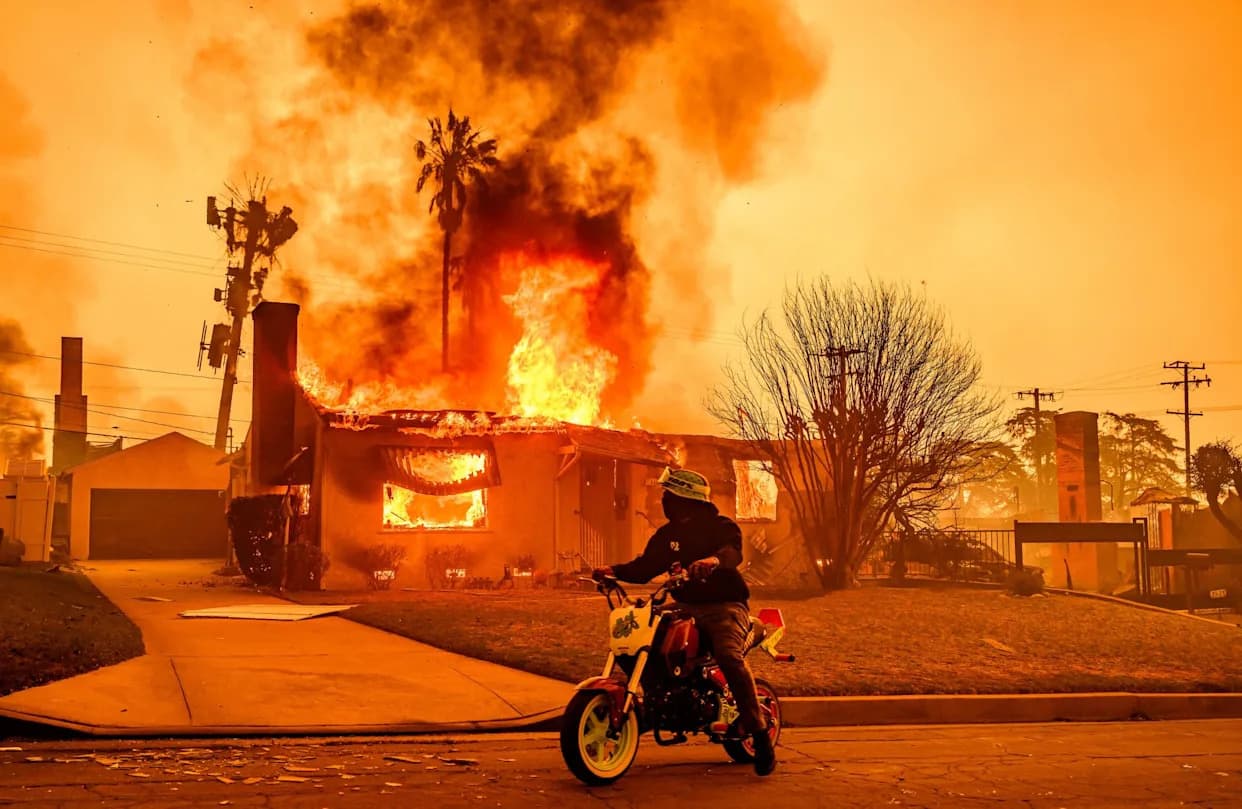
Litigation in 2025 included creative new approaches. In May, a Washington state woman filed the nation’s first wrongful-death suit against major oil companies, alleging industry negligence contributed to her mother’s death during a deadly heat wave. In November, Washington residents filed a class-action lawsuit claiming industry deception drove a climate-linked spike in homeowners’ insurance costs. These cases push courts to confront the tangible harms of climate change and expand legal theories of liability.
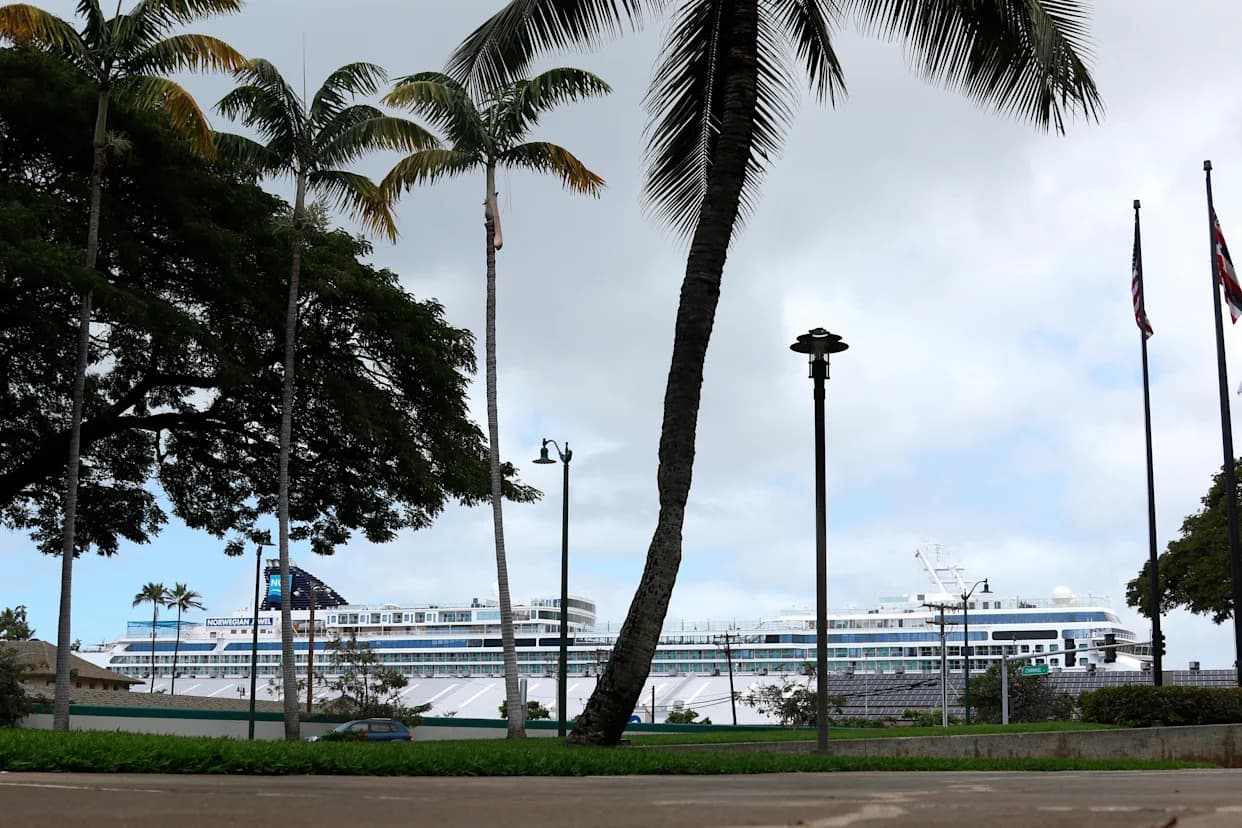
Hawaii also became the tenth state to sue major oil companies, filing its case just hours after the Department of Justice took the unusual step of suing Hawaii and Michigan over their plans to bring similar litigation—an action supporters described as federal intimidation.
Industry Pushback And A Potential Federal Shield
Big oil and its allies intensified efforts to avoid liability. In April, President Trump signed an executive order directing the Justice Department to halt certain climate-accountability litigation and related policies. In July, some members of Congress tried to bar Washington, D.C., from using funds to enforce consumer-protection laws against oil and gas companies; a committee approved the language but the full House never voted on it.
Momentum also grew for a potential federal liability shield. In June, 16 Republican state attorneys general asked the Justice Department to help create such a shield, and lobbying disclosures show major trade groups and energy firms, including ConocoPhillips, pursuing draft legislation. Advocates warn immunity language could be inserted into a must-pass bill and would preclude many climate-related claims.
"We expect they could sneak language to grant them immunity into some must-pass bill," Wiles said. "That’s how we think they’ll play it, so we’ve been talking to every person on the Democratic side so that they keep a lookout for this language."
Other Developments And What’s Next
Despite the pressure, cases targeting other major emitters and novel harms gained traction. New York’s attorney general secured a $1.1 million settlement from JBS, the world’s largest meat company, over alleged greenwashing — a result that could inspire further suits domestically and abroad. Advocates expect more cases focused on plastic pollution, event-specific harms aided by advances in attribution science, and additional creative legal theories in 2026.
"Companies have engaged in decades of behavior that creates liability on so many fronts," Wiles said. "We haven’t even scratched the surface of the ways they could be held accountable."
Note: The American Petroleum Institute did not respond to requests for comment.
Help us improve.