The Telegraph published unredacted blueprints showing a concealed underground room at the site of China’s proposed London embassy, located just over three feet from fiber-optic cables. Security experts warn the proximity and dedicated ventilation systems could support high-powered equipment used for surveillance, while the plans reveal 208 subterranean rooms and infrastructure for extended occupation. U.K. officials say security advisers have been involved, but critics fear the site could offer Beijing an intelligence advantage.
Unredacted Blueprints Reveal Hidden Chamber Near Fiber Cables at Proposed Chinese Embassy in London
Secret room to be built at Chinese embassy near cable lines, sparking widespread espionage fears
Newly unredacted construction drawings for China’s proposed embassy at the former Royal Mint in London have raised national security concerns after revealing a concealed underground chamber positioned just over three feet from key fiber-optic cables.
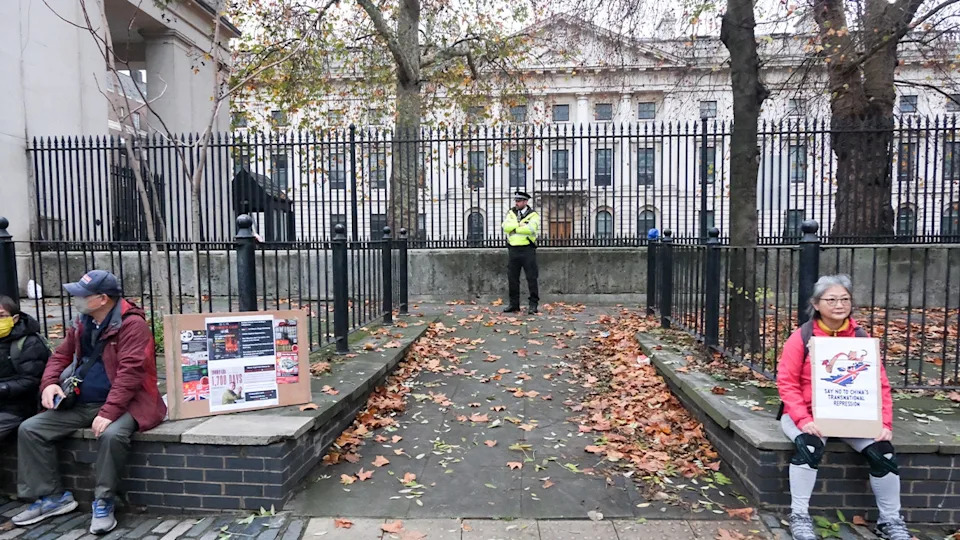
Protest against the proposed China Embassy at the Royal Mint Court, London
The plans, published by The Telegraph shortly before Prime Minister Keir Starmer is widely expected to consider final approval, show demolition and rebuilding of part of the basement wall that would place officials and equipment alarmingly close to critical communications infrastructure. The completed compound would be the largest Chinese embassy in Europe, according to the documents.
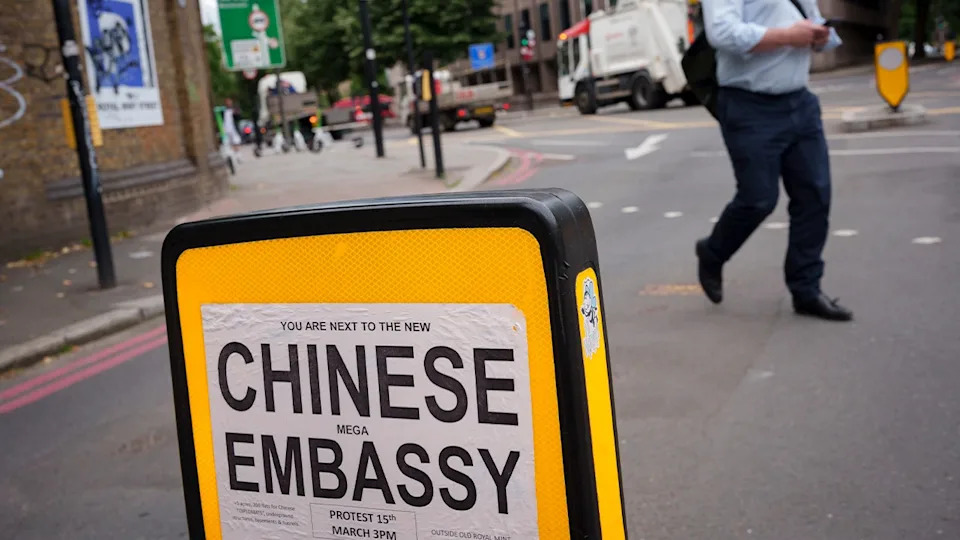
Royal Mint Street at the rear of the possible future Chinese embassy which has been locked in a planning battle for years and whose decision is still due for review, on 10th June 2025, in London, England
Security Concerns and Technical Risks
Security experts have warned that the proximity to the cables could create opportunities for "cable-tapping," a range of techniques that can include physical access or exploiting stray signals from fiber-optic lines to intercept traffic. While the U.K. government has told partners the specific lines do not carry sensitive government traffic, the cables do carry financial transactions and communications for millions of users.
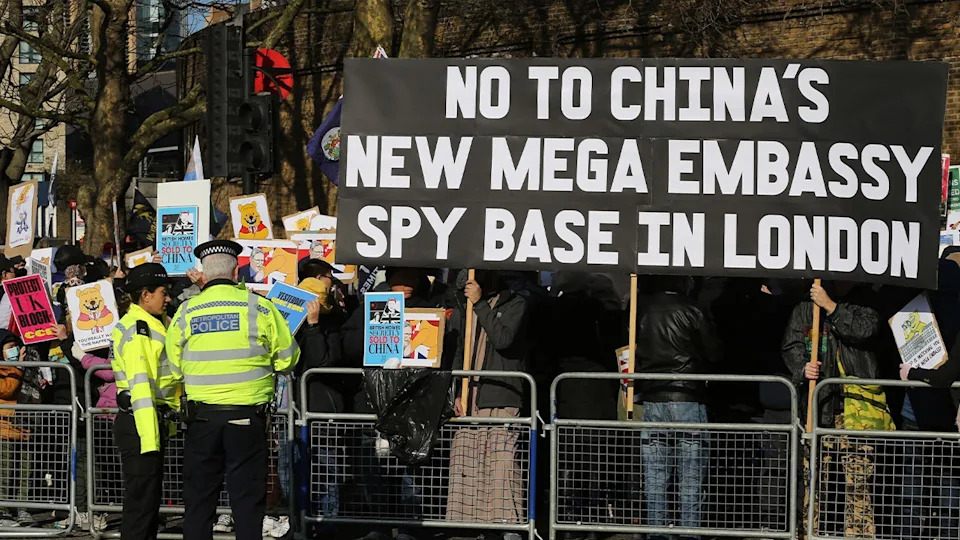
Protesters hold a huge banner saying "No To China's New Mega Embassy Spy Base In London' during the demonstration outside the Royal Mint on March 15, 2025.
"If I were in their shoes, having those cables on my doorstep would be an enormous temptation," said Professor Alan Woodward of the University of Surrey, describing the planned demolition as a "red flag," according to The Telegraph.
Facility Layout and Capabilities
The drawings indicate the chamber is fitted with at least two hot-air extraction systems to vent heat from high-powered equipment. Analysts say that infrastructure is consistent with installations that support powerful computers and data-processing hardware used in intelligence work. Beyond the single room near the cables, the plans show a network of 208 subterranean rooms and space for backup generators, sprinkler systems, communications cabling and showers—features that would enable personnel to remain underground for extended periods.
Those elements have heightened fears among some lawmakers and commentators that the complex could be used as a monitoring or intelligence hub. The Times has reported that Britain has faced pressure to reassure the United States and other intelligence partners about the nature of traffic on nearby cables.
"Giving China the go-ahead for its embassy site would be to gift them a launchpad for economic warfare at the very heart of the central nervous system of our critical financial national infrastructure," said Alicia Kearns, the shadow national security minister, in a post on X.
Government Response
A government spokesperson told The Telegraph that "national security is our first duty and government security experts have been involved throughout the process so far." Officials say reviews are ongoing as ministers weigh whether to approve the plans ahead of upcoming diplomatic discussions.
This story is developing from government statements and media reports; details are drawn from unredacted plans published by The Telegraph and reporting in The Times.
Help us improve.