Gambia told the International Court of Justice that Myanmar deliberately targeted the Rohingya minority, making their lives a "nightmare" and alleging genocide. The 2017 military offensive forced at least 730,000 Rohingya into Bangladesh and a U.N. fact-finding mission found the operations included "genocidal acts." The ICJ will hold public hearings followed by closed sessions where Rohingya survivors will testify directly — a first for the court — and the ruling could have wider implications for other genocide cases at the World Court.
Gambia Tells ICJ Myanmar Turned Rohingya Lives Into a "Nightmare" in Landmark Genocide Case
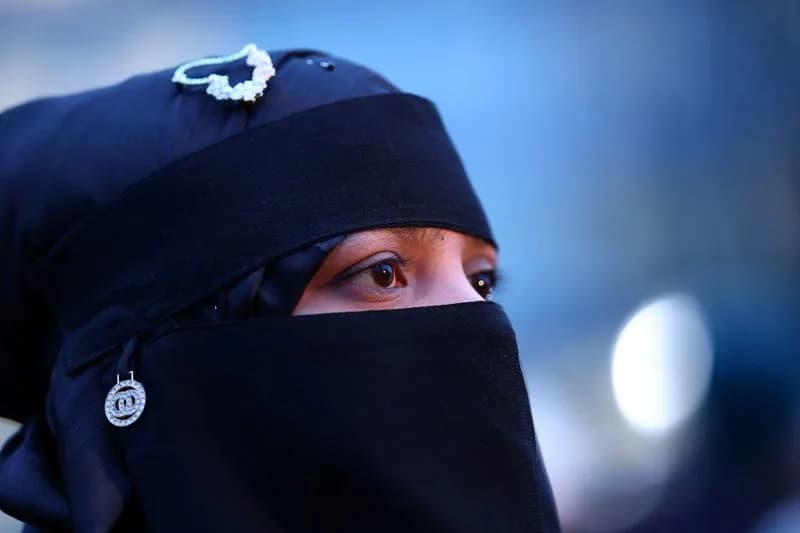
Rohingya refugee Salma speaks to the press as the International Court of Justice (ICJ) starts two weeks of hearings in a landmark case brought by Gambia, which accuses Myanmar of committing genocide against the Rohingya, a minority Muslim group, in The Hague, Netherlands, January 12, 2026. REUTERS/Piroschka van de Wouw
THE HAGUE, Jan 12 — Gambia told judges at the International Court of Justice on Monday that Myanmar deliberately targeted the minority Muslim Rohingya for destruction, turning their lives into a "nightmare" in a landmark genocide case.
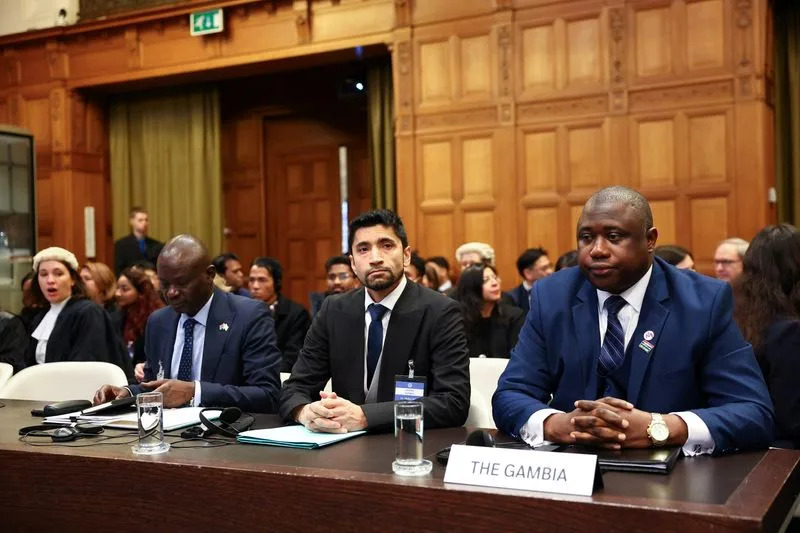
Gambia's Justice Minister and Attorney General Dawda Jallow sits next to attorney Arsalan Suleman, as the International Court of Justice (ICJ) starts two weeks of hearings in a landmark case brought by Gambia, which accuses Myanmar of committing genocide against the Rohingya, a minority Muslim group, in The Hague, Netherlands, January 12, 2026. REUTERS/Piroschka van de Wouw
Gambia's Allegations
Gambian Justice Minister Dawda Jallow told the World Court that the Rohingya were ordinary people who simply wanted to live in peace and dignity. "They have been targeted for destruction," he said, adding that Myanmar "turned their lives into a nightmare, subjecting them to the most horrific violence and destruction one could imagine."
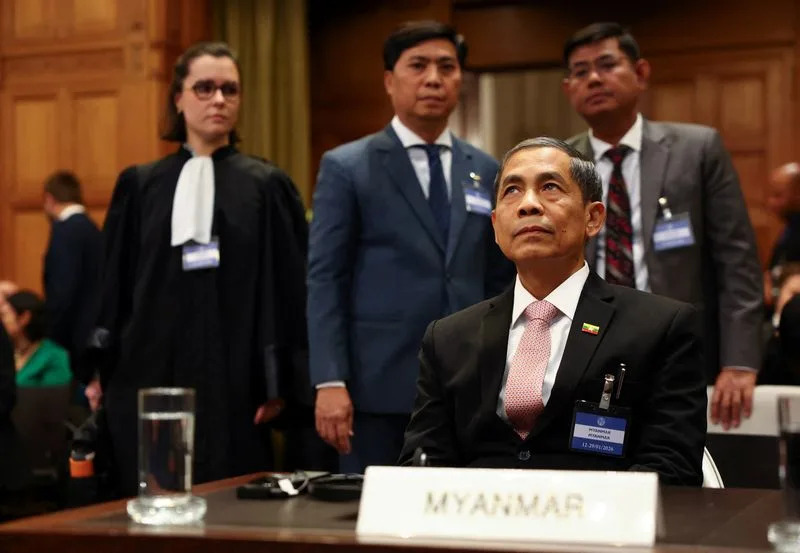
Myanmar's Union Minister for the Ministry of the President's Office Ko Ko Hlaing sits in the courtroom, as the International Court of Justice (ICJ) starts two weeks of hearings in a landmark case brought by Gambia, which accuses Myanmar of committing genocide against the Rohingya, a minority Muslim group, in The Hague, Netherlands, January 12, 2026. REUTERS/Piroschka van de Wouw
Background: 2017 Offensive and U.N. Findings
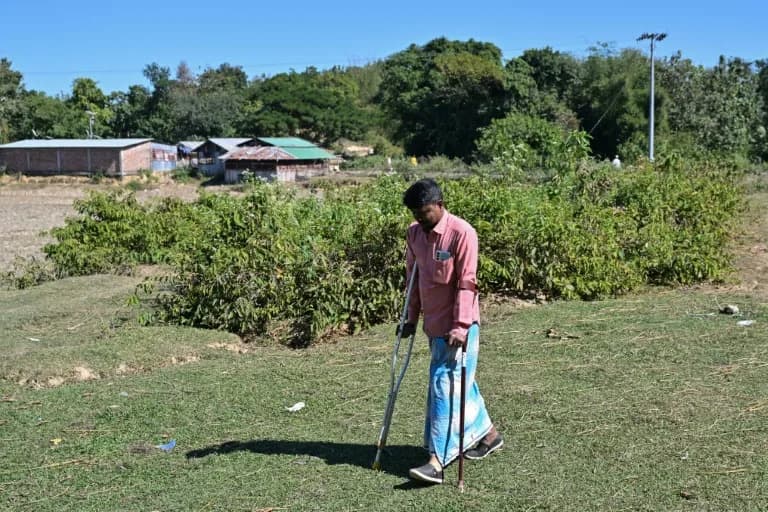
Gambia filed the case at the ICJ in 2019, accusing Myanmar of committing genocide against the Rohingya, a predominantly Muslim minority concentrated in western Rakhine State. In 2017, Myanmar's armed forces launched an offensive that forced at least 730,000 Rohingya from their homes into neighbouring Bangladesh. Survivors recounted killings, mass rape and widespread arson.
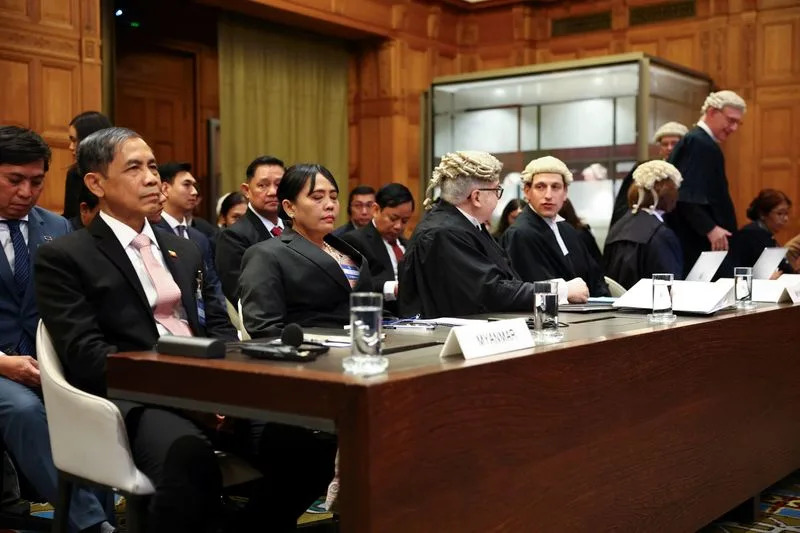
Myanmar's Union Minister for the Ministry of the President's Office Ko Ko Hlaing sits in the courtroom, as the International Court of Justice (ICJ) starts two weeks of hearings in a landmark case brought by Gambia, which accuses Myanmar of committing genocide against the Rohingya, a minority Muslim group, in The Hague, Netherlands, January 12, 2026. REUTERS/Piroschka van de Wouw
A United Nations fact-finding mission concluded that the 2017 military operations included "genocidal acts." Myanmar authorities rejected that report, saying the offensive was a legitimate counter-terrorism response to attacks by armed militants.
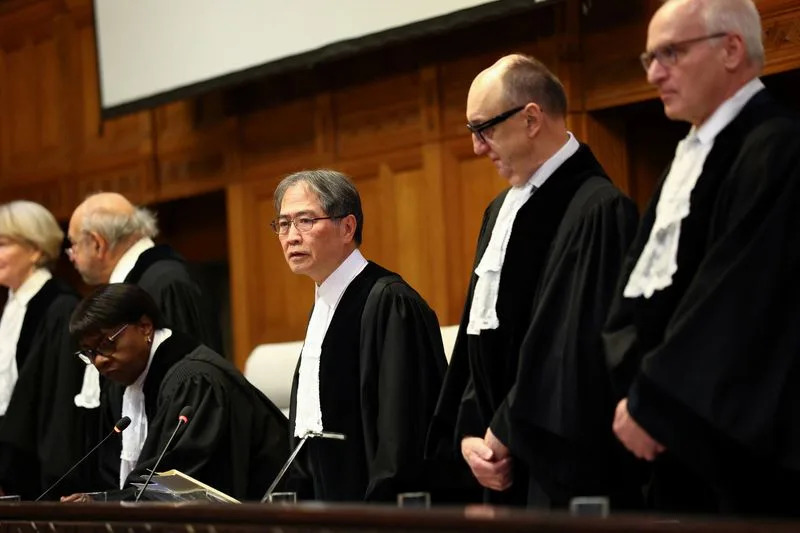
Judge Yuji Iwasawa, president of the International Court of Justice (ICJ), presides over the the ICJ, as the court starts two weeks of hearings in a landmark case brought by Gambia, which accuses Myanmar of committing genocide against the Rohingya, a minority Muslim group, in The Hague, Netherlands, January 12, 2026. REUTERS/Piroschka van de Wouw
Hearings, Testimony and Wider Implications
The ICJ is hearing its first full genocide case in more than a decade. Gambia presented its arguments beginning Monday and is scheduled to continue for several more days; Myanmar will have an opportunity to respond in court. After public hearings, the court will hold closed sessions in which Rohingya victims will give testimony directly to judges — the first time survivors will be heard in person by the ICJ.
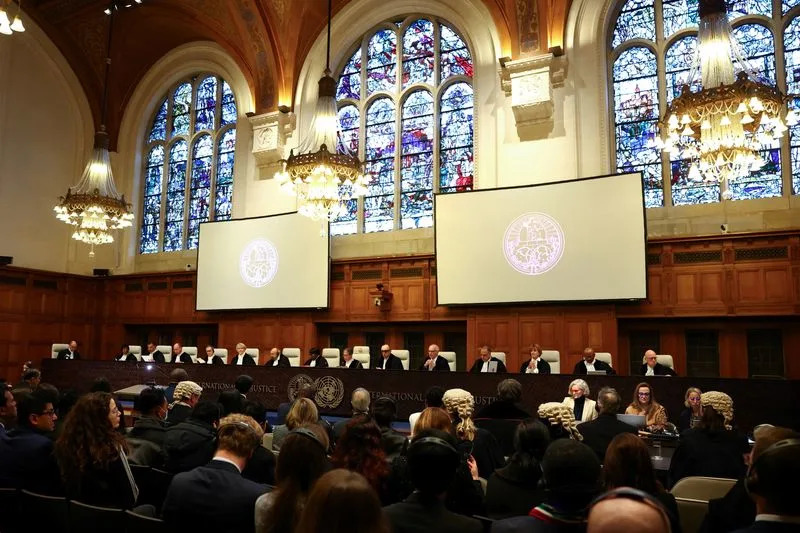
Judge Yuji Iwasawa, president of the International Court of Justice (ICJ), presides over the the ICJ, as the court starts two weeks of hearings in a landmark case brought by Gambia, which accuses Myanmar of committing genocide against the Rohingya, a minority Muslim group, in The Hague, Netherlands, January 12, 2026. REUTERS/Piroschka van de Wouw
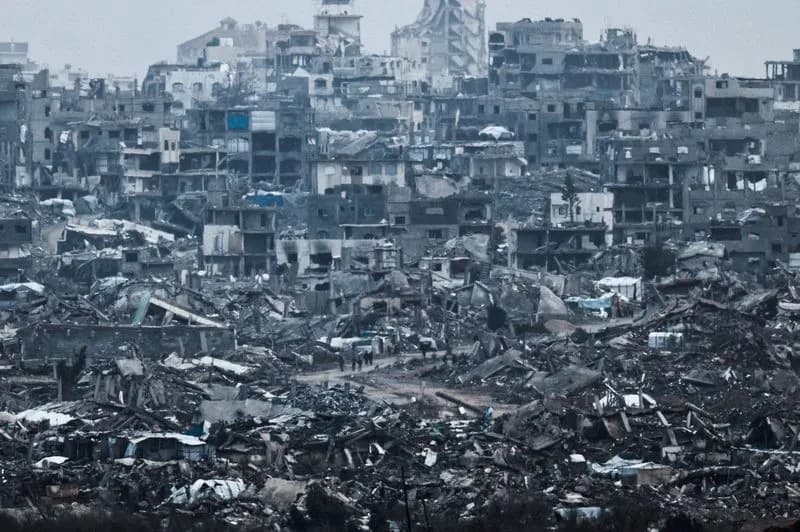
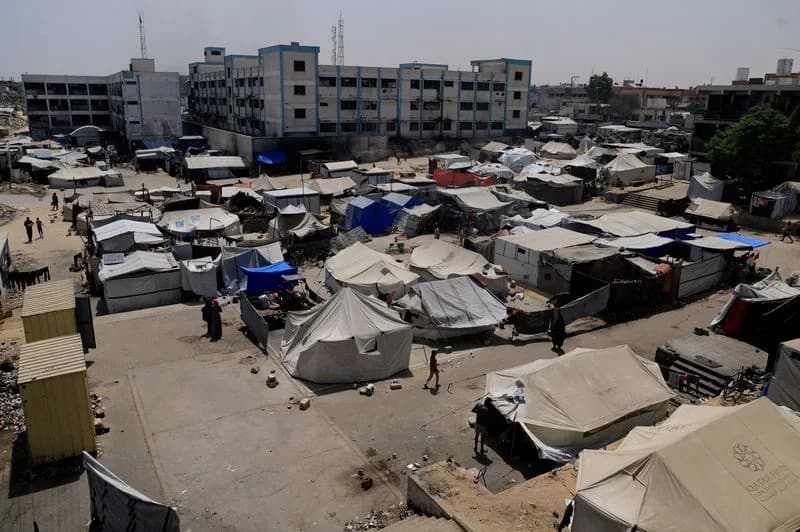
The outcome could have reverberations beyond Myanmar. Analysts note it may influence other genocide-related proceedings at the World Court, including South Africa's separate case accusing Israel of genocide over the war in Gaza. Myanmar has consistently denied genocidal intent, and earlier at preliminary hearings in 2019 then-leader Aung San Suu Kyi dismissed Gambia's allegations as "incomplete and misleading."
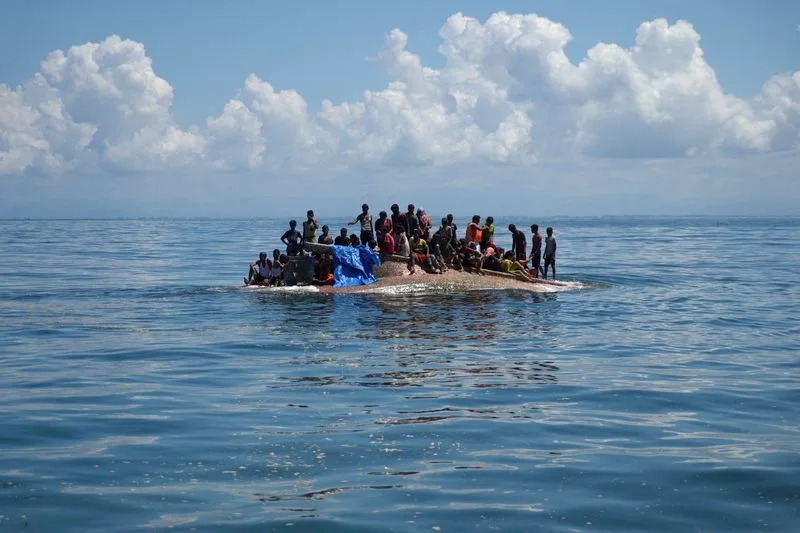
FILE PHOTO: Rohingya refugees are seen on a capsized boat before being rescued in the waters of West Aceh, Indonesia, March 21, 2024. REUTERS/Hendri/File Photo
Recent Political Context
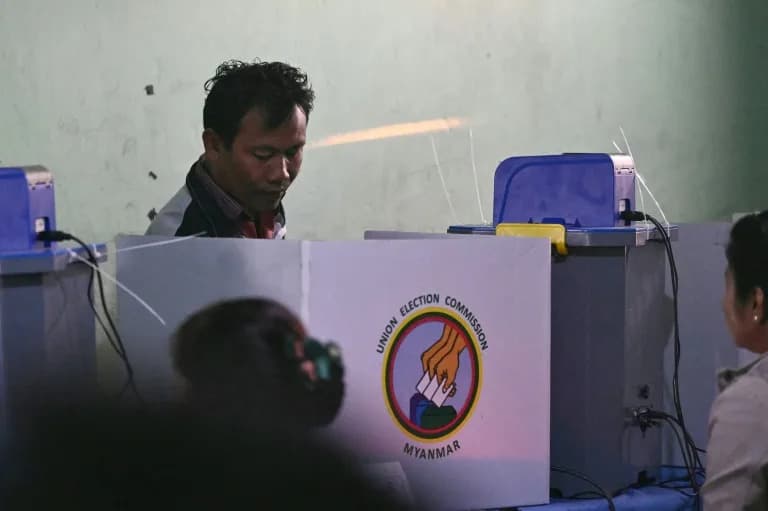
Myanmar has experienced further turmoil since the military seized power in a 2021 coup and violently suppressed protests, sparking a nationwide armed rebellion. The country is currently holding phased elections that the United Nations, some Western governments and rights groups have criticized as not free or fair; the military insists the vote has public support and is being held without coercion.
Note: Gambia brought the case in 2019 with backing from the 57-nation Organisation of Islamic Cooperation.
About the ICJ: The International Court of Justice is the United Nations' principal judicial organ and settles legal disputes between states.
Help us improve.