The International Court of Justice will hold public hearings in January 2026 on The Gambia’s 2019 genocide case against Myanmar over the 2017 Rohingya crackdown. The Gambia will present from 12–15 January and Myanmar will reply from 16–20 January; the court has set aside three closed days for witness and expert testimony. The case, backed by the Organisation of Islamic Cooperation, could set important legal precedents and influence other international disputes.
ICJ Schedules January Hearings in Landmark Myanmar Genocide Case — Witness Sessions Closed to Public

People watch the ICJ hearing at a restaurant in a Rohingya refugee camp on January 23, 2020, in Cox’s Bazar, Bangladesh [Allison Joyce/Getty Images]
The International Court of Justice (ICJ) will hold public hearings in January 2026 on a landmark case brought by The Gambia accusing Myanmar of committing genocide against the Rohingya, the court announced. The proceedings are expected to be closely watched and could set legal precedents for other international disputes.
Hearing Schedule
The Gambia will present its arguments from 12–15 January 2026, followed by Myanmar’s oral submissions from 16–20 January 2026. In an unusual step, the court has also reserved three days specifically for witness and expert testimony; those sessions will be closed to the public and media.
Procedure and Statement
The ICJ said the hearings "will be devoted to the merits of the case and will include the examination of witnesses and an expert called by the Parties." The hearings will focus on whether Myanmar violated the UN Genocide Convention during the 2017 crackdown on the Rohingya.
Background
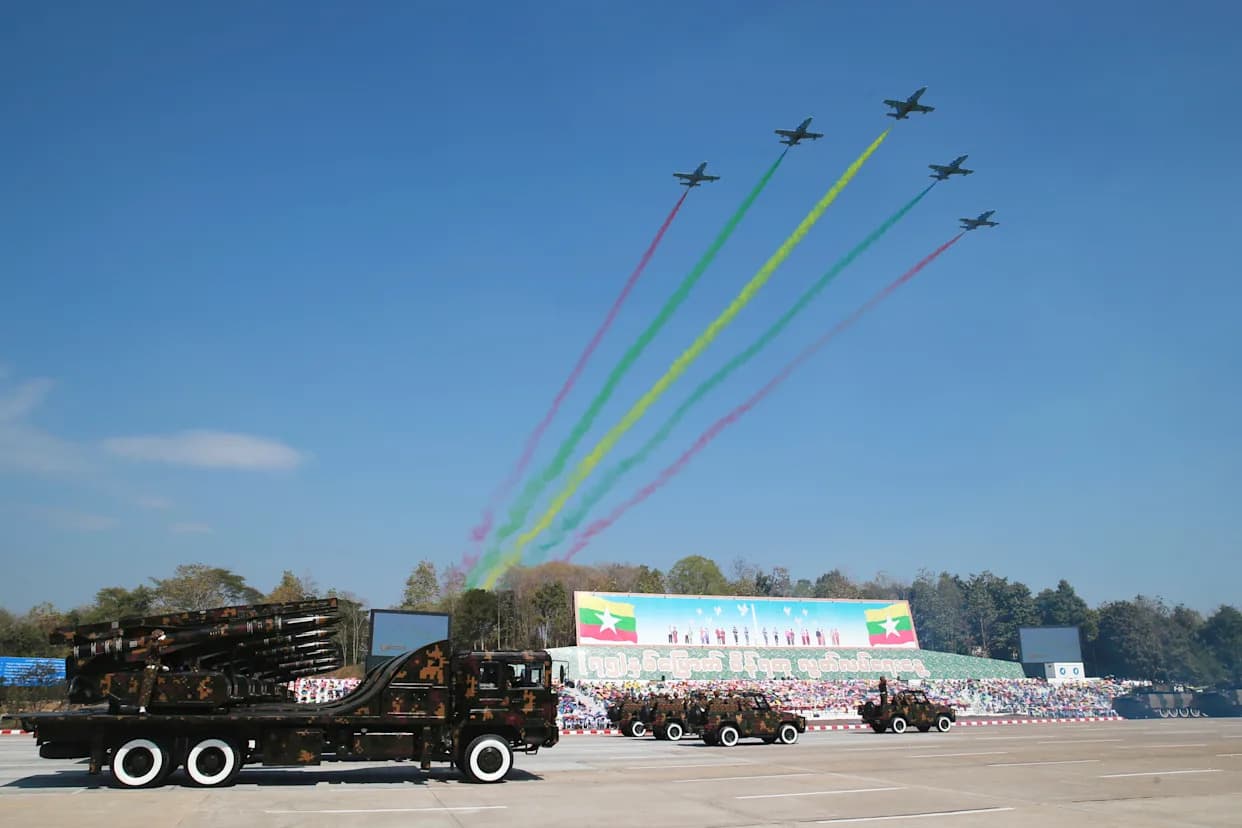
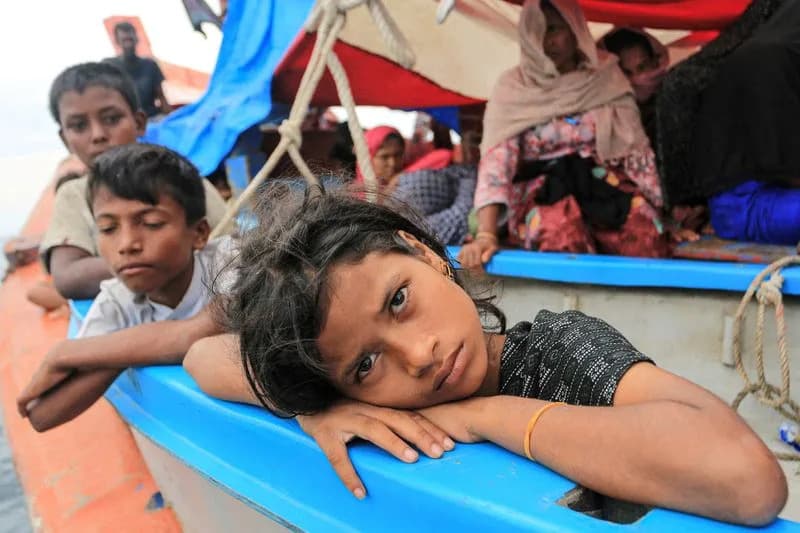
The Gambia, supported by the Organisation of Islamic Cooperation, filed the suit at the ICJ in 2019. The application alleges that Myanmar’s security forces and allied militias carried out a brutal campaign in 2017 that forced more than 742,000 Rohingya to flee to Bangladesh amid reports of killings, sexual violence and the burning of entire villages.
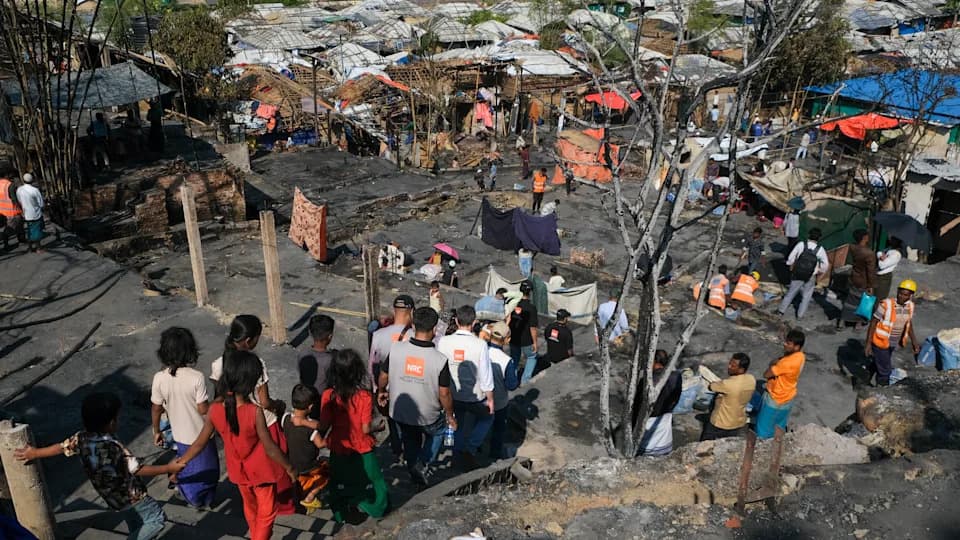
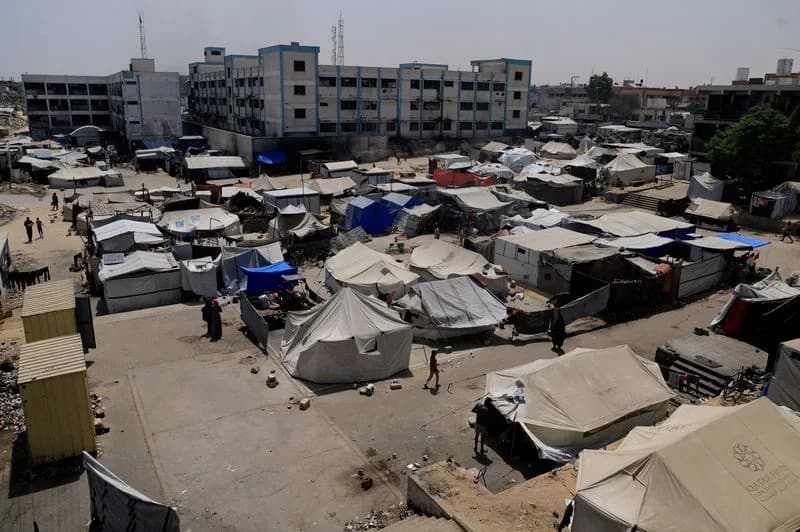
In 2020 the ICJ issued provisional measures ordering Myanmar to "take all measures within its power" to prevent genocidal acts. Many Rohingya now live in refugee settlements in Bangladesh; more than one million are in the Cox’s Bazar camps, where conditions remain dire and Bangladesh has appealed for international assistance.
Reactions and Implications
The Gambia’s Minister of Justice, Dawda Jallow, said he hopes the court will deliver a judgment soon after the hearings and that The Gambia will argue Myanmar must be held responsible and provide reparations to victims. Civil society leaders—such as Wai Wai Nu of the Women’s Peace Network–Myanmar—have highlighted the wide international support for The Gambia’s case and urged the UN Security Council and other bodies to act to stop ongoing violence in Rakhine State.
The case is widely seen as consequential: it will be the first genocide case the ICJ has heard on its merits in more than a decade and could inform future litigation, including other high-profile international disputes.
Key dates: The Gambia 12–15 Jan; Myanmar 16–20 Jan; three closed days for witness testimony during the session.
Help us improve.