The military junta launched the second phase of a three-stage election in Myanmar, amid accusations the vote is engineered to cement military influence. Polling opened in Kawhmu, Aung San Suu Kyi's former constituency, while turnout and participation remain depressed after the 2021 coup. Analysts and UN experts say the ballot favours the military's proxy, voting was cancelled in many rebel-held areas, and the country remains mired in conflict with thousands detained.
Myanmar Opens Second Phase Of Junta-Run Election Amid War, Rights Crackdown
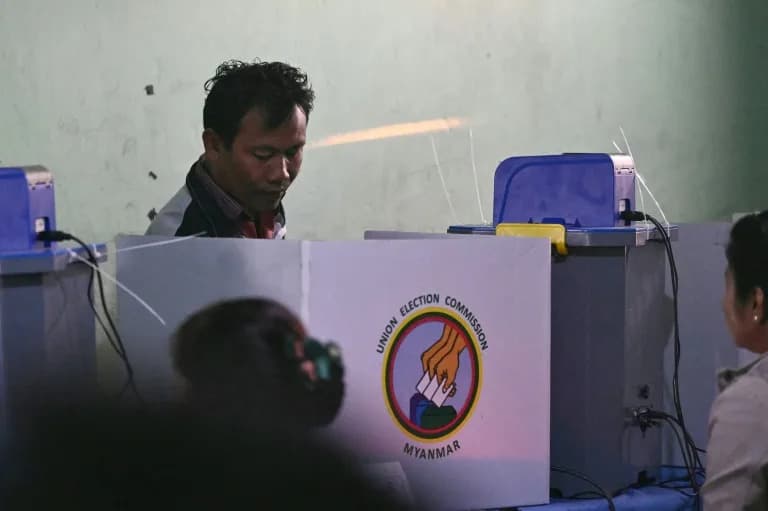
Myanmar's junta opened polls in the second phase of three-part elections due to end January 25 (Sai Aung MAIN)(Sai Aung MAIN/AFP/AFP)
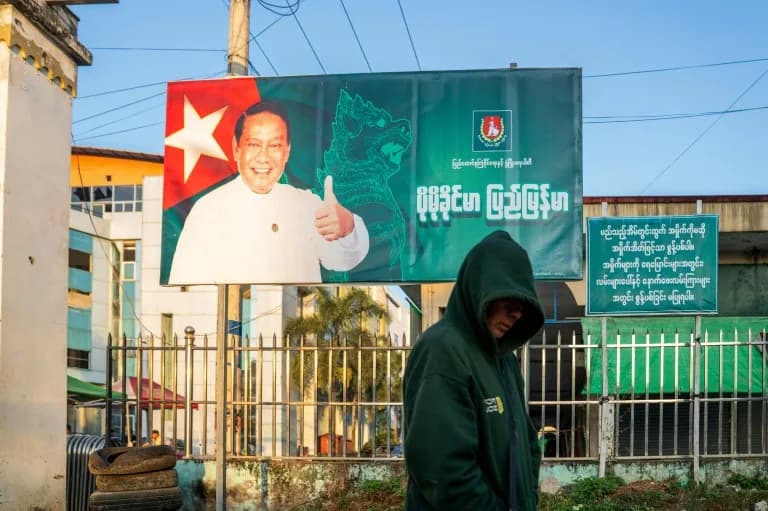
Myanmar's ruling junta opened the second phase of a three-stage election on Sunday, in a vote critics say is designed to entrench military control while projecting a veneer of civilian rule.
Background
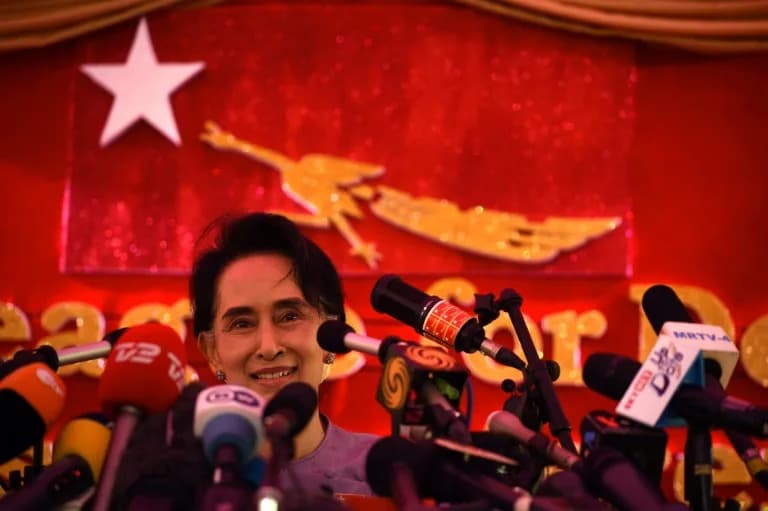
The armed forces have dominated Myanmar for most of its post-independence history. A decade-long democratic opening ended with a 2021 coup that annulled the previous election, detained Aung San Suu Kyi and pushed the country back toward widespread conflict.
Voting Day In Kawhmu
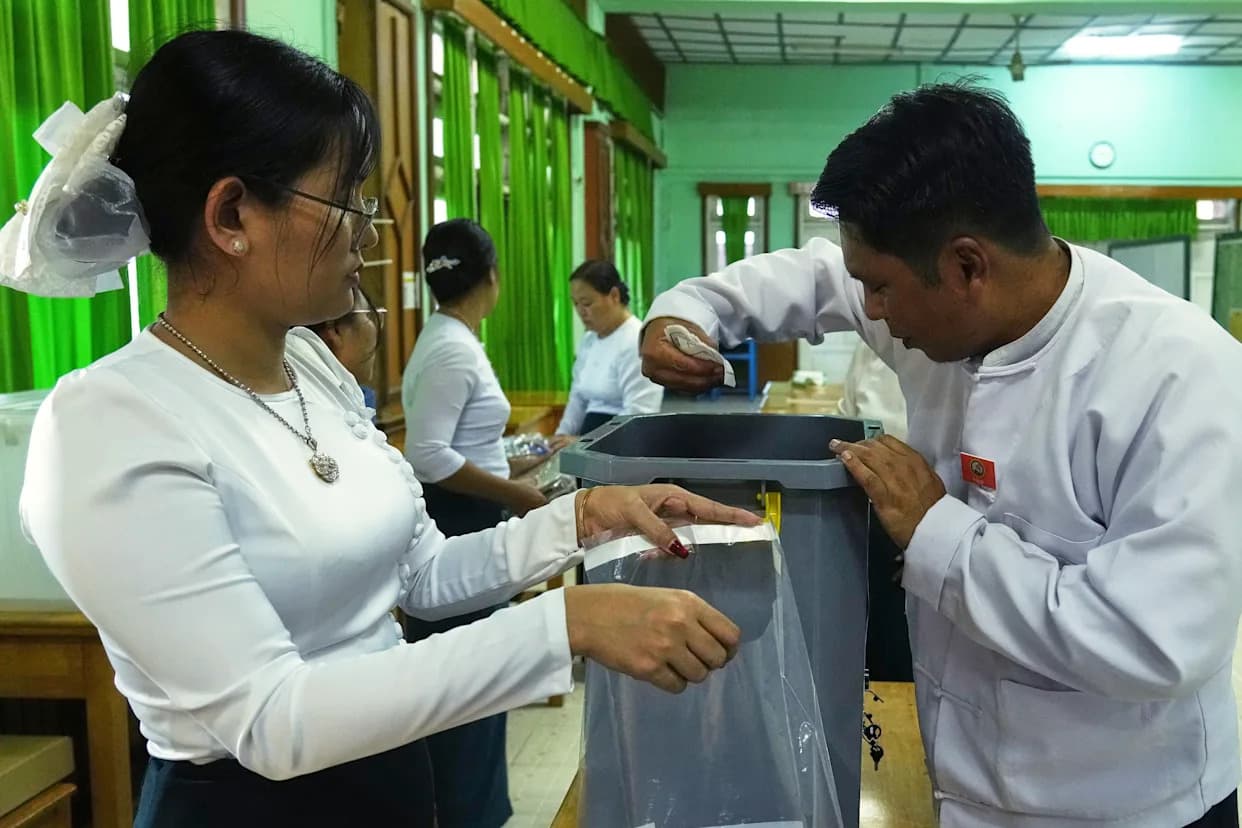
AFP journalists reported polls opened at 06:00 local time in Kawhmu, the former constituency of Aung San Suu Kyi about 25 kilometres south of Yangon. Voters such as farmer Than Than Sint said they cast ballots out of civic duty and hope for peace: "We know it will not come right away. But we need to go step-by-step for our future generations."
What The Junta Says
After five years of rule by force, the junta insists the staged three-phase election, which runs until January 25, will return authority to the people. Military-backed parties present the vote as a path to stability and international engagement.
Allegations Of An "Engineered" Vote
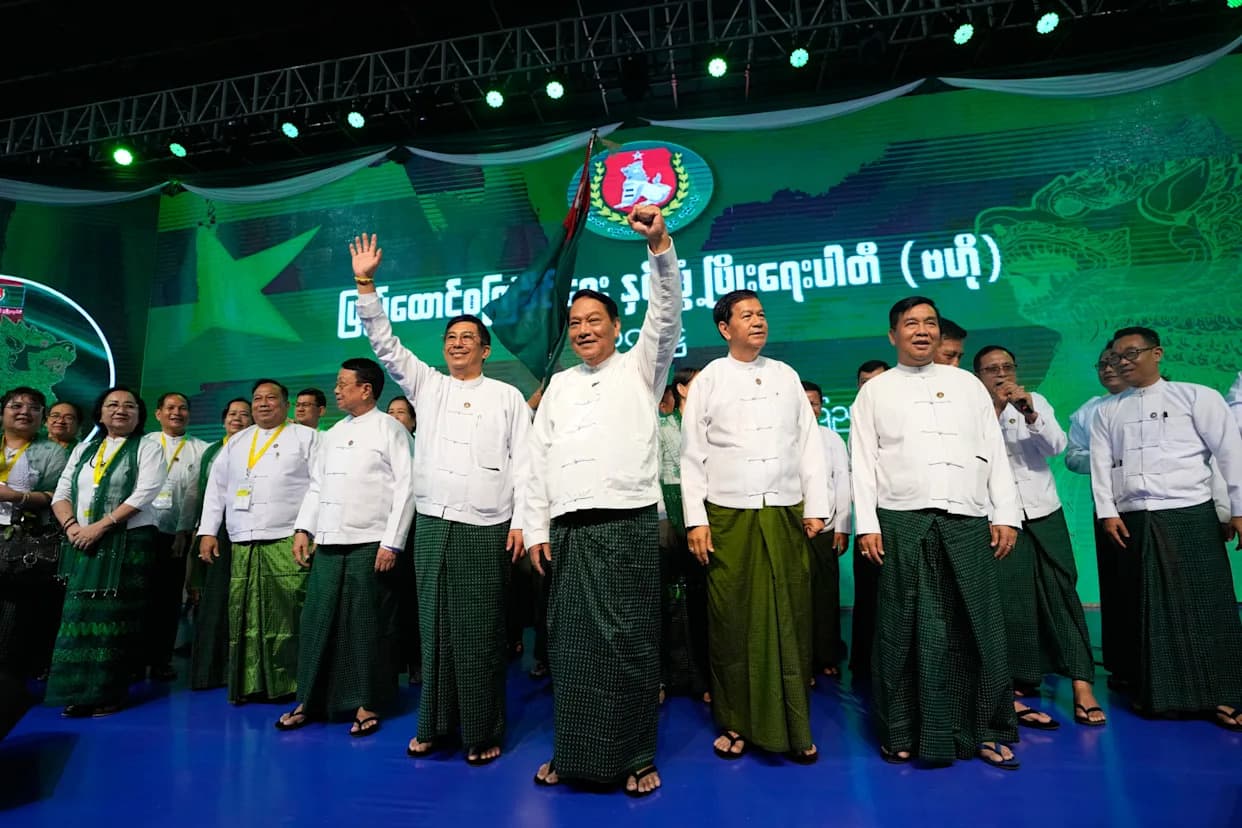
Analysts, rights groups and UN experts say the ballot is stacked in favour of military allies. The Union Solidarity and Development Party (USDP), widely seen as the military's proxy, won nearly 90 percent of lower-house seats in the first phase held late last month. With Aung San Suu Kyi sidelined and the National League for Democracy dissolved, critics say the result was all but assured.
"The junta engineered the polls to ensure victory for its proxy, entrench military domination in Myanmar, and manufacture a façade of legitimacy while violence and repression continue unabated," said UN rights expert Tom Andrews.
Limited Electorate And Ongoing Violence
Turnout in the first phase was estimated at about 50 percent, well below the roughly 70 percent recorded in 2020. Voting is not taking place in numerous large areas controlled by rebel groups, and the military says insurgents staged attacks over the weekend of the first phase.
Security forces have launched offensives, including air strikes, to regain territory ahead of polls. Observers say such operations have hit civilian sites. Independent monitor ACLED estimates about 90,000 people have been killed in the post-coup conflict, though no official death toll exists.
Repression And Legal Pressure
The junta has enacted laws that punish protest or criticism of the election with heavy penalties; more than 330 people are reportedly being pursued under these measures. Advocacy groups say more than 22,000 political prisoners are currently detained in junta jails.
Voting was cancelled in dozens of lower-house constituencies—many battlegrounds or areas under parallel rebel administration—reducing participation and representation.
Structural Military Advantage
Even if the vote proceeds, the constitution drafted under prior military rule reserves one quarter of parliamentary seats for the armed forces, securing entrenched influence regardless of election outcomes. Junta chief Min Aung Hlaing has not ruled out seeking the civilian presidency when a new government is formed.
Reporting: AFP journalists on the ground provided accounts from polling locations; international groups and local advocacy organizations supplied turnout and detention estimates.
Help us improve.