
Myanmar conducted the first phase of a national election on Sunday — the first since the 2021 military coup. Major opposition forces, including Aung San Suu Kyi’s NLD, are not participating, and voting is suspended in many conflict-affected areas. Human-rights groups say new laws and exclusions make the polls neither free nor fair and warn the vote may entrench military power and fuel further violence.
Myanmar Holds First Phase Of National Election Since 2021 Coup Amid Widespread Criticism

FILE - Supporters of Myanmar's military backed Union Solidarity and Development Party (USDP), dance on the first day of campaign for the upcoming general election, in Naypyitaw, Myanmar, Oct. 28, 2025.(AP Photo/Aung Shine Oo, File)(ASSOCIATED PRESS)
Myanmar held the first phase of a nationwide general election on Sunday — its first national vote since the military seized power in February 2021. Critics and human-rights groups say the polls, run under rules set by the junta, are unlikely to restore civilian rule or end the conflict that has displaced millions and killed thousands.
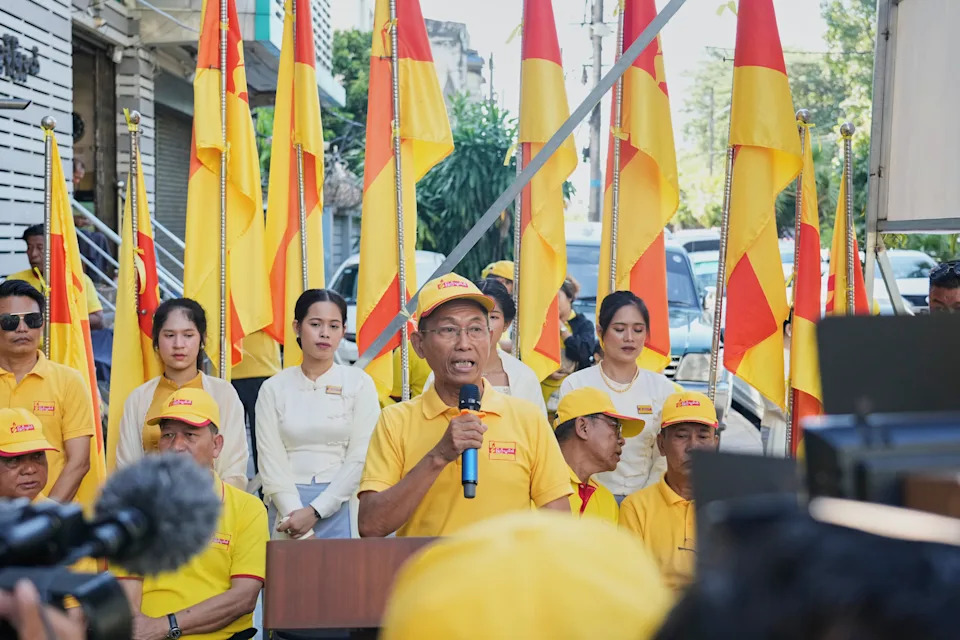
FILE - Ko Ko Gyi, chairman of the People's Party and leader of Myanmar prominent 1988 pro-democracy uprising, speaks during opening ceremony of campaign poster and election campaign, Nov. 19, 2025, in Yangon, Myanmar. (AP Photo/Thein Zaw, File)(ASSOCIATED PRESS)
Voting Schedule And Scope
Balloting is being held in three rounds across the country: the opening phase on Sunday, the second on Jan. 11 and the third on Jan. 25. On Sunday, voters in 102 of the nation’s 330 townships were scheduled to cast ballots. Voting will not take place in roughly 65 townships because of active fighting and security concerns.
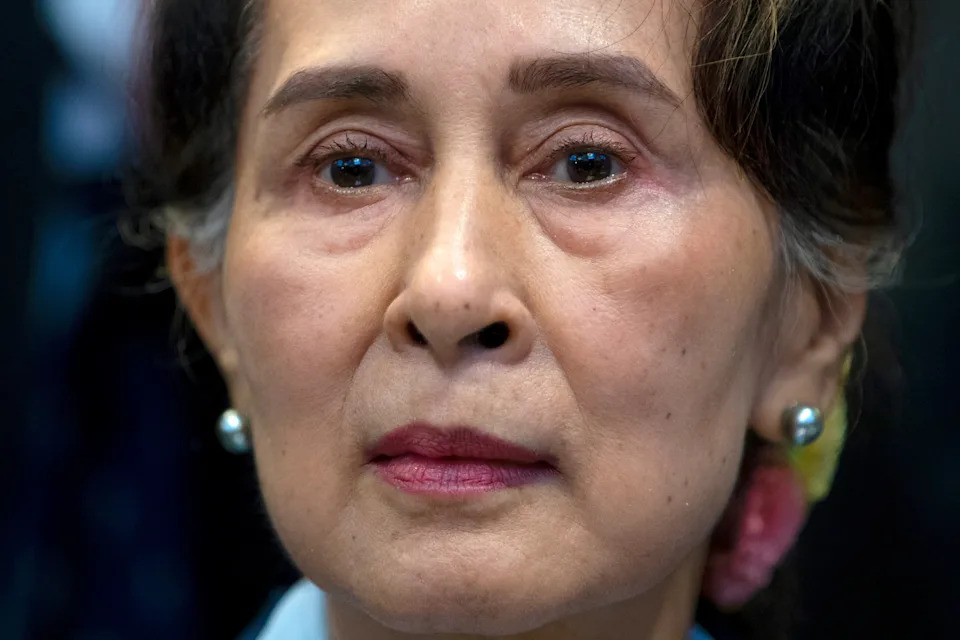
FILE - Myanmar's leader Aung San Suu Kyi waits to address judges of the International Court of Justice on the second day of three days of hearings in The Hague, Netherlands, on Dec. 11, 2019. (AP Photo/Peter Dejong, File)(ASSOCIATED PRESS)
Who Is Excluded
Major opposition figures and parties are not participating. Aung San Suu Kyi, the imprisoned former leader, is serving a 27-year sentence on charges widely viewed as politically motivated, and her National League for Democracy (NLD) was dissolved after refusing to register under new military-imposed rules. Several other parties have boycotted the vote or declined to run under conditions they consider unfair.
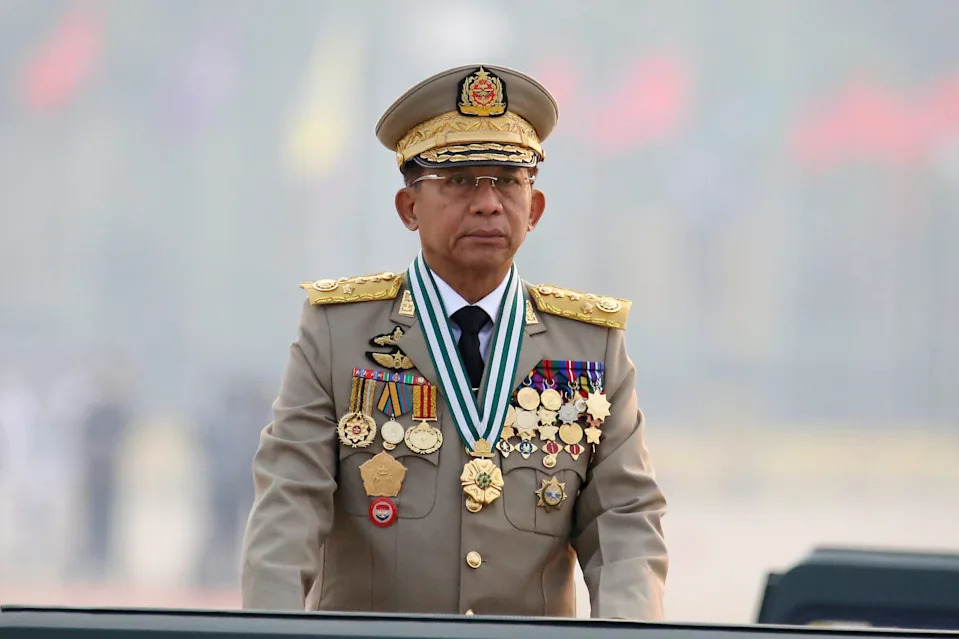
FILE - Myanmar's Commander-in-Chief Senior General Min Aung Hlaing presides an army parade on Armed Forces Day in Naypyitaw, Myanmar, March 27, 2021. (AP Photo, File)(ASSOCIATED PRESS)
Election Administration And Political Constraints
The polls are overseen by electoral authorities operating under the junta. Richard Horsey, a Myanmar analyst at the International Crisis Group, said the process is run by the same military that executed the 2021 coup:
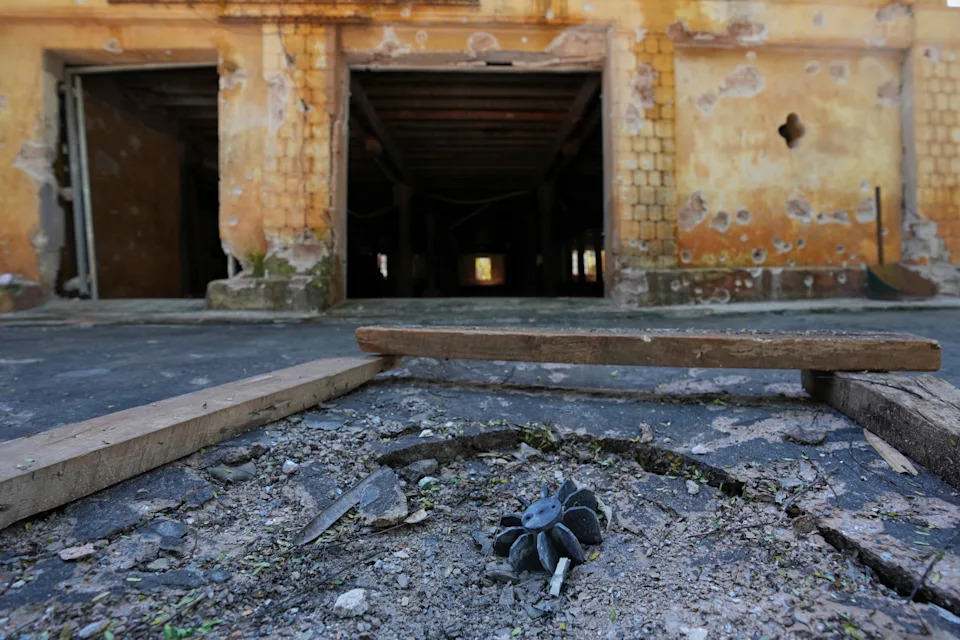
FILE - In this photo taken during a trip organised by pro-military Myanmar media, an exploded ordnance lies in the ground in Kyaukme, northern Shan State, Myanmar, Oct. 10, 2025. (AP Photo/Aung Shine Oo, File)(ASSOCIATED PRESS)
“These elections are not credible at all. They do not include any of the political parties that did well in the last election or the election before.”
Fifty-seven parties have fielded candidates, though most are contesting only in their home states or regions. Six parties are competing nationwide with a realistic chance of influencing national politics, but electoral rules and restrictions make it likely the military-backed Union Solidarity and Development Party (USDP) will dominate and position its preferred leader, Senior Gen. Min Aung Hlaing, to assume the presidency.
Crackdown On Dissent
A new Election Protection Law enacted this year imposes harsh penalties and further restricts political activity, effectively criminalizing public criticism of the vote. More than 200 people have been charged for leaflet distribution or online commentary in recent months, according to rights monitors.
Humanitarian Toll And Security Situation
The humanitarian consequences of Myanmar’s conflict are severe. The Assistance Association for Political Prisoners reports more than 22,000 people detained for political offenses and over 7,600 civilians killed by security forces since the 2021 takeover. More than 3.6 million people are internally displaced, most driven from their homes by fighting.
International Reaction And Outlook
Western governments have kept sanctions on Myanmar’s ruling generals for their anti-democratic actions and repression. Regional neighbors such as China, India and Thailand have continued engagement, arguing it helps preserve stability. Observers warn the election could provide the junta with a veneer of legitimacy without addressing the underlying political crisis, and analysts predict continued or increased armed resistance if the vote fails to confer genuine popular legitimacy.
What Happens Next: Further voting phases on Jan. 11 and Jan. 25 will determine how many legislative seats are filled; many constituencies will remain unrepresented where voting cannot take place.


