Asian markets were mostly higher as Tokyo’s Nikkei rose 1.1% and Fast Retailing jumped after a strong profit report. China’s inflation accelerated in December and Hong Kong’s MiniMax soared on its IPO debut. Investors awaited the U.S. December jobs report and a potential Supreme Court ruling on tariffs, while defense stocks climbed after a proposed boost in military spending and oil edged up amid Venezuela‑related supply concerns.
Asian Stocks Mostly Higher as Nikkei Jumps, AI IPO Soars; U.S. Futures Flat
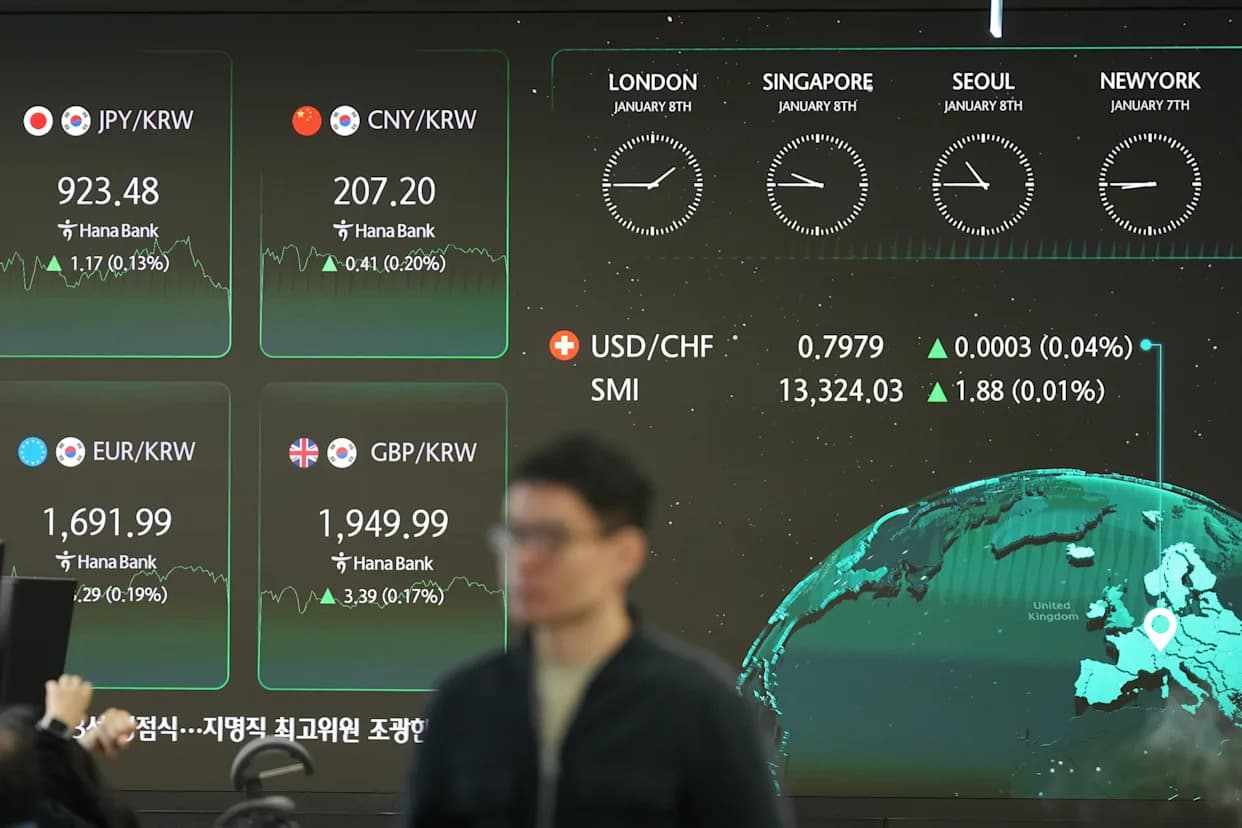
A dealer walks past near the screens showing the foreign exchange rates at a dealing room of Hana Bank in Seoul, South Korea, Thursday, Jan. 8, 2026. (AP Photo/Lee Jin-man)
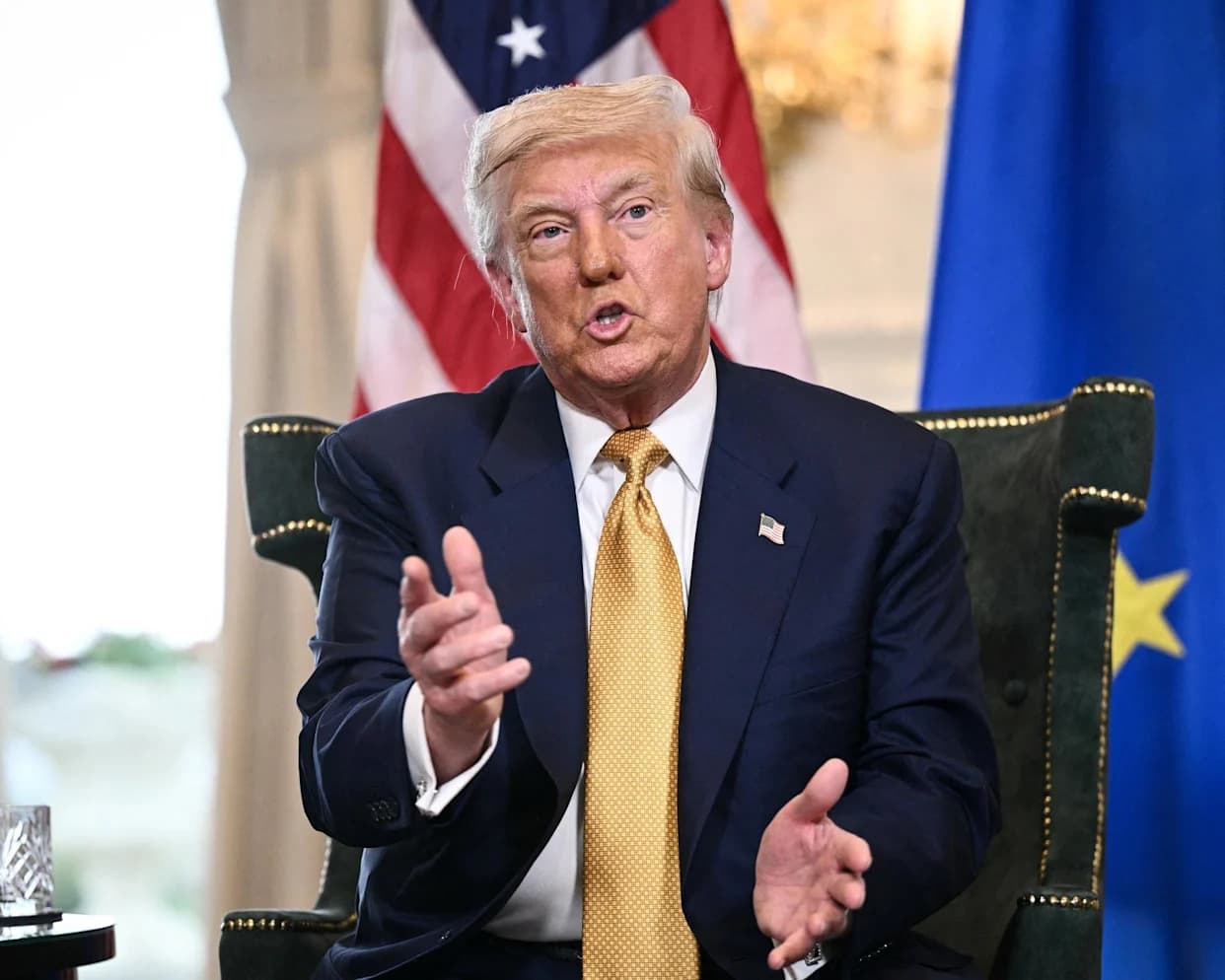
Asian markets were broadly higher on Friday after mixed trading on Wall Street, where comments from President Donald Trump about boosting defense spending supported gains in military-related stocks.
Tokyo’s Nikkei 225 advanced 1.1% to 51,692.70, led by a more than 7% jump in Fast Retailing, the operator of Uniqlo, after the company reported quarterly operating profit up about 34% year‑on‑year and raised its full‑year guidance.
In Hong Kong, the Hang Seng edged up less than 0.1% to 26,158.21, while the Shanghai Composite rose 0.3% to 4,095.33 after official data showed China’s inflation accelerated in December at the fastest pace in almost three years — a sign that demand may be improving.
The Hong Kong debut of Chinese artificial intelligence startup MiniMax drew intense investor interest, with the stock jumping more than 50% in early trading after its listing on the Hong Kong Stock Exchange.
Australia’s S&P/ASX 200 slipped less than 0.1% to 8,715.60. Rio Tinto shares fell 6% after the mining group confirmed it is in preliminary merger discussions with Glencore on a deal that could create the world’s largest mining company.
Elsewhere in the region, South Korea’s KOSPI added 0.7% to 4,582.95 and Taiwan’s Taiex gained 0.3%.
U.S. Markets and Policy Headlines
Investors were awaiting the U.S. Labor Department’s monthly jobs report for December, due Friday, which could provide a fuller picture of the labor market. Markets were also watching for a potential Supreme Court decision on President Trump’s expansive “Liberation Day” tariffs, which could influence sentiment if resolved.
On Thursday, defense contractors rose on Wall Street after President Trump said he wants U.S. military spending to reach $1.5 trillion by 2027. L3Harris Technologies climbed 5.2%, Lockheed Martin rose 4.3%, and Northrop Grumman was up about 2.4%.
Other U.S. moves were more muted after midweek cooling of early‑year optimism: the S&P 500 added less than 0.1% to 6,921.46, the Dow Jones Industrial Average climbed nearly 0.6% to 49,266.11, and the Nasdaq Composite fell 0.4% to 23,480.02.
Economic Data, Oil And Currencies
U.S. data on Thursday showed initial jobless claims ticked up slightly in the final week of 2025 but remained historically low and broadly in line with economists’ expectations. Worker productivity improved in the July–September quarter.
Oil prices firmed after a volatile week tied in part to political developments in Venezuela. Benchmark U.S. crude rose 35 cents to $58.11 per barrel, while Brent crude gained 38 cents to $62.37. Supply concerns persist: Venezuela sits on some of the world’s largest oil reserves, and the U.S. has sought greater control over certain oil shipments, seizing two tankers this week — including one flagged to Russia that the U.S. says evaded a blockade on sanctioned shipments.
In currency markets, the U.S. dollar strengthened to 157.27 Japanese yen from 156.80, while the euro slipped to $1.1656 from $1.1661.
AP Business Writer Stan Choe contributed to this report.
Help us improve.