A series of volatile domestic and international developments dominated headlines, from a violent encounter during a federal immigration traffic stop in Minneapolis to renewed U.S.-Iran tensions and policy fights over credit-card rates and school integration.
Minneapolis: Targeted Traffic Stop Leads To Shooting And Unrest
Last night in Minneapolis, federal immigration agents say they conducted a "targeted traffic stop" of a Venezuelan man believed to be in the United States illegally just before 7 p.m. The man allegedly fled in his vehicle, crashed, and then ran on foot. According to the Department of Homeland Security (DHS), officers caught up with the man and, during a struggle on the ground, two additional people emerged from a nearby apartment and assaulted an officer with a snow shovel and a broom handle.
DHS said the agent, "fearing for his life and safety as he was being ambushed by three individuals," fired defensive shots and struck the initial subject in the leg. The suspect and the officer were both hospitalized; the two people who allegedly attacked the agent were taken into custody.
City officials told reporters the incident occurred on the north side of Minneapolis, in the 600 block of 24th Avenue North. Police Chief Brian O'Hara said a 911 call appeared to report that the fleeing man had driven toward the residence. Neighbors described federal agents ordering residents — including children — out of the home with their hands raised.
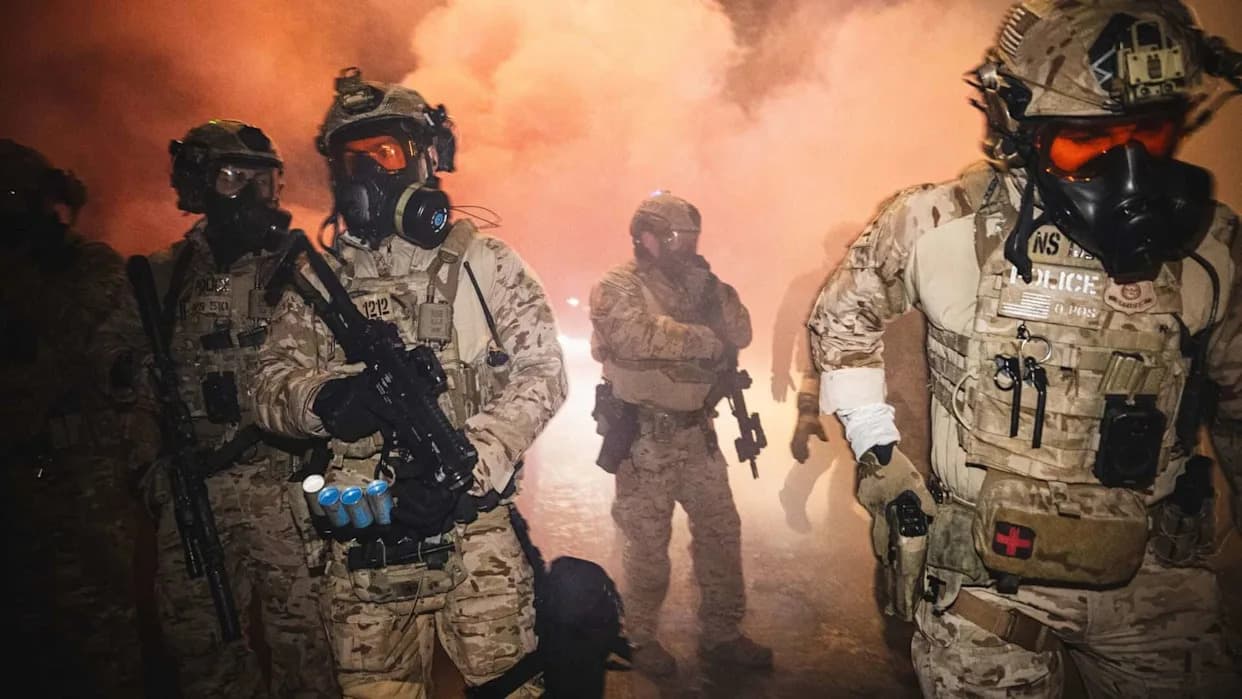
Protesters later gathered at the scene and hurled objects, including fireworks, at federal agents and Minneapolis police. Authorities responded with flash-bang devices and pepper balls, according to local reports.
Region: U.S.-Iran Tensions And Reports Of Deadly Crackdowns
Reuters reported that U.S. personnel were repositioned away from Al Udeid Air Base in Qatar, the largest American base in the region, citing "current regional tensions." The move reflects concerns in Washington over potential strikes on Iran amid mounting confrontations in the region.
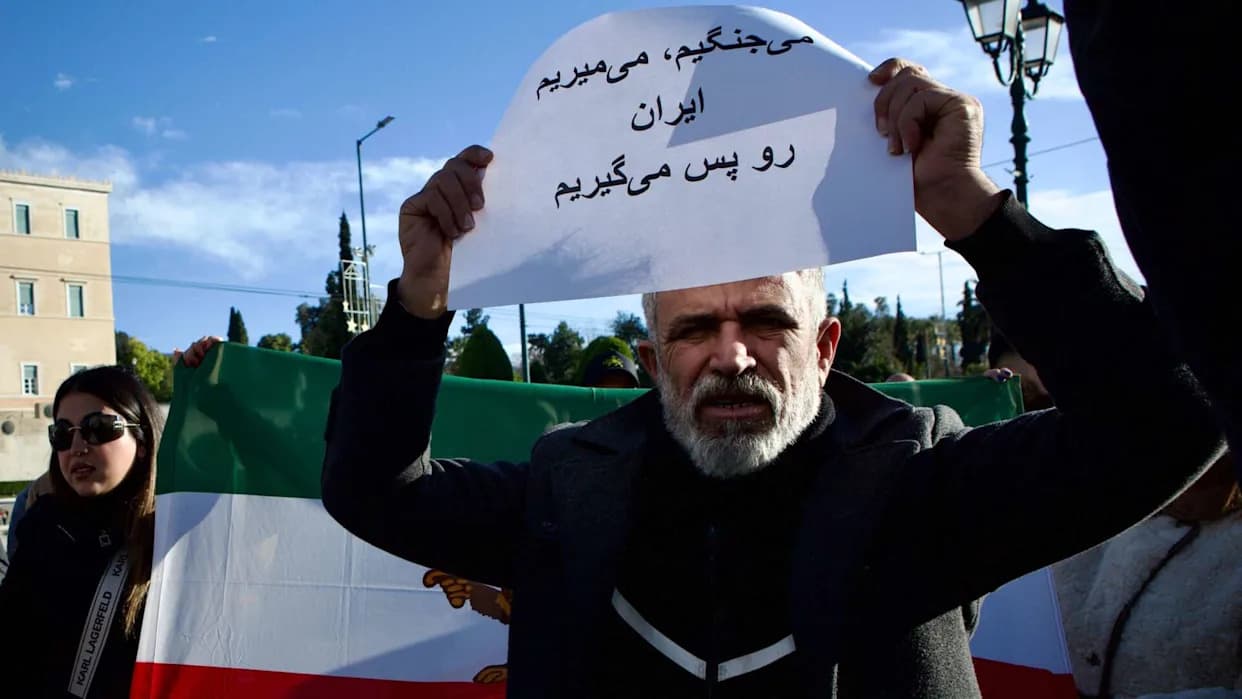
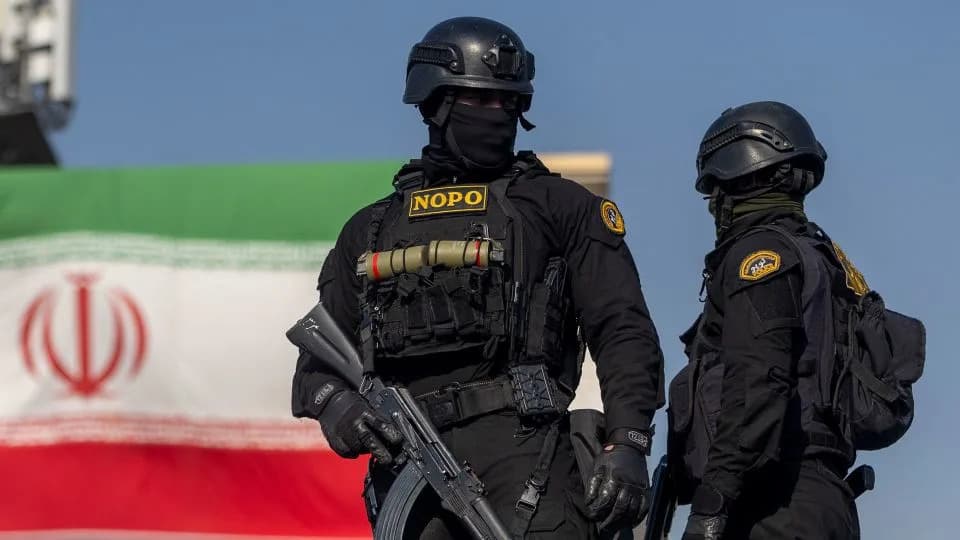
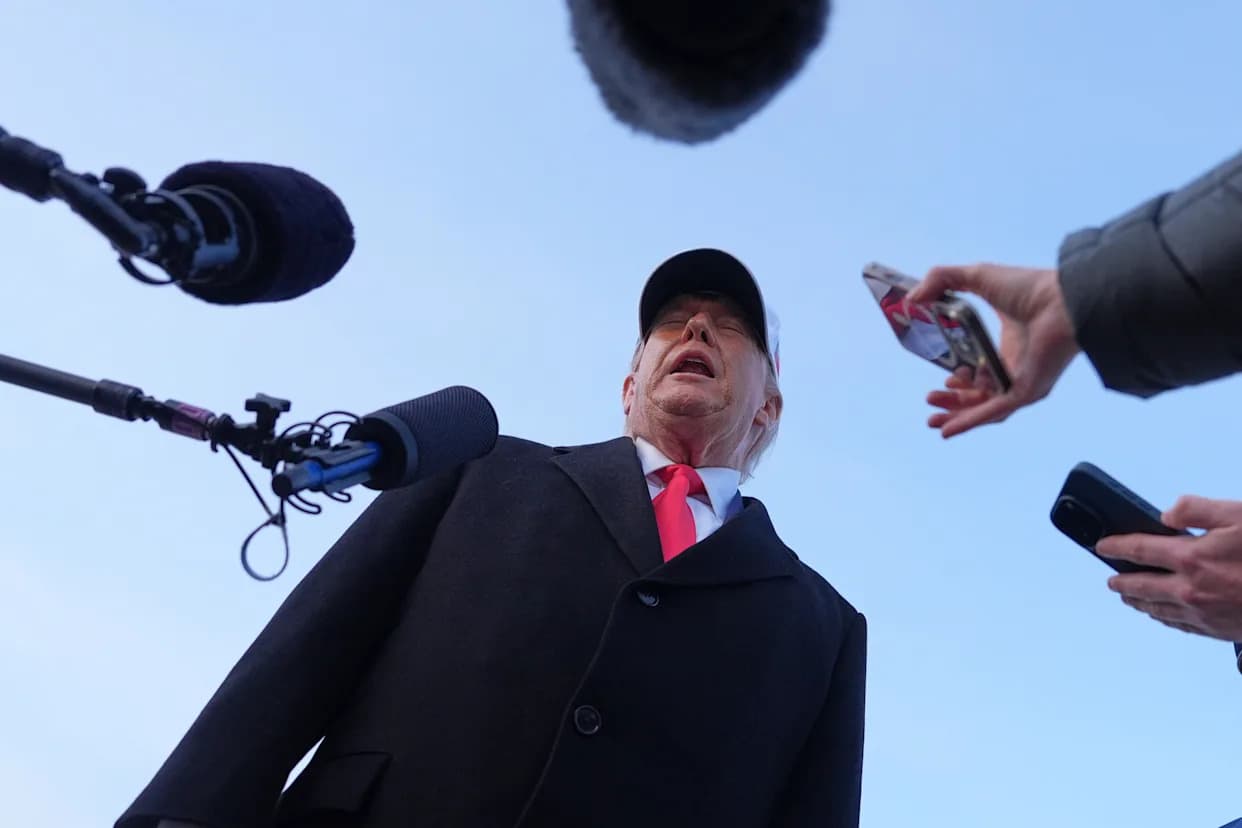
Estimates of protesters killed in Iran vary widely; official and independent tallies differ, with some reporting more than 2,000 dead and other estimates suggesting higher numbers. The unrest, which began on December 28 over economic grievances, has broadened into wider protests against the government. One high-profile case involved 26-year-old Erfan Soltani, whose reported impending execution prompted public warnings from President Donald Trump. Speaking to reporters, Trump said, "We have been informed by very important sources on the other side: The killing has stopped and the executions won't take place. I hope it's true. Who knows?"
It remains unclear whether tensions will escalate into direct military exchanges between the U.S. and Iran or how the U.S. will continue to influence developments in Tehran.
New York City: Schools Leadership And Integration Debate
Mayor Zohran Mamdani has appointed Kamar Samuels as New York City's schools chancellor. Samuels has emphasized "integration" as a priority for the city's school system. Critics argue that geographic segregation and neighborhood enrollment patterns make demographic parity difficult and question whether integration should outweigh other priorities like academic performance and resource allocation.
Business: Bilt's 10% APR Cards And Banking Pushback
Bilt announced three new credit cards with interest rates capped at 10% — a move that followed public pressure from President Trump urging lenders to limit high rates. Major banks pushed back: Citigroup CFO Mark Mason warned a cap "would likely result in a significant slowdown in the economy," Bank of America CEO Brian Moynihan said it would curtail credit and carry "unintended consequences," and JPMorgan Chase CFO Jeremy Barnum criticized what he called "weakly supported directives to radically change our business."
Other Notes
President Trump again publicly expressed interest in acquiring Greenland. Separately, a Manhattan Institute report criticized social-justice-focused curricula and credentials in schools, arguing some such credentials provide little practical value.