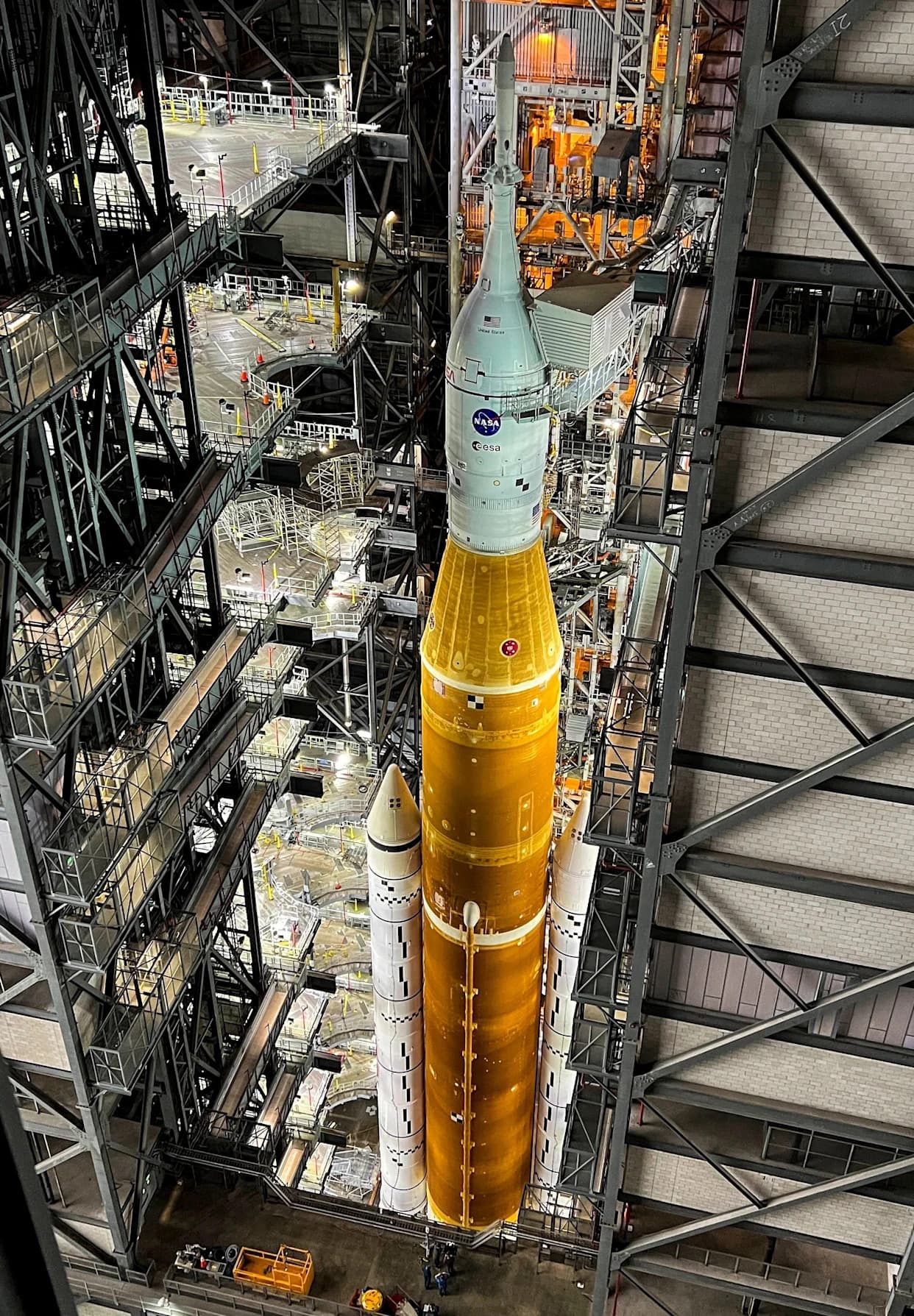
NASA plans to roll the fully stacked 322‑foot Space Launch System to Launch Pad 39B within days, possibly beginning Jan. 17, to begin final preparations for Artemis 2. The crewed, 10‑day circumlunar mission will send four astronauts in an Orion capsule about 4,700 miles beyond the moon’s far side and return them to Earth. Launch opportunities span early February through early April; teams will conduct a wet dress rehearsal with roughly 700,000 gallons of cryogenic propellant before a flight readiness review sets the final date.
NASA’s 322‑Foot Moon Rocket Could Roll Out to Pad This Week as Artemis 2 Nears Launch
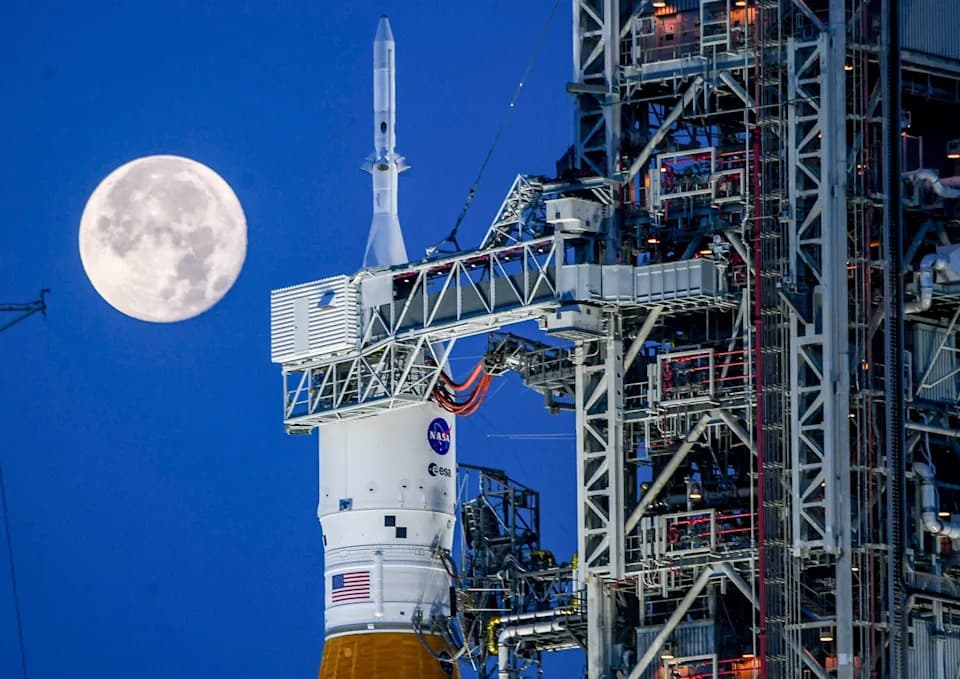
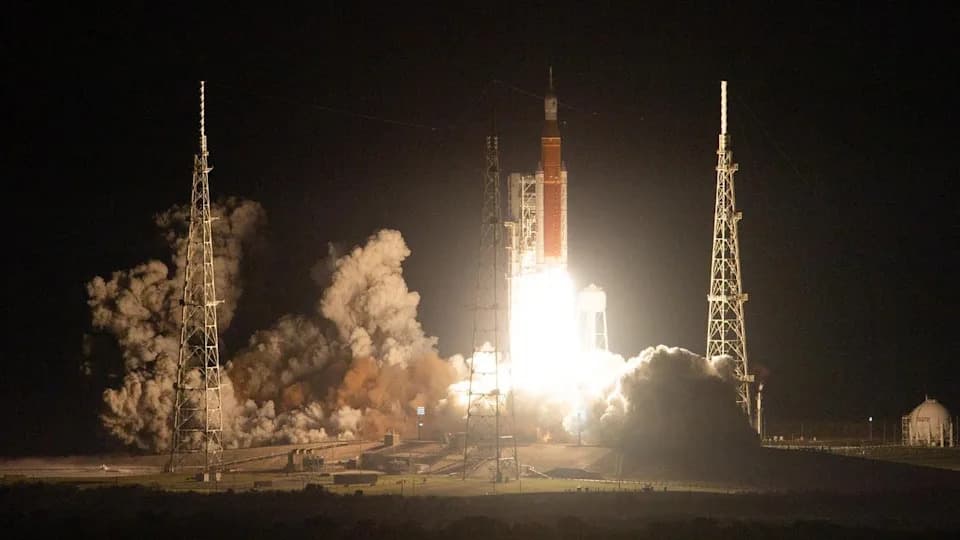
A full moon in June 2022 sets over the Orion capsule atop NASA's Space Launch System rocket just before dawn at Kennedy Space Center. The rocket had been rolled out to launch on the Artemis 1 uncrewed moon mission. Now, the towering rocket will soon be rolled out ahead of Artemis 2, which will have astronauts aboard.
In the coming days, NASA plans to move the fully stacked Space Launch System (SLS) — the 322‑foot rocket that will propel the Artemis 2 crew around the moon — from its assembly area to Launch Pad 39B at Kennedy Space Center in Florida.
Rollout and Pad Preparations
The roughly four‑mile transfer will be made on NASA’s crawler‑transporter and could begin as soon as Saturday, Jan. 17, taking up to 12 hours to reach the pad. Once the integrated SLS and Orion stack arrive, teams will begin pad‑side work: connecting cryogenic propellant lines, powering up pad systems and conducting pad tests, including engine and subsystem checks.
What Artemis 2 Will Do
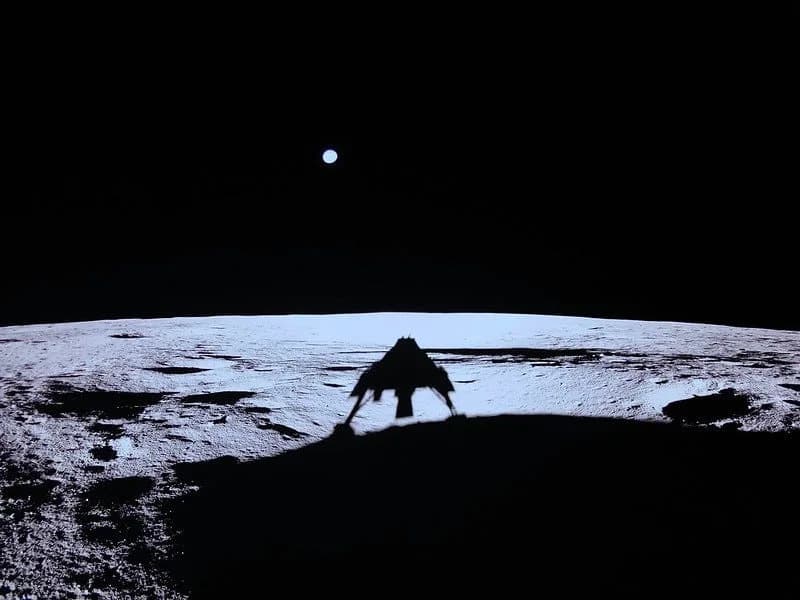
Artemis 2 is a crewed circumlunar mission designed to test spacecraft systems and procedures ahead of future lunar landings. The Orion capsule — built by Lockheed Martin — will carry four astronauts on a roughly 10‑day flight that will send them about 4,700 miles beyond the far side of the moon before returning to Earth. The mission will not include a lunar landing but will validate hardware and operations needed for surface missions.
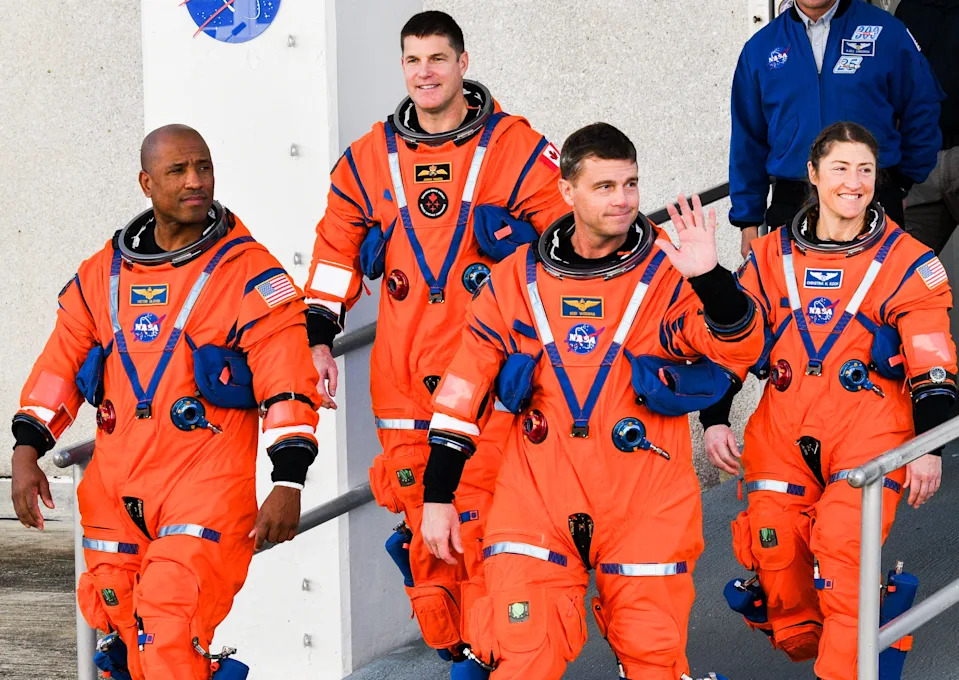
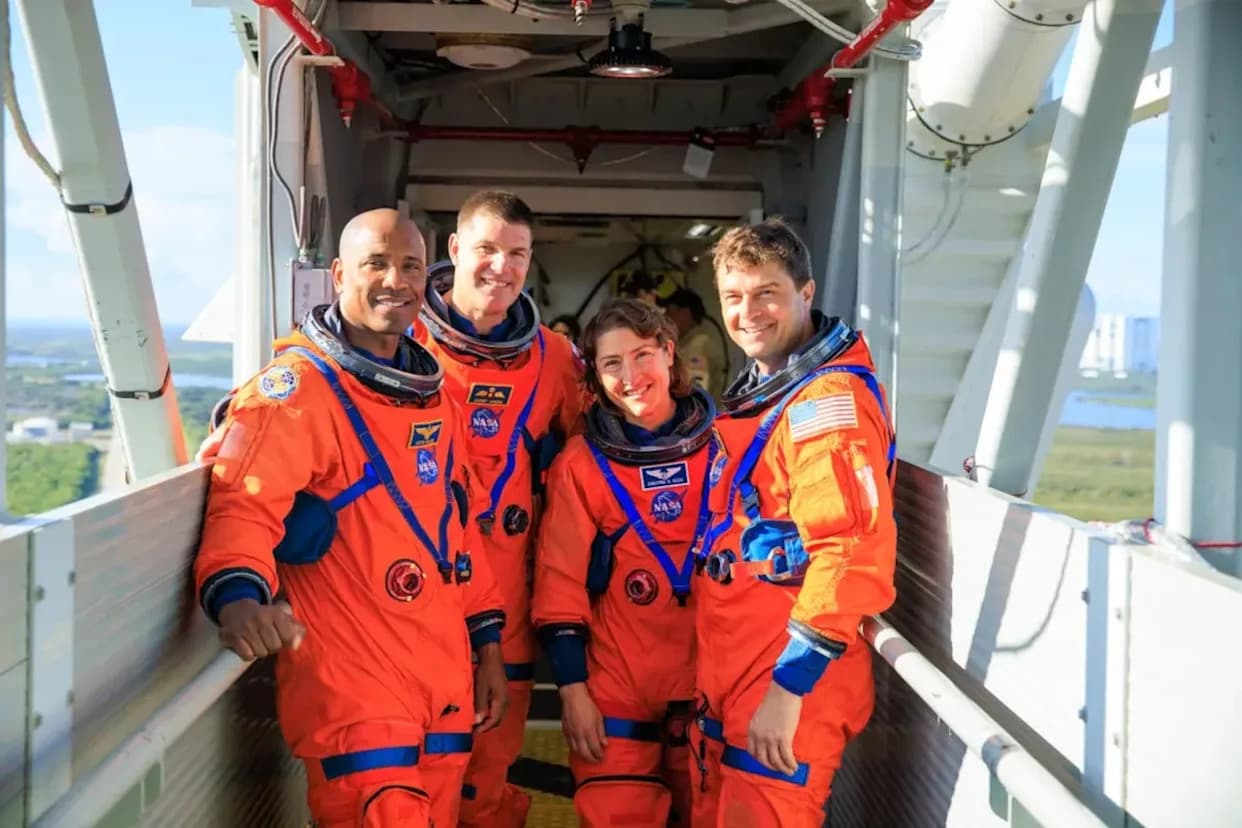
The astronauts of Artemis II (from left) Victor Glover, Jeremy Hansen, Reid Wiseman and Christina Koch leave crew quarters December 20, 2025 during their pre-launch rehearsal. Craig Bailey, FLORIDA TODAY via USA TODAY NETWORK
Launch Windows and Preparations
NASA has identified three launch periods determined by orbital mechanics and the moon’s position relative to Earth. Mission teams will perform a wet dress rehearsal — loading roughly 700,000 gallons of cryogenic propellant into the SLS and running a simulated countdown — followed by a flight readiness review that will set the final launch date.
- Launch Period Jan. 31–Feb. 14: Opportunities Feb. 6–8 and Feb. 10–11
- Launch Period Feb. 28–March 13: Opportunities March 6–9 and March 11
- Launch Period March 27–April 10: Opportunities April 1 and April 3–6
Crew and Program Context
The Artemis 2 crew includes NASA astronauts Reid Wiseman, Victor Glover and Christina Koch, along with Canadian Space Agency astronaut Jeremy Hansen. Koch is the first woman and Glover the first African American assigned to a NASA lunar mission; Hansen would be the first Canadian to travel close to the moon.
“We have important steps remaining on our path to launch and crew safety will remain our top priority at every turn, as we near humanity’s return to the moon,” said Lori Glaze, acting associate administrator for NASA’s Exploration Systems Development Mission Directorate.
Why It Matters
Artemis is NASA’s multi‑mission effort to return humans to the lunar surface and establish a sustained presence, beginning with plans for a settlement near the lunar south pole. That region is believed to hold water ice that could be used for life support and propellant production, enabling longer stays on the moon and serving as a stepping stone for future crewed missions to Mars.
As the SLS moves to the pad and final checkouts proceed, Florida’s Space Coast will again be at the center of efforts to resume sustained human exploration of the moon.
Help us improve.