President Trump signed an executive order directing NASA to land American astronauts on the moon by 2028 as Jared Isaacman became agency administrator. NASA lists Artemis II for April 2026 and Artemis III for mid-2027, but former officials say the U.S. currently lacks a proven lunar lander. Plans depend largely on SpaceX’s Starship, which has experienced recent test setbacks, prompting NASA to consider reopening the lander contract. Congress has added roughly $10 billion to support human spaceflight amid concerns about competition with China.
Trump Signs Order Directing NASA To Land Americans On Moon By 2028 — Can It Be Done?

Trump signs order to put Americans on the moon by 2028. But is it feasible?
President Donald Trump on Thursday signed an executive order directing NASA to return American astronauts to the lunar surface by 2028. The order, titled "Ensuring American Space Superiority," was signed the same day Jared Isaacman — recently confirmed by the Senate — assumed leadership of the agency.
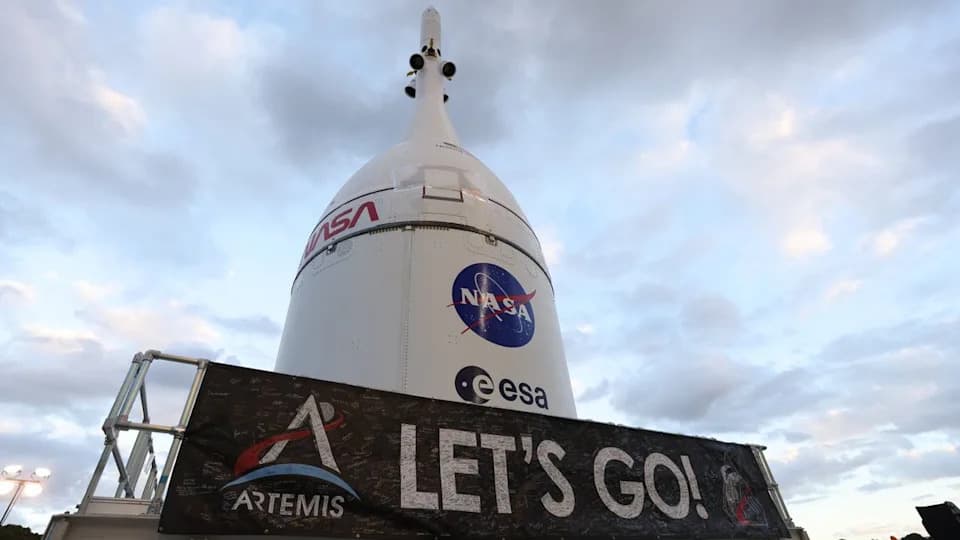
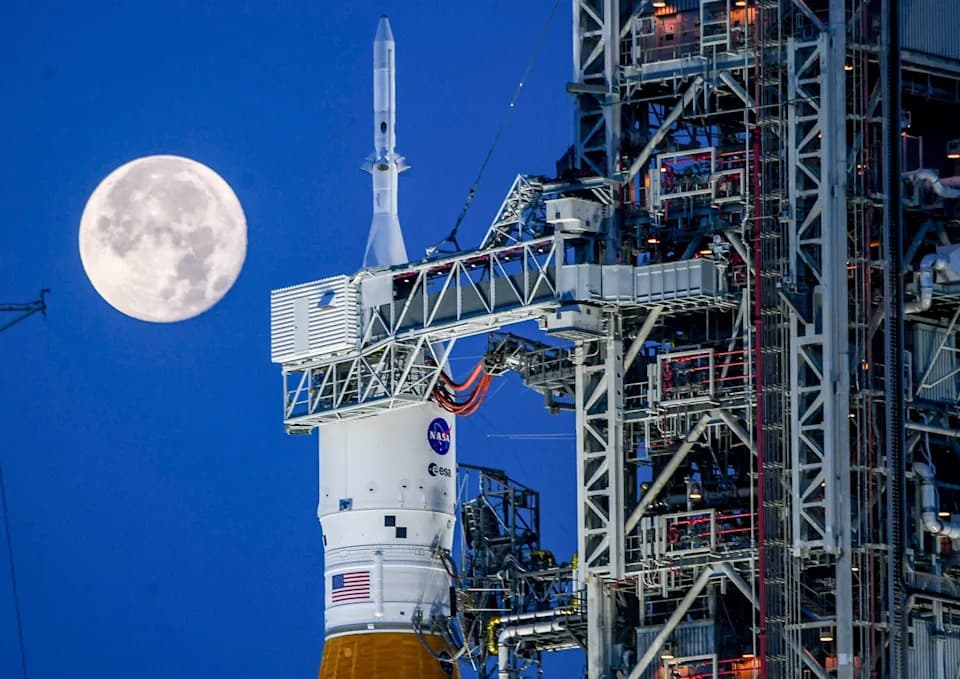
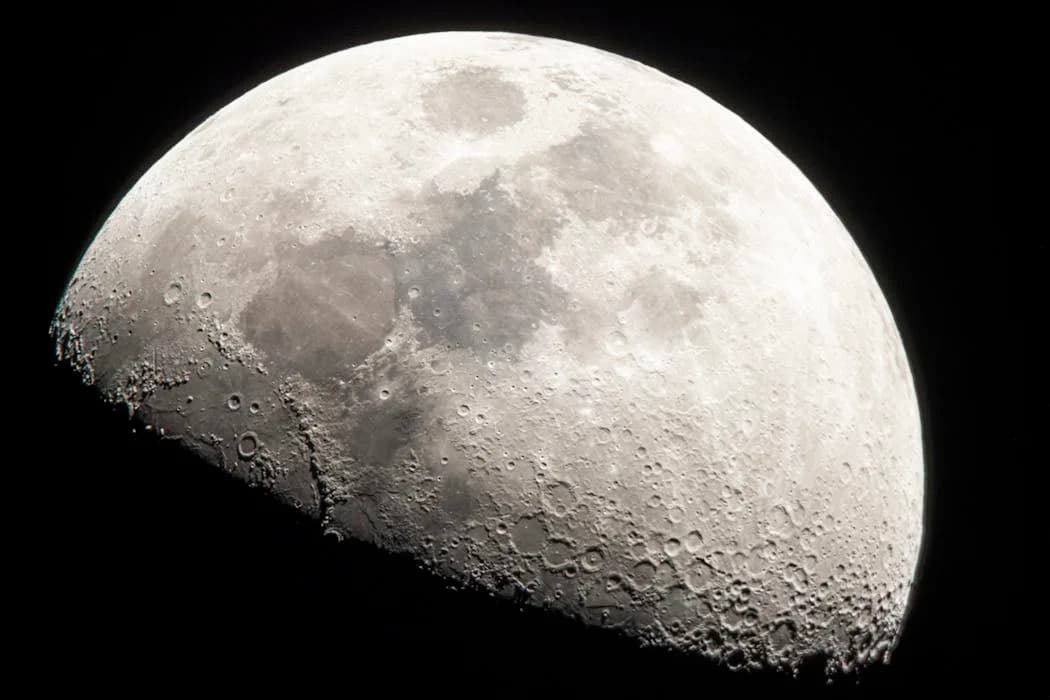
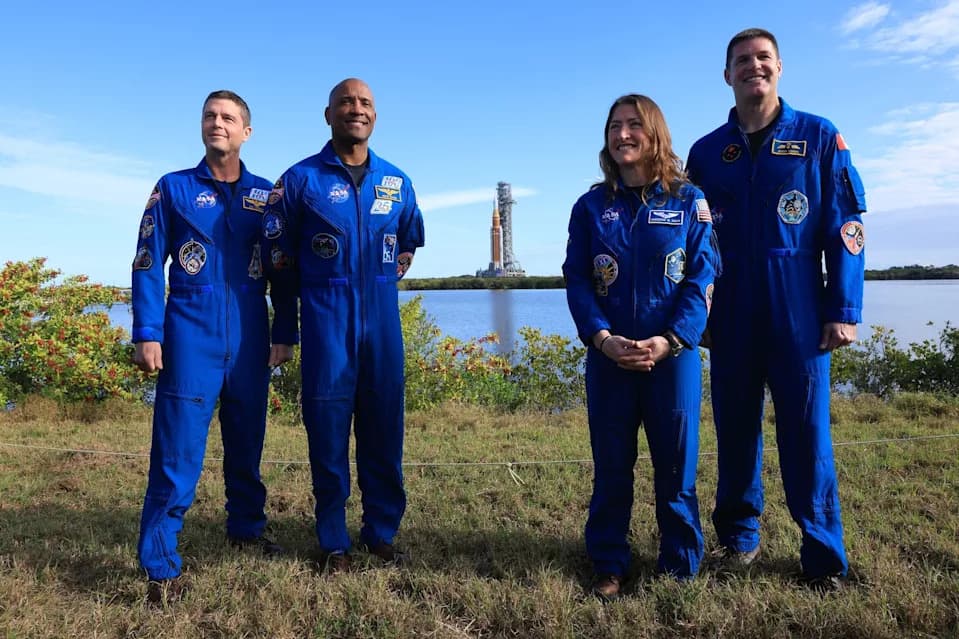
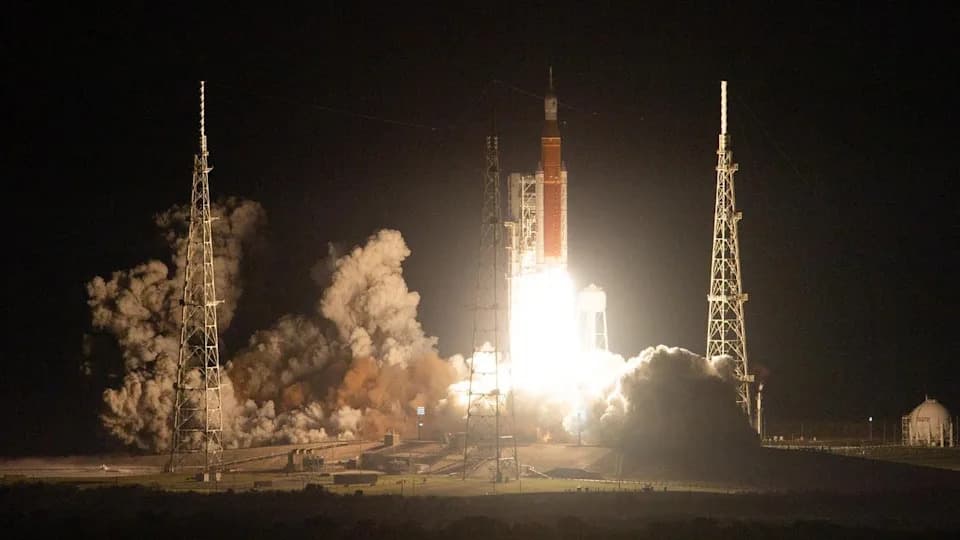
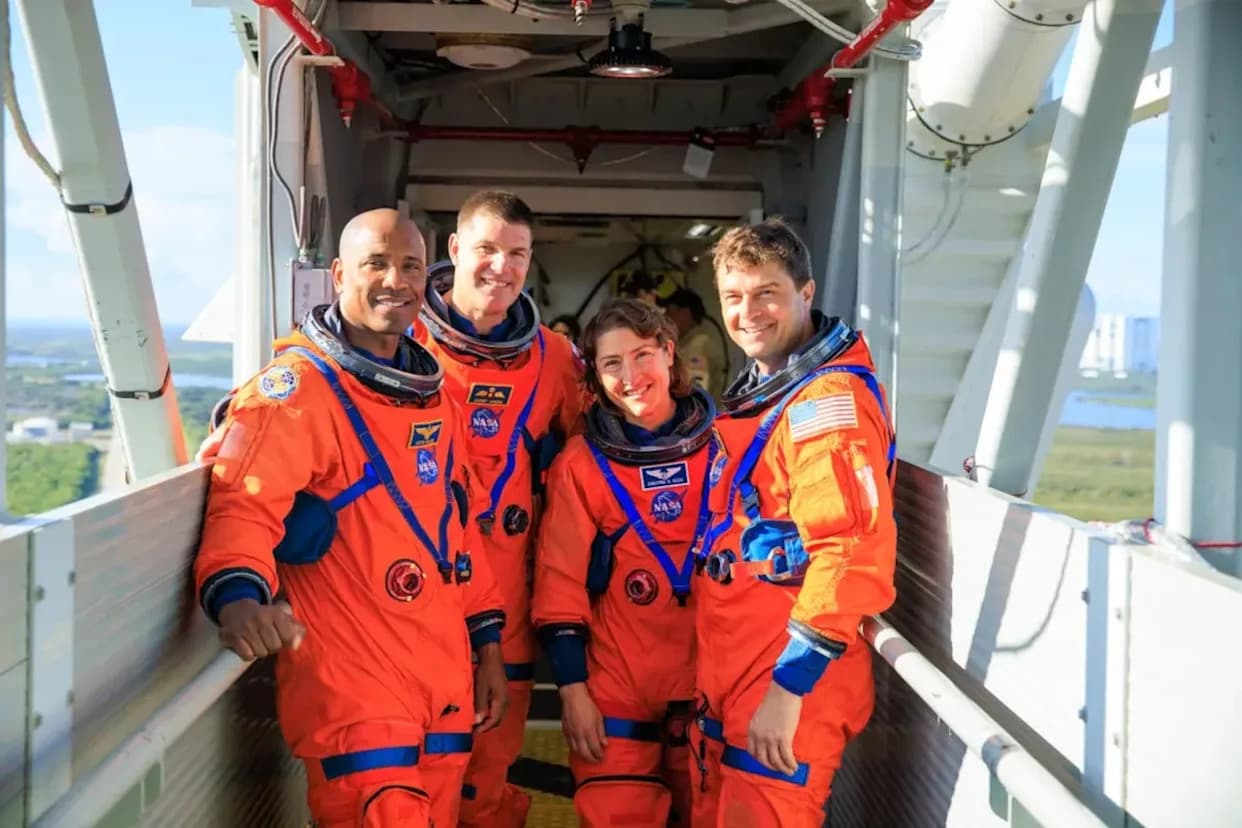
The administration cast the Artemis program as central to that goal. NASA lists Artemis II, a crewed mission to lunar orbit, for an April 2026 launch and shows Artemis III — the mission planned to land people on the moon — in a mid-2027 launch window. If achieved, Artemis II would be the deepest crewed mission in history and Artemis III would mark the first crewed lunar surface landing of the 21st century.
Feasibility Concerns
Despite the ambitious schedule, former NASA Administrator Jim Bridenstine and other officials have warned the timelines are optimistic. In testimony to the Senate Commerce Committee, Bridenstine said the United States currently lacks an operational lunar landing system and expressed skepticism about meeting the mid-2027 or 2028 dates.
"It is highly unlikely that we will land on the moon before China," Bridenstine said, adding, "We don’t have a landing system for the moon."
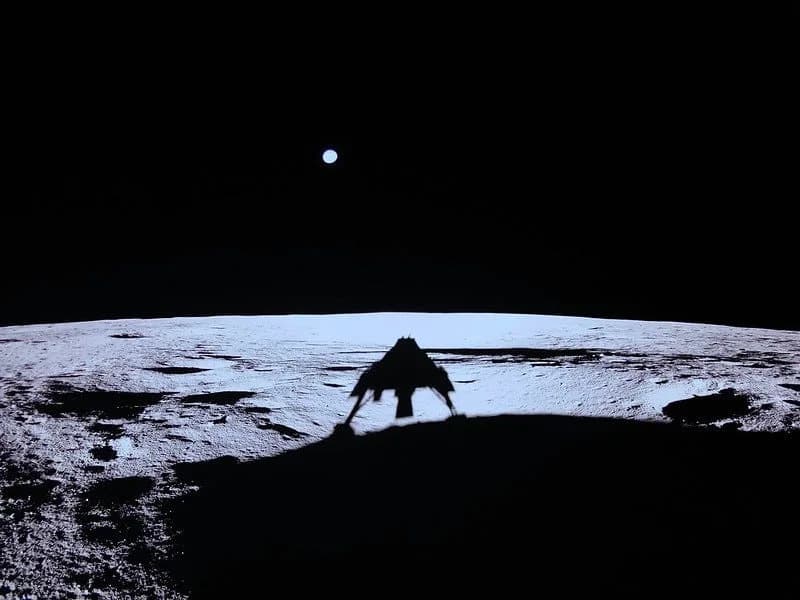
U.S. plans rely heavily on SpaceX’s Starship as the Artemis lander. Over the past year, Starship testing has suffered setbacks, including an explosion on a test stand in June while preparing for a planned test flight. Those technical and schedule risks have raised questions about whether Starship will be ready in time to support Artemis III.
Agency And Congressional Responses
Because of the delays associated with Starship, then-acting NASA Administrator Sean Duffy announced in October he would reopen competition for a lunar lander contract for Artemis III. That move aims to reduce single-source risk and accelerate development of an independent or alternate lander architecture.
Trump Moon
Meanwhile, Congress increased funding for human spaceflight. Lawmakers included roughly $10 billion for human space exploration in the so-called "Big Beautiful Bill," which the president signed into law in July. Supporters framed the funding boost as critical to winning a strategic competition with China.
Sen. Ted Cruz (R-Texas) has described the effort as a race: "We’re going back to the moon. We’re going to beat China." Former House Science and Space Committee Chair Rep. Frank Lucas (R-Okla.) said concern about China prompted higher investment and argued the space program yields long-term benefits for life on Earth — from communications to navigation technologies.
Shortly after taking office, Administrator Jared Isaacman wrote on X that NASA will "lead the peaceful exploration of space and we will NEVER come in second place," signaling strong rhetorical commitment to the administration's timeline.
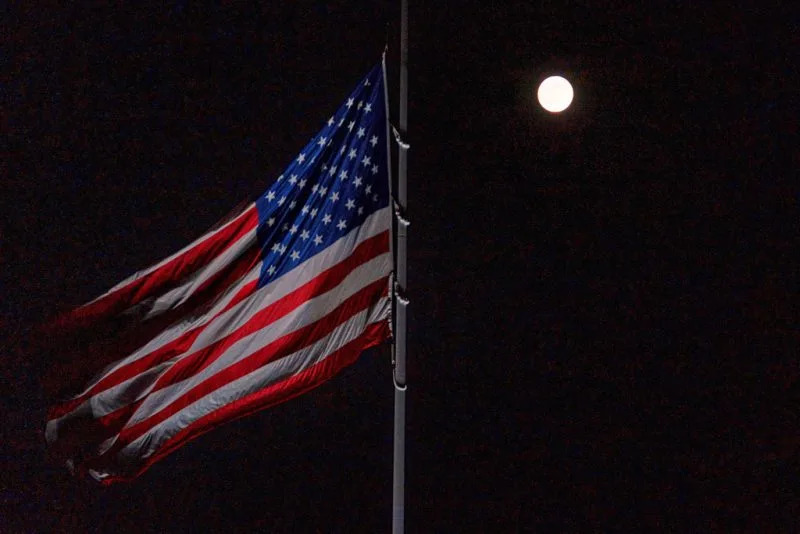
A full moon rising behind a half-staff American flag on the White House South Lawn on Nov. 5, 2025, served as a visual reminder of the renewed emphasis on lunar ambitions.
Bottom Line
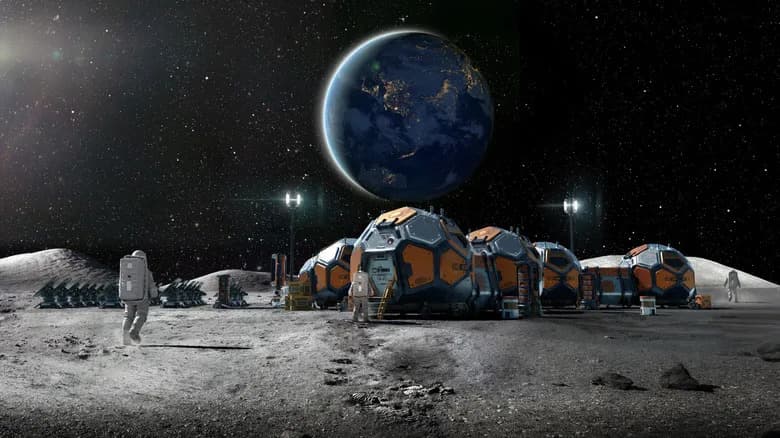
The executive order sets a clear political target — land Americans on the moon by 2028 — but major technical, schedule and procurement challenges remain. The lunar landing architecture, current reliance on an unproven Starship, and the need for contingency plans and additional development mean officials and industry will face significant pressure to meet the deadline.
Help us improve.