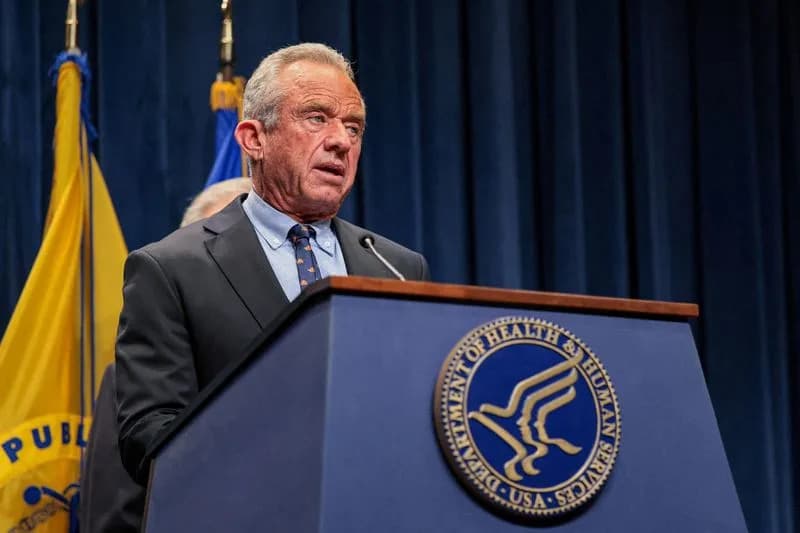
Tracy Beth Høeg has been appointed acting director of the FDA’s Center for Drug Evaluation and Research (CDER), becoming the center’s fifth leader this year. Her background in vaccine surveillance and her public skepticism of some Covid‑era vaccine policies have alarmed critics who say she lacks traditional drug‑development and regulatory management experience. Experts warn that proposals to align US childhood vaccine guidance with Denmark overlook major differences in health systems and follow‑up capacity, and a group of former FDA commissioners has called for greater transparency in vaccine regulatory changes.
Controversy at the FDA: Tracy Beth Høeg Named Acting CDER Director Amid Vaccine Policy Shake-Up
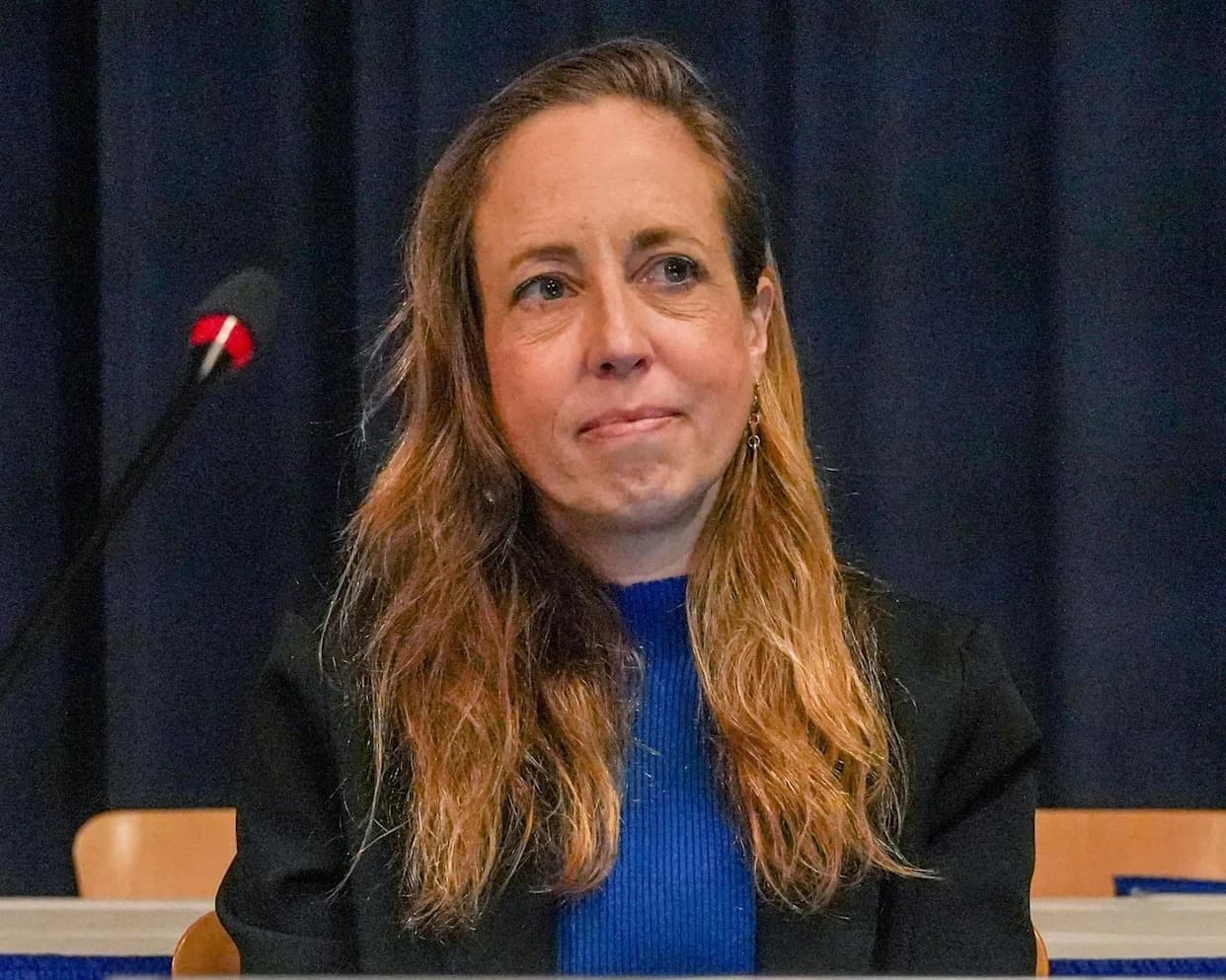
Tracy Beth Høeg at the Centers for Disease Control and Prevention headquarters in Atlanta, Georgia, on 4 December.Photograph: Bloomberg/Getty Images
Tracy Beth Høeg, a Danish‑American sports physician and epidemiologist who rose to prominence by questioning Covid‑19 vaccine safety, has been named acting director of the US Food and Drug Administration’s Center for Drug Evaluation and Research (CDER). Her appointment — the fifth leadership change at CDER this year — has reignited debate across the American medical community about experience, transparency and the future of vaccine policy.
Sources say health officials had planned to announce major revisions to the US childhood immunization schedule that would bring it closer to Denmark’s program, but that announcement has been delayed until the new year. Høeg is listed to speak at the postponed event, replacing longtime vaccines official Vinay Prasad. Her temporary elevation could indicate tighter coordination between the agency’s drug and vaccine centers and a renewed focus on re‑examining approved vaccines.
Qualifications Under Scrutiny
Critics note that Høeg lacks traditional experience in large‑scale drug development, regulatory law and organizational management — backgrounds that previous CDER and CBER leaders typically held. Jonathan Howard, a neurologist and psychiatrist who has tracked public Covid contrarian voices, observed that Høeg has not run randomized controlled trials and has limited experience overseeing large regulatory programs. Former acting FDA commissioner Janet Woodcock warned that CDER’s portfolio is broad, covering new drugs, generics, biosimilars and over‑the‑counter products, and that leading the center requires significant managerial expertise.
“It’s a huge management job, if you do it right,” Woodcock said, cautioning that the center oversees more than 5,000 employees and a wide range of programs that demand constant oversight.
The Department of Health and Human Services, through spokesperson Emily Hilliard, countered that Høeg’s advisory work on drug safety, computational safety modeling and vaccine surveillance aligns with the responsibilities of the role.
Policy Positions And Past Work
Høeg has publicly advocated aligning some US childhood vaccine recommendations with Denmark’s schedule, a proposal opponents say overlooks crucial differences in health systems. Denmark has universal health coverage, a national health registry, near‑universal prenatal hepatitis B screening and extensive follow‑up systems — conditions that make direct policy transfer to the United States problematic, public health experts say.
Her published work includes an analysis that used crowd‑sourced, unconfirmed reports to estimate myocarditis rates after Covid vaccination. She has also advised controversial state officials and publicly questioned the evidence behind some routine childhood vaccines, raising concerns among many immunization experts. During a recent Advisory Committee on Immunization Practices (ACIP) presentation, Høeg questioned cumulative aluminum exposure from multiple childhood vaccines and raised questions about RSV immunizations — points that public health authorities and the CDC say are not supported by the broader evidence base.
Concerns About Transparency And Regulatory Direction
Høeg inherits a new priority voucher program for one‑day drug approvals that has already drawn scrutiny. Critics have questioned how drugs are selected for the program and whether decision‑making is sufficiently transparent. Some observers say the FDA appears to be easing review standards for many drugs while intensifying scrutiny of vaccines.
In December, 12 former FDA commissioners warned in the New England Journal of Medicine about reduced transparency in recent vaccine‑regulatory changes, urging open scientific debate and rigorous public documentation of benefits and harms. The former commissioners and other public health leaders argue that transparent processes are essential to maintain public trust.
Why This Matters
Public health experts emphasize that vaccine policy must be tailored to local epidemiology, health‑system capacity and follow‑up infrastructure. Several advisers cautioned that wholesale adoption of another country’s immunization schedule without addressing structural differences could lead to gaps in protection for vulnerable populations.
As Høeg assumes the acting CDER role, tensions between calls for regulatory change and demands for transparent, evidence‑based policymaking are likely to continue. Stakeholders across medicine and public health are watching closely for how the agency balances review speed, safety surveillance and long‑term public trust.
Help us improve.