The U.S. childhood vaccine schedule grew over decades from evidence, outbreaks and improved technology. On Dec. 16, 2025, the CDC removed the routine newborn hepatitis B recommendation under HHS Secretary Robert F. Kennedy Jr., a move critics say lacks new safety evidence. Experts warn U.S. health-system gaps make some European-style schedules difficult to adopt, and major medical groups have pledged to continue following established guidelines.
U.S. Vaccine Schedule Under Scrutiny: CDC Drops Routine Newborn Hepatitis B Dose — What It Means

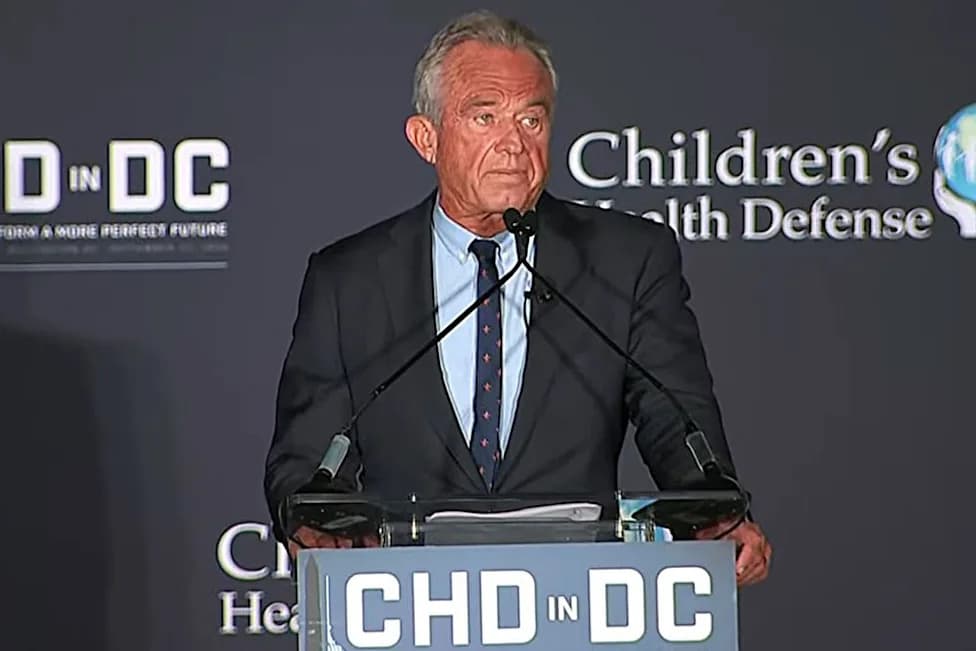
Robert F. Kennedy Jr., US secretary of Health and Human Services, has made unprecedented changes to vaccine policy this year. - Stefani Reynolds/Bloomberg/Getty Images
The U.S. childhood immunization schedule — the familiar grid pediatricians share with parents outlining vaccines from birth through adolescence — was built over decades of research, clinical trials and safety monitoring. On Dec. 16, 2025, the CDC implemented a major change under HHS Secretary Robert F. Kennedy Jr., removing the long-standing recommendation that all newborns receive a hepatitis B vaccine dose at birth. The decision comes amid broader plans to review and potentially overhaul the U.S. vaccine schedule.
How the Schedule Evolved
The modern schedule emerged incrementally. Key milestones include the formation of ACIP (Advisory Committee on Immunization Practices) in 1964 to provide national guidance, licensing of measles (1963), mumps (1967) and rubella (1969) vaccines (combined as MMR in 1971), and the introduction of conjugate vaccine technology in the 1980s that made vaccines effective in infants (for example, the Hib vaccine licensed in 1990).

An 8-year-old girl receives a polio vaccine as she watches a closed circuit television broadcast showing Dr Jonas Salk in New York in 1955. - PhotoQuest/Archive Photos/Getty Images
Public policy and access shaped adoption as much as science. After a measles resurgence in 1989–1991 that revealed access gaps, Congress created the Vaccines for Children program (1994) to provide free vaccines to uninsured or underinsured children. In 1995 ACIP, the American Academy of Pediatrics and the American Academy of Family Physicians issued the first unified childhood immunization schedule, giving parents and clinicians a single national standard.
Why the Hepatitis B Birth Dose Was Recommended
The birth dose was added to the schedule in 1991 to protect infants who might be exposed perinatally, in the household, or in early childcare settings. Infants infected with hepatitis B during the first months of life develop chronic infection about 90% of the time; approximately 1 in 4 of those with chronic infection will later die of liver failure or liver cancer. Because prenatal screening can miss infected mothers — an estimated 12%–18% of pregnant people are not screened — a universal birth dose served as a safety net. The result: childhood hepatitis B infections in the U.S. fell by roughly 99% after widespread vaccination.
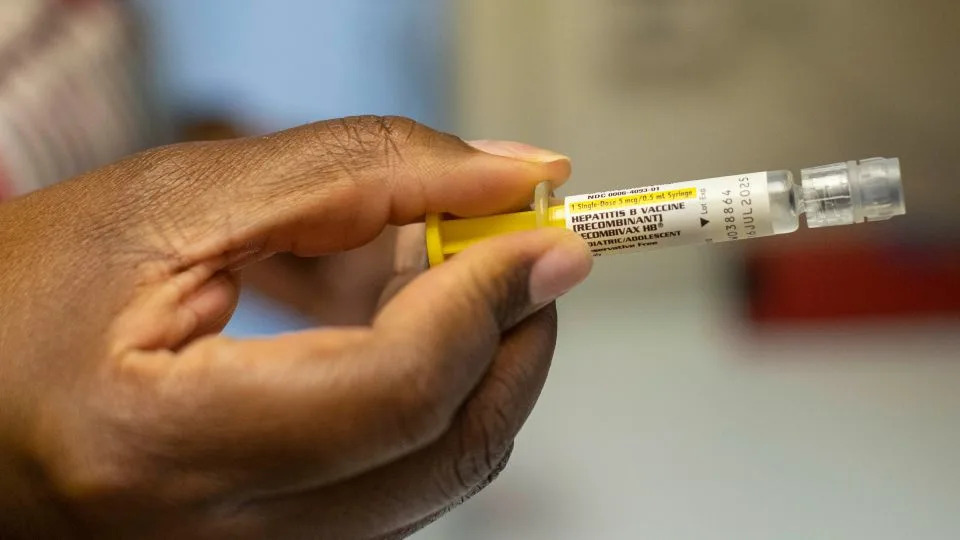
The CDC added hepatitis B vaccination at birth to the childhood schedule in 1991. - Alyssa Pointer for The Washington Post/Getty Images
What Changed and Why Critics Are Concerned
On Dec. 16, 2025, following an advisory committee vote, the CDC removed the routine newborn hepatitis B recommendation. This action occurred after HHS Secretary Robert F. Kennedy Jr. dismissed all 17 previous ACIP members in June 2025 and appointed a new panel. Critics — including the American Academy of Pediatrics and the American College of Obstetricians and Gynecologists — say the reversal was made without new safety data to justify removing the birth dose and that it breaks from the prior practice of changing the schedule only when new evidence or altered disease risk warranted it.
Context: Many medical groups and several states (including California, New York and Illinois) have stated they will continue following established, evidence-based guidelines if federal recommendations diverge.
Comparing U.S. And European Approaches
Some HHS officials have suggested aligning parts of the U.S. schedule with European countries like Denmark, which recommend fewer routine vaccines. But policy suitability depends on context: Denmark is a smaller, wealthier country with universal health care, equitable access and a national patient registry. The U.S. system is fragmented, with millions uninsured or moving between providers and known gaps in screening. Those differences influence whether certain approaches are safe and practical to adopt in the United States.
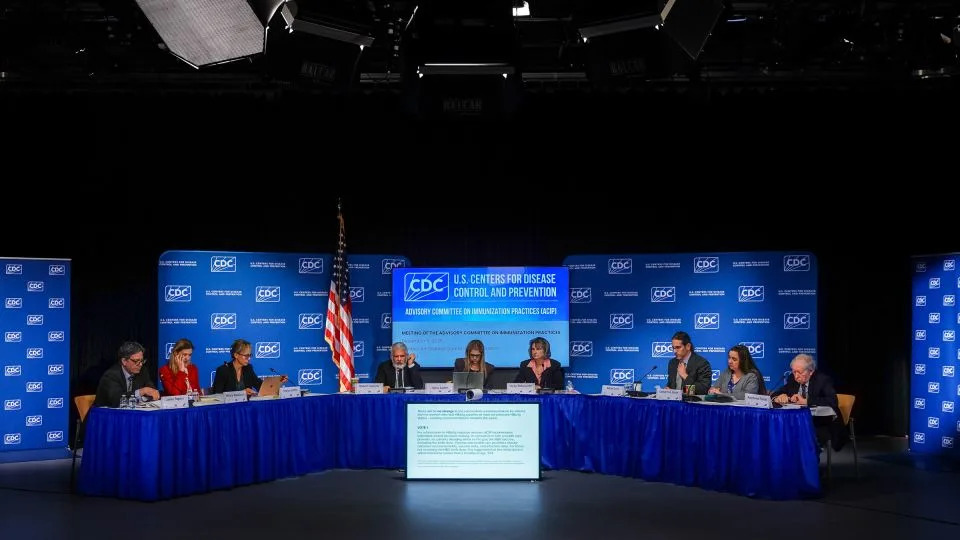
The CDC's vaccine advisers voted in early December to move away from recommending universal hepatitis B vaccination at birth. - Elijah Nouvelage/Getty Images
Bottom Line and What Comes Next
The childhood immunization schedule remains one of public health’s major successes, driven by trials involving millions and continuous safety surveillance. The recent change to the hepatitis B birth-dose recommendation raises practical and ethical questions about how to balance individualized risk assessment, public-health safety nets, and health-system realities. HHS has signaled a wider review of the vaccine schedule in early 2026; policymakers, clinicians and public-health leaders will need to weigh disease risk, evidence, and equitable access as they consider further changes.
Key historical facts: Cutter polio incident (1955) prompted federal oversight; Vaccines for Children program (1994) improved access; modern vaccines now have far fewer antigens than older formulations (the whole-cell pertussis vaccine of the 1980s contained ~3,000 antigens, while today’s full schedule contains fewer than 160).
Help us improve.