U.S. troops remain deployed in Syria, Iraq, Somalia and nearby waters under long-standing post-9/11 authorities, even as attention shifts to competition with China, Iran and Russia. About 40,000 service members were in the Middle East as of June, with roughly 900 in eastern Syria and about 500 in Somalia. Recent actions include a spring 2025 campaign that struck over 1,000 Houthi-linked sites in Yemen and 28 strikes on suspected narco-trafficking vessels near Venezuela. These missions continue without formal congressional closure and raise questions about oversight, objectives and long-term strategy.
Quiet Wars: Why U.S. Troops Remain Deployed in Syria, Iraq, Somalia and Beyond

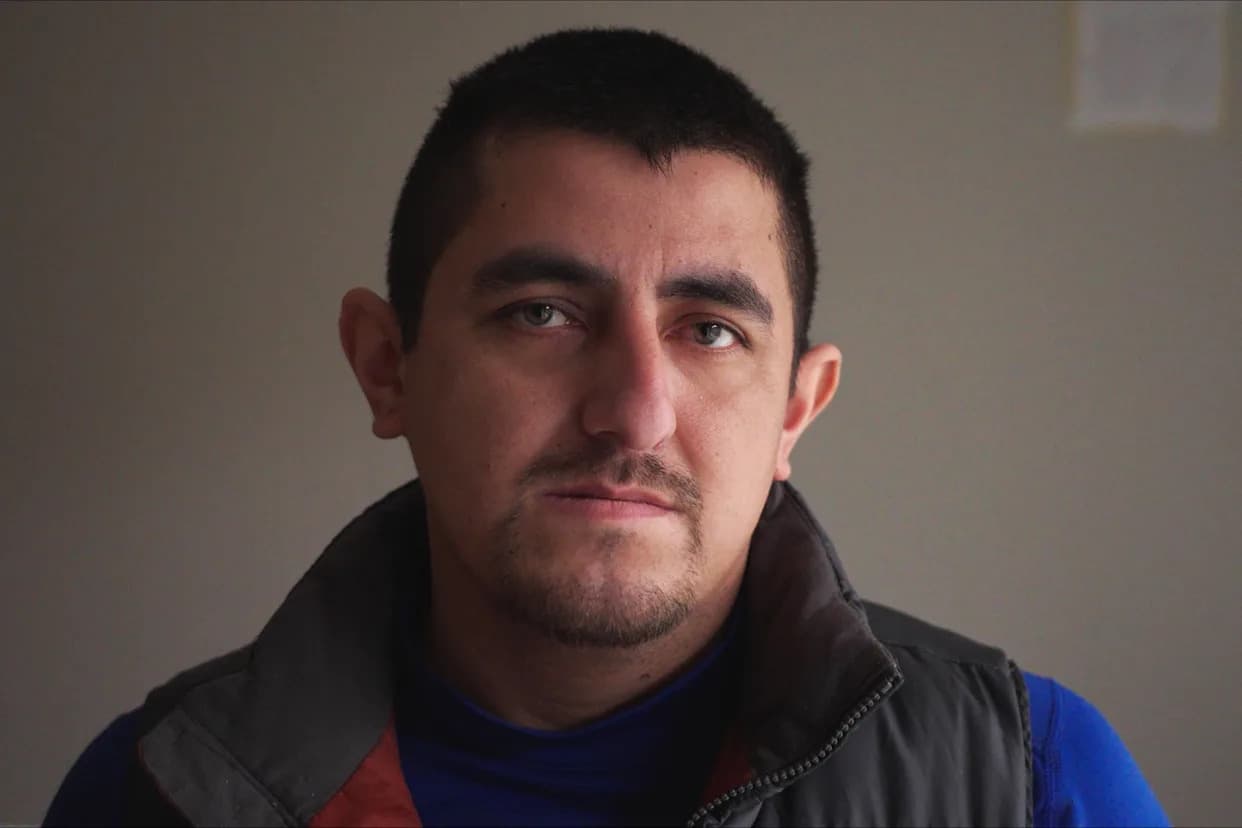
The Syria mission was thrust back into the spotlight when two National Guardsmen and one American contractor were shot by a lone suspected Islamic State fighter in Syria.
U.S. forces remain deployed across multiple theaters — including Syria, Iraq, Somalia and waters near Yemen and Venezuela — even as public attention shifts toward strategic competition with China, Iran and Russia. These missions are smaller and less visible than the large-scale wars that followed 9/11, but American service members continue counterterrorism raids, airstrikes and defensive actions under long-standing authorities.
Snapshot: Troop Presence and Missions
About 40,000 U.S. troops were stationed in the Middle East as of June, reflecting a reduced but persistent American footprint. Deployments vary by mission: roughly 900 troops in eastern Syria, several hundred in Iraq during a phased drawdown, and about 500 personnel in Somalia. Smaller naval and air contingents operate near Yemen and in the Caribbean and Eastern Pacific to protect shipping lanes and counter narco-trafficking.
Syria: A Stabilization Mission That Remains Dangerous
In eastern Syria U.S. forces continue counter-ISIS operations alongside the Syrian Democratic Forces. The mission is officially described as stabilization after ISIS’ territorial defeat, but troops still face rocket, drone and indirect fire from Iranian-backed militias and other hostile actors. The conflict drew renewed attention in December when a suspected Islamic State attacker killed two National Guardsmen and a U.S. contractor, underscoring the ongoing risk.
Iraq: Drawdown Amid Ongoing Threats
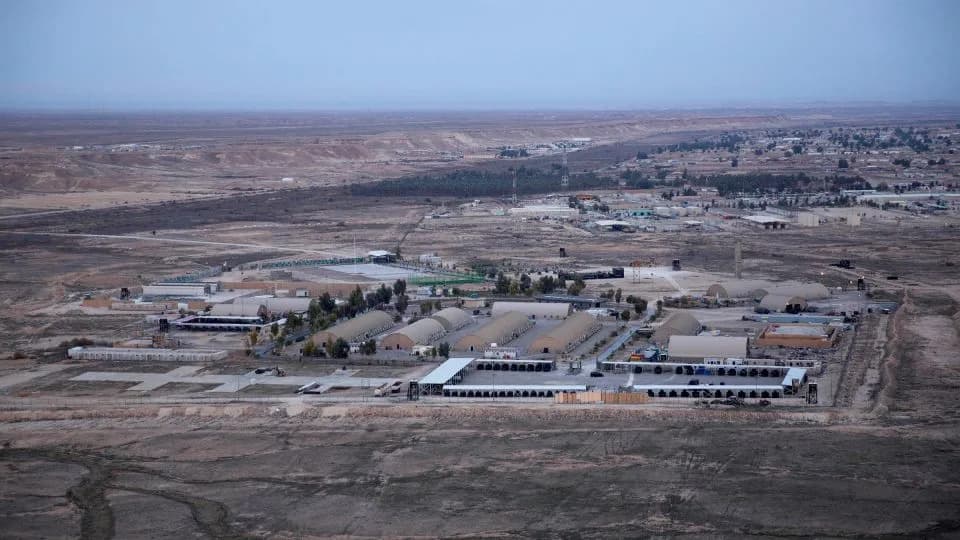
Washington and Baghdad have agreed to a phased transition of counter-ISIS responsibilities to Iraqi security forces. The coalition plans to reduce the remaining footprint by roughly 20% of the contingent that remained and consolidate forces largely in the Kurdish region, with a target to wind down the mission by September. Even as forces shift roles from combat to advising, U.S. personnel still face attacks from Iranian-backed militias and retain authorities to defend themselves and strike ISIS targets if the group resurges.
Somalia: A Persistent, Low-Visibility Campaign
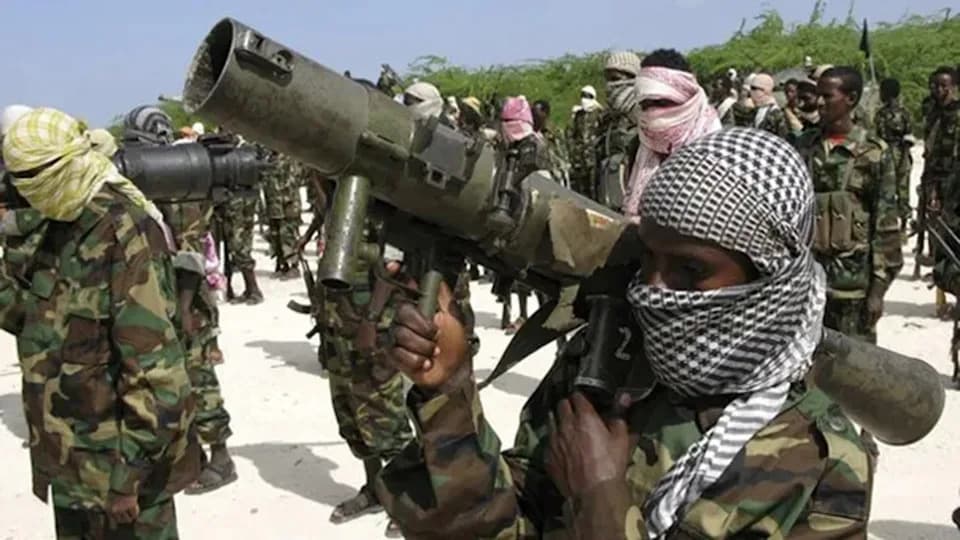
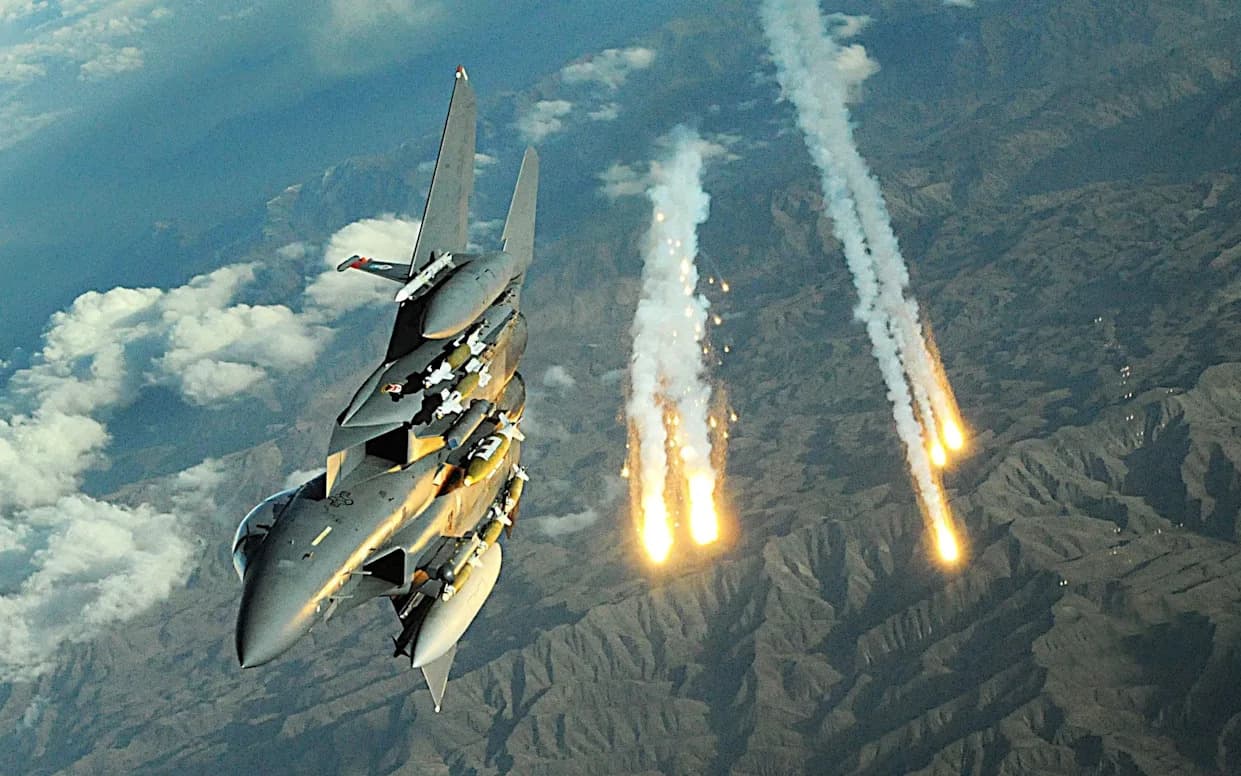
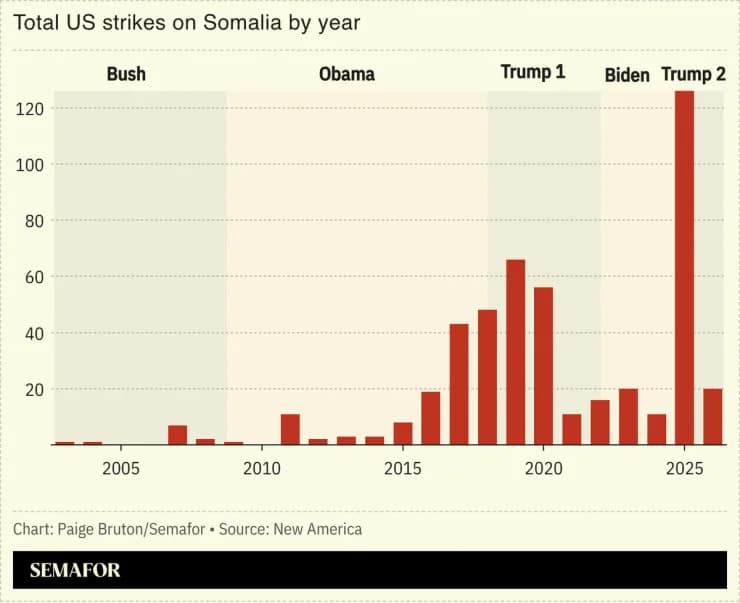
One of the longest-running U.S. counterterrorism efforts is in Somalia, where special operations forces and partner Somali troops continue pressure on al-Shabab. Airstrikes and advisory support are regular features of the campaign, though the presence is deliberately limited and often receives scant media attention. The U.S. role in Somalia evolved from humanitarian interventions in the 1990s to counterterrorism operations in the 2000s, expanded after 2017, briefly shifted to an "over-the-horizon" posture in 2020 and saw the return of several hundred troops in 2022.
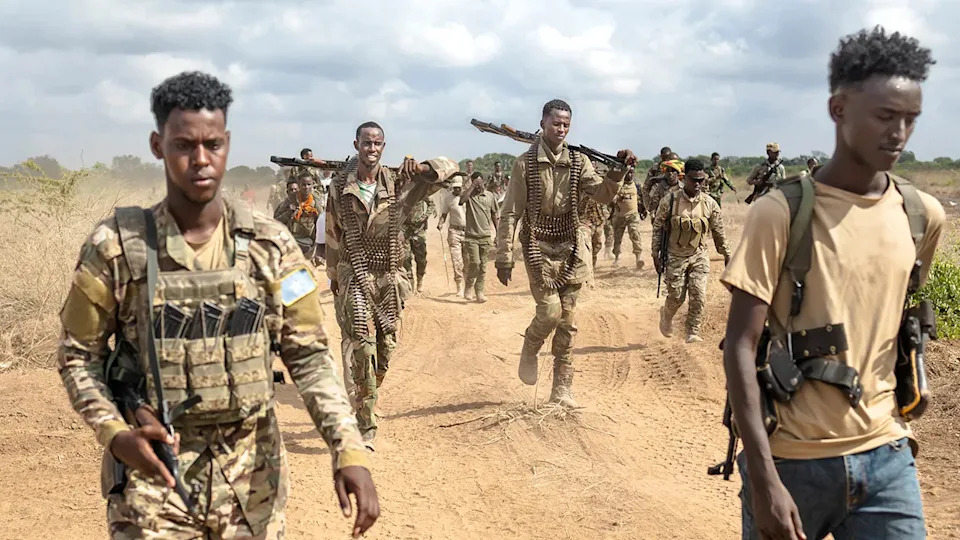
The U.S. expanded its presence again after 2017, conducting regular airstrikes and deploying special operations forces to assist Somali troops, like those above, fighting al-Shabab.
Yemen And The Red Sea: Naval And Air Campaigns
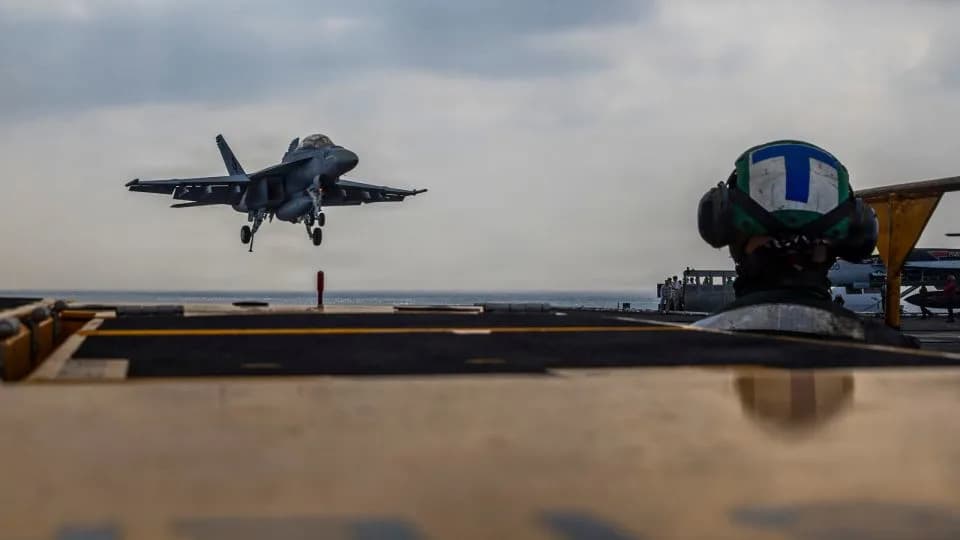
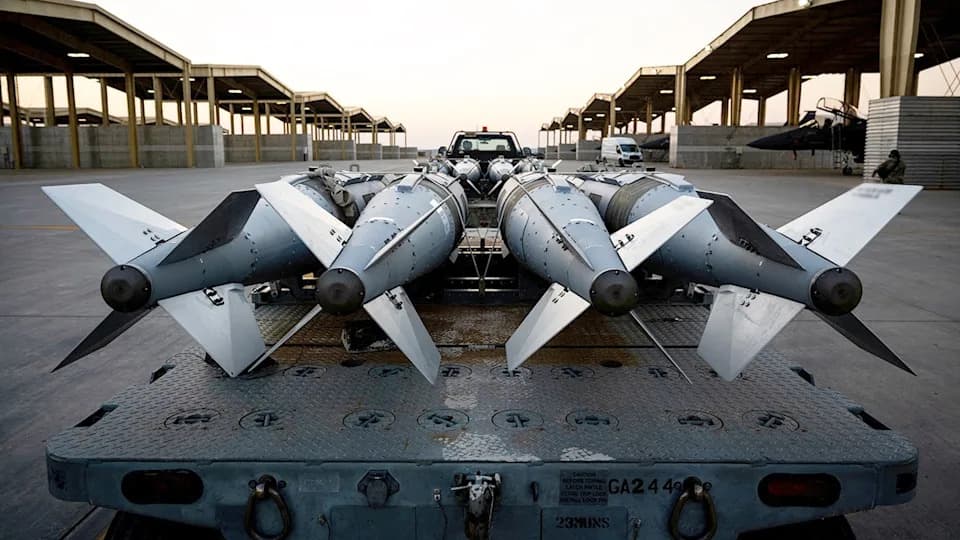
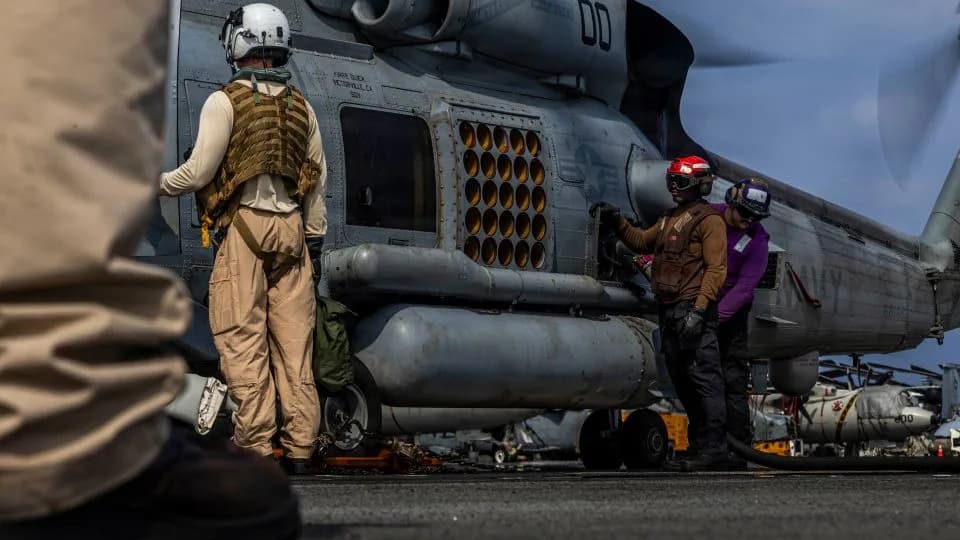
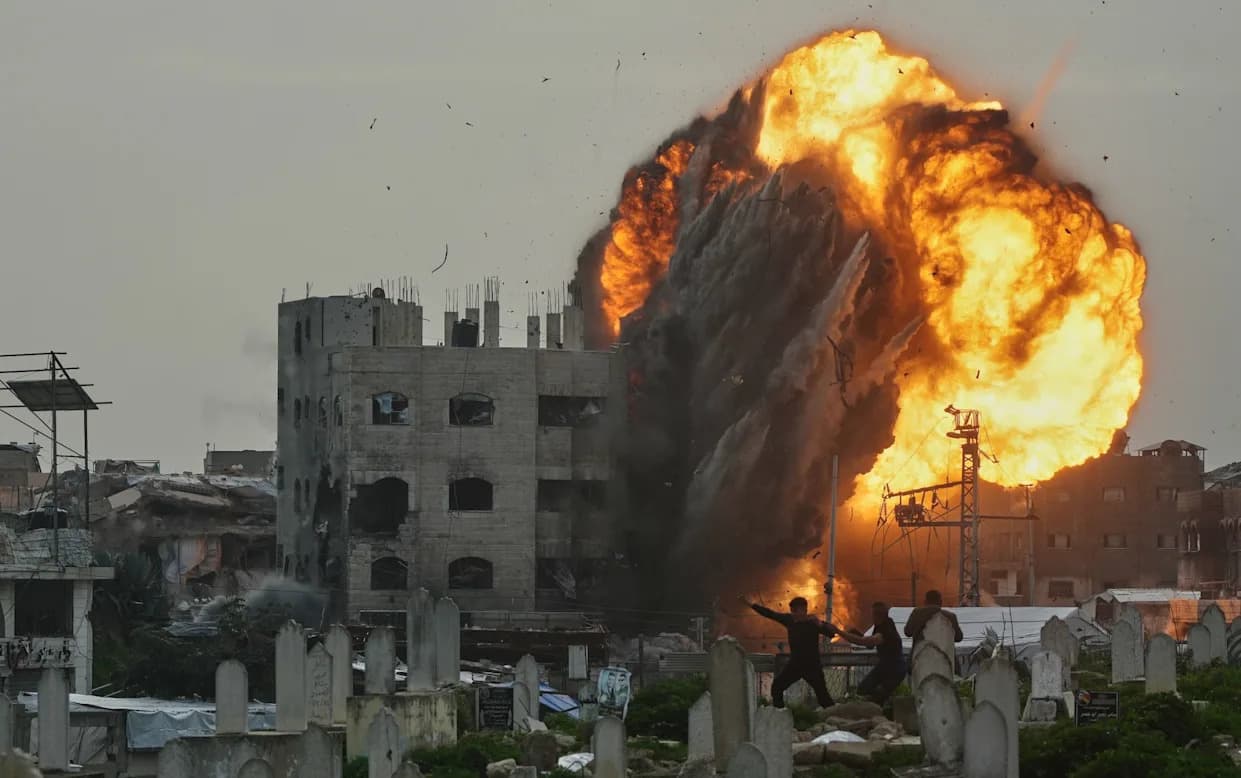
The United States does not maintain a permanent base in Yemen, but U.S. naval and air forces have repeatedly intercepted missiles and drones launched by Iran-backed Houthi rebels that threatened commercial shipping in the Red Sea and Gulf of Aden. In spring 2025, U.S. forces conducted a prolonged air-and-naval campaign that officials say struck more than 1,000 Houthi-linked sites to degrade missile, drone and weapons infrastructure and protect international commerce.
Western Hemisphere Operations
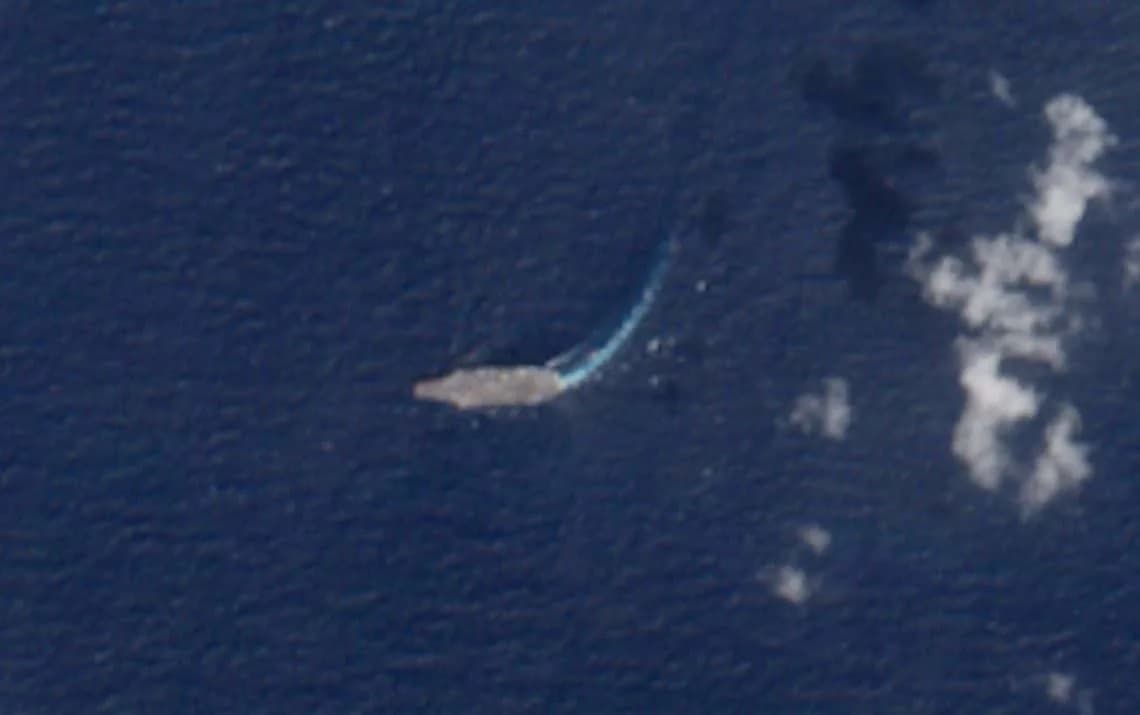
U.S. forces have also acted in the Eastern Pacific and Caribbean under counter-narcotics authorities. Authorities have been used to strike vessels suspected of narco-trafficking near Venezuela — 28 strikes that U.S. reporting associates with 103 fatalities — and to surge naval assets to U.S. Southern Command, where an elevated share of the fleet (about 15%) has been positioned, including the carrier USS Gerald R. Ford.
Legal Authorities, Policy Questions And Risk
Most of these operations continue under the post-9/11 authorizations that Congress enacted more than two decades ago; those authorizations have not been fully repealed. That legal framework, combined with regional threats — especially from Iran and its proxies — helps explain why the U.S. military presence endures despite drawdowns and changing strategy. Policymakers continue to debate the proper scope, duration and transparency of these missions, as well as the risk of mission creep or escalation.
What This Means Going Forward
These deployments show that even after major combat operations end, low-profile, persistent missions can endure for years to counter violent extremists, protect partners and keep key sea lanes open. The results are mixed: they can blunt terrorist activity and protect commerce, but they also raise questions about legal authority, oversight and long-term exit strategies.
"The days in which the Middle East dominated American foreign policy... are thankfully over," the White House national security strategy said, even as it acknowledged the region's continuing importance as a place for partnership and investment.
As the U.S. balances great-power competition and regional stability, expect these small-footprint deployments to remain part of a wider, evolving global posture.
Help us improve.